Why a showreel decides almost nothing
A reel is assembled from the best frames of several years. It contains no deadlines, no revision rounds and no moments when a client changed the brief halfway through.
The reel answers one question: can this team shoot something beautiful. For a buyer, the useful question is different: can this team deliver without a surprise on the invoice.
So the portfolio comes second. Start with a conversation about process, and the questions about frames get sharper afterwards.
Question one: who owns the idea
Ask who invents the solution and who defends it. An answer of "the team" means a manager carries the project, and the author of the idea can change mid-way.
An answer with a name and a role is better. It means one person remembers why the thing was built that way.
Ask what happens when the script does not land. A good studio does not argue at that stage, it brings a second option and explains the difference.
One more detail: ask who will be on set. If one person took the meeting and another arrives to shoot, part of the agreements dissolves on the way.
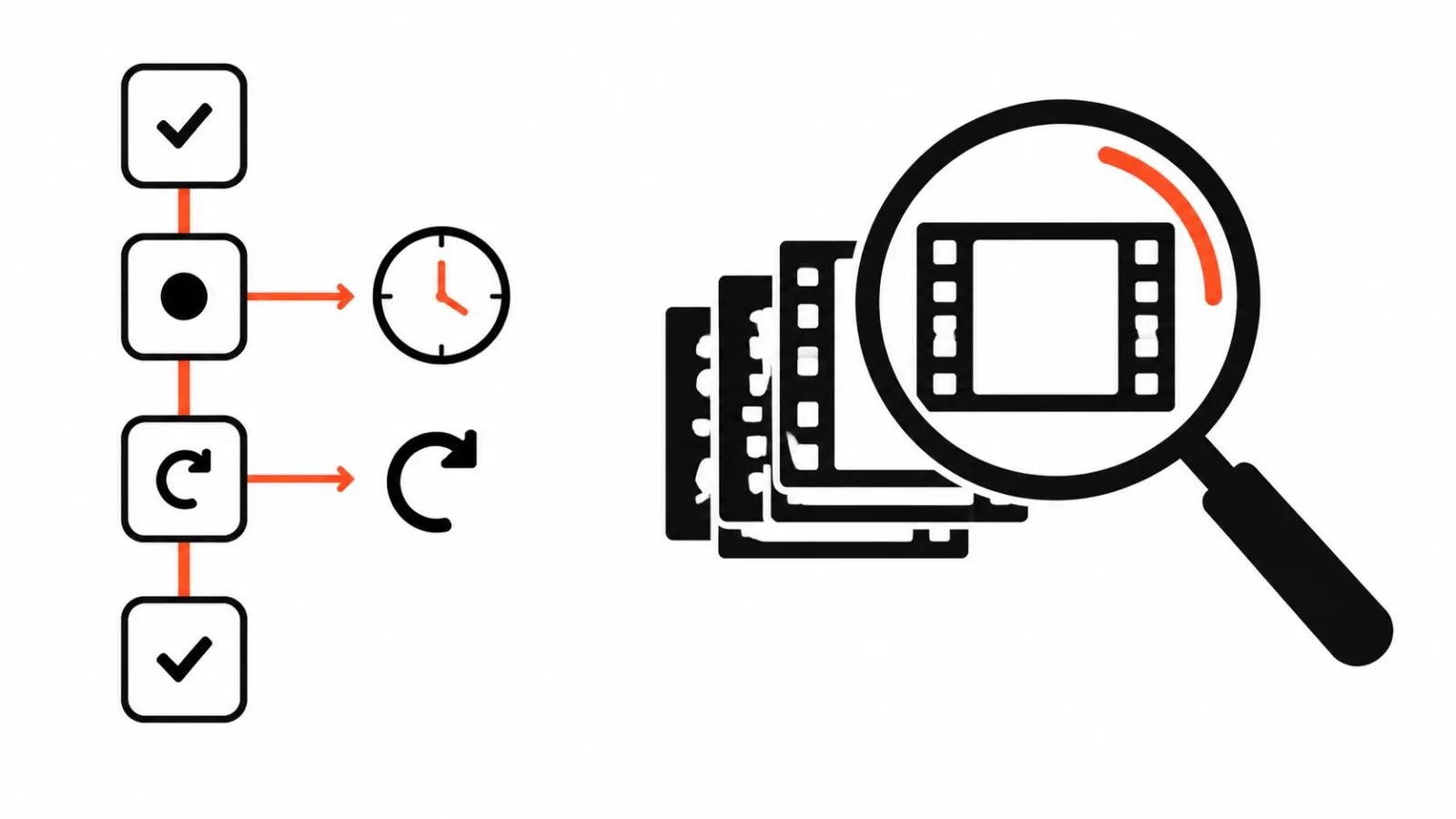
Question two: what a shoot day includes
The shoot day is the unit most offline production is priced in. It contains crew, gear, location and time, and each part has a limit.
Ask how many hours the day runs, how many people are on the crew and what happens when shooting runs over. "We will figure it out" means the limit will be found on the invoice.
Ask about light and sound as well. Those are the two lines that most often appear in a later amendment.
Ask who handles the location and the permits. A space with a rental fee, access rules and load-in time can cost more than the shooting itself, and quotes often show it as a single line with no detail.
Question three: how a revision is counted
Revisions split into two kinds. The first changes the edit inside an approved scene, the second changes the scene itself.
A studio that names the number of rounds and the price of an extra one saves you an argument. A studio that promises unlimited revisions has usually priced them in already.
The worst phrase in an email is "we will see how it goes". That is a refusal to name the rule.
What to look for in the portfolio
Start with the second and third video in the selection. The first one was picked by hand, the rest show the average level.
Look for different genres. A studio that makes one type of material may treat your project as an experiment.
Look at the sound. A video with a fine image and weak sound betrays a team that saves on the last stage.
Look at the captions. Small type, cropped lines and text against the frame edge mean nobody checked the cut on a phone. It is a small thing that every viewer notices.
Red flags in the correspondence
First: a deadline arrives before anyone asked about the task. The number came from the air.
Second: rights get a vague answer. Handover of files and licences has to be written down, or the second video starts from zero.
Third: the quote arrives as one line. Assumptions hide inside that line, and they surface at delivery.
Fourth: the schedule question gets "we will make it". A project has stages, stages have durations, and a studio that has done similar work names them without a pause.
How to run a trial day
Take one scene and order it end to end: prep, shoot, edit. It costs less than a full project and shows how the studio behaves in the details.
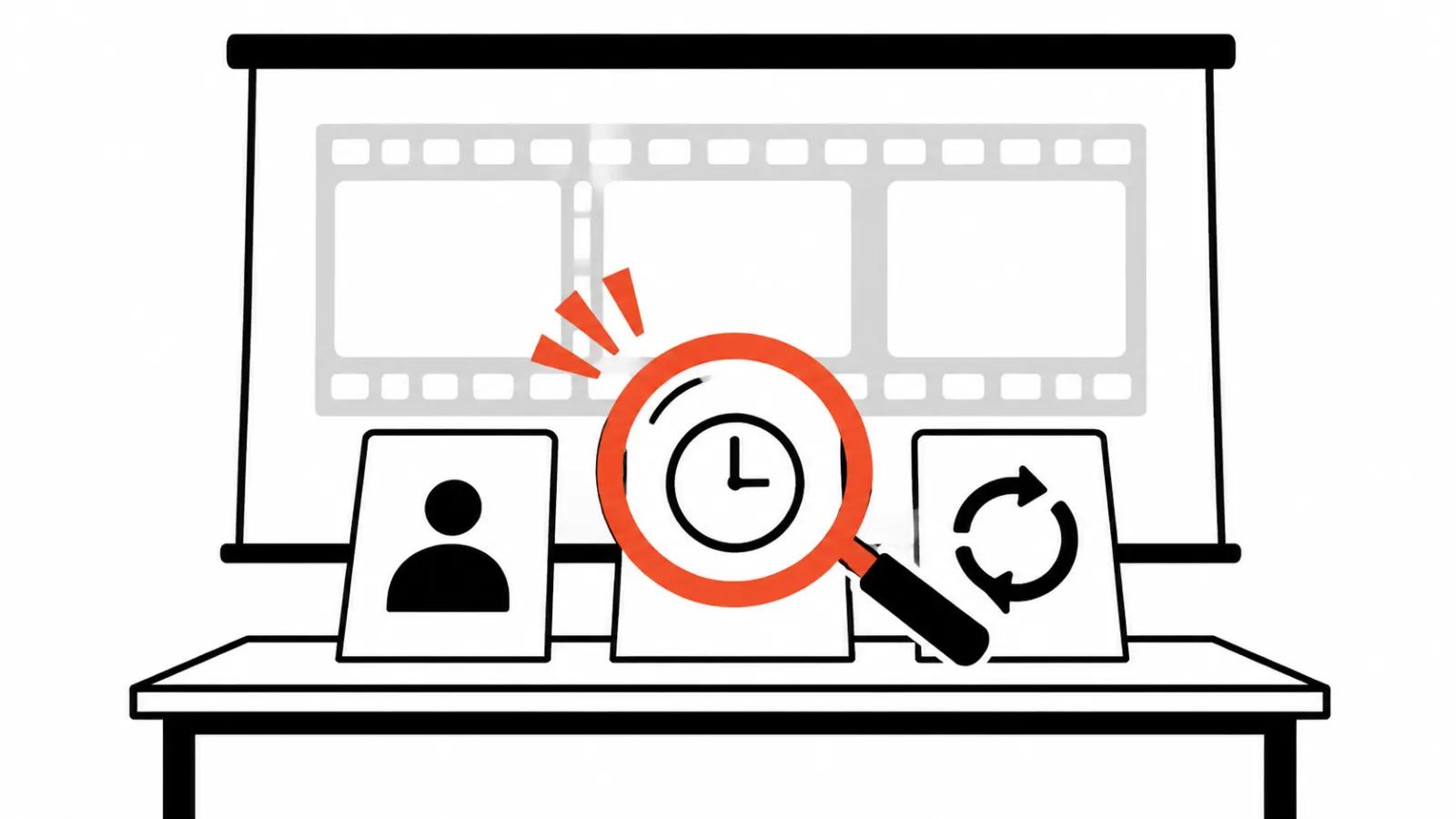
Watch three things: how long the first answer took, whether the result matched the reference, and what appeared on the invoice beyond the quote.
A fourth question is optional and useful: what would the studio do differently. The answer shows whether they think about the task or repeat a template.
The test pays off most on a large project. A mistake on one day costs less than a mistake across a quarter.
The conclusion
A studio is chosen by process. The reel comes second, and three questions about ownership, the shoot day and revisions give more than an hour of beautiful frames.
If the answers are clear, look at the portfolio and the price. If they are vague, the frames will not save the project.
AI video production added one more question: what the studio makes itself and what it hands to a model. Handcrafted videos stay where every scene needs its own direction, and that belongs in the conversation before the start. On a serial project, ask who owns the publishing plan when the studio takes on YouTube channel management.