What a video edit is
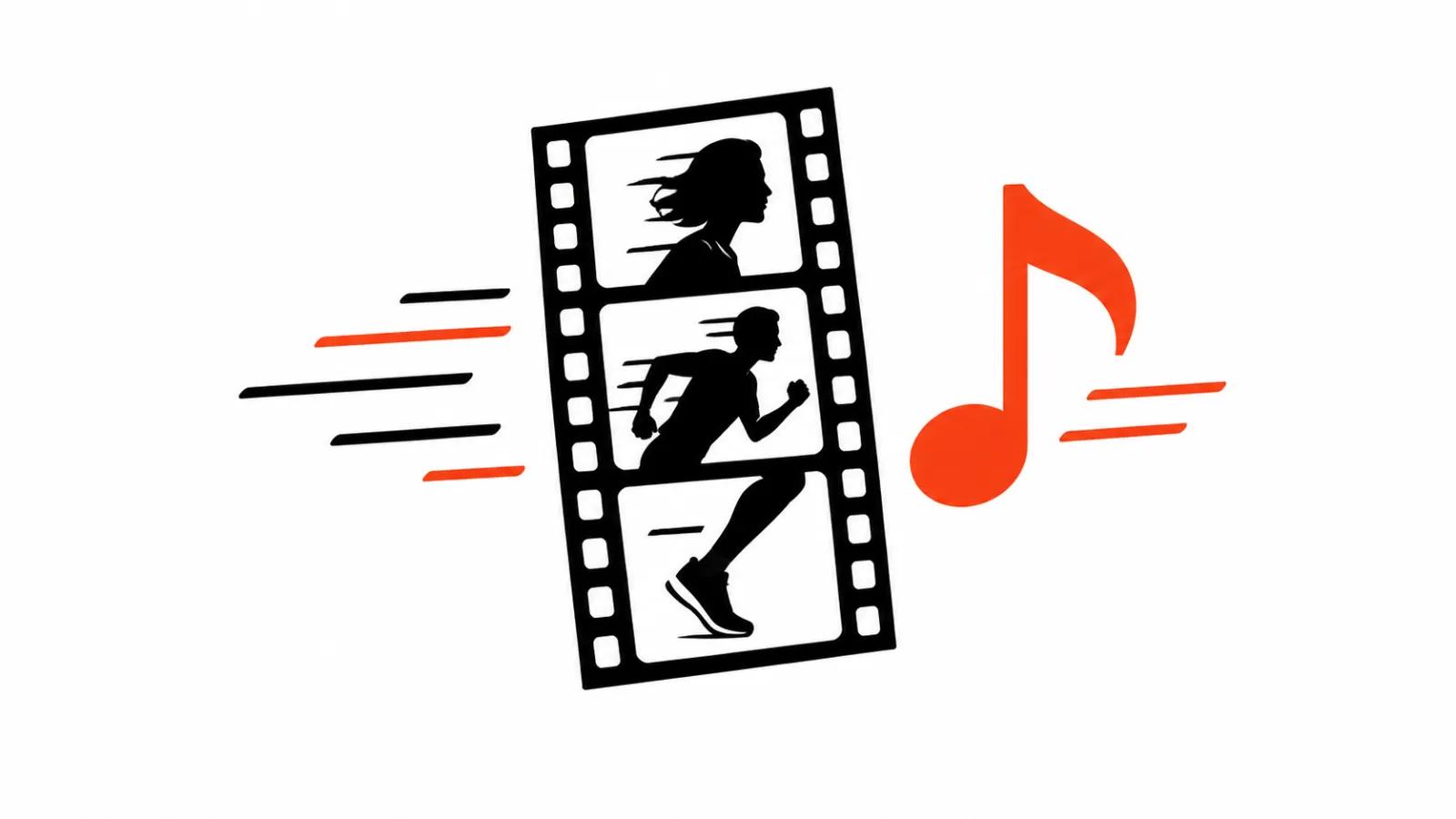
A video edit is usually a short piece cut to music from footage that already exists. The point is rhythm: shots change on the beat, transitions land on accents, the ending hits the downbeat. Length is usually fifteen to thirty seconds.
It differs from a highlights cut in intent. A highlights cut pulls the best moments out of long footage and builds a coherent story. With a long source, splitting video into shorts first and editing from those cuts is often faster. An edit works on mood: impression, atmosphere, feeling. Ten to fifteen cuts are usually enough to carry it. That is why repeats and hard cuts are acceptable in an edit and would look like mistakes in a highlights reel.
Cutting to the track
The track comes first, the picture is cut to it. That is the main rule, and it is the opposite of normal editing, where music is fitted to a finished scene.
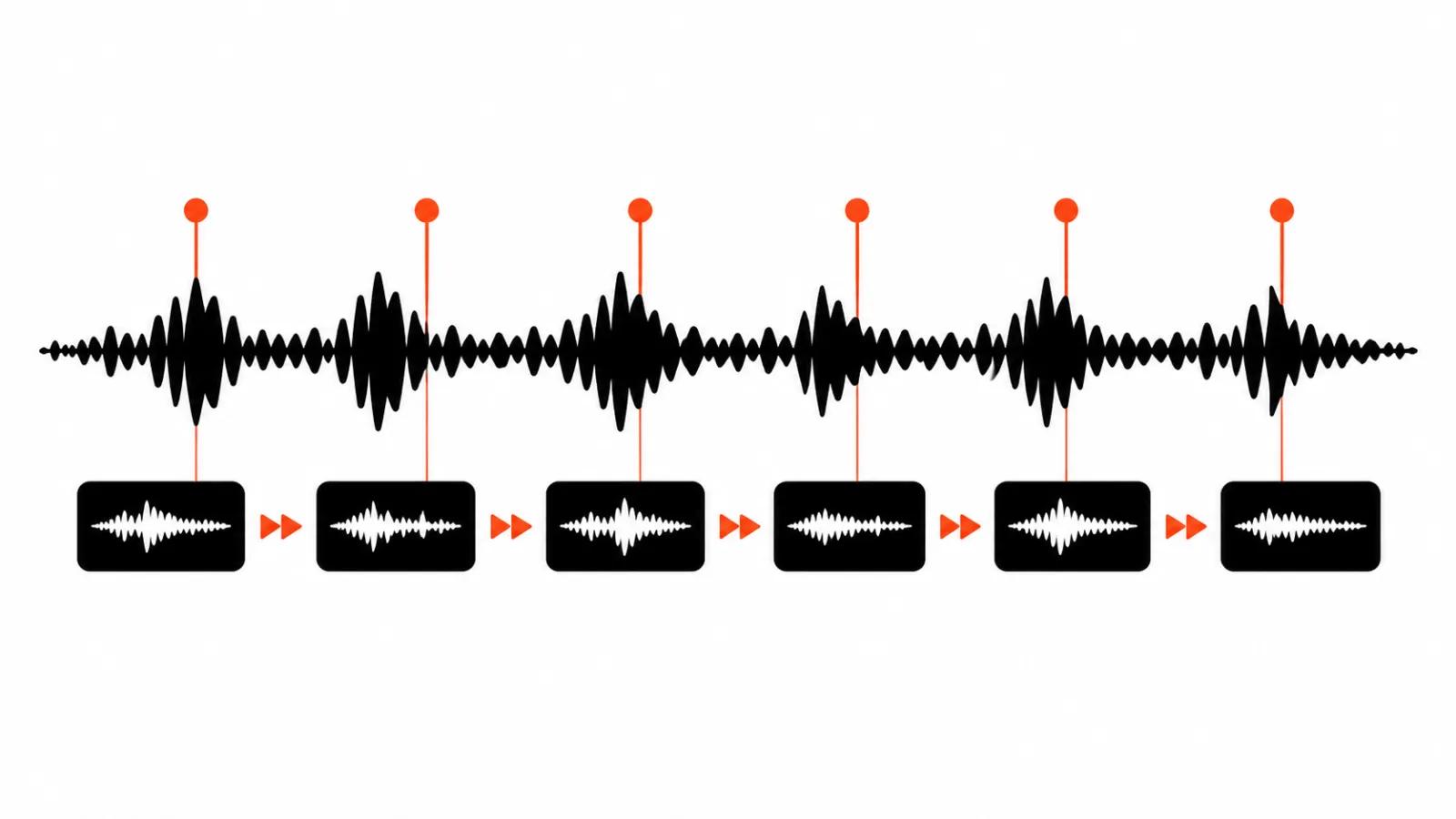
AI helps find the beats and mark them. Then the human work starts: every hit gets a shot that adds something. If frames change for no reason, viewers tire within five seconds.
Transitions and effects
Simple transitions are handled well by automation: a hard cut, a dip to black, a flash, a zoom. Complex moves, such as a transition through motion, need frames that match in composition, and that takes an eye.
Generative inserts are a separate story. A model can paint a background, add light, remove an object or create a shot that never existed. Those inserts wake an edit up when there are few of them. When effects outnumber meaning, the piece becomes a filter demo.
Rights to the source footage
An edit of someone else's video is a violation without permission. Film and series frames, other creators' blogs and broadcasts belong to rights holders, and the popularity of the format changes nothing.
For a brand there is one safe route: shoot your own footage or get it from a contractor under a contract that transfers rights. If the piece is built around a song, read the separate breakdown on the AI music video: that one is about staging, while this is about rhythm from existing shots. If you work with a client's archive, check that the agreement covers reworking and publishing. A screen recording of someone else's stream is third party footage, even if you bought the game.
Music
The second bottleneck. A track from a streaming service cannot go into a published video without a licence. Even an organic post with no ad spend can be claimed by the rights holder, and the platform takes the video down.
Safe paths: royalty free libraries, music written for the piece, a licence for a specific track. For commercial accounts I recommend the second or third, because the first often sounds like a library. If the piece is going to a platform anyway, check that platform's own library first.
Where edits work for a brand
One: a product announcement with good footage and no budget for a full film. Two: a recap of an event, a trade show, a conference. Three: an archive selection for a date or a season. Four: social content between major launches.
Five: hiring and internal comms, where an edit of real working footage shows the atmosphere better than any copy. Six: short-form video at scale for audience tests, where the same material is cut to different tracks. Seven: social initiatives, where an edit of event footage makes a report partners will actually watch.
How long it takes
Thirty seconds of edit, with footage ready and the track chosen, takes an hour or two. Most of that goes into selecting shots and finding cut points. I pull three times more shots than the cut needs, otherwise there is nothing to land a beat on. A track change halfway through means rebuilding the rhythm, and that is the most common reason these projects slip. Generative inserts add review time, because every frame needs to be watched in full.
If there is no footage, a shoot comes first. Then the edit is part of normal production, and I would not cut corners there: our handcrafted videos start from $394 per video and include the assembly for the task.