1. Reskinning other people's clips in Genjutsu
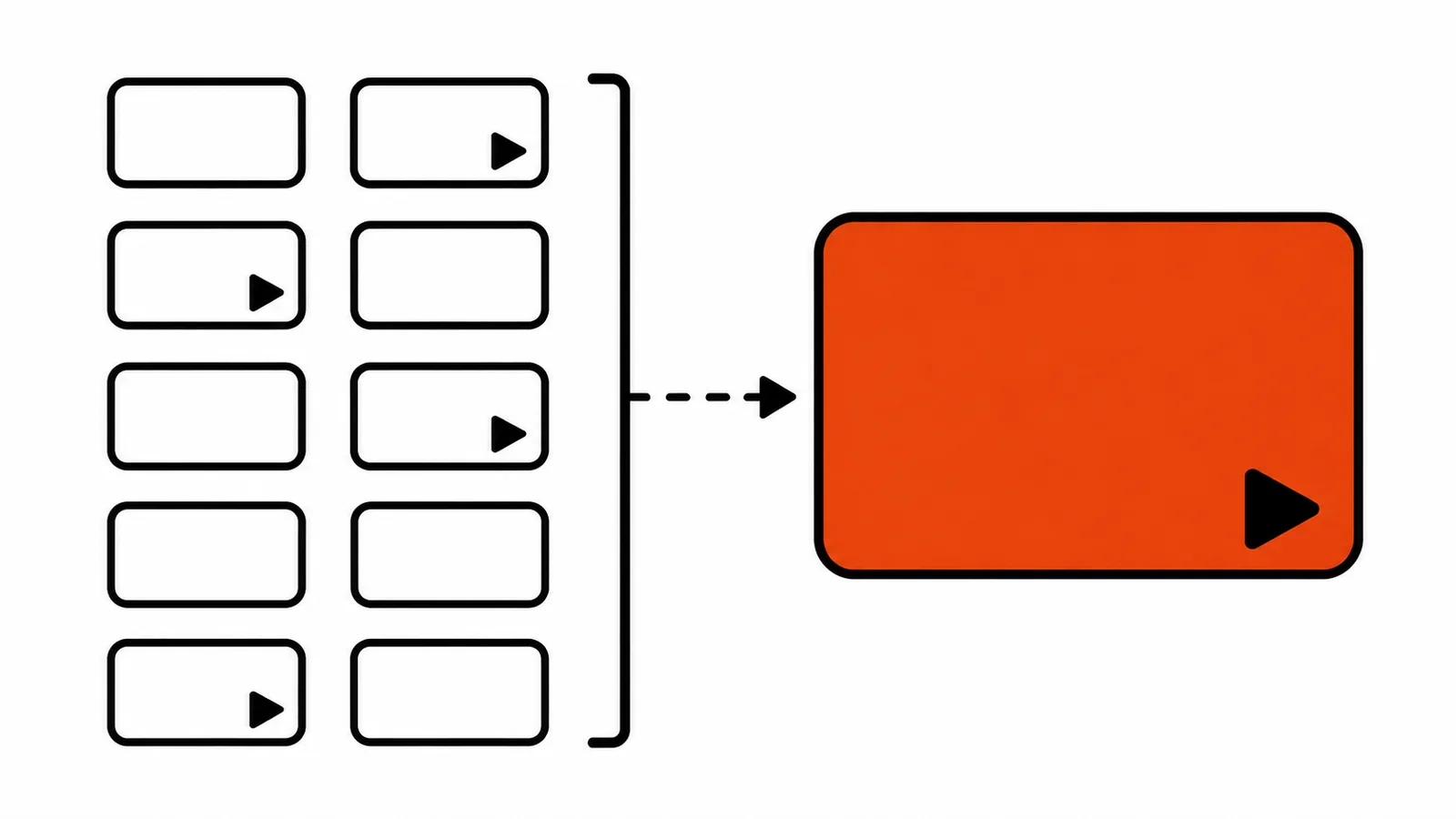
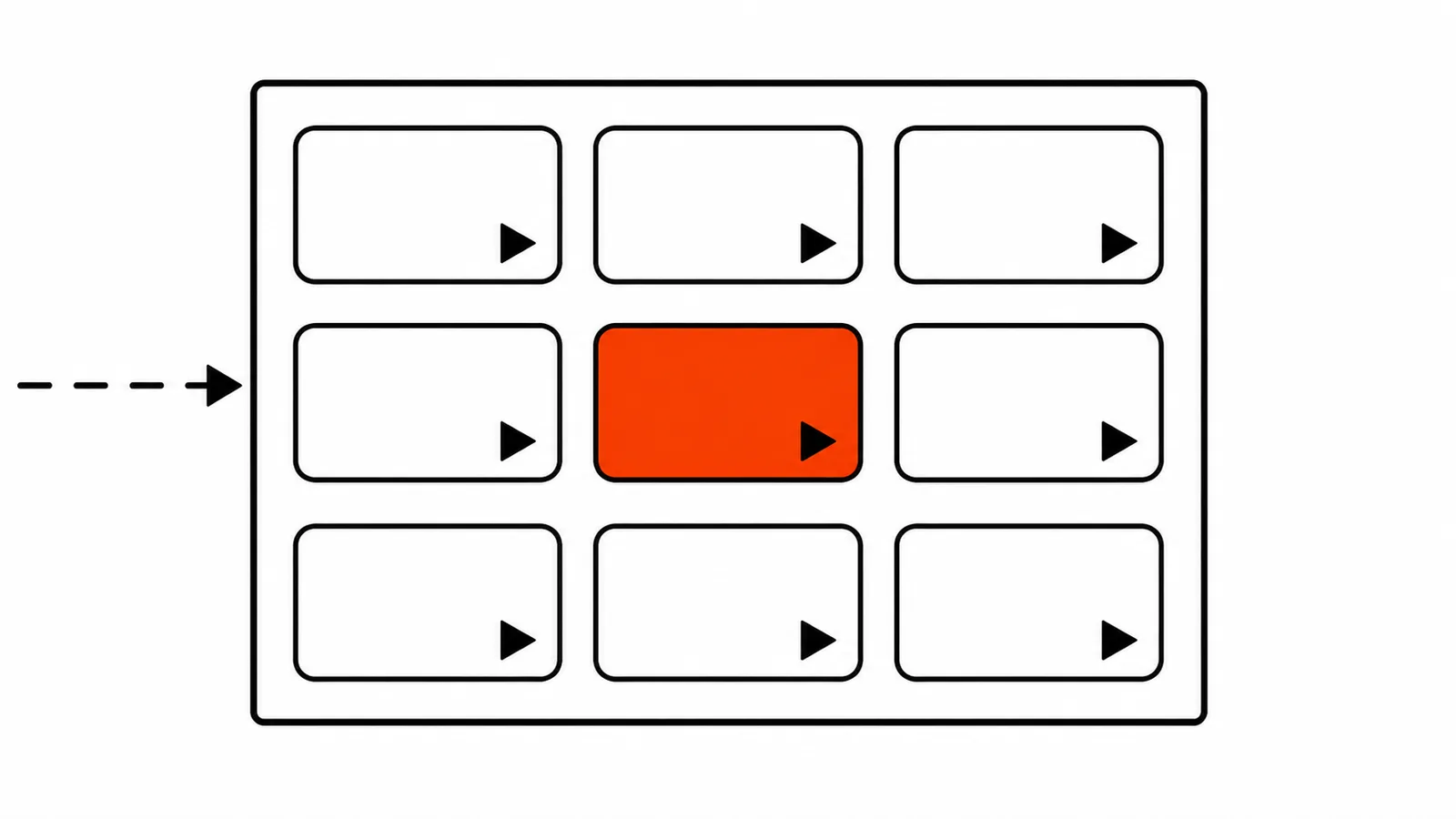
On November 25 PetaPixel described the scheme creators call reskinning: authors find AI versions of their videos where everything matches except the performer. The discussion pointed at Higgsfield and its Genjutsu tool, where a finished file goes in and a character, location or product gets swapped while the rest stays as it was. Guitarist Sophie Lloyd told the BBC she spent years building an audience, and Dr. Tina Kendall of Anglia Ruskin University sees the automatic reuse of a story that already went viral. What Genjutsu takes from a file is broken down in a separate piece.
Why this matters: source footage became an input file. Signing off a vendor's clip now starts with the question of whose frame it is.
2. Invoker-Render: open weights for proxy-driven video
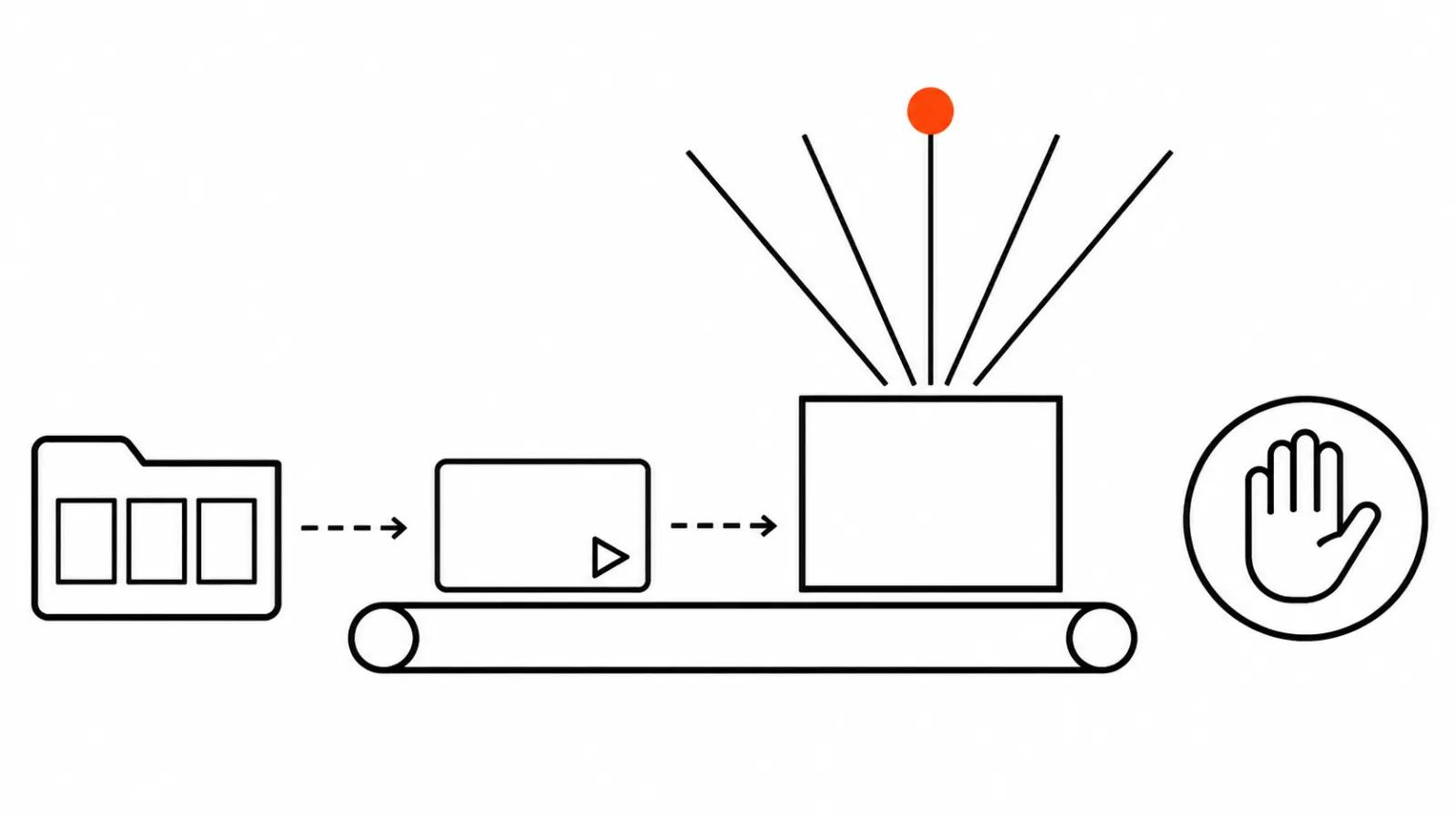
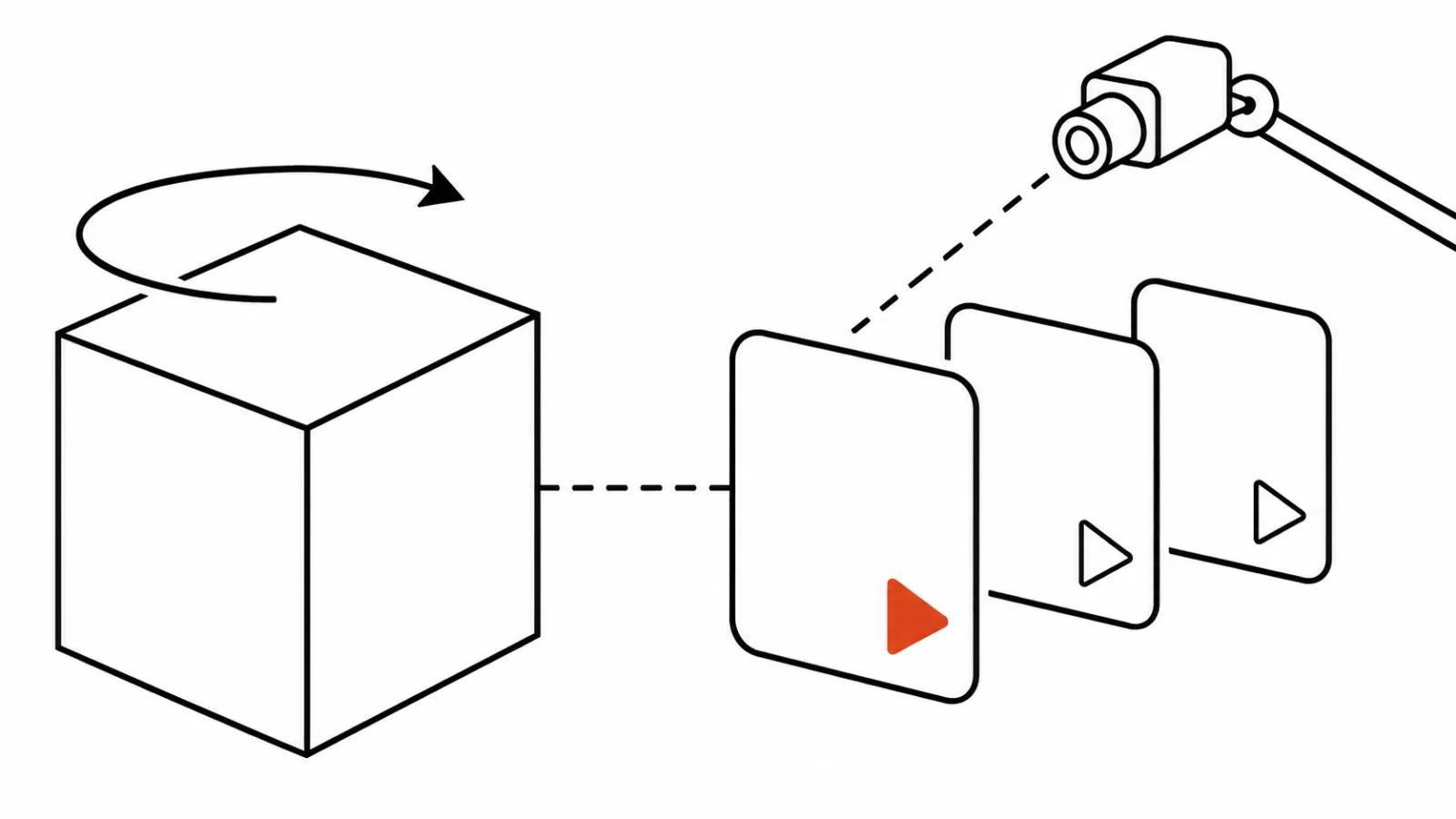
The Hugging Face card and arXiv paper 2611.22925: the model renders video from a structural proxy, one appearance reference image and text. The causal streaming DiT weights ship in FP32 at 33.12 billion parameters, about 132.5 GB, and the default production profile runs on eight Nvidia GPUs in one node. In their experiments the authors show stable 30-minute runs. The Invoker-Render breakdown ran today.
Why this matters: an exact camera path is no longer a cloud-only service. The price of that precision is measured in server hardware.
3. Cosmos 3 Nano on 12 GB of VRAM
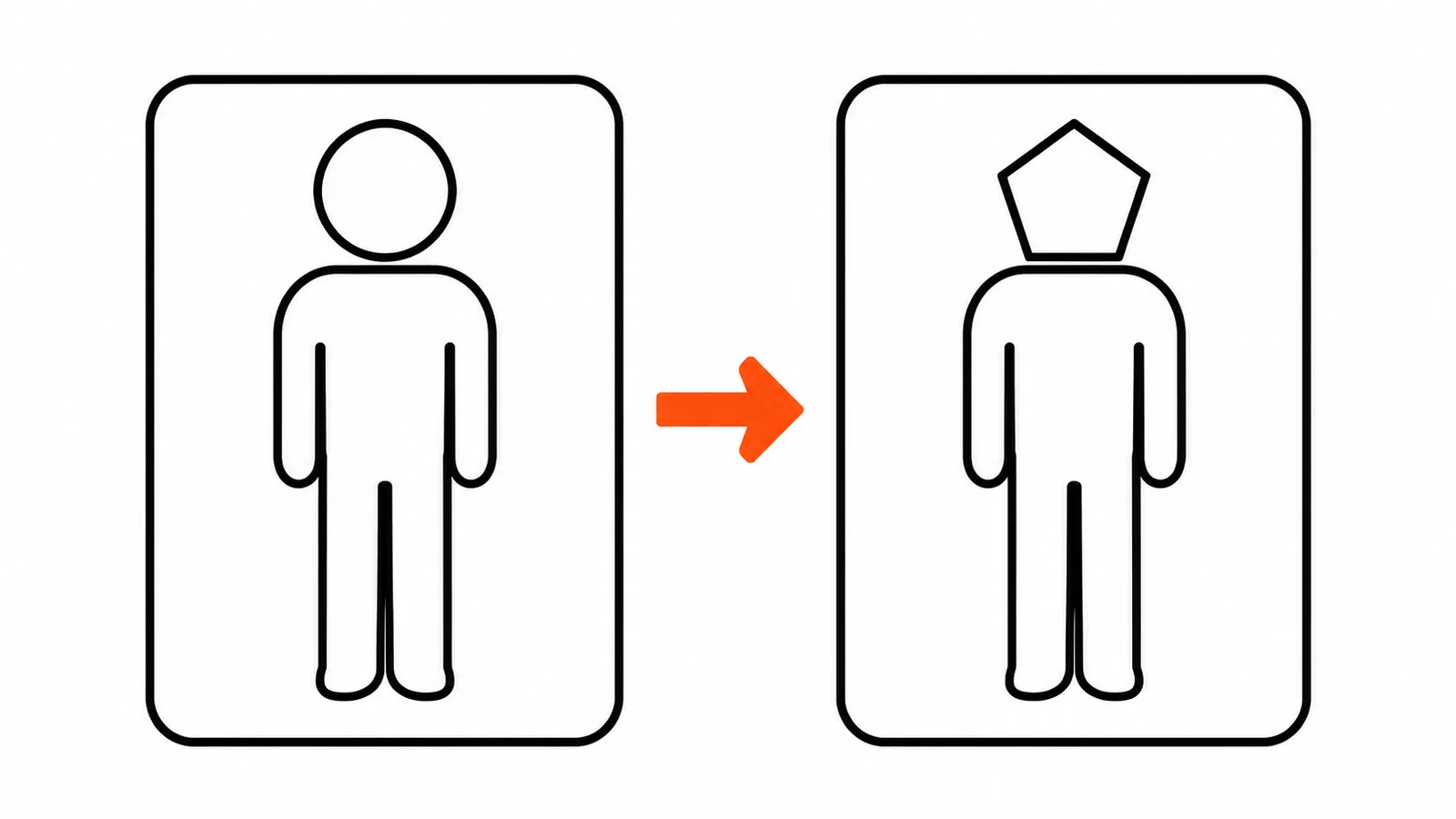
On November 24 the Nvidia technical blog: an offload package inside Cosmos-Framework keeps weights in system memory and moves them to the card as needed, so the model fits inside 12 GB. A test on a GeForce RTX 5070 rendered 720p in 2,624.9 seconds at a peak of 9.94 GiB in BF16. Linux, Python 3.12 and a CUDA build of PyTorch are required. How Cosmos 3 Nano runs locally has its own piece.
Why this matters: local generation reached a consumer card. The speed still counts tens of minutes for a single clip.
4. Maharaja in Denims aims for April 2027
Variety on November 25: a generative AI feature based on the novel by Khushwant Singh, directed by Balpreet Kaur, with a budget above 500,000 dollars according to the producer, marketing excluded. The stills were rebuilt from scratch three times and roughly an hour of the film was redone three times, while the toolset shifted from Midjourney and Runway to Veo, then to Kling and Seedance 2.0, with the final pass on Higgsfield. The budget and the rebuilds are covered separately.
Why this matters: rebuilding cost more than the first version. In a long project that is a line item nobody plans for at the start.
5. Lionsgate Play shoots a series with an AI lead
Deadline on November 24: Eklavya, drawn from the Mahabharata, stars the character Yug R.Ai, directed by Vibhu Puri, eight episodes in the first season, premiering next year on Tiger TV inside the Lionsgate Play app. Production is already running as part of a long-term deal with Google, whose AI technology is used. What is known about the series.
Why this matters: an AI character took the lead of a full season. From here the conversation is about platform deals, and frame quality matters less.
6. Morphic Dub keeps the speaker's own voice
The Morphic page, checked on November 26: on paid tiers every speaker keeps their own voice, close-ups get lip sync, music and noise stay under the new speech, and each run takes a clip up to 10 minutes. The free tier dubs audio only, and nothing is charged in Ask mode until the result is confirmed. How Morphic Dub works is broken down separately.
Why this matters: a preserved timbre removes the obvious question of why the character speaks in someone else's voice. Close-ups still need a check.
7. Coca-Cola went back to live actors
Fast Company on November 25: the spot Enjoy Joy, directed by Paul Dektor, produced by Mayan Productions, and a company representative told the outlet there is no generative AI in it. Two years in a row before that brought AI campaigns, from a 2023 postcard to snowy landscapes and local banners in 2025. Coca-Cola calls this one of its approaches. What sits behind the choice.
Why this matters: for big brand advertising, generation stays one option on a shelf. For a vendor that means the toolkit matters more than a single pipeline.
8. PixVerse Growth Studio: ads from a product card
The PixVerse page, checked on November 26: ad assembly from a product card through three tools. Templates give a ready format around the product, Ad Clone builds a new story from an existing viral video, Ad Multiplier makes different faces, scenes and market languages from one direction. Batch work with a Meta catalog goes like this: connect the catalog, set markets, languages and formats, get a batch of clips, keep the ones that hold up and export them back. BFCM templates carry a 30 percent discount. What Growth Studio does.
Why this matters: a batch of ads gets built for a whole catalog at once. Picking the good ones stays a manual job.
9. What a Veo 3.1 clip costs by tier
techbuzzireland on November 25 repeated a PixelDojo page captured on November 18: three modes, Standard, Fast and Lite, clips from 4 to 8 seconds, up to 1080p, audio in every mode. With sound on, Standard costs 12 credits per second, Fast 4.5, Lite 2 credits at 1080p and 1.5 at 720p. An eight-second clip in Standard comes to 96 credits, which is 4.80 dollars on the Pro plan. The per-second table is laid out separately.
Why this matters: the mode changes the bill six times over at the same length. A wrong pick shows up in the invoice and never in the frame.
What this changes in AI video work
Nine stories hit different links at once. Genjutsu takes the source away from its author, Invoker-Render and Cosmos 3 Nano move rendering from a cloud bill to your own box, the Indian feature and the Lionsgate series show what a long project costs, and Morphic, Coca-Cola, PixVerse and Veo 3.1 answer for voice, brand choices and the price of a clip.
One practical order of checks. Before a batch of clips, line up the mode and the price per second: the gap between Standard and Lite shows in the invoice before the first render. Second, the input file: if a vendor brings a clip with someone else's motion, the conversation ends at the brief. Third, the length of the project: where a scene gets rebuilt twice, the budget gets rewritten from zero.
For commissioned work the split holds. Where an exact frame and real expression matter, getting it right first is cheaper, and handcrafted videos start from $190 for a finished piece. A pipeline where AI video production runs in batches rests on another number, up to $2.40 per 1000 views. AI video ads ship as a set of versions for a catalog, the way Growth Studio does it, and a wrong mode in the model shows up over a long run. An AI YouTube channel follows the same logic, with clips on a schedule and a budget counted in months.
Related reading: the Genjutsu breakdown on Motion Transfer and Object Swap, and Invoker-Render open weights on proxies and eight GPUs.