Why the children's format is different
An adult knows they are watching a picture. A child under five does not separate the screen from the room: the character exists, and the feelings are real.
Two consequences follow. Anything odd in frame frightens harder than it would an adult: a drifting face, an extra hand, a sound that is too loud. And behaviour gets copied. If a character hits someone and it is funny, a child repeats it.
The second consequence is economic. A parent starts the clip and leaves, so quality is tested on the tenth repeat, and the first frame proves nothing. Cheap generation annoys both the child and the adult by then.
What YouTube actually requires
There is concrete guidance here, and it is worth reading before you shoot.
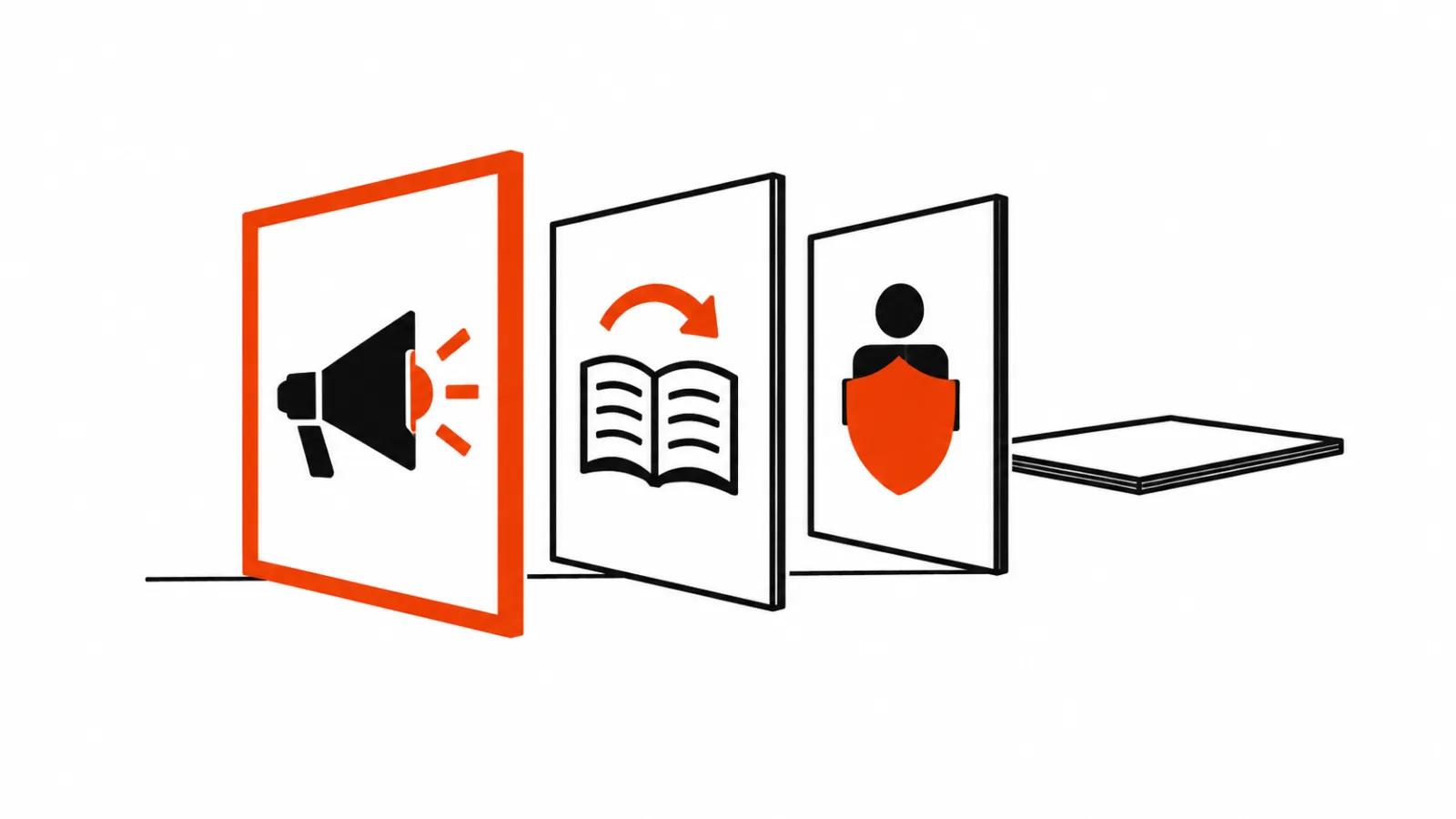
YouTube requires creators to declare whether a video is made for kids, and lists the signs: children are the primary audience, or children are not primary yet the video is directed at them through characters, songs, games, stories, simple language, or educational content for preschoolers. The setting affects advertising and available features, and getting it wrong carries consequences under children's privacy law in the US.
A separate rule covers synthetic media. YouTube requires disclosure of realistic AI-generated or altered content: scenes that look like a real event, a real person appearing to say something they did not, footage of a real place altered. A cartoon rabbit is out of scope because it does not look real.
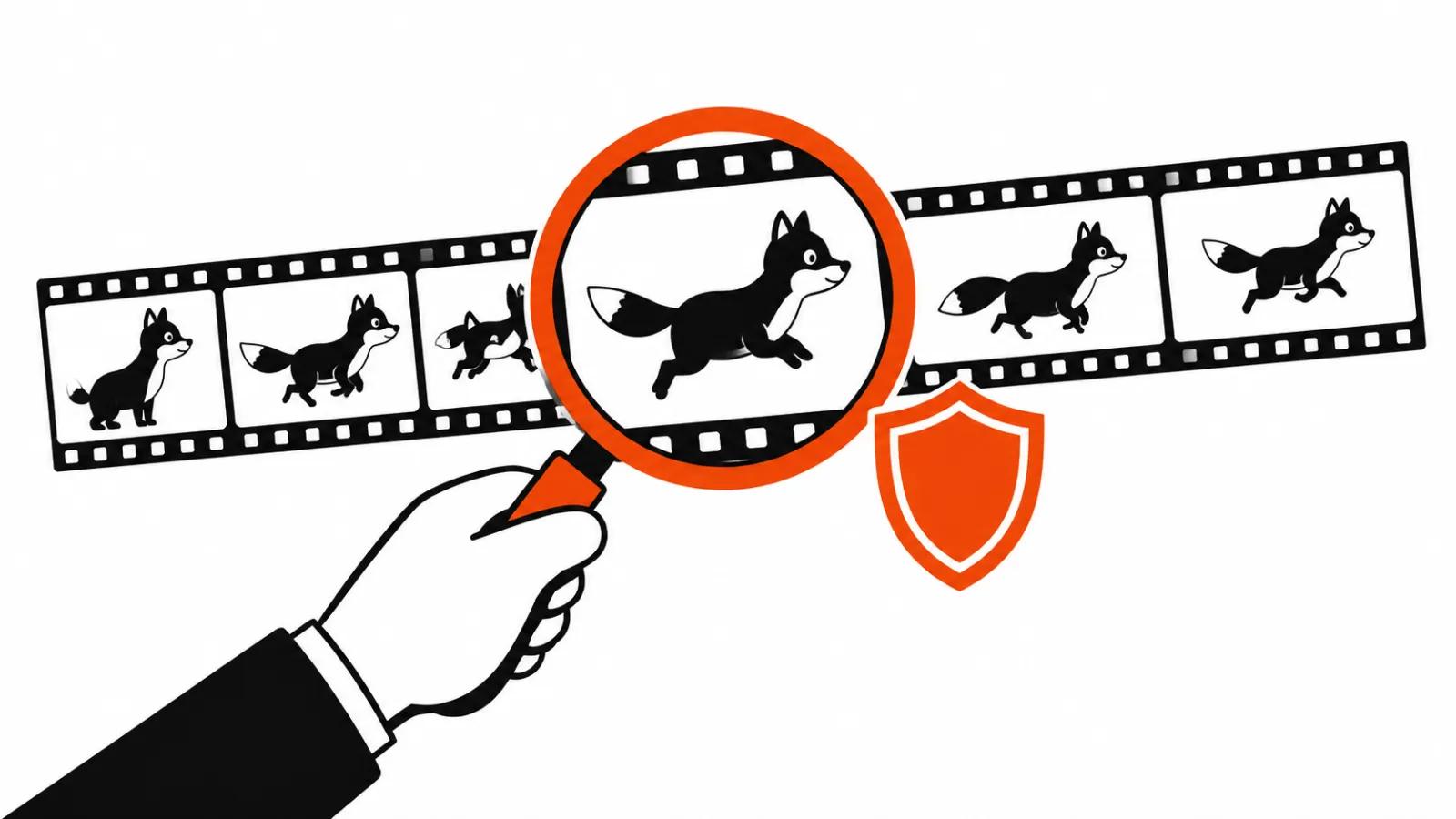
And a third rule that people forget. YouTube demonetises inauthentic content: mass-produced videos from one template, minimal variation between videos, slideshows with no narrative. The policy reviews the channel as a whole, and children's content sits in the risk zone because templates are everywhere there.
Five reasons for caution
One. Responsibility for the story. The model proposes a scene, and you answer for what happens in it. "The algorithm wrote it" is not a defence.
Two. A child does not read convention. A joke about a character being eaten lands with an adult and produces tears in a three-year-old.
Three. Voice and sound. Synthesised speech often runs flat and fast, while children need a slow pace and pauses. A sharp loud sound in a children's clip is harm on its own.
Four. Sameness. Twenty clips with one animal in one forest bore quickly, and the parent simply turns the channel off.
Five. Trust. One frightening clip costs more than ten good ones. Parents remember, and they leave.
What can be done honestly
One format survives scrutiny in my view: a short educational animation with a script that a human checked.
A person writes the script and shows it to someone who works with children: a teacher, a speech therapist, a curriculum specialist. Twenty scenes of ten seconds, one idea per clip: colour, counting, an animal, a safety rule.
The picture is generated inside tight limits. Simple geometry, even light, no hard cuts, no extreme close-ups of teeth. Anything frightening gets removed at the storyboard stage.
The voice is recorded by a person or synthesised and checked by ear with a child nearby. Slow pace, long pauses.
The made-for-kids setting goes on immediately, with no attempt to work around it. That is not paperwork, it is how you avoid a complaint and keep the channel.
Telling a cheap clip from an honest one
Five signs that give away a three-minute production.
Flicker. Clothing and background details wobble between frames. On a large screen it is obvious at once.
Motion. The hero moves in jerks, hands do not touch objects, shadows disagree with movement.
Voice. Synthesised speech without pauses, one intonation across every line.
Story. There is no story, only attractive scenes. The child watches thirty seconds and leaves.
Sound. Music louder than the voice, sharp accents on every cut.
An honest clip does not have to be expensive. It has to be coherent: one idea, even sound, stable picture, a clear ending.
Where AI genuinely helps
Storyboards. A quick draft of scenes that is easy to show a curriculum specialist before production.
Backgrounds and secondary elements. A forest, a room, a yard in minutes, which saves budget.
Localisation. One clip re-voiced into another language with no reshoot.
Cuts. Vertical versions for short formats come out of existing footage.
And the main point. AI removes routine, and it does not remove responsibility. The question "what will this clip teach" belongs to a person, and so does the answer.
Adjacent formats follow their own logic. AI cat videos rest on a recognisable character and need almost no curriculum, and the question does YouTube pay for AI content is settled by general monetisation rules, with the format itself changing nothing.
Budget and verdict
A learning cycle of five ten-second clips with a checked script is a week of work with a specialist. More expensive than a hundred generated in a row, cheaper than one dispute with a platform.
Handcrafted videos start at $394 per video, including script, shoot and edit, and for the children's format that is a sensible entry point.
Once a channel is running, YouTube channel management covers the schedule, and the substance stays with the author.
My verdict. A children's format is no place to test a new model. Script first, specialist second, generation third, and never the other way round.