What ElevenLabs shipped on October 29
SFX v3 went live on October 29, 2026. It runs in ElevenCreative and in the ElevenAPI, which means the web editor and an API key. The announcement landed on the company blog the same day.
The premise is simple: describe in words what should be heard, get a finished audio file. For video work that covers the dullest stretch of the edit, the one where someone hunts a library for a slam, a footstep and a door creak.
The football clip: a prompt with several sounds
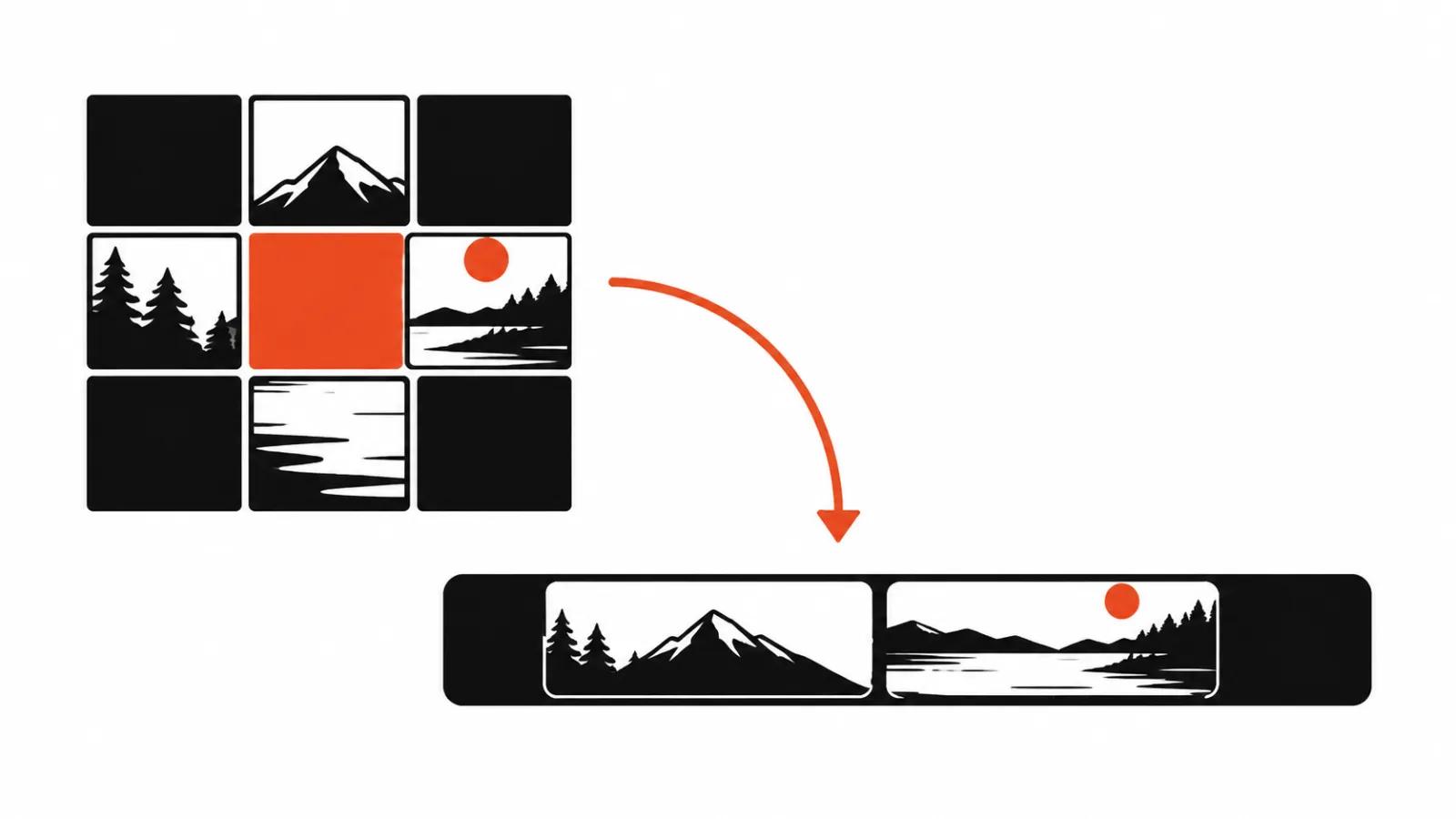
The main improvement targets long prompts that stack sounds in one pass. ElevenLabs uses a football clip as its example: the crowd roars, the ball drops, a few seconds later the same crowd boos. Work like that used to take three separate requests stitched together on a timeline.
The second point covers music and vocals. The company says v3 is more convincing on musical passages and voice, and that the audio is cleaner than SFX v2 in benchmark tests. No test numbers were published, so the comparison rests on the vendor's word and gets checked on your own scenes.
Where the model is available
SFX v3 sits in the Sound Effects tab, in Flows, in Studio and in the Music Editor inside ElevenCreative. It also ships in the ElevenLabs mobile app and through the ElevenAPI.
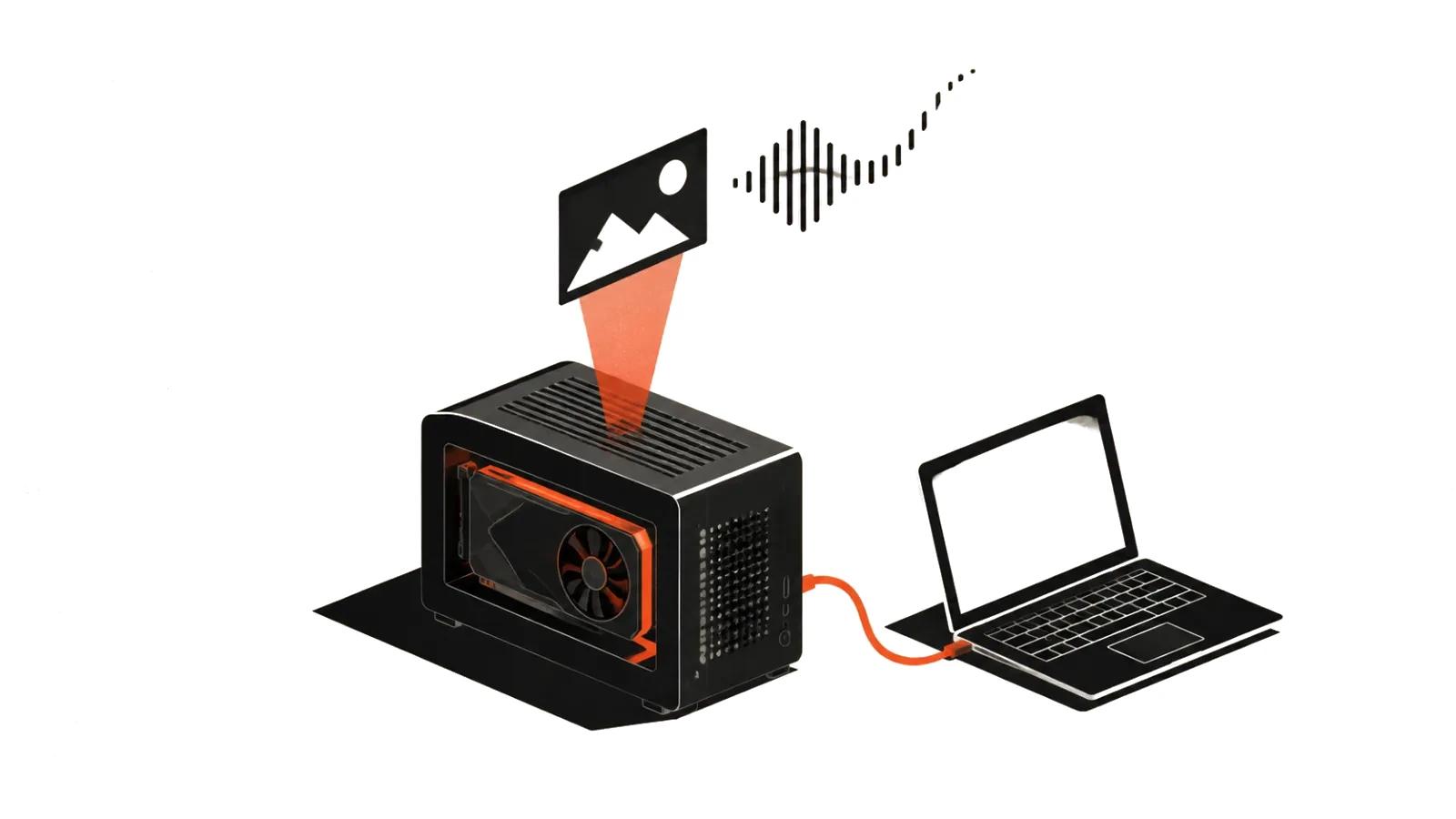
The practical part is that sound now happens in the same window as the picture cut. The old chain was longer: generate video, hunt samples, edit, mix. Three tools, three file formats, three places where something goes missing.
Instant Soundtracks and timecoded effects
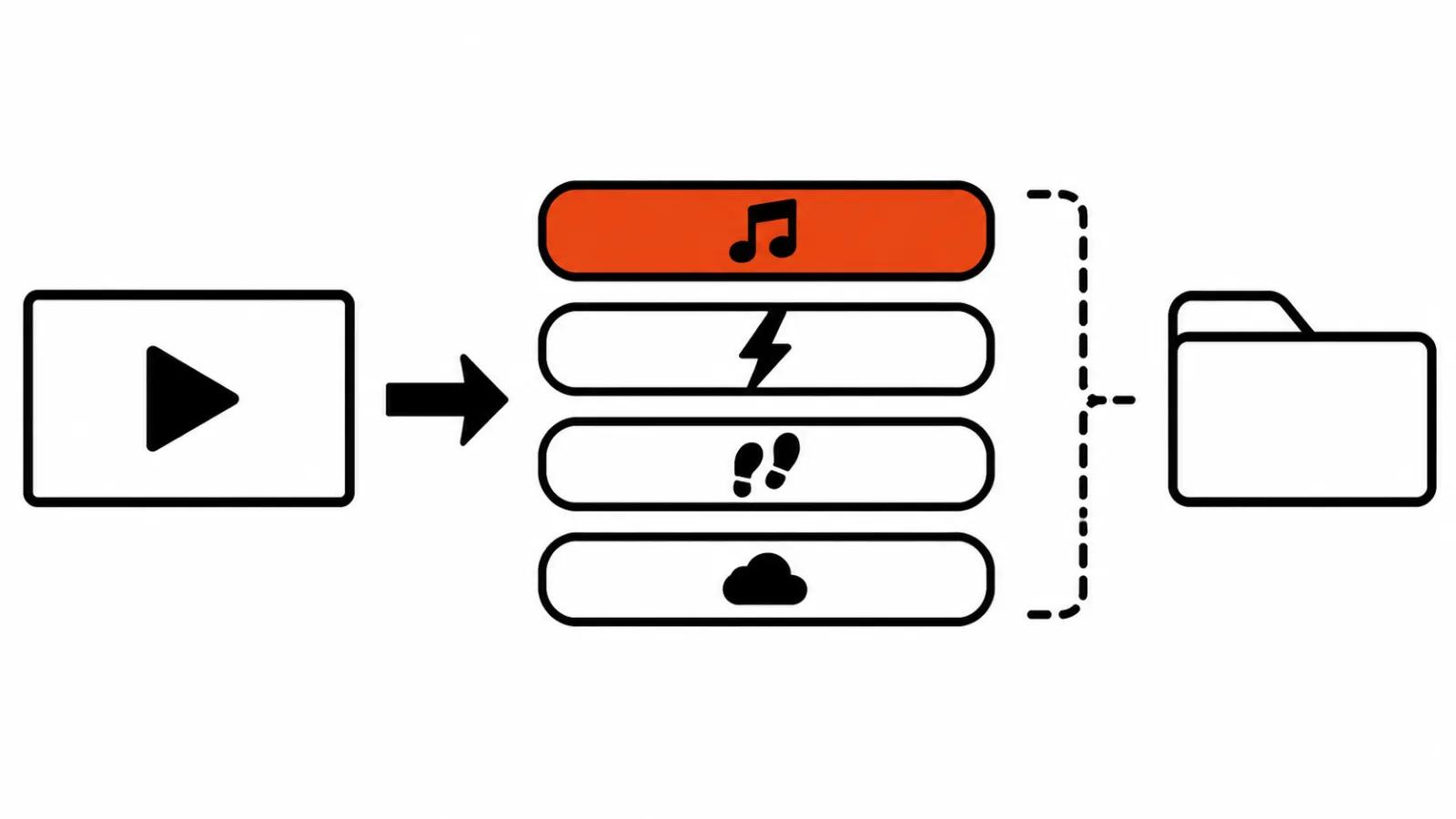
A related feature sits next to it. Instant Soundtracks launched on October 15 and was updated on October 28. The logic is reversed: you upload a finished video, the model writes music for it, finds the moments that need an effect and places them by timecode.
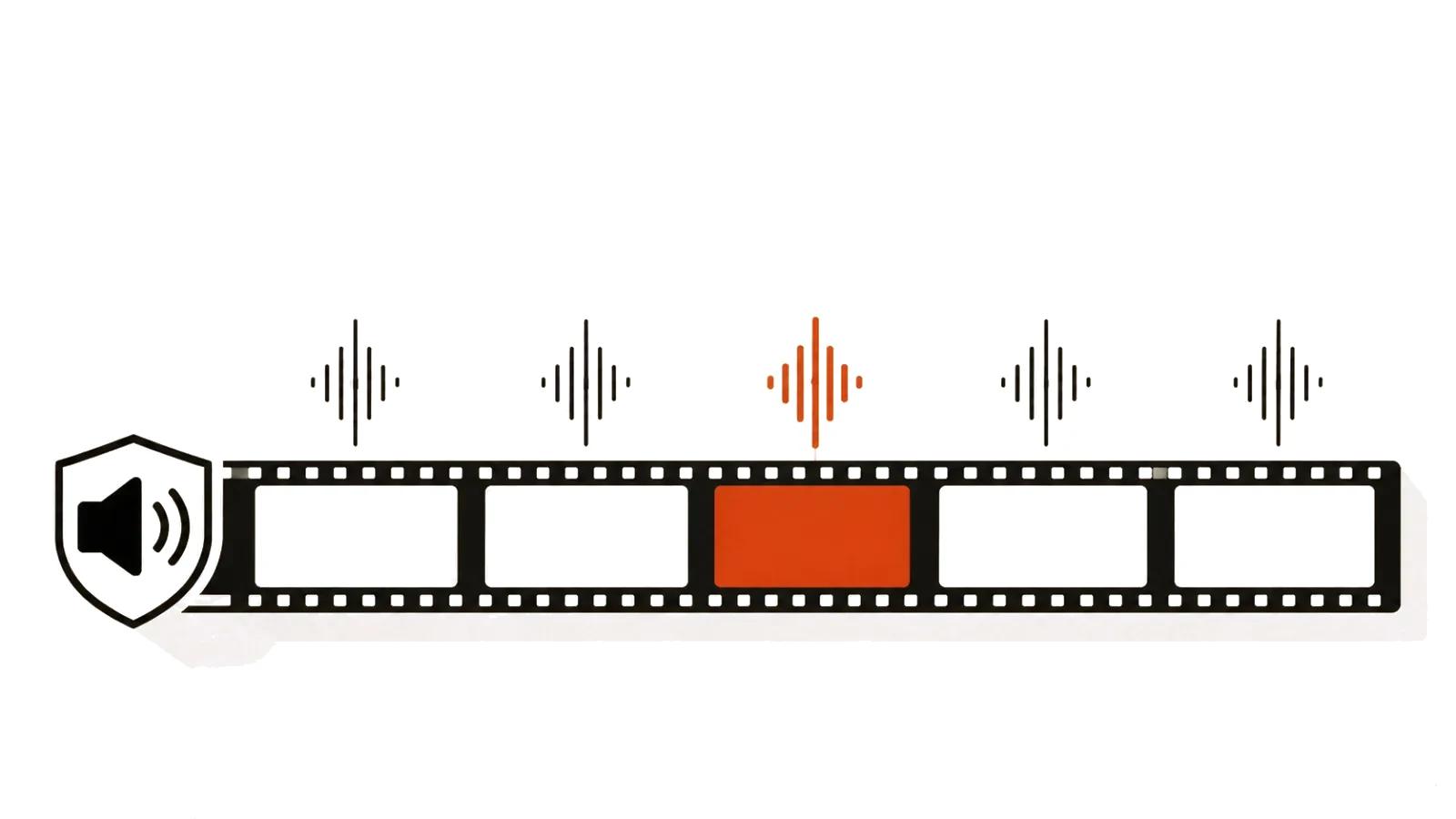
The Video to Music API exposes three parameters: add_sfx, separate_tracks and use_audio_as_reference. Setting separate_tracks=true returns a ZIP where the music and the effects sit in separate files. That detail matters for anyone who later rebuilds a clip for a different platform.
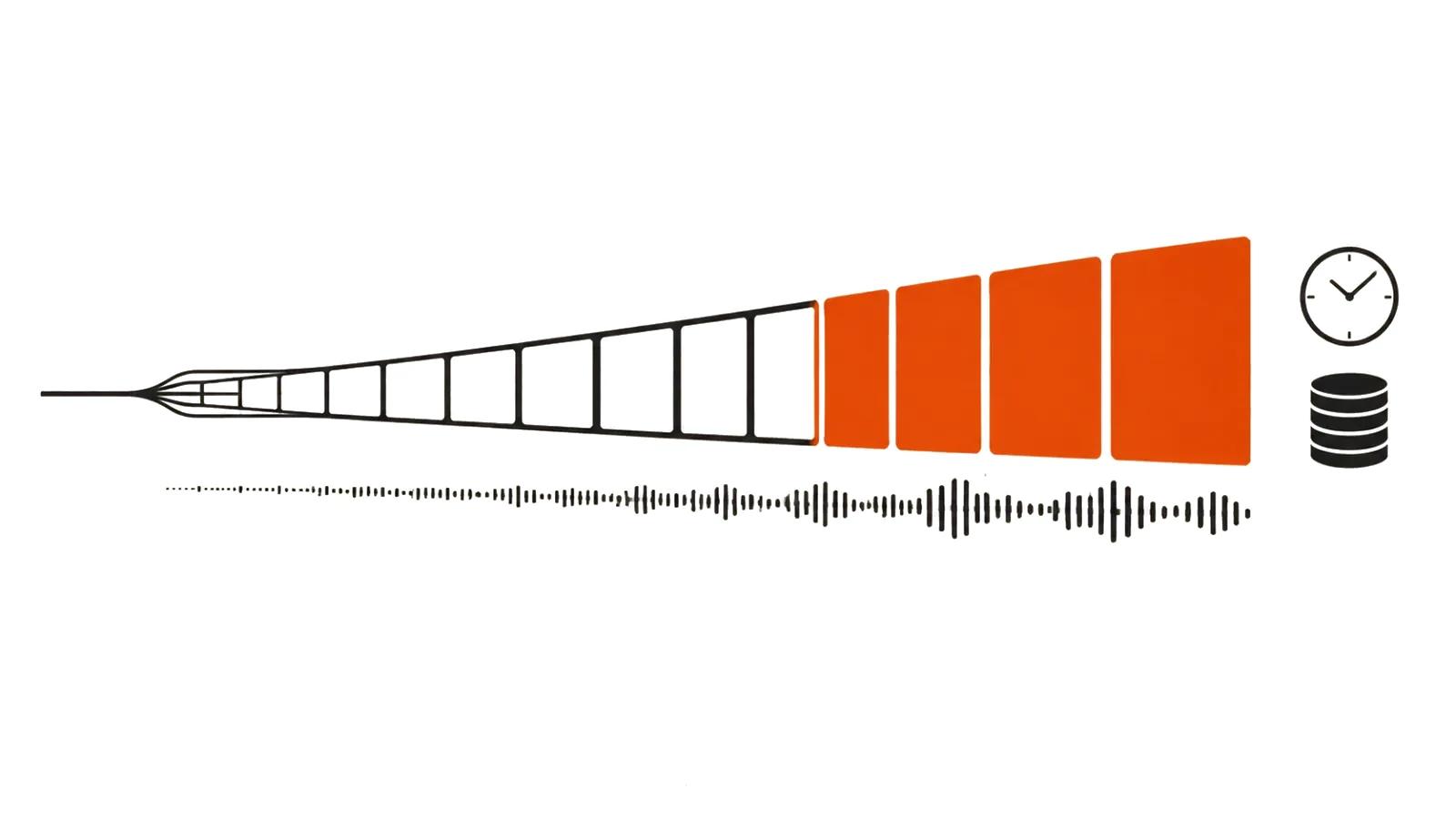
Limits per request: up to 10 videos, 200 MB and 10 minutes in total. Fine for a batch of short cuts, less so for an hour-long breakdown, which has to be split.
Why separate tracks beat one pretty mix
A clean mix is pleasant to hear and awkward to work with. My reasoning is plain: a clip does not live in one window. Vertical video ads and Shorts need another length, another level, another pace. When music and effects arrive glued into one file, every recut starts with a hunt for source material.
Separate audio tracks give an editor what the job needs daily: drop the music under a line, pull one effect, swap the foley. The ZIP from separate_tracks makes that a two-click operation.
The second argument is automation. With tracks apart, a build template carries over: one sequence of effects works across ten versions of a clip. With a single mix, each version needs a manual pass, and a hundred versions turn that into a shift.
Picking music for video with AI: what to check first
Picking music for video with an AI model saves hours, and it has three places where projects break.
Rights. ElevenLabs terms for music differ from the terms for effects, and for advertising they get read before generating. When a clip goes into paid promotion, the licence is checked against the specific placement.
Reference audio. The use_audio_as_reference parameter lets you set the character of a sound from a sample. Handy, and it sharpens the rights question instead of settling it.
Level. Generated music arrives at inconsistent loudness, so it still gets normalised on the master.
One more thing on noise: the model adds sound to a picture, while noise removal in existing footage calls for a denoiser. Different operations, and SFX v3 is not the tool for cleaning a bad recording.
Pika H3 Flex on the same day
The timing is telling. Pika released H3 Flex on October 29 as well, and it returns up to five separate audio tracks: dialogue, music, SFX, foley and ambience. Our breakdown of that model covers the weights, the adapters and local runs.
Two releases on one day push the market the same way. Sound becomes part of generation, and it stops being the last manual step before delivery.
My take
Test on your own scenes. A demo from a blog shows what a model can do, your footage shows what it does for you.
Pull the tracks apart from day one. The separate_tracks flag saves a rebuild a month later, when the same clip has to appear at another length.
Size the job. One video a week runs fine on a subscription. Vertical ads at a hundred versions need a template and a predictable cost per unit, and that is where handcrafted AI videos from $190 stay the reference point for scenes that need a real person on camera.
Read the terms early. For paid placements, the ElevenLabs licence gets checked before the first generation.