What Genspark shipped
On October 29, 2026, Genspark announced Media Studio, a workbench that holds more than 70 model versions from 20 plus vendors on one canvas. Details come from a hands-on test by the Chinese outlet QbitAI, published the same day, plus Genspark's own description.
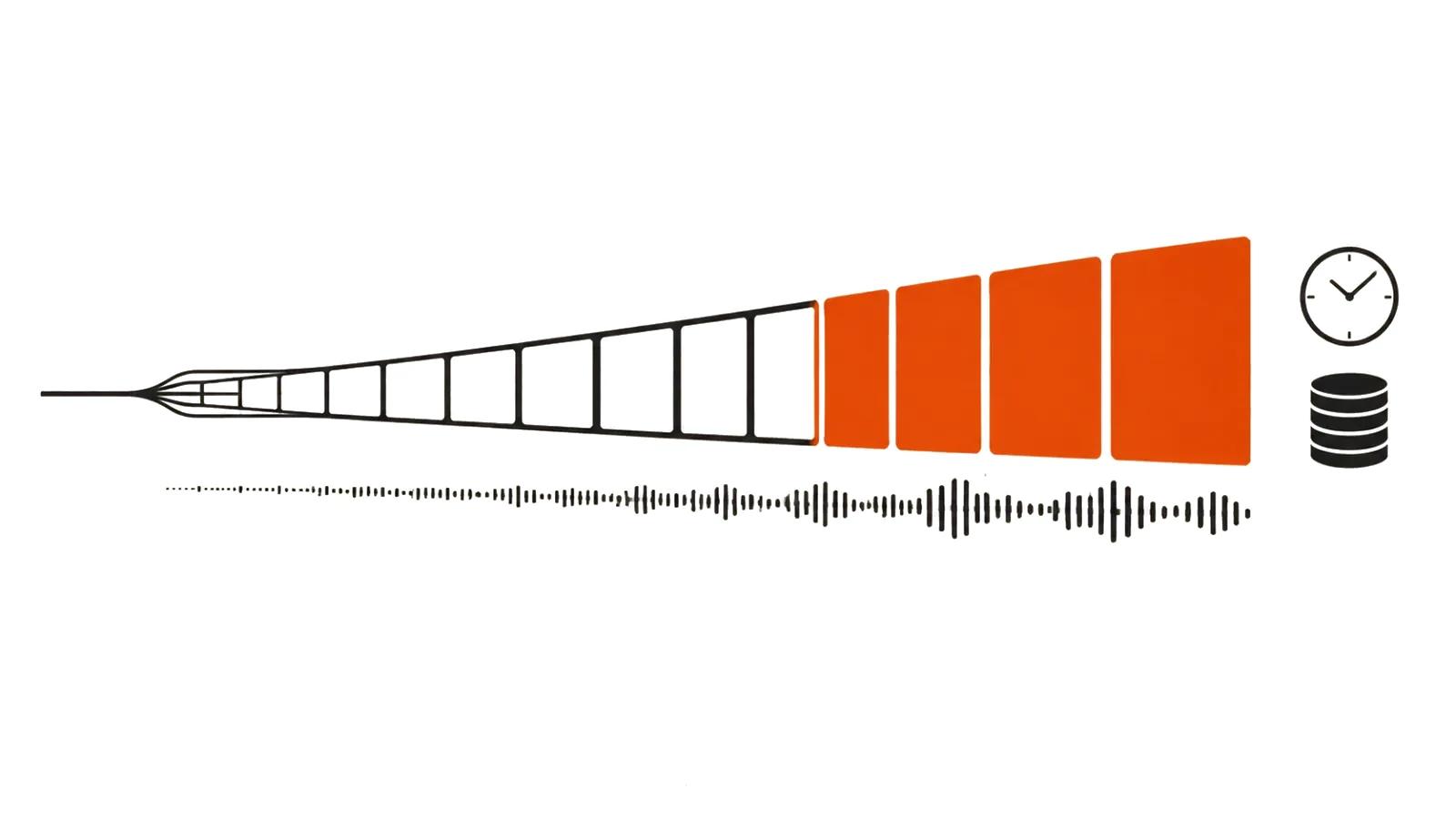
The bet is on process. One shot is cheap, models are everywhere, and the bottleneck is the same for everyone: turn twenty good clips into one video without losing the character. Genspark sells the assembly bench.
Some claims below describe what the company intends, others come from the QbitAI test, which also records the limits.
Who works the floor
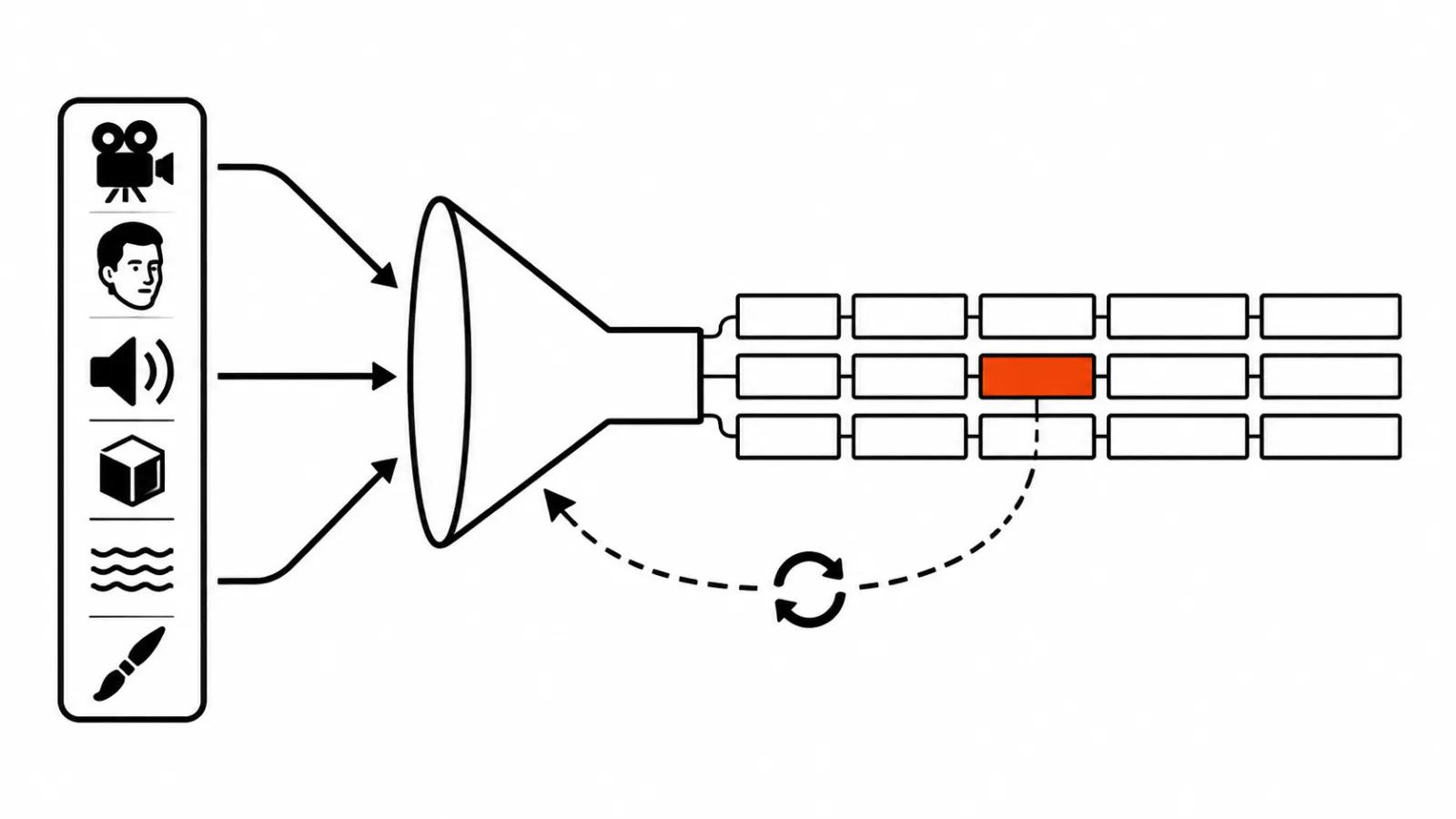
A language model acts as director: it reads the request, writes the script and hands tasks to the other models. Three directors are on tap: DeepSeek V4.1 Flash, the model 5.5 and the model 5.1.
Video comes from Seedance 2.5, Kling and Veo. Stills come from GPT Image and Nano Banana. Audio comes from ElevenLabs and other audio models, with MiniMax TTS used in one test. 3D generation is listed as well.
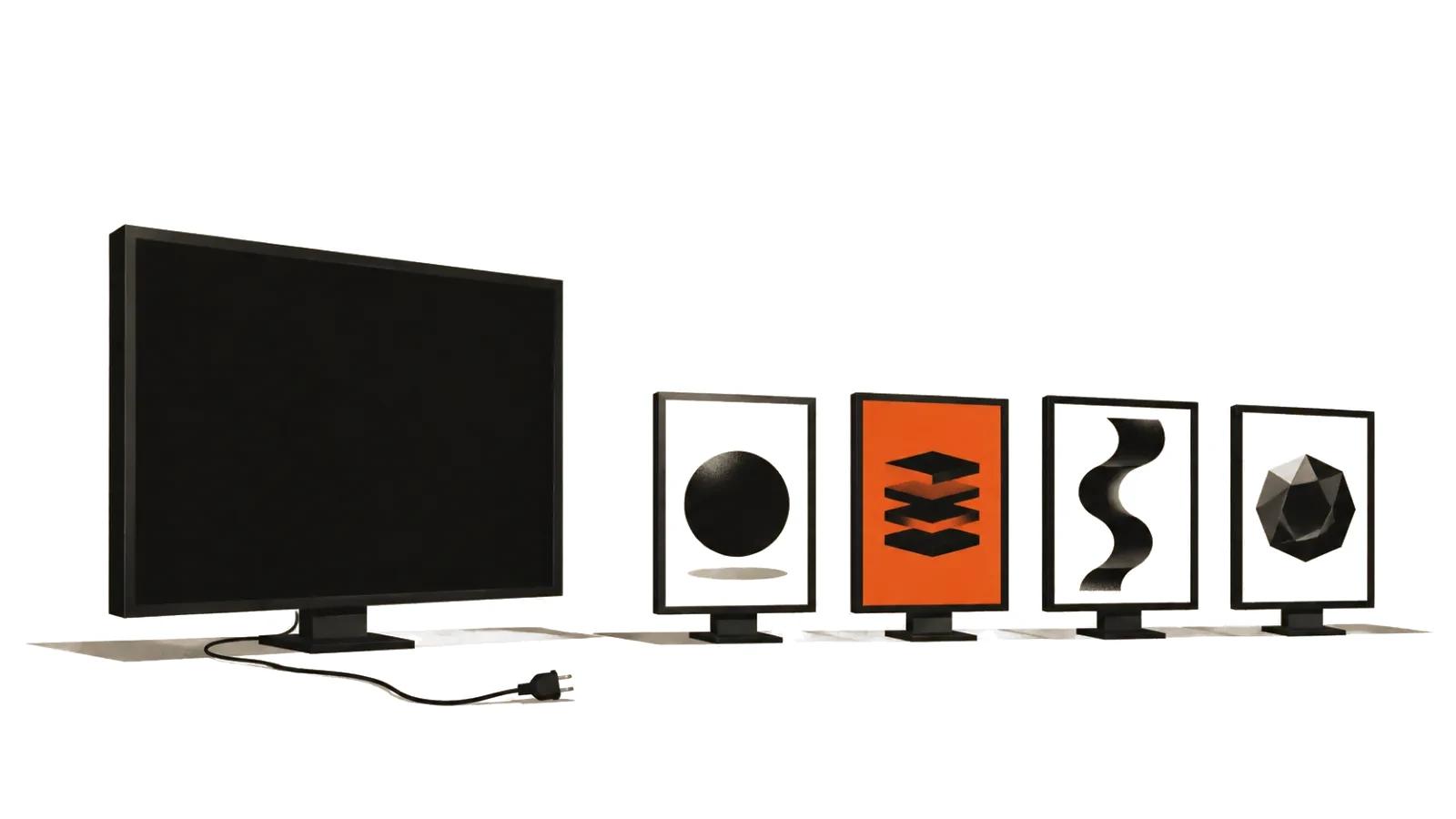
That answers the loudest complaint about generative video. One service wins on motion, another on faces, a third on on-screen text, and choosing used to be separate work on every project. The agent carries that choice, untested.
What the agent handles alone
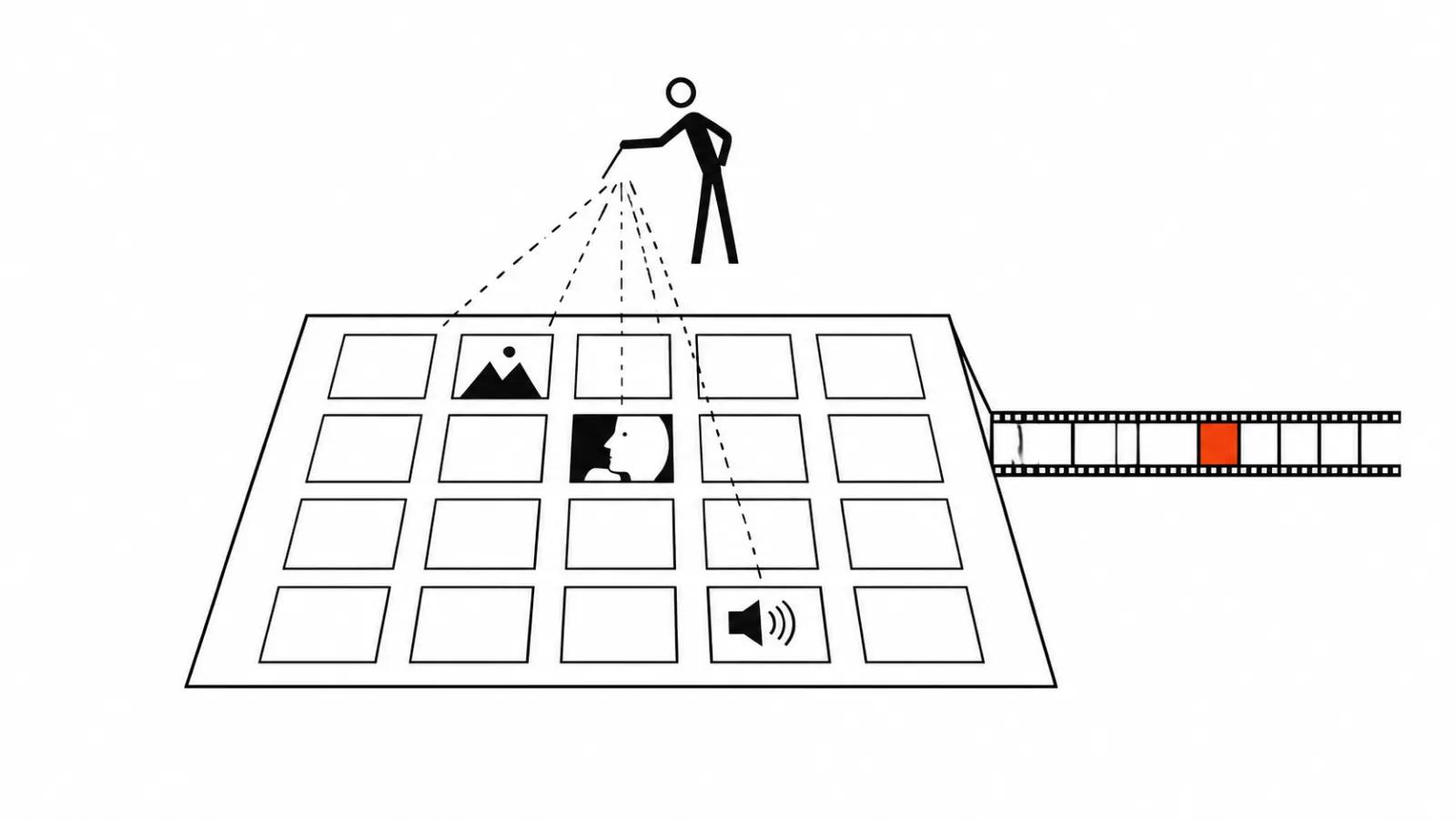
Workflows are packaged as skills: a commercial and a narrative short follow different ones, and the agent picks by task type. Character appearance and costumes live in a Story Bible as fixed reference assets that carry into the next project, which removes the worst pain of series work, where the hero changes face between episodes.
An automatic check compares clips against the script and settings, then sends failed shots back for a reshoot. Reshoots are targeted: mark a range on the timeline, describe the change in words, and the company promises the original motion and camera position are kept, up to five segments per request, each at least four seconds.
Frame edit works on video up to 30 seconds, where an object can be replaced or removed. Code-to-video in the Knowledge Explainer skill renders from model-written code, and Genspark says the render costs no credits, while narration and a few atmosphere shots are billed. A 3D whitebox previs blocks out characters and camera angles before any video model is called. Export gives professional users a layer editor, a multi-track timeline, and output to PSD, Premiere projects and CapCut drafts.
What the QbitAI test found
The best part of the test is the rap video. The tester uploaded photos of two real people into a template. The video model refused real-person photos and Genspark raised a copyright check. After a semi-realistic style was chosen, the agent called Seedance 2.5.
The page promised 8 to 14 minutes, the tester felt two or three. The first version arrived without a backing track, so the tester generated an original rap instrumental through ElevenLabs and ran a lip sync.
That is agent work in practice. The pipeline reaches a finished file, and at every hinge a human makes a call: get around the block, pick the style, add the missing sound.
Where the pipeline breaks
QbitAI lists the limits plainly: audio and video drift out of sync, frames get skipped, continuity breaks, and version approval turns into friction.
The first three are ordinary diseases of generating piece by piece. Every clip runs on its own logic, and lighting, expression and motion slide at the seams. The automatic check catches a mismatch with the script, while a tiny jump at a cut is something a script never describes.
The fourth matters more. Version approval costs review hours as much as renders. Five options and none fits means paying in credits and attention. The test notes some iterations went into sharper wording while the picture needed fixing.
Credits as the real pitch
Three choices exist to save credits: the 480p draft stage, whitebox previs, and code-to-video. All three catch problems before an expensive full-resolution render starts.
On paper that is right. Blocking out a frame with placeholders burns fewer attempts, and a full-resolution shot costs several times what a previs does.
Then the awkward part. From 18:00 Beijing time on October 27 to 18:00 on November 4, Plus and Pro members spend half the usual credits, and the discount covers planning, images, video, audio and 3D. The price of a credit outside the promotion is not disclosed.
Without that number you cannot build a budget or weigh a finished minute against human work. A launch discount looks like a way to keep unit economics off the table, which is my reading.
What it means for teams shipping volume
The value sits in the shared timeline and the Story Bible: the first removes file shuffling between services, the second offers a consistent hero across a series that keeps switching models.
A practical route: use an AI video production workflow for drafts, get ten takes of a scene at 480p, pick one, take only that to final quality. You learn whether the agent holds up under short-form video at scale: twenty scenes, one character, three platforms.
The same canvas makes video versioning easy, since variants multiply in batches, and that is why feeds fill with near-identical clips. It speeds up preparation for handcrafted AI videos with a real performer, while performance, lighting and cutting rhythm stay human.
My take
Media Studio sells the organisation of work around models, which deserves attention, because assembly eats weeks and generation no longer does.
I would start with one project and three numbers: clarifications before a usable draft, reshoots per minute of final footage, and how many of those a person would have done in the same time.
If the agent loses on the third, the canvas stays a handsome demo. If it wins, teams finally have a reason to pay for credits once the promotion ends.