What Vidu launched on Reactor on November 2
Vidu published the Reactor partnership on November 2, and S2-Avatar sits on the platform from day one. Vidu's own API is open as well, so there are two ways in.
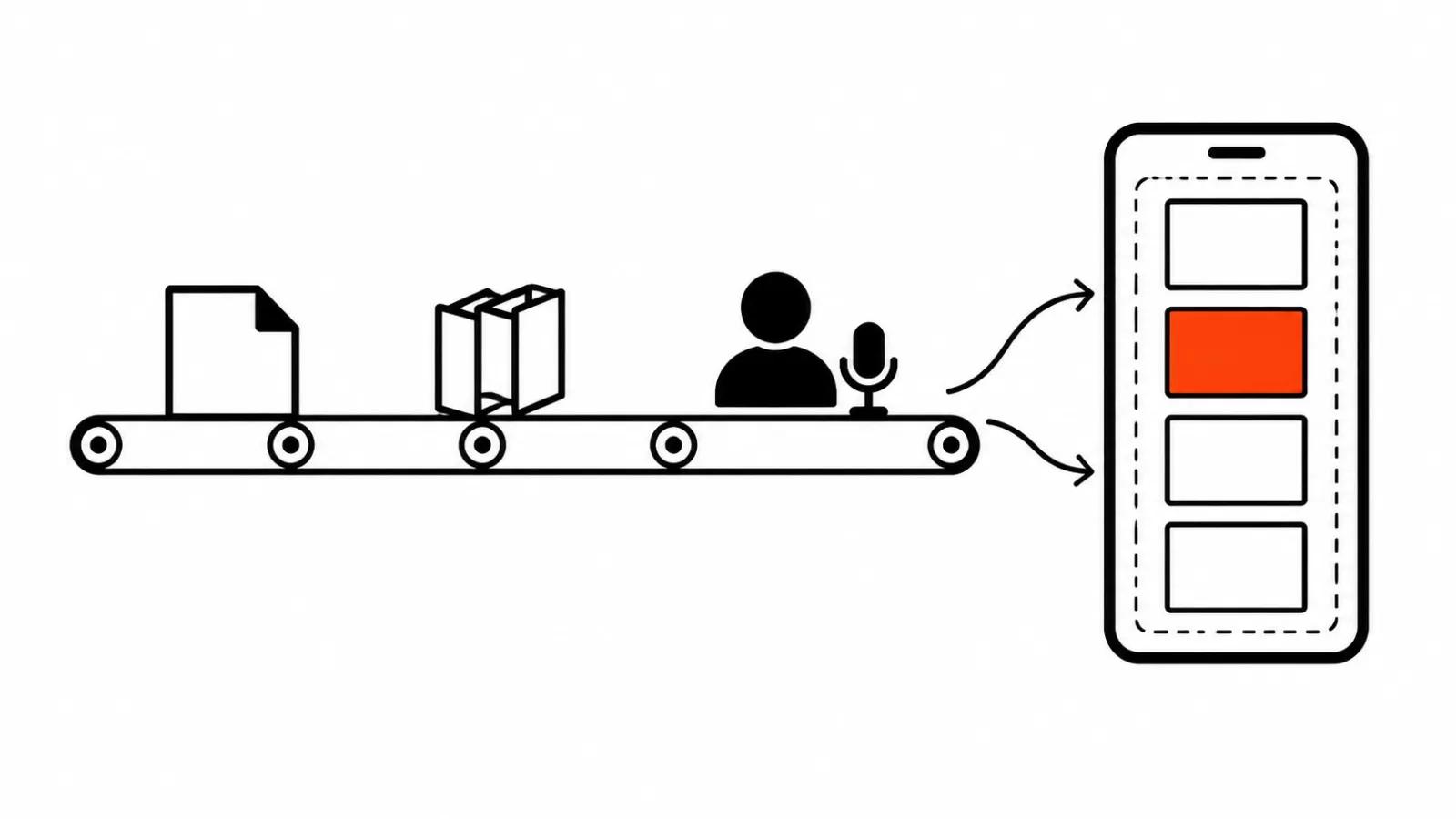
Reactor is a developer platform built around real-time generative media and world models: sandboxes, APIs, live sessions. The workflow is short. Build the character in a sandbox, test how it holds a conversation, then embed it in your product through the API.
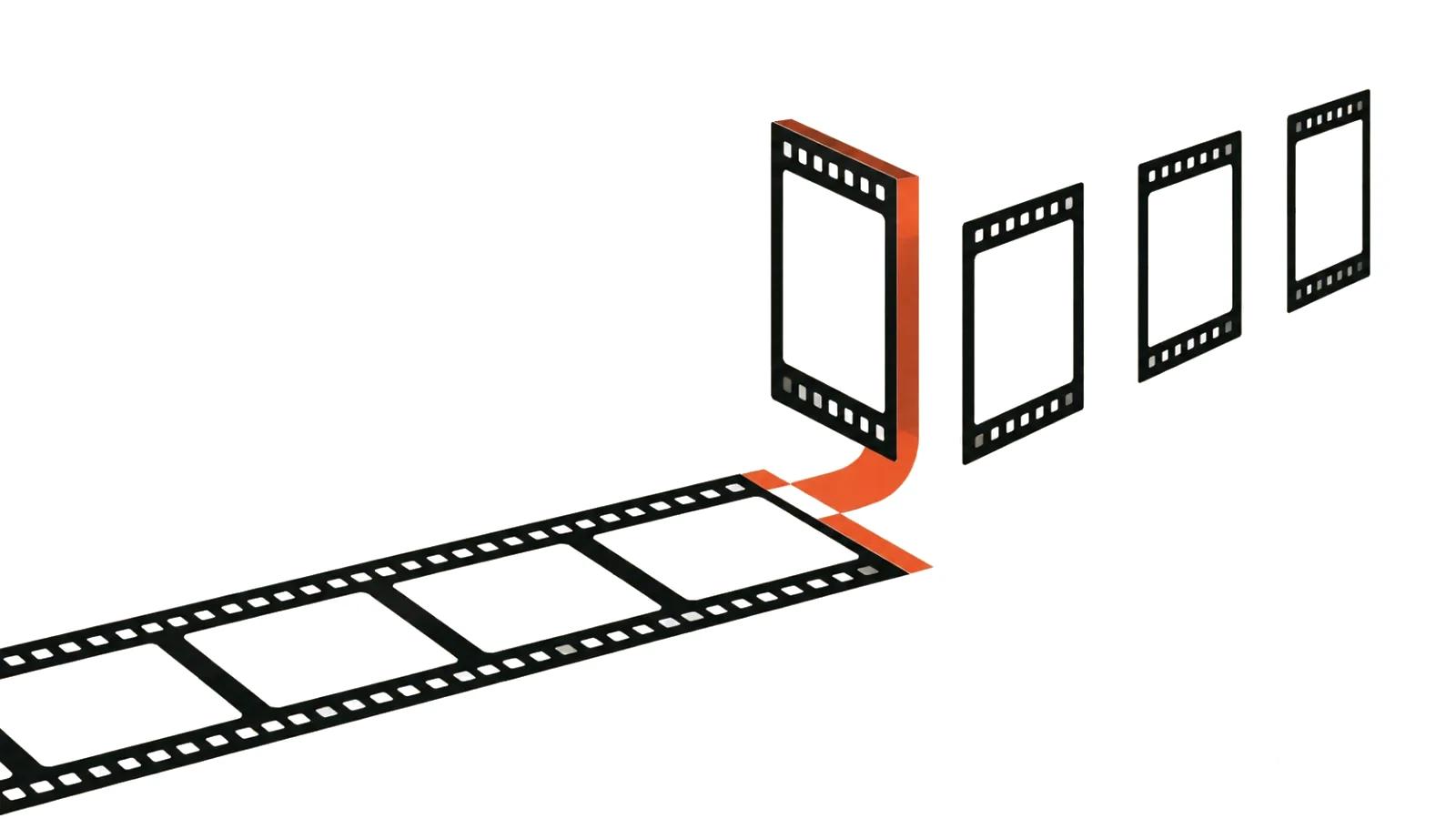
For the avatar market this is a real shift. Almost every tool so far promised a clip: an image, a script, a finished file. This one sells a session where the next answer depends on what the person on the other side does.
An AI avatar from one photo: what happens in a call
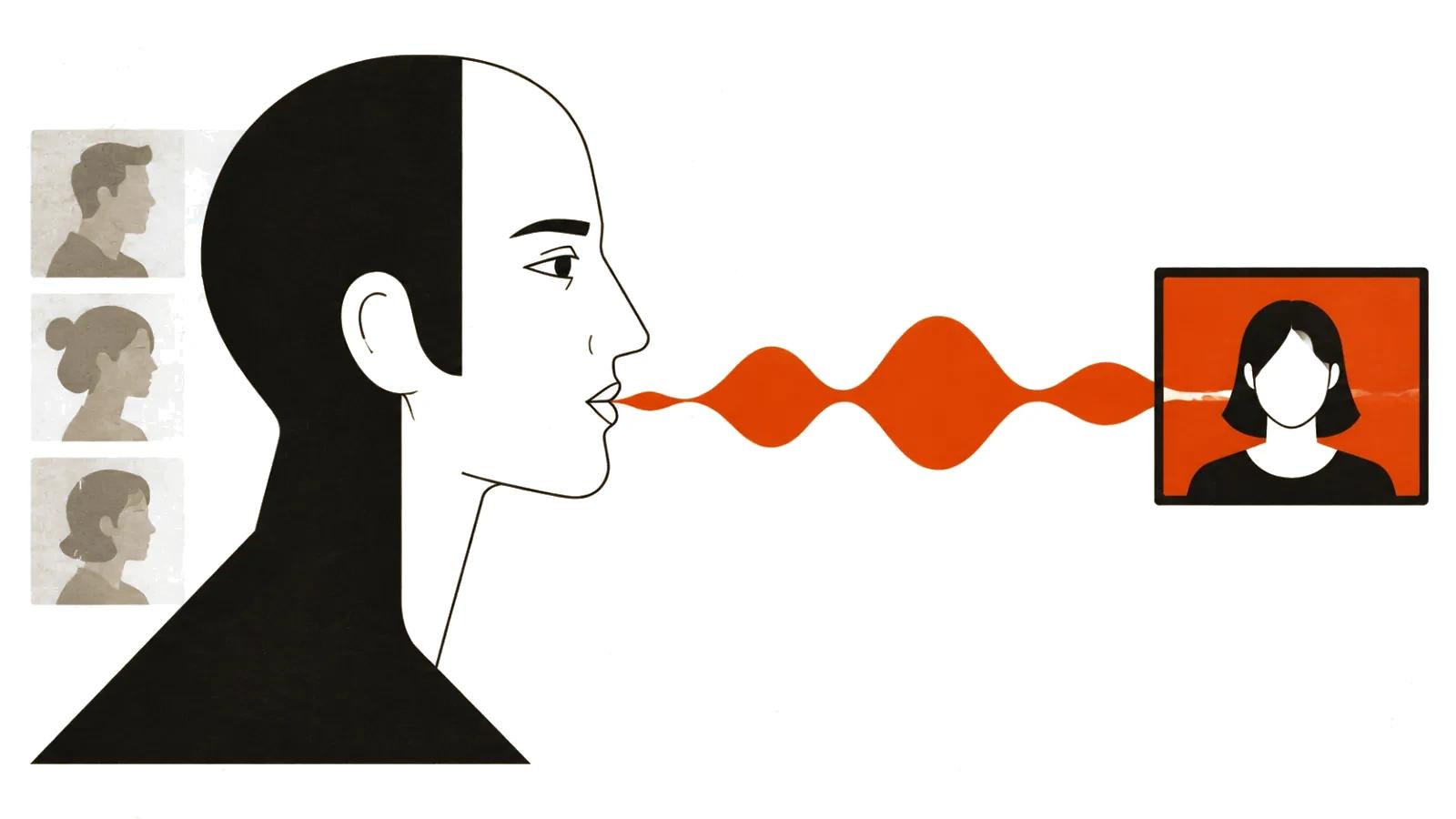
The character is built from a single photo. You define the image and the persona, which sets the role and the manner, then pick a voice and start talking.
Input comes from the microphone. The character listens and answers with voice and lip-synced video. There is no separate recording step and no editing pass, since the reply is assembled while the person speaks.
In video mode the character also receives the user's webcam feed. That turns the call into a conversation with visual context, and a reply can lean on what somebody holds up to the camera.
One detail saves real time. A character can be reused across calls, so there is no need to upload the photo again. For a series of demos that matters more than it sounds, because every rebuild from scratch eats minutes.
An interactive character you can interrupt
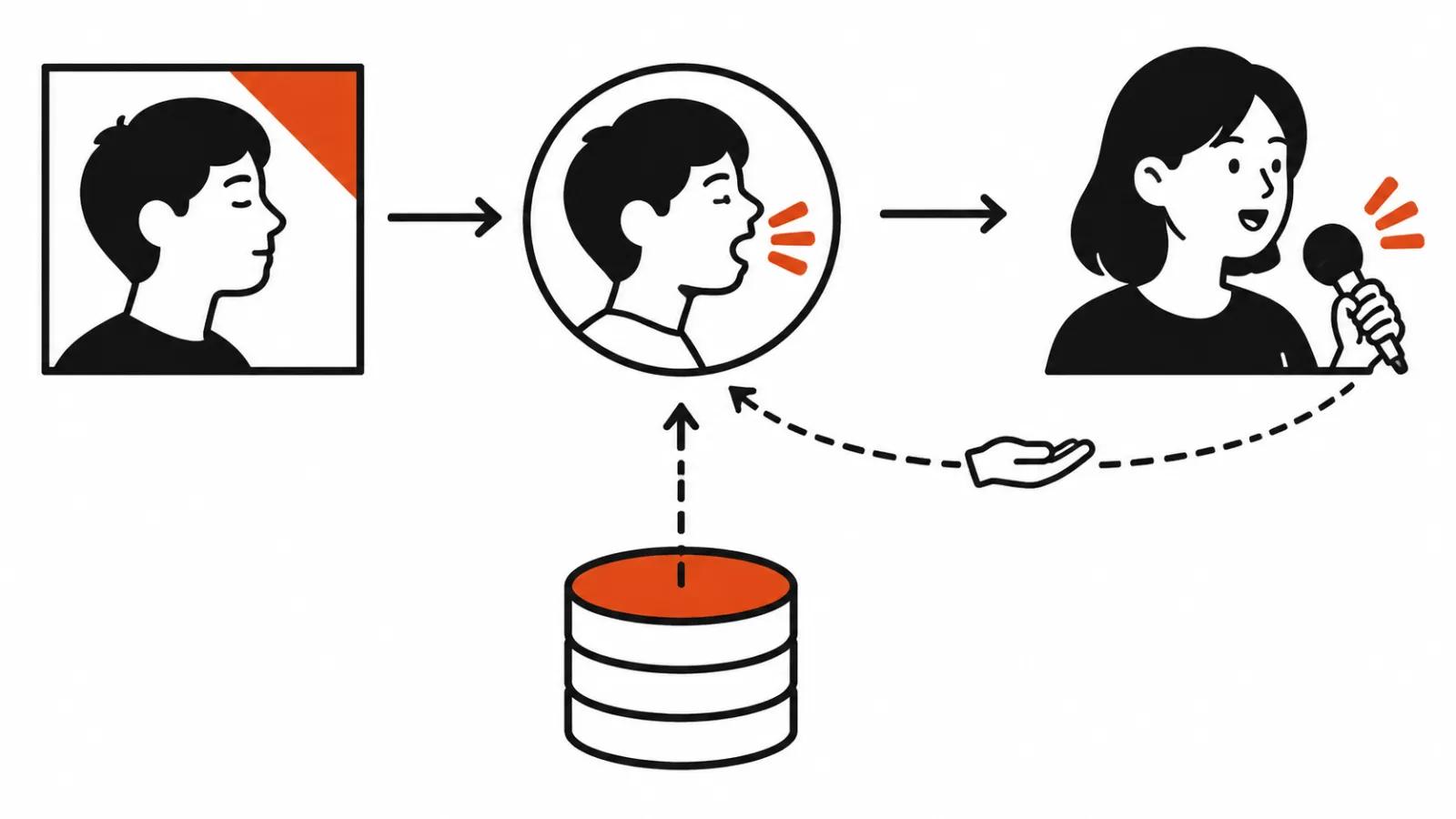
Interruption works. Typed instructions work too, which helps when the room is loud or speaking out loud is awkward.
That looks like a small feature and is the line between a conversation and a player. A recorded clip keeps running whatever the viewer says. A live host hears that it was cut off and picks the thread back up.
Vidu is explicit about where its responsibility ends. Logic, accuracy of information and safeguards against unwanted topics sit with the developer. The model supplies a face, a voice and a mouth, while the knowledge and the rules come from whoever embeds it.
That is more than a disclaimer. The character answers in the voice it was given and from the base connected to it. An empty base means empty answers delivered with a very confident face.
Virtual hosts, games and onboarding: the scenarios Vidu names
Vidu lists virtual hosts and characters the audience can steer, interactive stories, AI companions, NPCs in games, training, onboarding and customer service.
The list is broad and the value varies. In games and interactive stories the point is reacting to a player, and half a second of latency is already noticeable. In onboarding and support something else matters: the answer has to match the policy document.
A live character at the front door works as a guide. A new hire asks where to get access and how to file a request, hears the answer in the company's own voice and skips the search through a wiki.
A virtual host on a livestream solves a different problem. If the developer wires in the chat, the audience drops questions and the character answers them out loud and keeps the pace, which a recorded studio cannot do at all.
What the announcement leaves out
Vidu named no price. It gave no latency figure and no language list. There were no independent tests of lip sync or response speed at publication, so quality can only be judged from the company's own demos.
For budgeting that means one thing. The estimate comes after a trial call, because the announcement carries no rate per minute of conversation.
Comparing a live character with a recorded avatar service is premature for the same reason. Recording is sold in minutes and subscriptions, conversation is sold in sessions, and without a session price the choice stays a matter of taste.
My take: where a live character pays for itself
My position is simple. The avatar stops being a clip shot from a script and becomes an interlocutor, and that changes the genre.
For a business I would look at two spots. The first is onboarding and an internal FAQ, where the same questions arrive by the hundred and spending a human on them is waste. The second is first-line support, provided a knowledge base with verified answers sits next to it.
The limit sits in the same place. Without a reliable knowledge base a live character confidently says nonsense, and that mistake costs more than a bad clip, since a clip gets reshot while a ruined conversation has already happened.
When the job is a person delivering the company's text on camera, AI avatar production covers it end to end: the frame, the voice and the edit without a shoot day. When the avatar is one element inside a scene, AI video production built from a script is the fit.
Two more reads on the same subject. Our breakdown of the real-time talking avatar shows the idea running on your own hardware with sub-second latency, and the AI avatar services overview compares subscriptions and minute limits.
For practice: a trial call is worth doing now, and building a customer journey on a live character is early while there is no price and no latency measurement.