What video production actually is
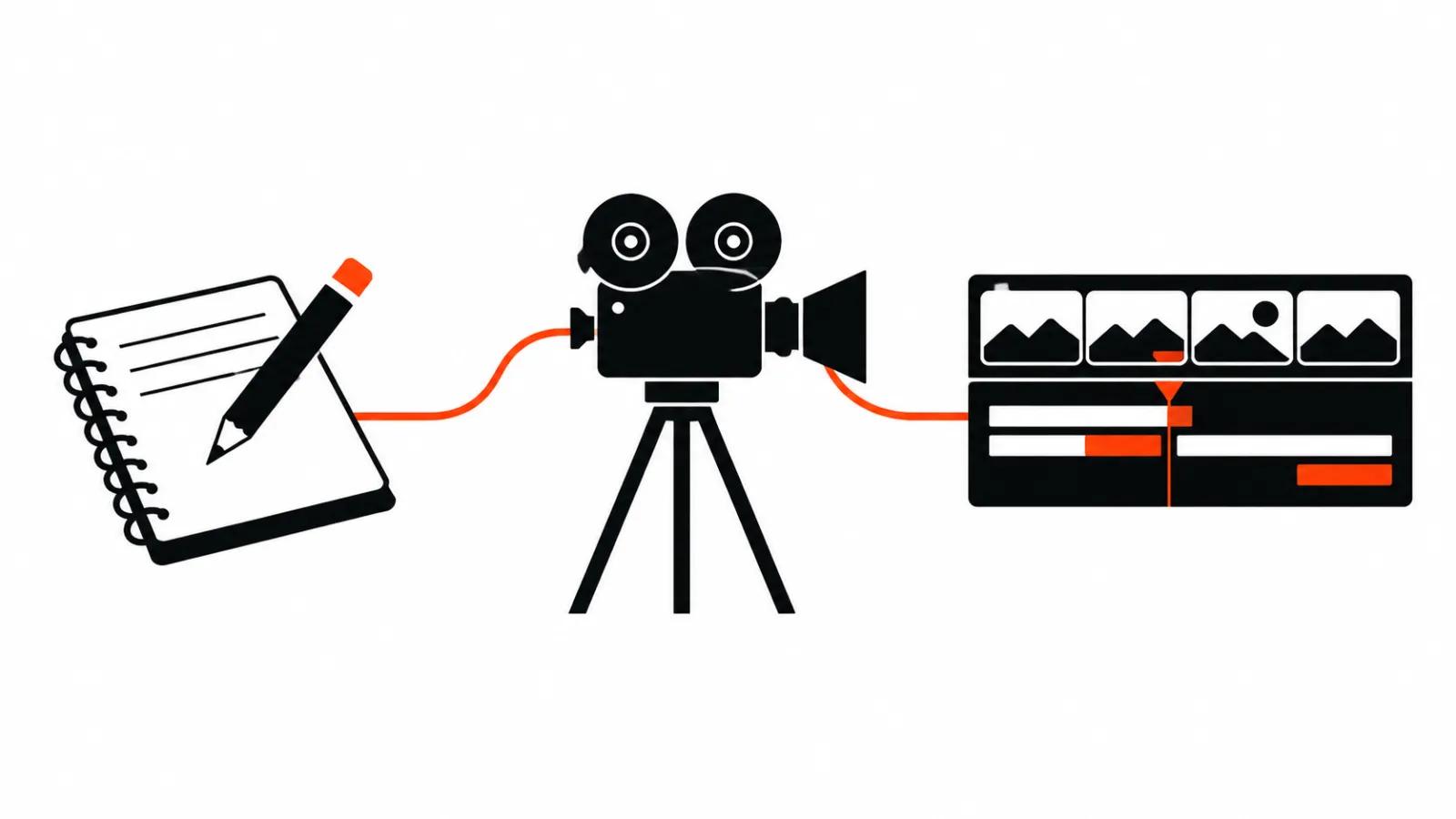
Video production is the organisation of work around a video. Three stages sit inside it: pre-production, production, post-production. Each stage ends with a document or a file that the client signs off.
Pre-production covers the goal, the audience, the idea, the script, the storyboard, the shooting plan, the cast and the locations. Production covers the shoot itself, the light, the sound, the takes. Post covers editing, colour, sound, graphics, captions and versions for each platform.
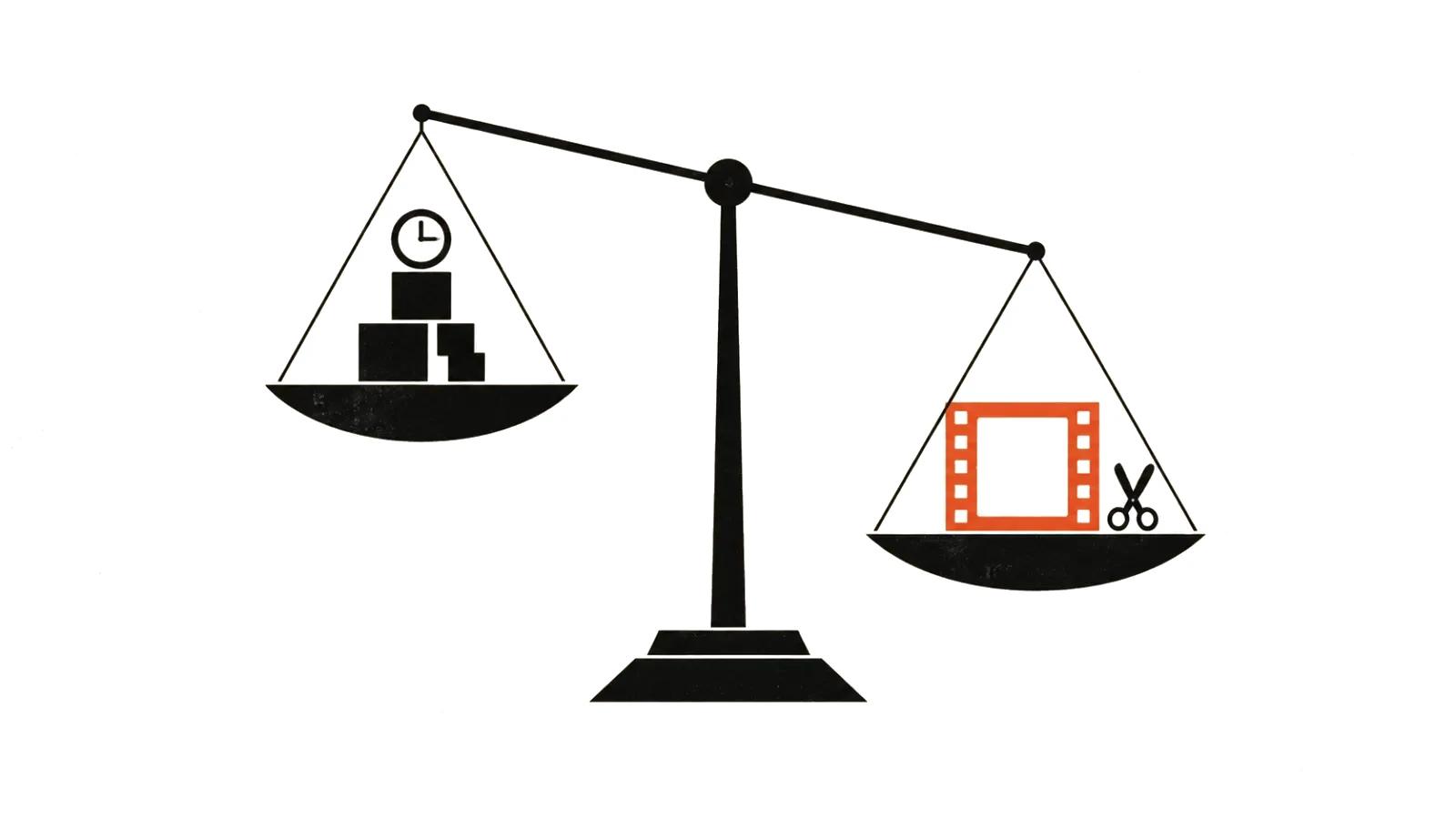
Put simply, video production translates a business goal into a sequence of shots. Everything else, gear, light, editing, serves that translation.
Pre-production decides the fate of the video
This is where the script appears. A good script answers three questions: who is watching, what they understand in the first three seconds, what they do next.
Then comes the storyboard. Even a rough one on ten boxes saves a shooting day, because it exposes holes. The narrator says "we work nationwide" and nothing in the frame supports it.
The shooting plan fixes the order of scenes, the time per location, and who owns the props. Without it, the crew spends half the shift moving lights.
Production: the part the client sees
The shoot is the most visible stage and the most misleading in terms of effort. A good frame depends on light and sound, and the price of the camera comes a distant third.
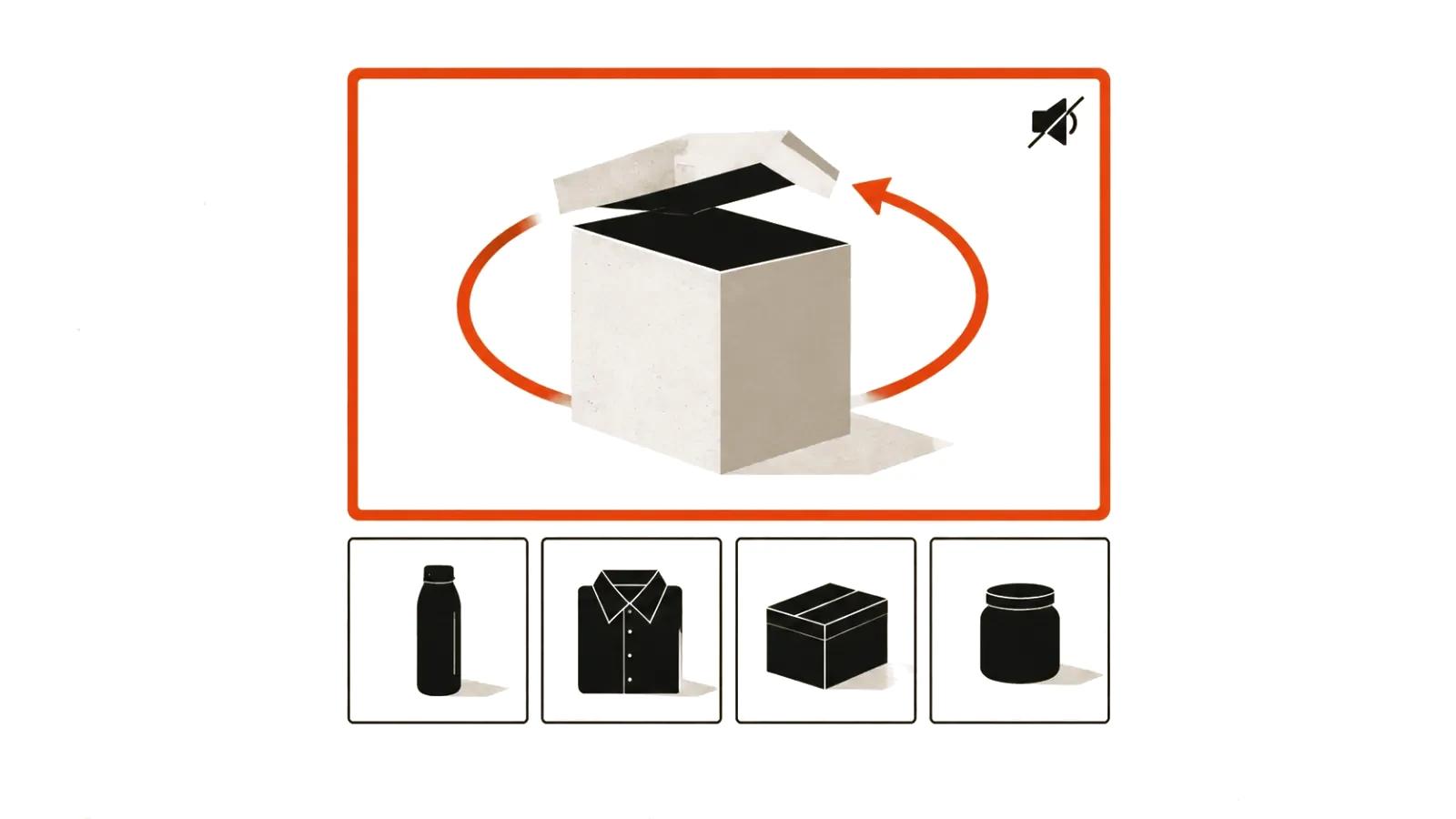
This is also where the format is chosen: a real set, animation, or generation. With AI video production the stage looks different, because a shooting day becomes a set of iterations, and every iteration costs review time.
The hybrid route is the most common. A real person is filmed on set, the background and the graphics are generated. It is cheaper than building a set and more honest than promising viewers something that does not exist.
Post-production: where a video becomes a video
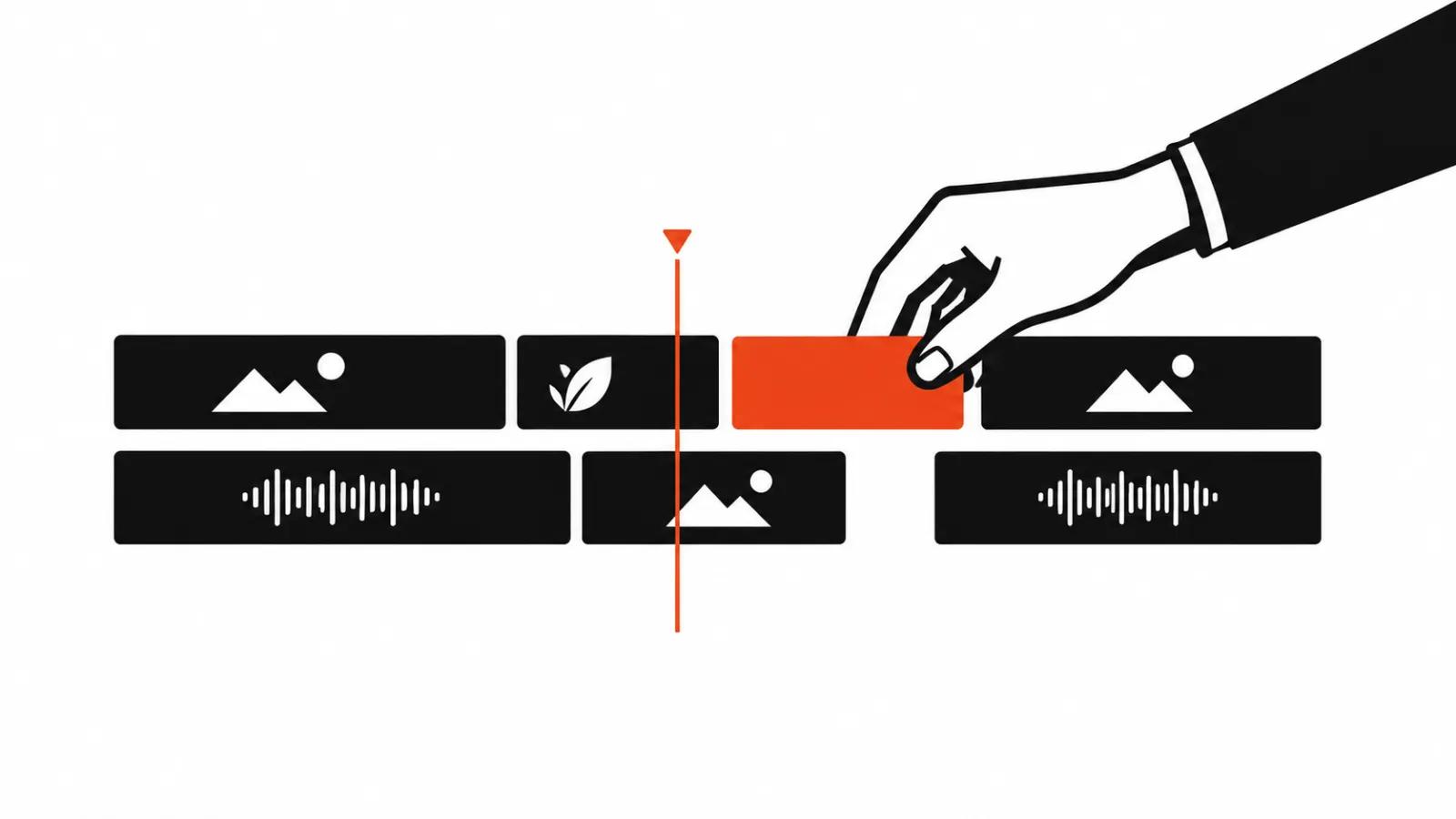
Editing builds the story. Colour sets the mood. Sound holds attention, and sound is where budgets get cut first.
Graphics and captions explain what the words leave out. Platform versions come from one master: landscape for the site, vertical for the feed, a short cut for ads.
This is the stage where AI already does real work: cleaning audio, writing captions, cutting on silence, removing the dead air. The decision about which version is right stays with a person.
Who is on the crew
The minimum crew for a corporate video: producer, director, camera operator, sound recordist, editor. Then a writer, an art director, a colourist and a composer join as the project grows.
The producer owns the budget and the schedule. The director owns the meaning. The operator owns the image. The sound recordist makes sure the speech is audible. The editor owns the rhythm.
In a small studio these roles overlap. The risk is obvious: when one person owns everything, they optimise for what they do best, and whatever they do worst suffers.
Full-service video production
Full-service video production means one vendor covers all three stages and answers for the result. The client receives finished files and does not assemble a team of five freelancers.
That format has a price. It costs more than the modular route, and it removes coordination from the client's plate. The modular route is cheaper and needs someone in-house who holds the task.
For a business the choice usually comes down to volume. One video a year is easier to hand over whole. A monthly stream of videos needs a producer on the client side, or the schedule starts to slip.
Corporate work is almost always about repeatability: not one beautiful film, but a series that shows what the company does and how it changes.
Where AI removes stages
First: drafts. A script from a brief, headline options, a quick storyboard. A person edits all of it, and the start is faster.
Second: voice and captions. Speech synthesis covers internal versions and rough cuts, and captions take minutes.
Third: backgrounds and graphics. A set rental turns into ten background options and a choice.
Fourth: versions. Vertical cuts from the master, video versioning for different markets, short-form video at scale for the feed. The savings here are the most visible.
Now the limit. A model does not know your goal. It does not understand that the video is for a tender and will not work in a social feed. Or that "we are reliable" sounds weaker here than a number about delivery times.
It also does not answer for accuracy. A model will confidently draw a factory floor that does not exist and a document that was never issued. A person still checks every frame.
The third limit is people. Consent to film, music rights, logo rights. That is not technical work, and generation does not remove it.
Budget and schedule without illusions
Handcrafted videos start at $394 per video, including a script, a shoot, an edit, titles and sound, with about a week of turnaround for a piece up to ninety seconds. YouTube channel management runs monthly and covers a visual standard across episodes.
What pushes a budget up: multiple locations, actors, complex makeup, hand-made graphics, many versions. What pulls it down: one speaker, one location, simple editing, a ready script from the client.
If someone promises full service in three days with no revisions, ask what is included. In that window you usually get an assembly from footage you already own.