What Adobe and Disney announced
On 9 November 2026, the day before Adobe MAX in Miami Beach, the two companies announced a multi-year strategic alliance. Adobe is now the Official AI Innovation Partner of The Walt Disney Company. The wording reads like a line from a press kit, and the substance is easy to miss: Disney gained access to model production. A licence for a ready-made generator is a deal of another order.
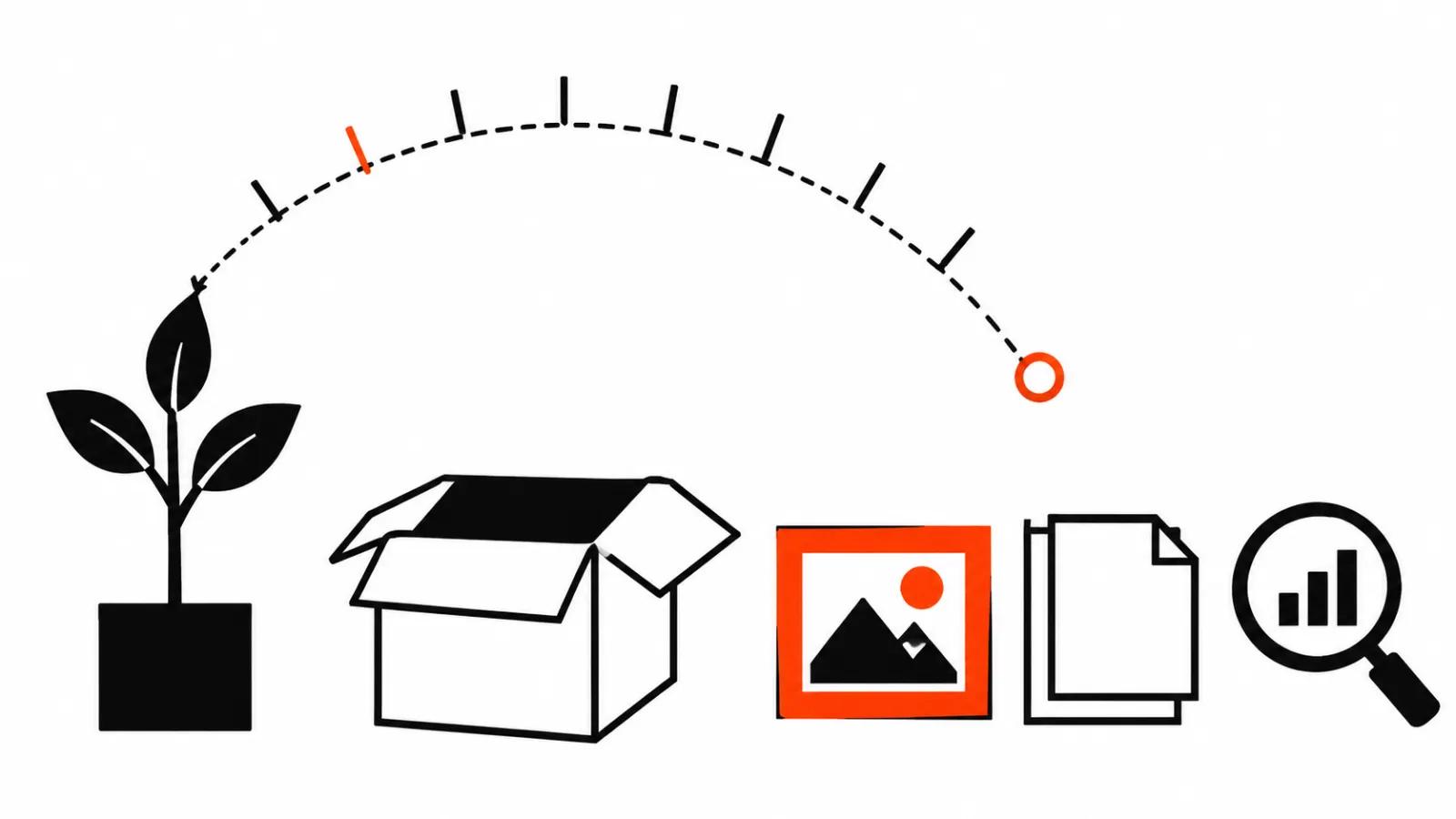
On Adobe's side the deal includes early access to Firefly and to Firefly Foundry, plus Premiere and Photoshop, plus dedicated engineers and researchers assigned to Disney production. That is a team inside the studio. A corporate subscription sits nowhere near this.
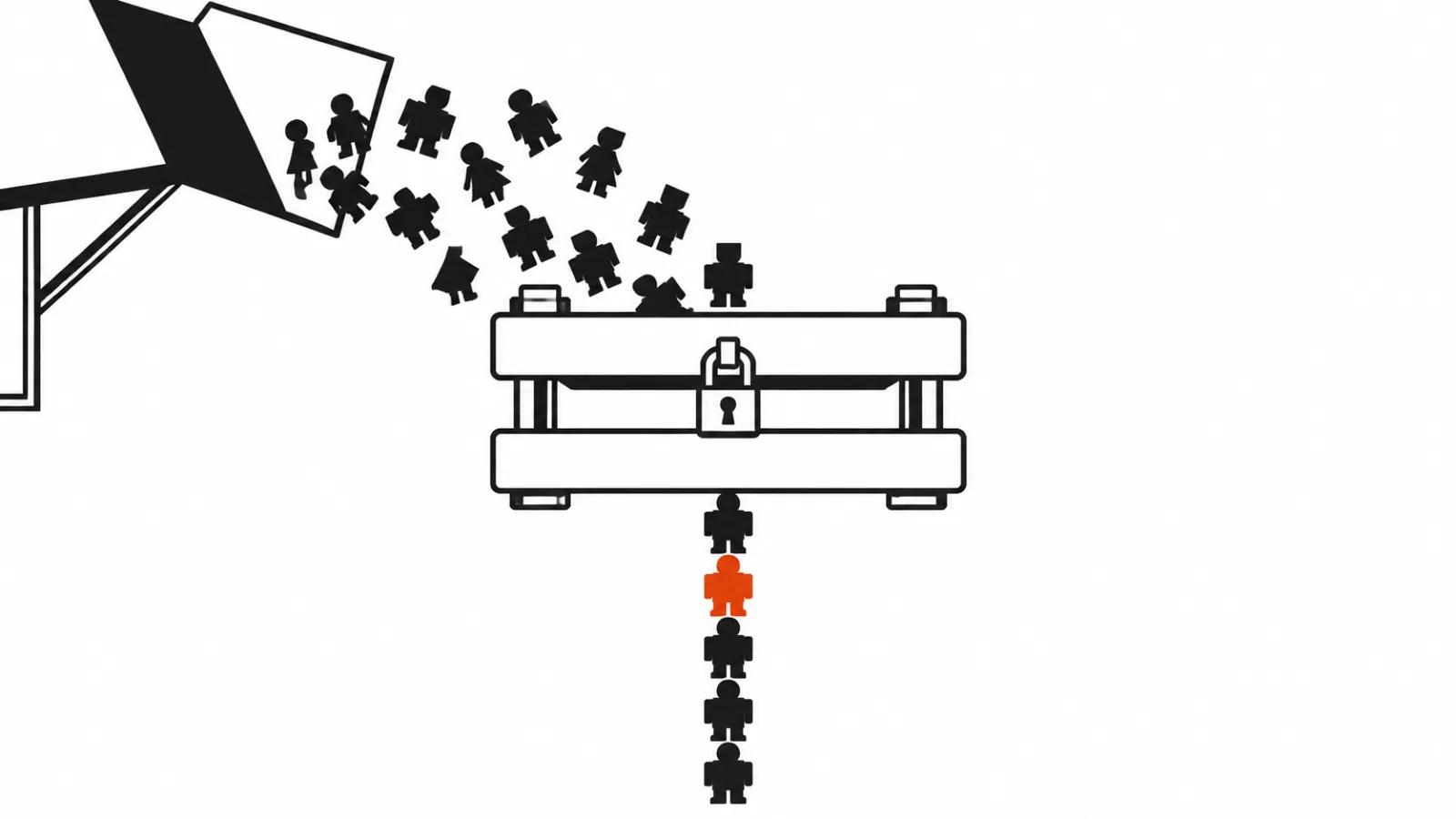
Firefly Foundry: a model trained on one character
Through Foundry, Disney and Adobe build generative models for the company's franchises. Training draws on knowledge of the characters, the environments and the visual styles. The release says the models are commercially safe and production ready, and calls the approach human-centered and artist-led.
Three words in that paragraph carry the weight. Commercially safe means the output can ship into a product where legal risk is measured in money. Production ready means the model is pitched for a working pipeline. Demo footage for a keynote does not count here. Artist-led means a human artist stays inside the decision loop, and that is a real concession from a generative tool.
What Walt Disney Imagineering already runs
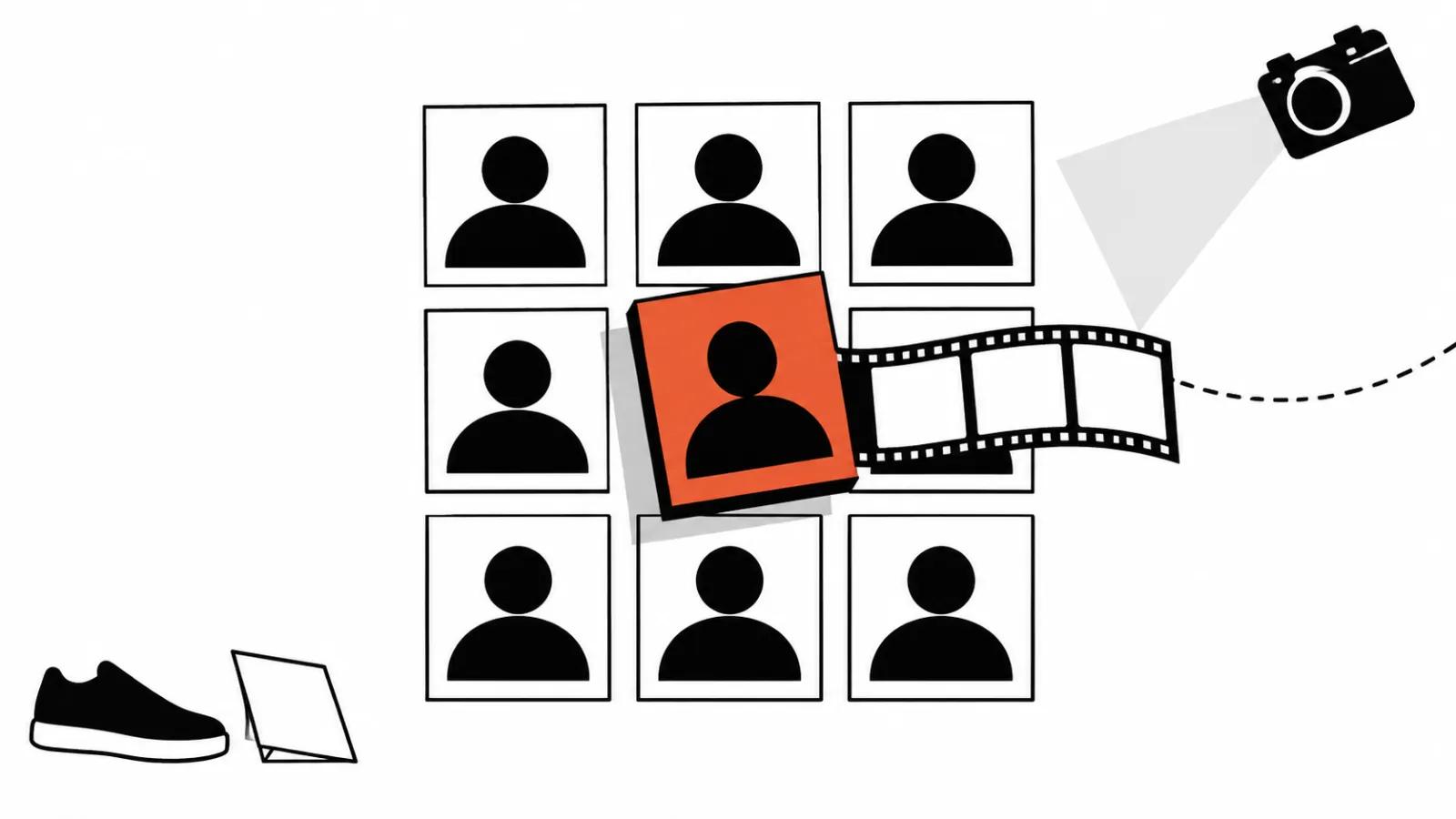
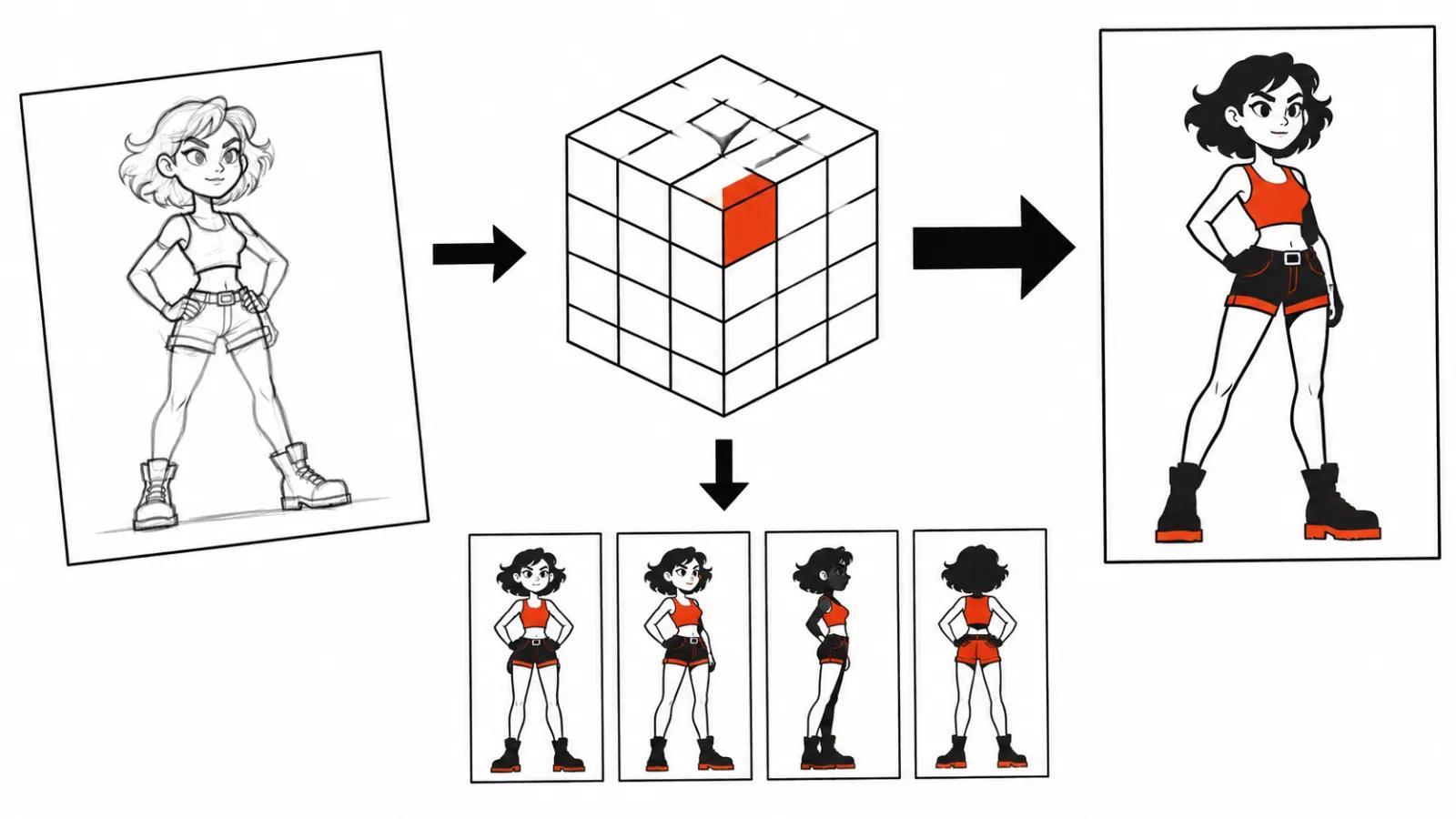
The R&D group inside Imagineering uses Foundry on live work. One model works as sketch-to-image: a hand drawing turns into finished 2D concept art. A second custom model produces assets in the look of a franchise.
Scale matters here. This is a tool inside the division that designs rides and park spaces, and it is already in use.
AI video ads hit the same wall
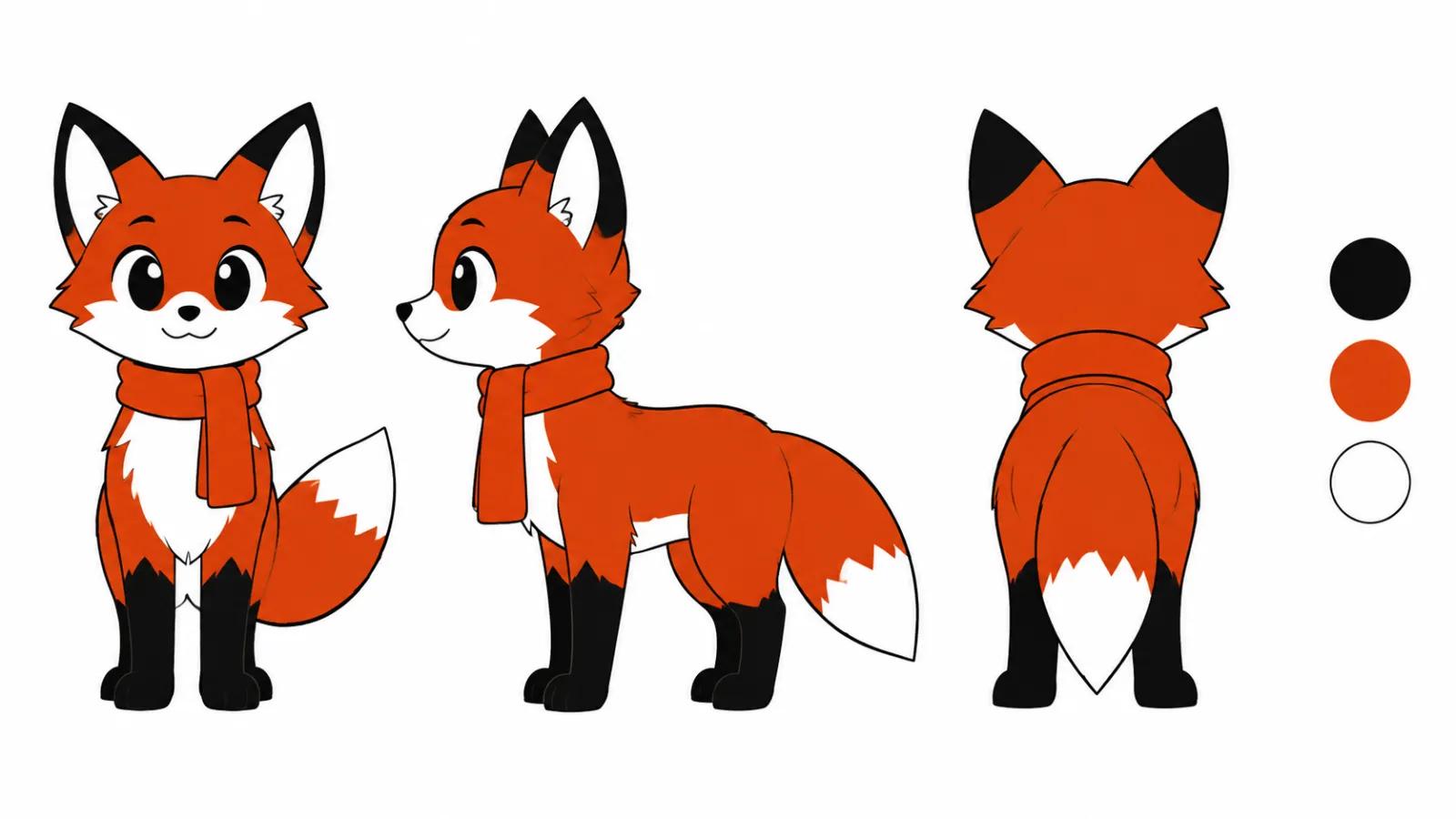
My position is simple. A large brand stops generating inside a shared model, and the reason is control. A general model knows a character roughly. A brand needs its own character, in its own light, with its own set of allowed poses and facial expressions. Once the hero lives across dozens of countries, years and formats, any drift from the generator turns into a reputation problem.
A private model fixes the canon in the weights. Instructions to a vendor can be broken. Weights cannot.
AI video ads: where the demo ends
An honest caveat. The announcement does not say whether Disney's models reach the final frame of a commercial or stay in concept. Concept work is confirmed: a sketch turned into 2D art, and franchise-styled assets. A final frame is a different step, with its own demands on frame-to-frame stability, rights and sign-off.
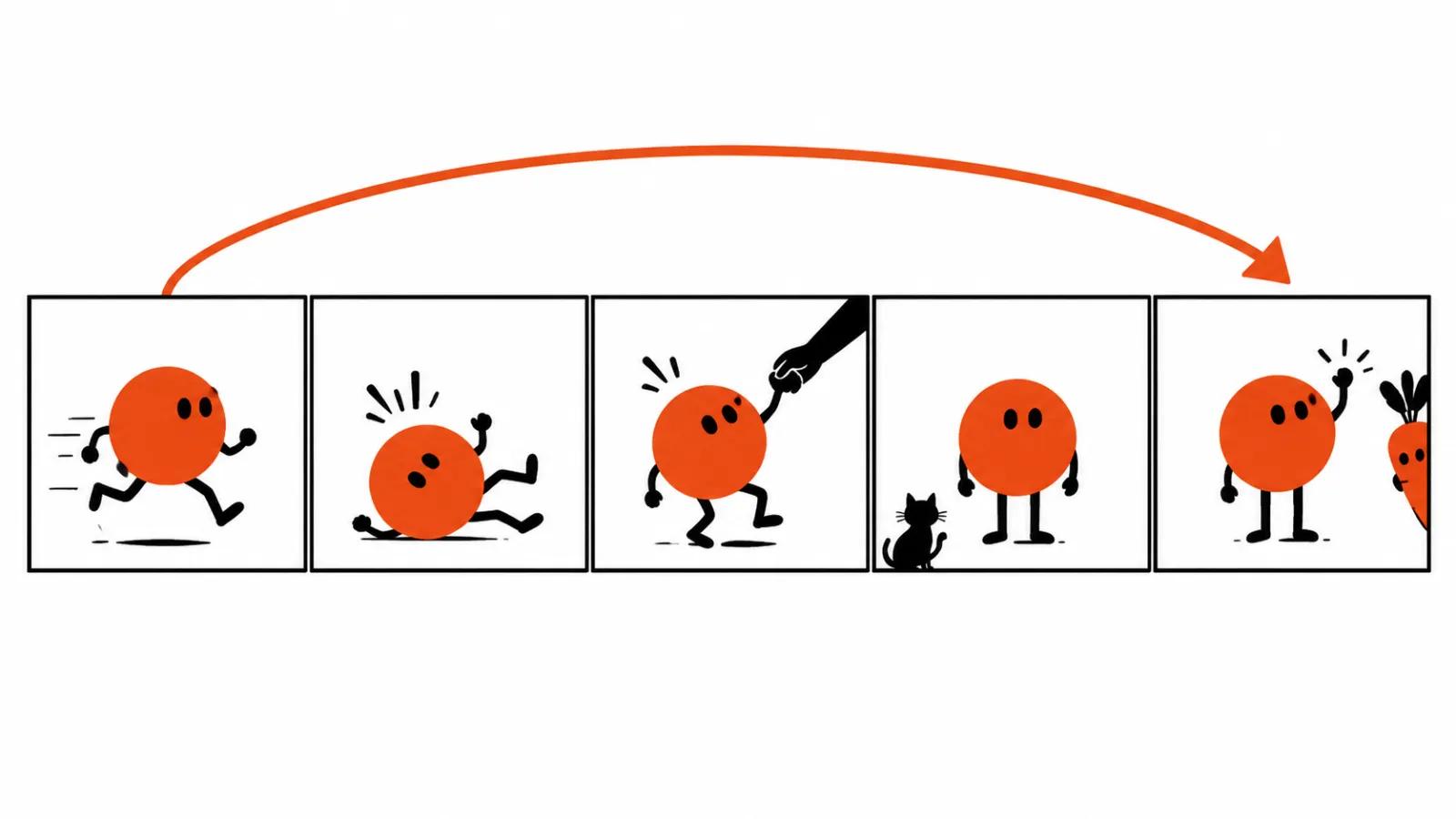
The guess I keep in mind: if Foundry does land in production, AI video ads stop being a conversation about one lucky shot and become a conversation about a character library you build a scene from. For agencies that is a different mental warehouse. For studios it is a different quote.
What a small business copies from this
None of my clients has a Disney budget, and the task looks similar: the hero has to look identical in episode one and episode twenty. A private model is out of reach. The cheap equivalent is manual, and it works. For every stream of videos we keep a character reference list and a style guide: frames with the face, the wardrobe, the light, the palette and a list of things to avoid. That list does most of what a lightly trained model does, and it stops the character from drifting between versions.
From there it plugs into the work. AI video production runs against that list, and every new scene is checked against it. Where the frame needs full control, handcrafted videos start at $190 and a person owns the character. Vertical ad production lives in series, and the reference list pays for itself fastest there, because the versions ship side by side.
If you want to touch the tooling first, we have a breakdown of free Firefly access for startups: same models, a different scale of access.
The MAX context and the missing price
Adobe MAX runs 10 to 12 November 2026 in Miami Beach, and the alliance landed with the conference. Firefly itself already hosts third-party models: Kling 3.0 and Kling 3.0 Omni arrived in April 2026, and per Adobe's own blog post of 15 April 2026 the set passed thirty models.
There is no price for Firefly Foundry in the announcement. That is normal for a deal of this shape: integration first, pricing later. A separate item in the release covers Adobe marketing across Walt Disney World and Disneyland parks, Disney Cruise Line, ESPN Edge and StudioLAB. That part is placement.
My take
The bet is clear. A brand with a character eventually hits the point where a shared model will not hold the canon, and it buys weights instead of a subscription.
A small business cannot sign that invoice, and it can still take the logic: a reference list and a style guide for the hero, then a series of videos, then a conversation about a private model. That order is what I take from the Disney announcement for now.