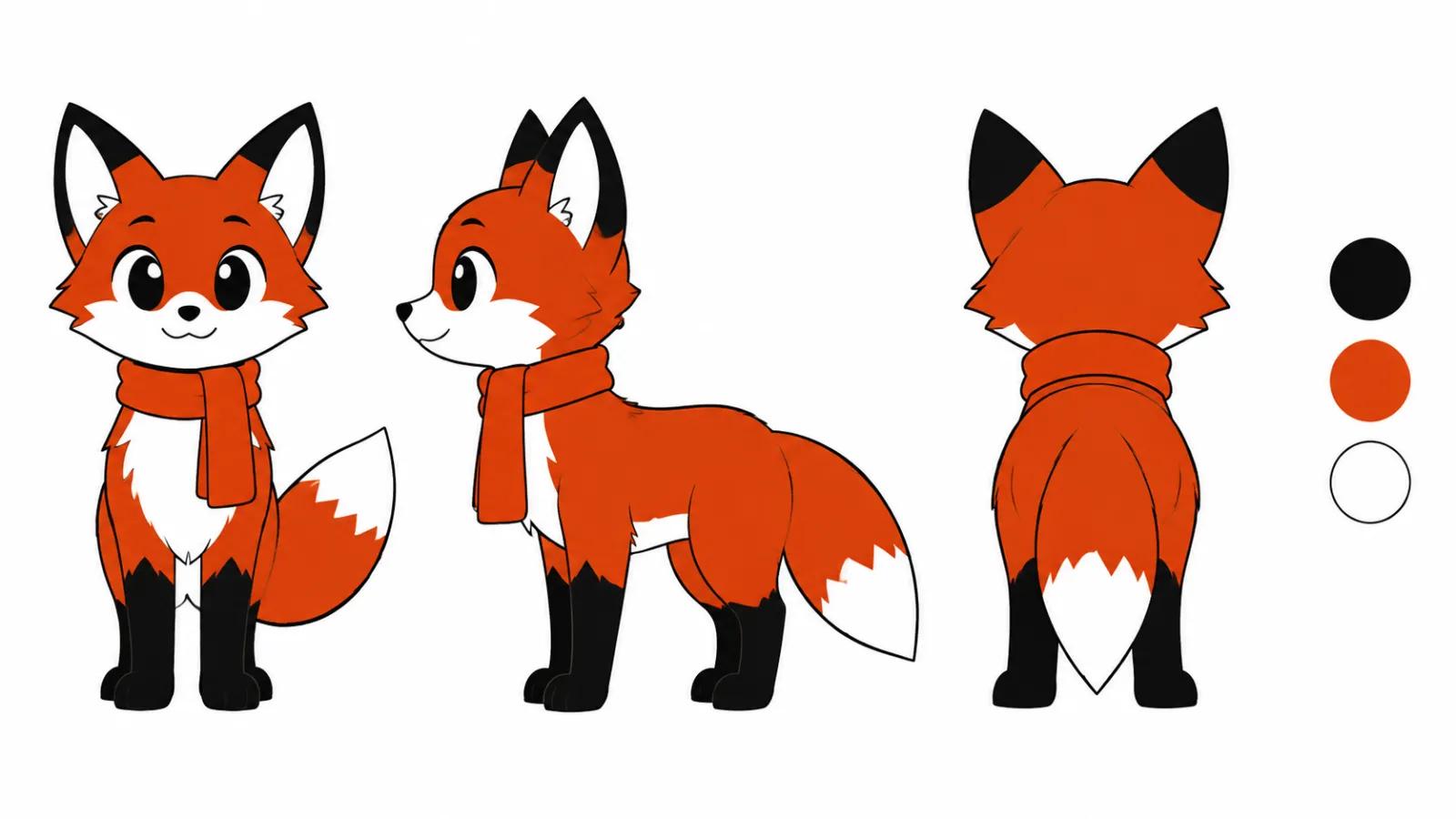
Why the face drifts
The model does not remember your last frame. Every generation starts from nothing: it reads the text and the image you supplied, then fills the rest from its own idea of an average face.
Three failures follow. The nose changes shape and the eyes sit differently. The age moves: twenty-five in one shot, forty in the next. The clothing changes because nobody described it.
The second source of drift is yours. You feed a different reference each day, a stock portrait on Monday and your own photo on Tuesday. The model follows the input faithfully, and the character changes with it.
The character sheet
A character sheet is a document that lets anyone on the team rebuild the same person. Seven items.
Age and build. Sex, height relative to the setting, posture.
Face. Shape, brow line, eye spacing, nose, lips, moles and scars. Anything that cannot be invented again.
Hair. Length, colour, parting, how it sits in motion.
Clothes. Two outfits at most, with exact colours. A third appears only as a story event.
Manner. How the person stands, where the hands rest, where the eyes go while talking.
Voice, if the character speaks. Pace, pitch, accent.
Bans. What never appears: a beard, glasses, heavy makeup.
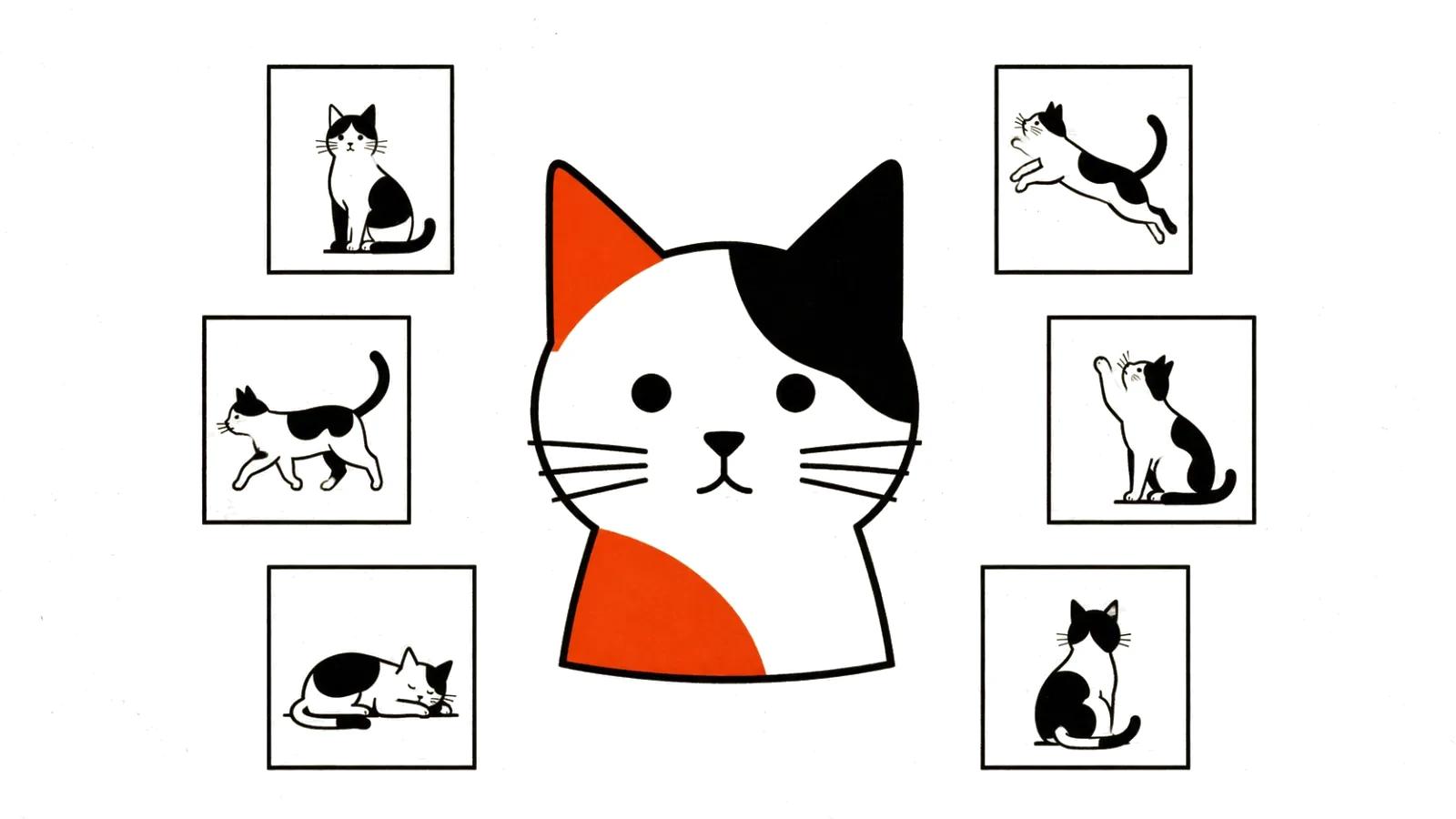
Attach three references to the sheet: a front portrait, a three-quarter view and a full body in the same light. That set is your canon.
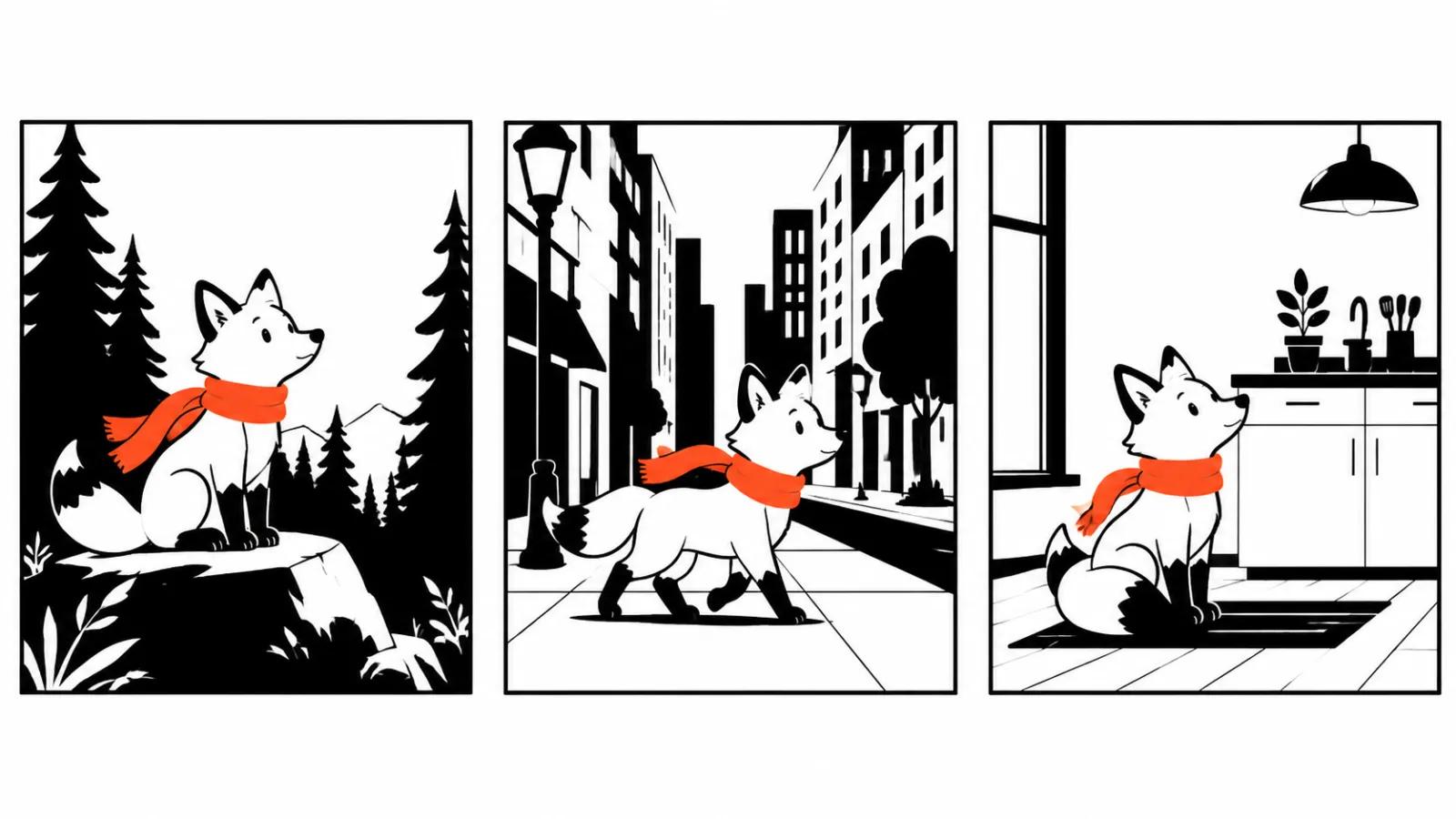
References inside the tools
Models have no real memory, so the industry works with workarounds, and they are worth knowing.
In Midjourney, Omni Reference moves a character into a new scene: one reference image, the --oref parameter, version 7, and the generation costs twice the usual GPU time. The limits are honest too: Vary Region, Pan and Zoom Out do not work on those images, and fast and draft modes are off.
Gemini Omni Flash claims character consistency as a model property and accepts up to three video references of up to three seconds each. That helps when you need a walk and a manner of moving, where a still portrait says nothing.
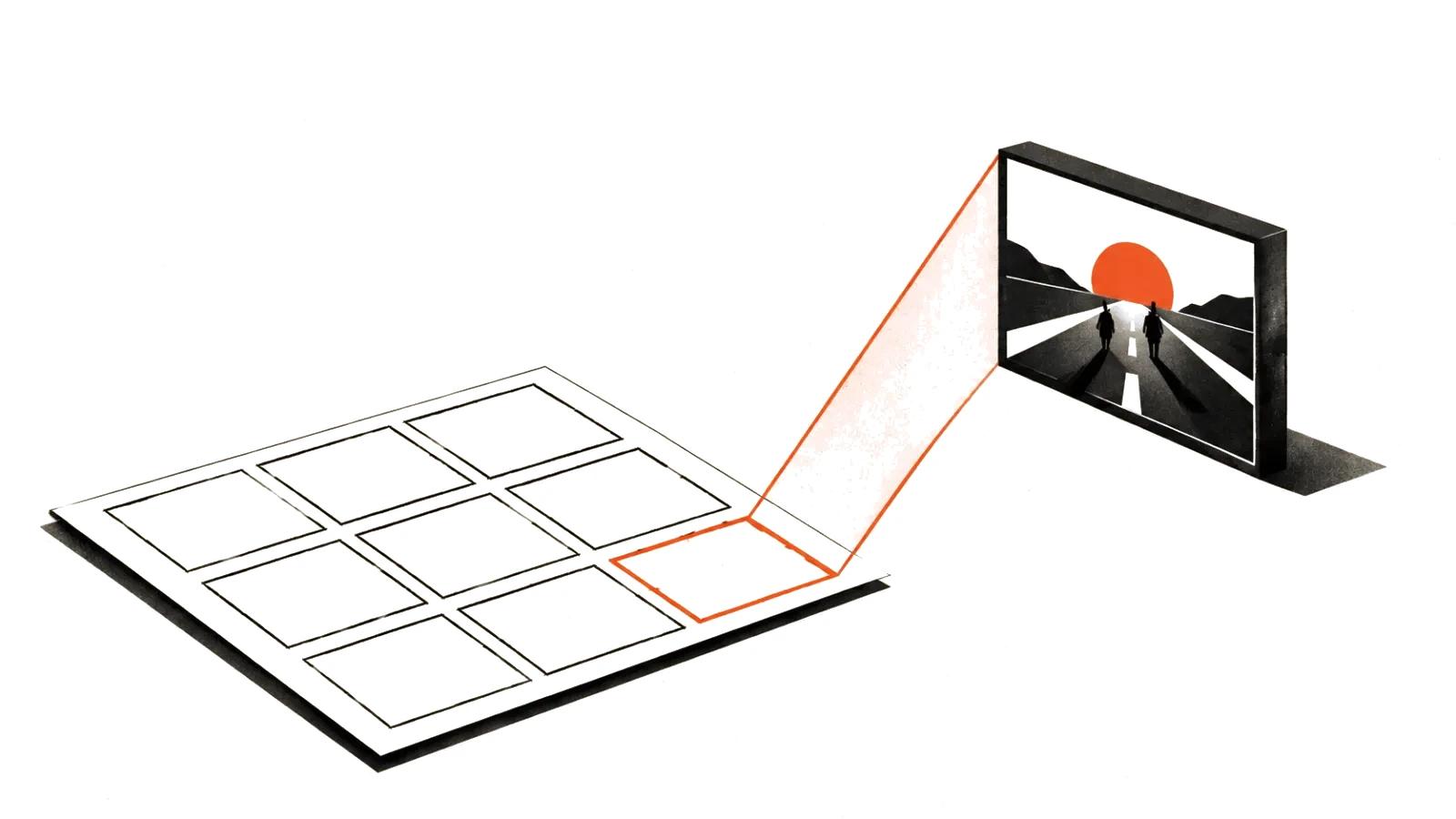
The shared rule: the reference defines the look, the text defines the scene. Leave the light and the camera out of the prompt and the model supplies its own, putting your character in a different world.
Building a series from one face
A series is built from the sheet, and a lucky frame decides nothing. The order matters.
First the canon. Generate a portrait, match it to the sheet, save it. From then on that file is the only face you feed the model.
Then the shot list. Five to seven scenes per clip, each with an angle and an action. Stick to angles the model holds well: front, three-quarter, profile, from behind.
Then motion. One character and one camera move per shot. Two moves in one frame almost always break the face.
Then assembly. Cut the shots together and match the colour there, because generations differ in balance even with the same reference.
Ten clips made this way read as one person. Ten clips without the system read as ten similar people, and viewers notice faster than you expect.
What breaks consistency
Switching models mid-series. A new version reads the reference differently and the face slides. Lock the version until the project ends.
Switching aspect ratio. Vertical and landscape are separate generations, and the head sits differently in each.
A close-up after a wide shot. In a wide shot the face is small, the model fills it from its own averages, and the next close-up shows someone else. Generate close-ups first.
Too much detail in the costume. Fine prints and logos get redrawn and flicker between shots.
Text on screen. A name across a t-shirt comes out misspelled, and it shows even in motion.
Where business needs this
A host for a series. One person opens and closes each episode, the product sits in between. That saves shoot days, which is exactly why stability matters so much.
Training videos. The character explains the interface and repeats the same actions in every lesson. Recognition beats beauty here.
A shop. One model wears the clothes across scenes. The face must not change, otherwise the product page looks assembled from different shoots.
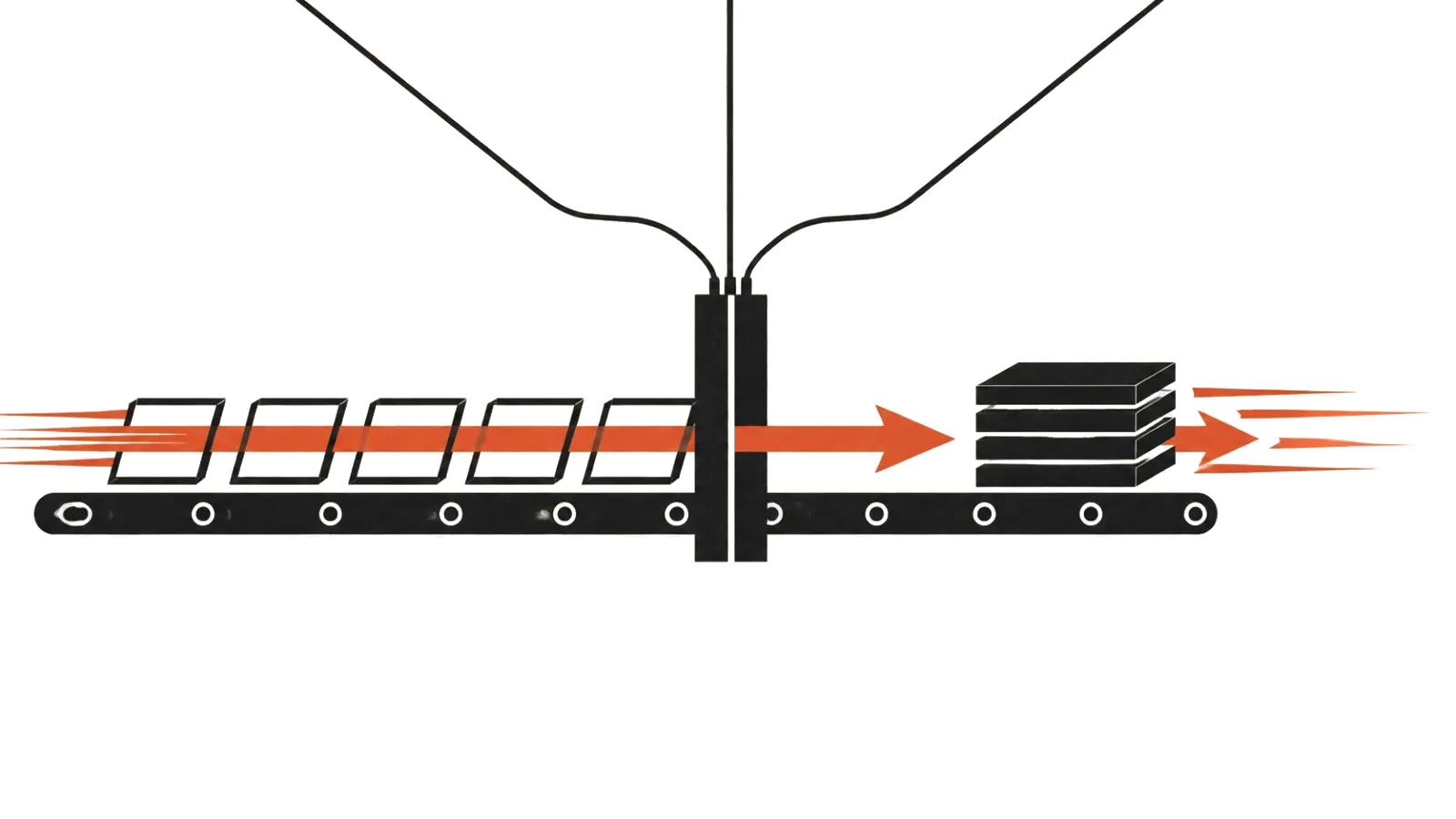
For a stream of near-identical clips, a fixed character is also how you keep recognition in short-form video at scale, where viewers swipe fast and remember a face.
Adjacent formats
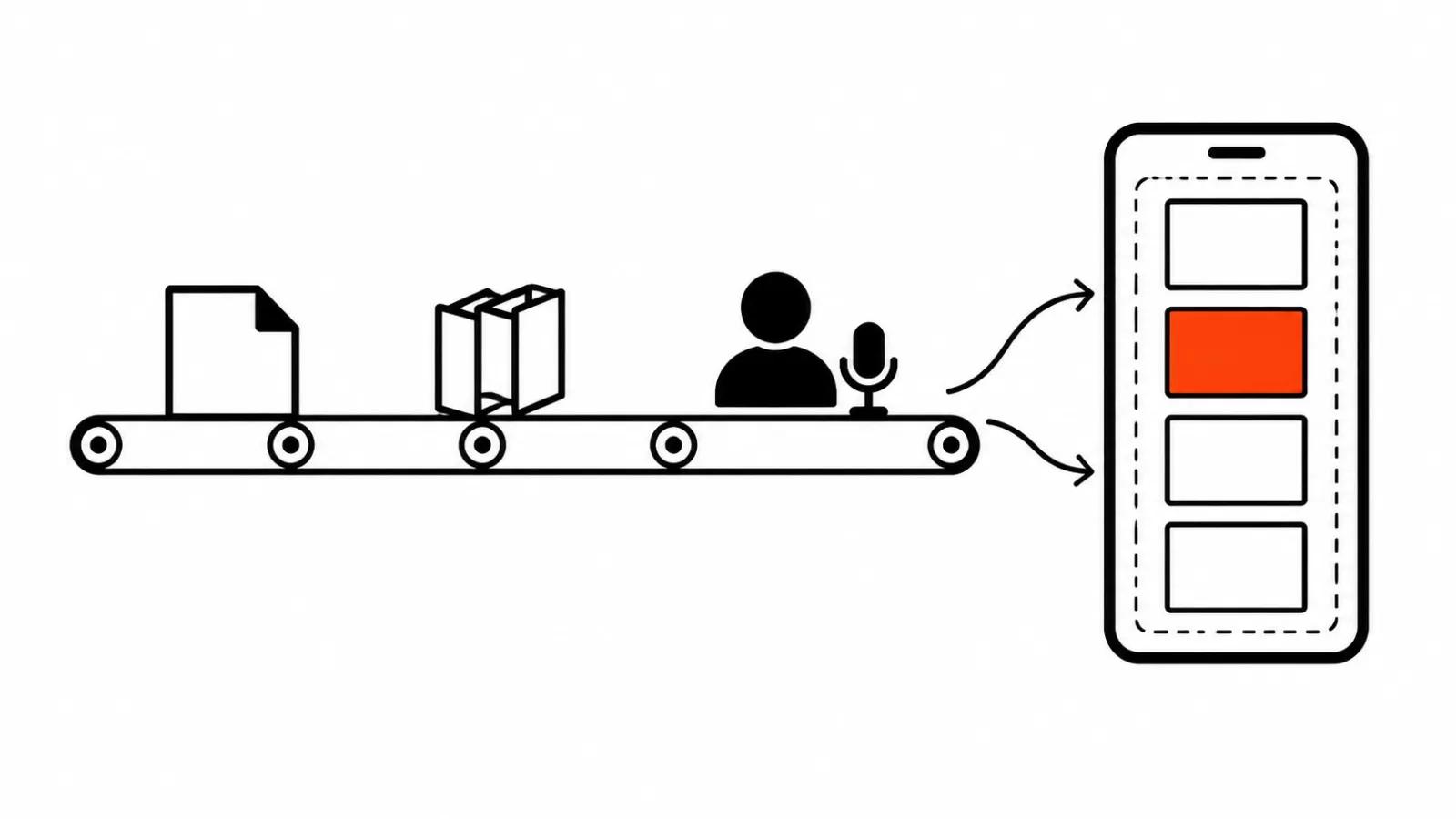
The AI influencer runs a channel in character. Appearance is only half the job there: voice and manner carry the rest.
The AI avatar video is a digital double of a real person, so the task flips. You need a close match to a specific face and that person's consent.
AI cat videos follow different rules: there is no series with one hero, and consistency barely matters.
Budget and schedule
One character with a sheet and three references takes two or three hours when the type is simple. A complex look with unique details takes a day, because every detail has to be tested for stability.
A series of ten clips moves much faster than the first one. Most of the time goes into selection, and generation is secondary.
Handcrafted videos start at $394 per video, including a script, a shoot and an edit, and there the character is an actor or an animation with a storyboard. For a series with a recurring hero that is often cheaper than explaining to a model ten times who he is.
If the character appears in one clip, skip the sheet. One reference and three attempts will do. The sheet pays for itself from the third clip onward.