What Glif announced on October 30
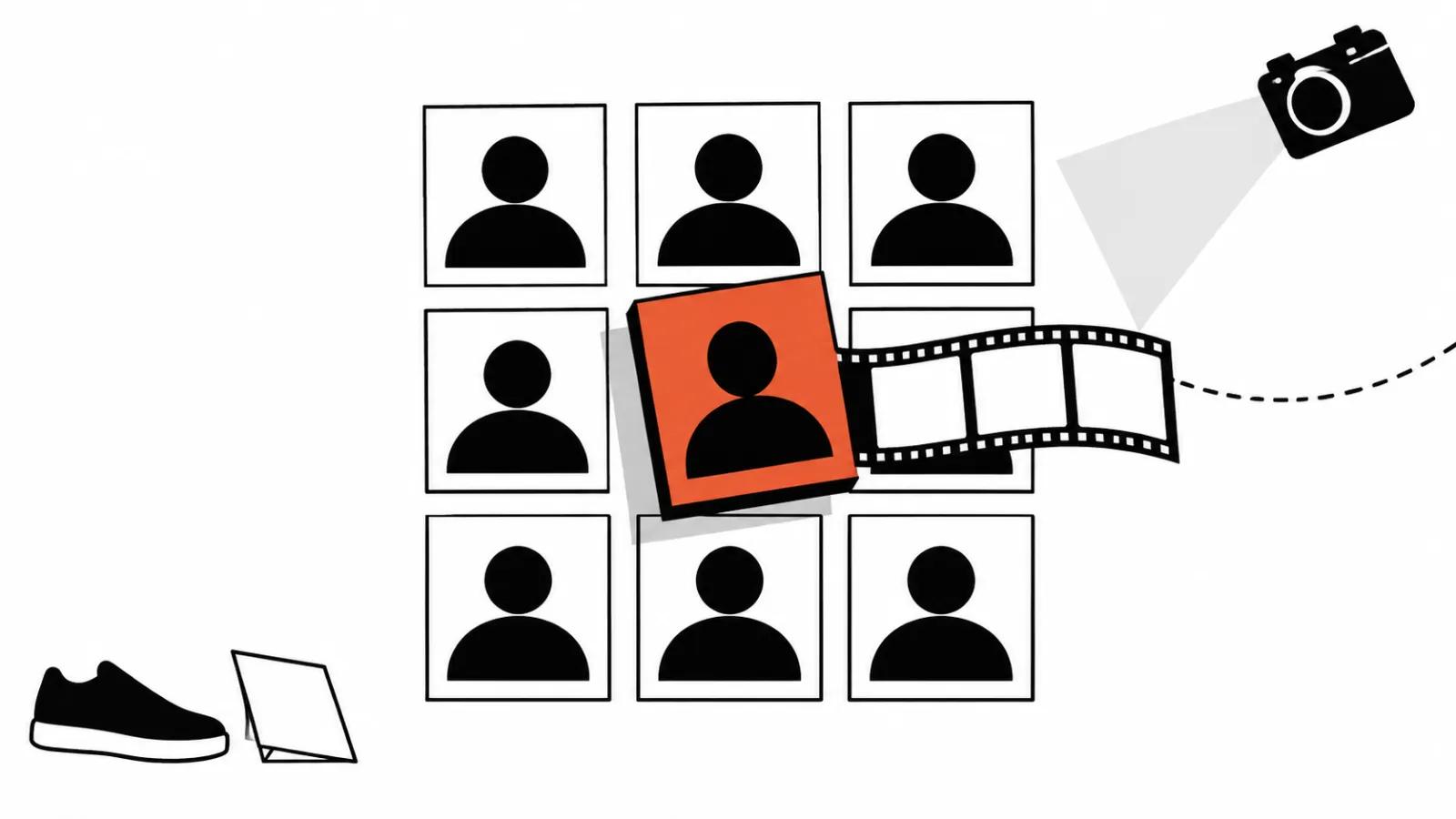
On October 30, 2026, Glif announced that its app now contains the first AI modeling agency. The word model means a generated person you cast for a shoot. From there the flow is short: give it a product, an idea or a brief, and Glif produces the ad from start to finish.
The characters page carries the line "Real AI models, ready for your next campaign", with 165 people in the cast. Three steps: pick a face, describe the ad, open a chat. Creator's Toolbox published the full breakdown on October 30; Glif itself stopped at a landing page and a discount code.
How a cast of 165 characters works
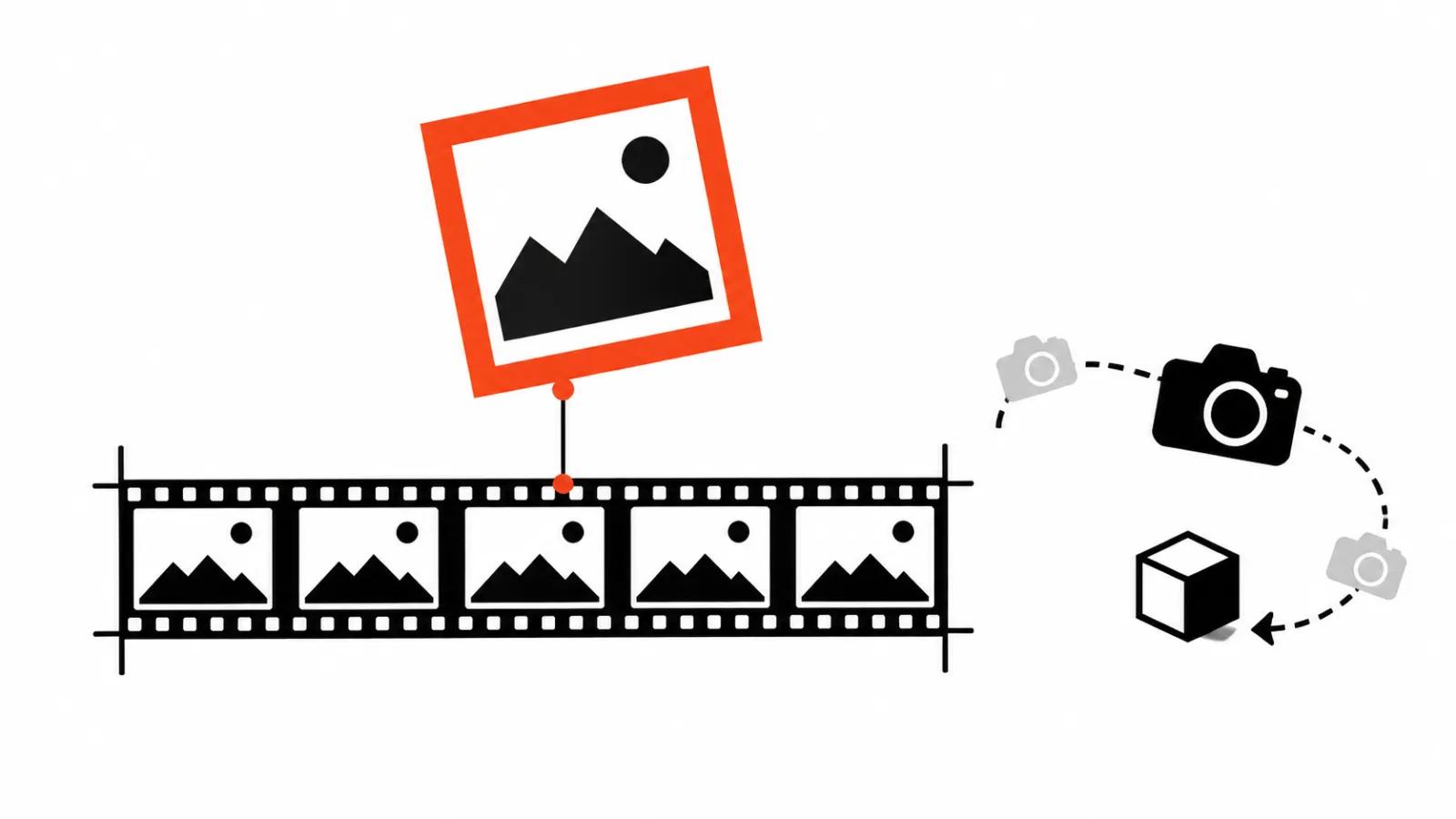
The characters are permanent. Each one keeps a reference sheet, and the face holds between shots, so a series with the same person does not fall apart into a different stranger in every frame.
Glif Characters shipped on September 28, and on October 26 the team added custom characters built from a single picture. That second part matters more than it sounds: a studio can build a face for a single brand and keep it across every release, from the first test to the final campaign.
The models behind the clip
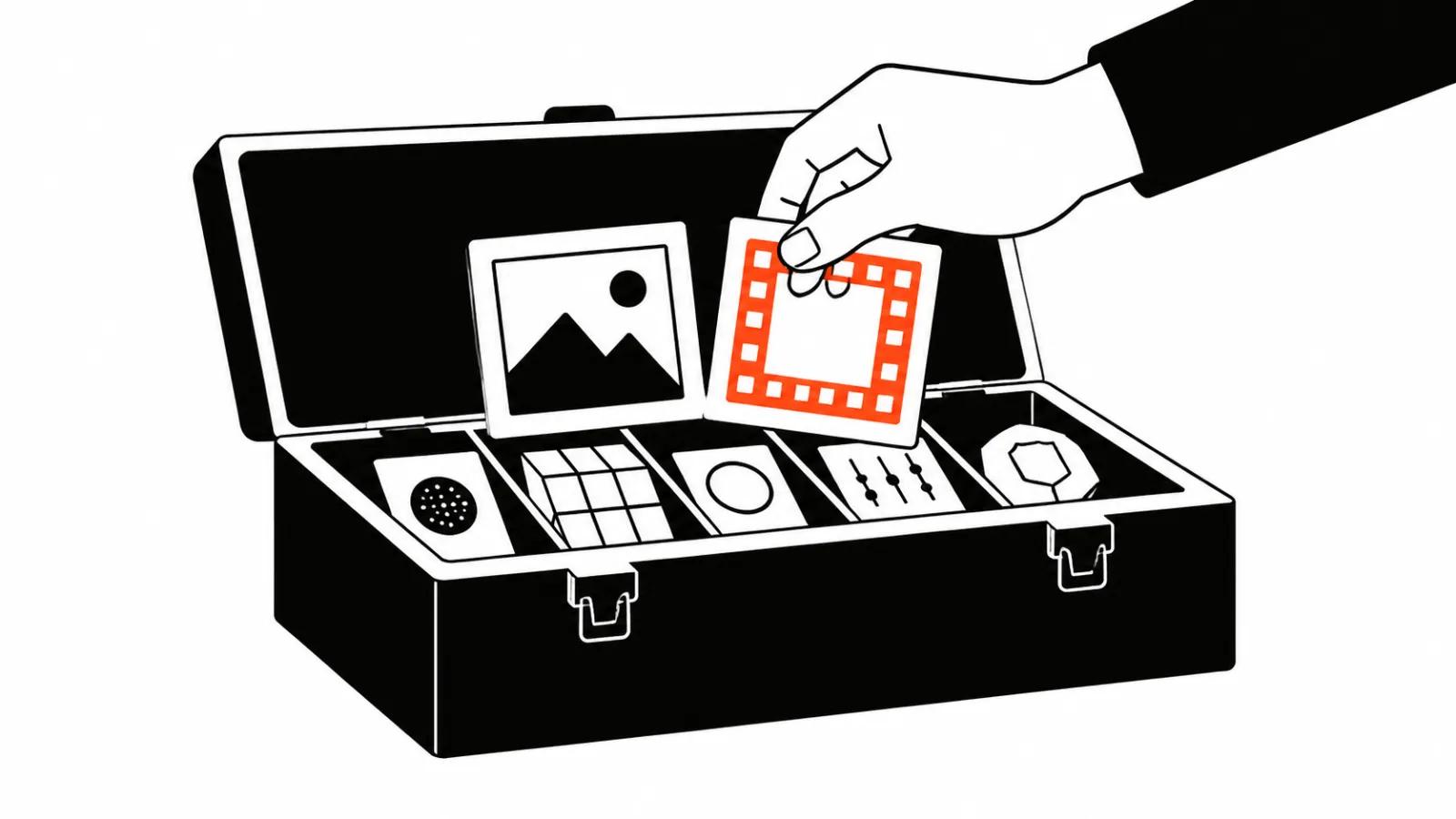
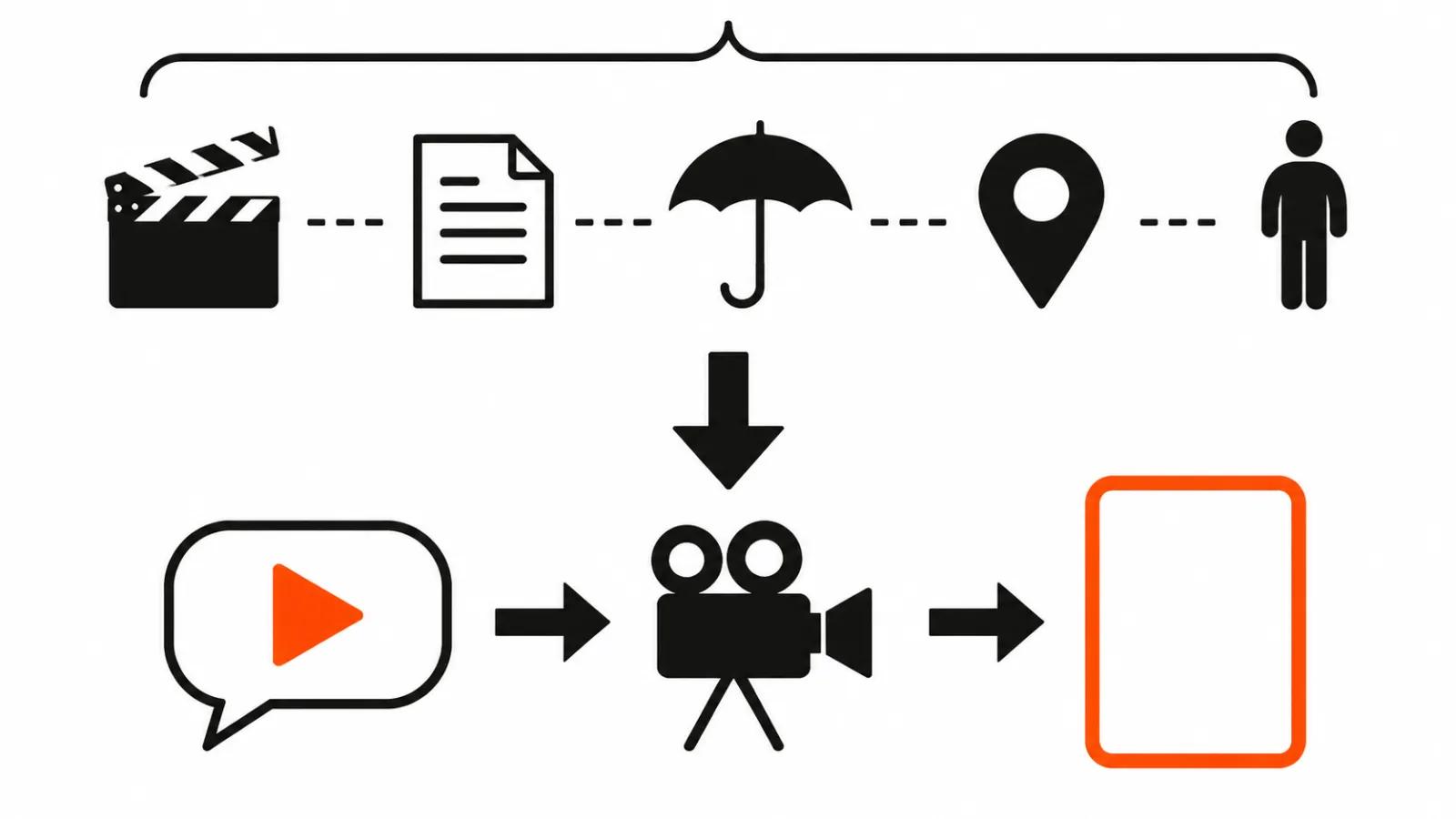
The characters sit on top of other companies' models. The list runs Seedance 2.5 with a draft mode for quick probes, Wan 3, Flux 3 Max, Kling 4, Grok and H3 Max, plus image, music and motion graphics models.
The point of the stack is access from one chat. Assembling a clip used to mean five subscriptions and moving files by hand between tabs. Here the steps run in sequence, and a bad early attempt costs minutes.
Three examples from the page
First, a sneaker unboxing built from one product photo, fifteen seconds on Seedance 2.5. Second, a thirty-second ad for a study app with subtitles, a testimonial and a closing call to action, made with GPT Image 2.5 and Seedance 2.5. Third, a bakery spot with posters, using ElevenLabs Music, GPT Image 2.5 and Seedance 2.5.
The demos show where the setup already works: a product on screen, a recognizable person, a short story of fifteen seconds. Anything that needs an actor's face to carry a scene or lips to match speech stays outside the showcase for now.
Entry price is modest. The first 250 users were promised a free month of the Starter plan with the code GLIFMODELS. Starter itself costs $10 a month for 1,000 credits. Whether the promotion is still open is not stated, so I would keep it out of a budget.
How AI models for advertising change the estimate
The real effect lands in logistics, with the picture second. A UGC-style shoot starts with casting, a location, approvals, insurance and someone who manages all of it. Casting a generated face removes that block whole, and it disappears as a line item.
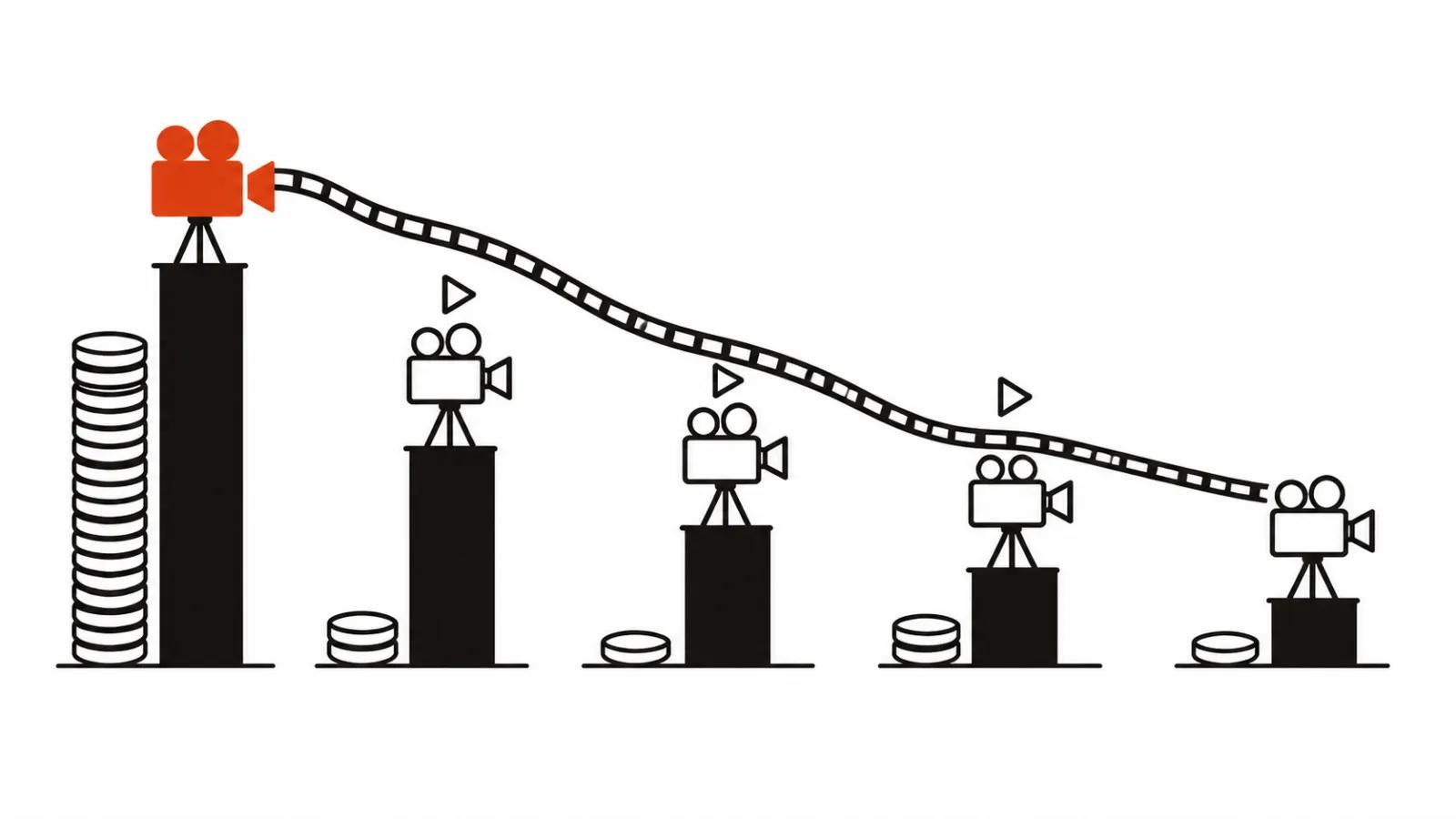
The second effect is easy to price. Testing a creative stops being an event: three versions of the opening frame, two tones of voice, another character for another segment. Each variant used to mean a new shoot day and a new budget.
The third effect shows up for anyone running volume. One character keeps the same face through a whole series, which is what template ads never had. That repetition is what vertical video ads live on, and we have a breakdown of the format.
How to make an AI ad without lying to the viewer
This is the real risk. A clip with a "real customer review" is a fake, even when the face in frame blinks and breathes like a person. The Glif documentation is blunt: characters are fictional, and passing them off as real customers, employees or reviewers is forbidden.
The rule is simple: present an AI character as a character. A brand face hosts the series under its own name, with no "I bought this and I recommend it" story attached. AI content labeling rules apply on top of that, and we covered them from platform requirements to how the tag looks on screen.
Glif's posts do not describe the rights to the generated people. Neither the announcement nor the characters page has a line on what you may do with a face in a commercial campaign, where the license lives, or what happens once the clip goes into paid distribution.
Before a campaign launches, ask support and keep the answer in writing. A client with a real budget will ask who carries a claim, and right now nobody has a clear answer to that.
What people say on X
The demos drew praise for realism: faces read as real, skin and light hold up. Two other conversations ran alongside. One is about work, with models and photographers reading it as a direct replacement for their jobs. The other is technical, with complaints about clothing physics, where folds do not behave like fabric.
I would take both calmly. Cheap-segment shoots are being replaced right now, and arguing about it will not change a budget. The fabric complaints fall to model choice and the number of attempts, which comes down to time spent.
My take
First, test on one product and one character. A demo on someone else's sneaker says nothing about your catalog or your audience.
Second, keep a real person on camera where trust is the product. Health, finance, expensive purchases: a synthetic face kills the deal faster than it saves the budget. For those jobs a turnkey AI video production, where a person checks the script and the delivery, is the safer route.
Third, budget ten versions from the start. The value of Glif is that a version costs pennies, and without testing you pay for one expensive take.
Fourth, agree with the client up front that the face on screen is generated. That conversation is cheaper than a finished video a lawyer later pulls from rotation.
We also have a piece on UGC content, and it still holds: the mechanics are the same, only the way you get a face has changed.