What changed in October
The month followed one pattern: a release, a week of tests, then integration into other people's products. Kling 4.0 from Kuaishou reached the API on Runway Dev on October 23, landed in Luma the same day and in Pika on October 28. ByteDance shipped Seedance 2.5, Alibaba keeps Wan 3.0 inside its API, Shengshu showed Vidu Q4 Preview early in the month.
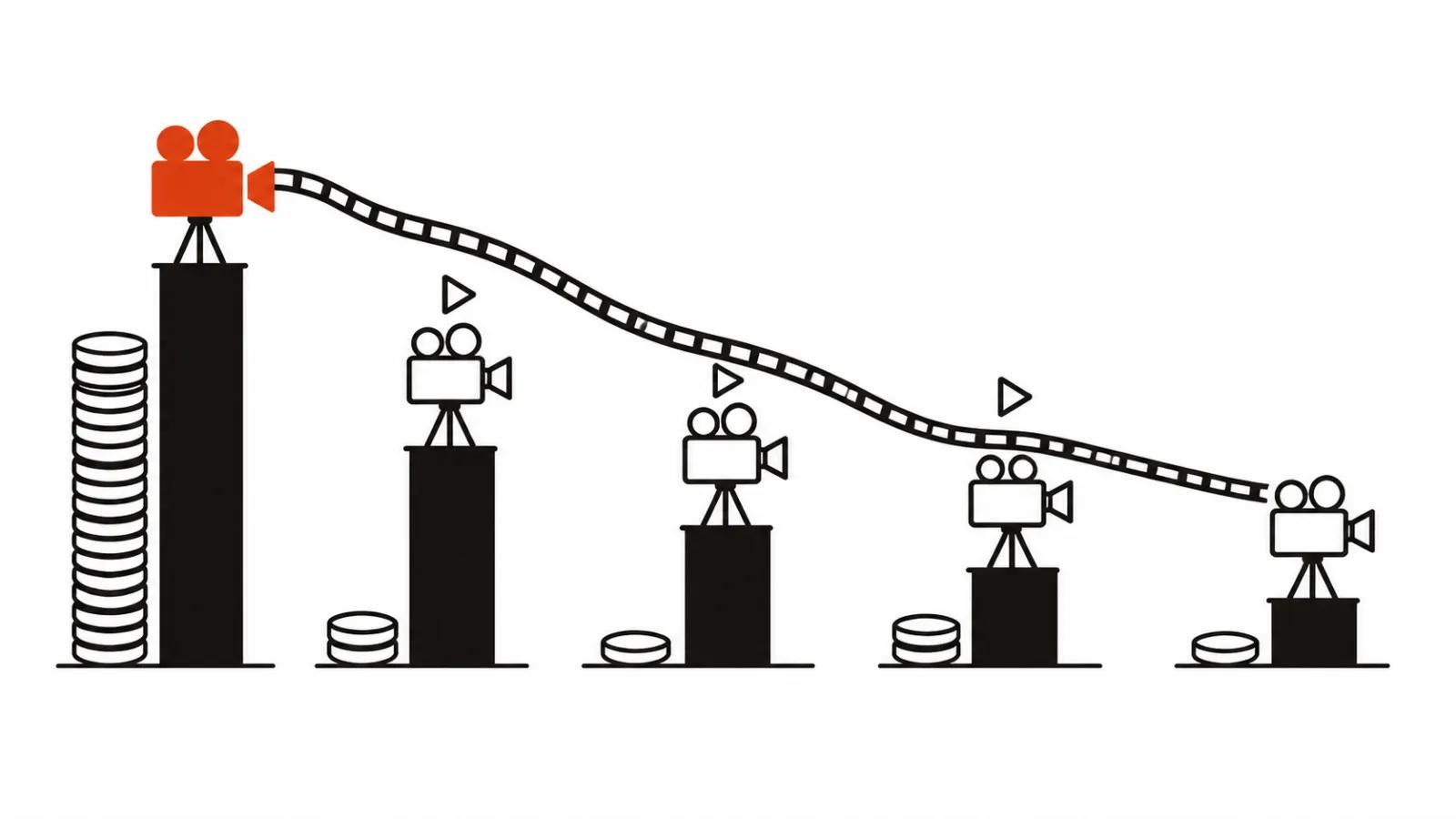
One shift matters for working teams: the spread in cost per minute inside the top ten of Artificial Analysis is about seven to one. The old choice was expensive and good against cheap and passable. The current choice is between jobs.
Kling 4.0: thirty seconds, fifteen references, key frames
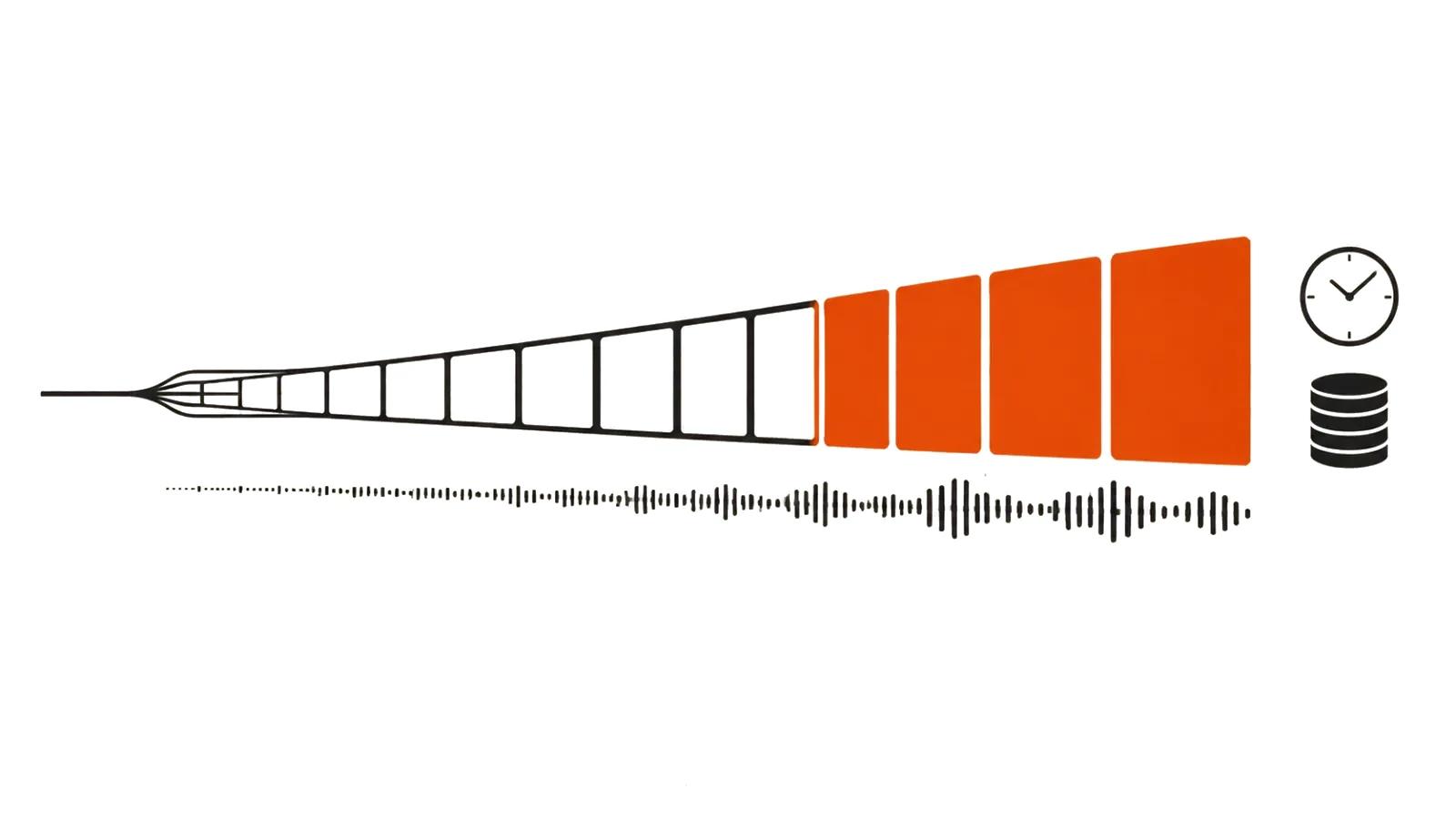
Kling 4.0 generates up to 30 seconds in one run, accepts up to 15 references and up to 10 key frames. Through the Runway Dev API, live since October 23, clips run from 3 to 30 seconds at 720p or 1080p, with audio and with video editing.
The key frame set is the interesting part. Ten frames across thirty seconds amounts to a shot list the model holds itself, which cuts down reshoots on camera moves. References pay off when the same product or the same person has to appear across shots.
Seedance 2.5: first place and the priciest minute
Seedance 2.5 sits first in Artificial Analysis AA-Video-I2V v2.1 with an Elo of 1148. The price matches: USD 34.12 per minute, the highest rate in the top ten. Clips run up to 30 seconds at 720p.
The 4K build of Seedance 2.5 with 10-bit color has been in testing since October 23 for a limited set of companies only. General access is not around the corner.
Worth keeping separate: the HKU visual quality study went to Seedance 2.0 Pro at 3.84 out of 5. The newest version in a leaderboard and the best score in someone else's test belong to different generations of one line, which is normal for models that refresh every couple of months.
Wan 3.0: a scene from scratch and first place in text-to-video
Wan 3.0 from Alibaba holds first place in AA-Video-T2V v2.1 and fifth in image-to-video with an Elo of 1108. Specs: 2 to 30 seconds, 480p to 1080p, audio, references. API only, no open weights.
First place in text-to-video has a plain meaning: Wan builds a scene that exists on no frame yet. An empty street, an interior that was never built, weather that never happened on set. For a storyboard from scratch that is the shortest path.
MiniMax H3: open weights at a seventh of the leader's price
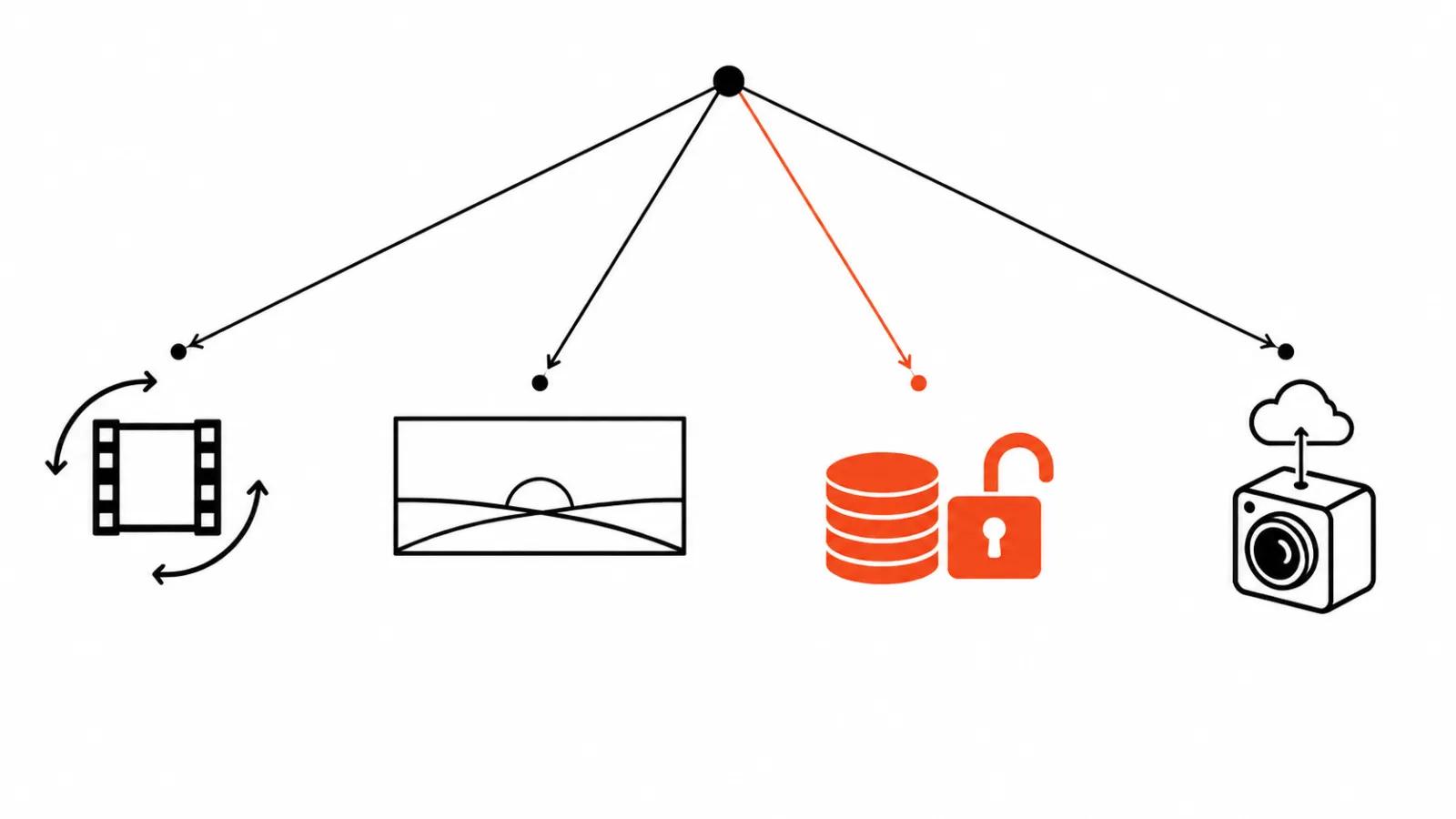
MiniMax H3 from Hailuo shipped with open weights, a rarity at the top of a leaderboard. The 768p build ranks third in image-to-video with an Elo of 1126 at USD 4.80 per minute, roughly one seventh of the Seedance 2.5 rate.
The second strength of H3 is on-screen text: signage, packaging labels, short lines on screen hold up better than with competitors. For ads where a price tag appears on screen, that saves hours in the edit.
Other products now sit on top of it: H3 Max on fal, Pika H3 Flex from October 29, Utopai X. Open weights also allow your own server when generation volume justifies the hardware.
Vidu Q4 Preview and the open alternatives
Vidu Q4 Preview from Shengshu appeared in early October: 540p up to 4K at 10 bits, up to 15 reference images and reference audio. According to the roundup, platform.vidu.com prices runs from USD 0.045 per second at 540p to USD 0.39 per second at 4K.
Reference audio sets Vidu apart from the group: a voice or a track sets the rhythm the model builds motion around. For music videos and narrated inserts that beats adding sound afterwards.
The open releases this week are Chinese too: Tencent Hy-Nomas as a world model under Apache 2.0 and SenseTime Code2Video, which assembles video through code, also under Apache 2.0. Different class of work, covered in more detail in our October 30 roundup.
Which Chinese AI video models are the best
Chinese models took the top spots in both Artificial Analysis leaderboards, and that fact turns into a wrong conclusion easily. There is no best model overall: the board averages the taste of voters, and your job is always narrower.
My order of picking goes like this. Moving a product shot or turning a photo into motion: Seedance 2.5, quality first, the bill can take it. A scene from scratch out of text: Wan 3.0. A tight budget or your own server: MiniMax H3. Long action with camera moves and an edit inside the generation: Kling 4.0.
If you have not yet tried Kling at all, start with one paid month on your own footage. Five runs on the same prompt tell you more about consistency than any leaderboard, and a mistake at that stage costs nothing.
Availability is the other layer. Every service treats regions and payment methods differently, so check both with the specific provider before buying a bundle. Costs and terms move weekly, and the Artificial Analysis board itself is closed.
What this means for production
For one video a month the gap between rates is invisible, and the interface decides. For a series or vertical video ads the arithmetic changes: a minute of Seedance 2.5 against a minute of MiniMax H3 is USD 34.12 against USD 4.80, and across a hundred generations that difference moves into the editing budget.
The working setup that follows: the expensive model for hero shots, the cheap one for variants and drafts. The hybrid buys a finished look without paying for every attempt.
Where a real person and exact dialogue belong on screen, AI video still loses to a shoot, and handcrafted videos stay the stable part of the budget. We collect similar model breakdowns in our guide to the top AI video tools, and for a turnkey job there is our AI video production service.