Tencent opened Hy-Nomas, a world model with public weights
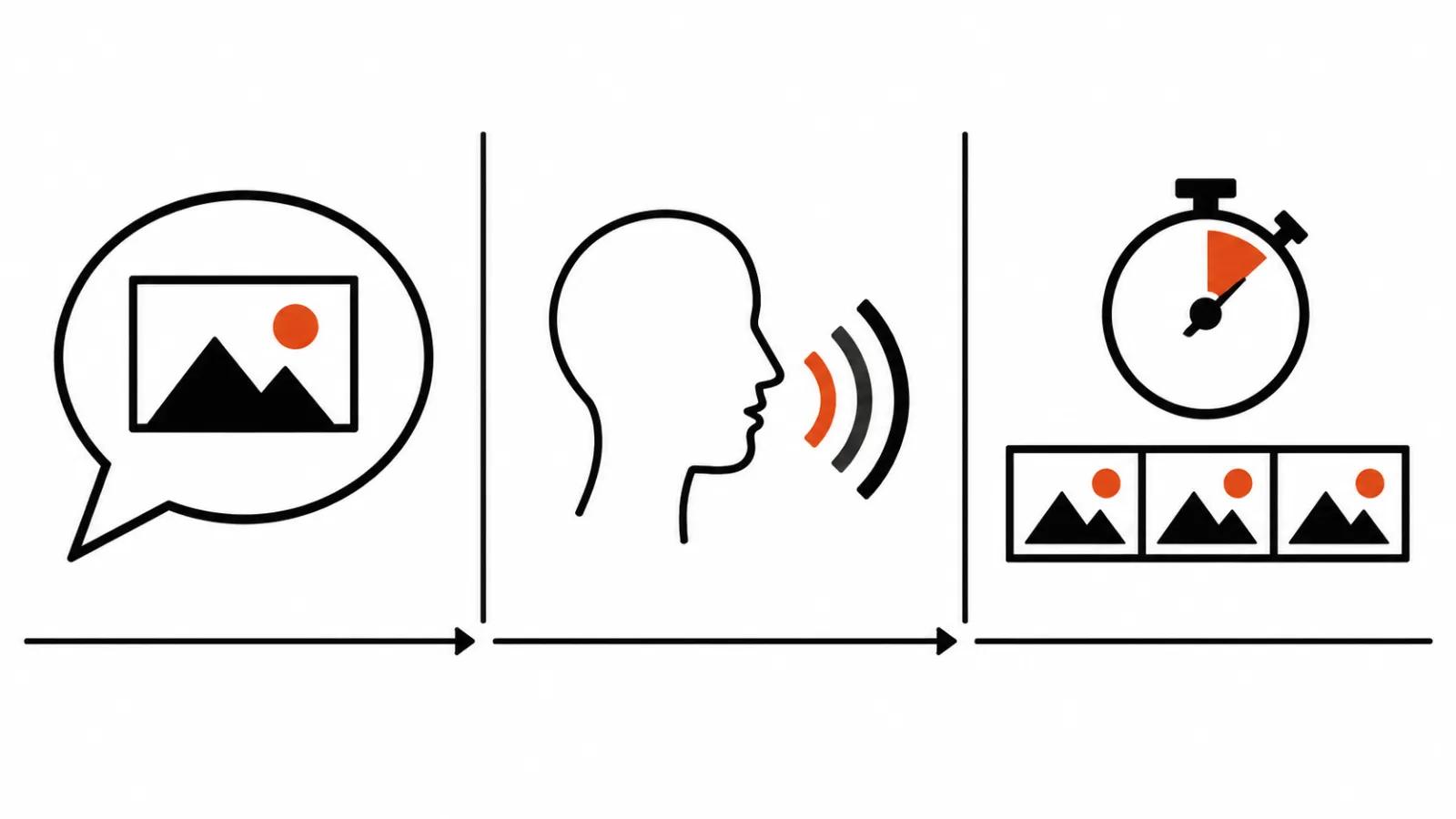
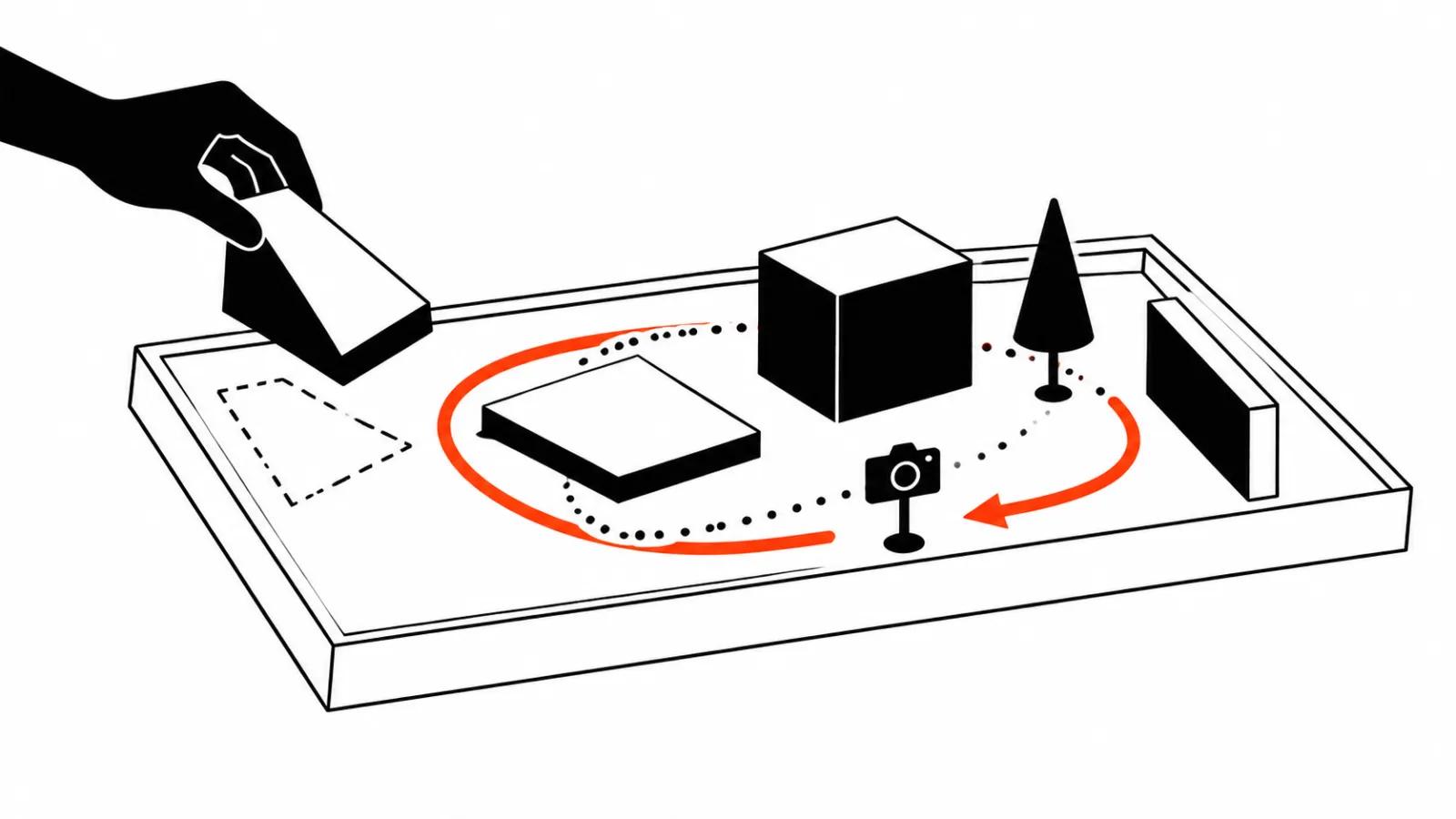
On October 21 Tencent Hunyuan released the code and weights of Hy-Nomas, an interactive world model. It builds video in segments, and every step is steered by text: add an object, set an action, change the style. A camera path works as the second control channel. Earlier segments stay in memory, so a scene holds together across cuts.
The code sits on GitHub, the test dataset on Hugging Face, and the technical report on arXiv as 2610.36729, filed on October 27 and 28. The license is Apache 2.0, which allows commercial use without asking anyone.
Inside is a diffusion transformer with 8 billion parameters. A Qwen2.5-VL-7B language part reads the text, and a separate prompt enhancer called Nomas-PE sits beside it. The distilled version builds a segment in 4 to 8 steps and outputs 720 by 1280 at 24 fps. That frame rate describes playback, while generation time depends on the hardware.
Out of the box the model asks for 8 GPUs. With INT8, a compressed cache and offloading to RAM it runs on a single RTX 4090. Two LoRAs ship along, one tuned for cinema and one for robotics. The community has already wired it into ComfyUI, SGLang and WanGP.
Hy-Nomas-Bench: 280 cases across four tests
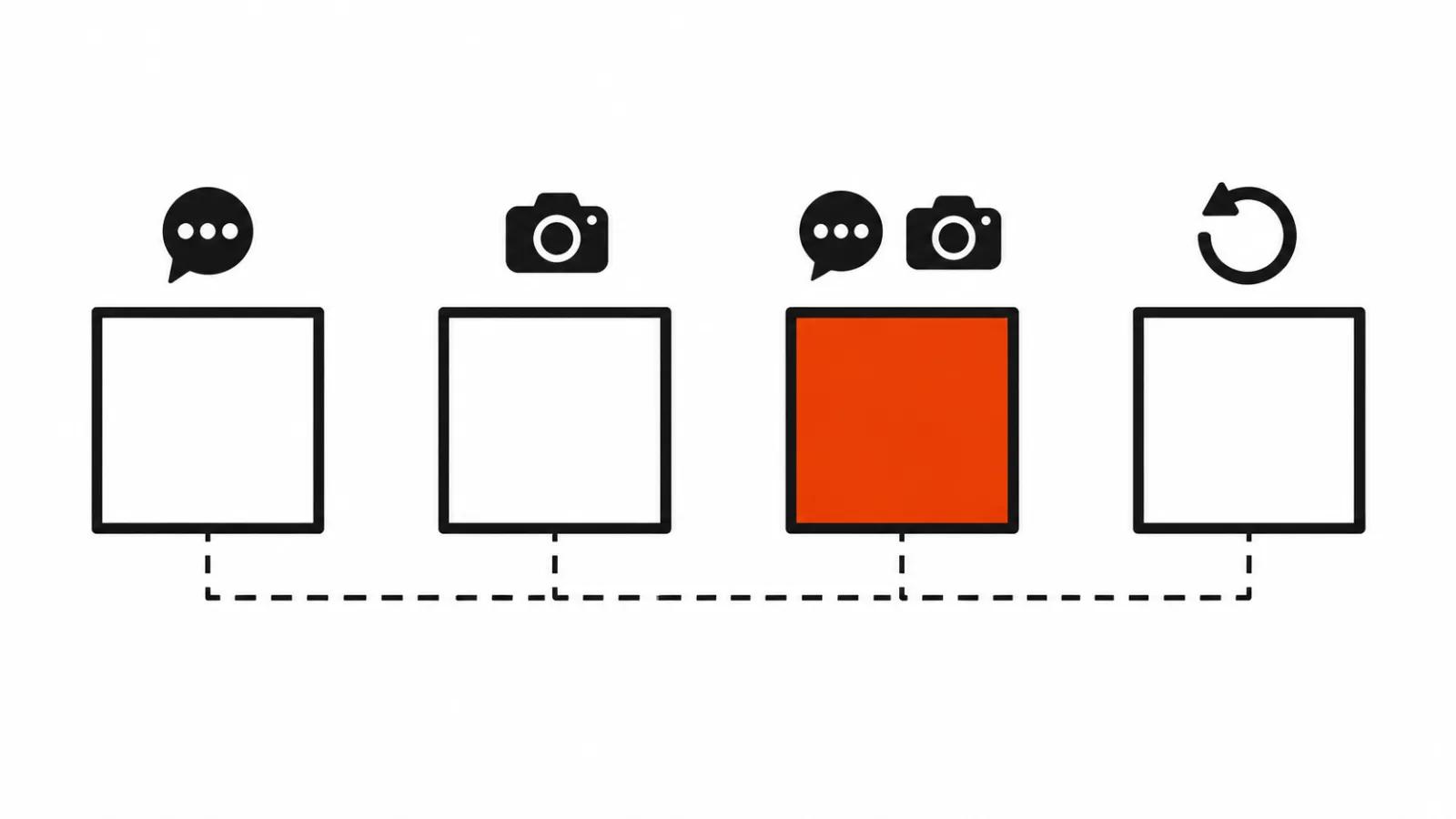
The release comes with Hy-Nomas-Bench. Four tests cover 280 cases: multi-turn text commands (60), camera navigation (100), alternating text and camera control (60), and spatial memory when the camera returns to the same spot (60). Same Apache 2.0 license.
The human evaluation was run by the Tencent team itself. According to the report Hy-Nomas leads on text commands and on how believable the footage looks, while trailing Genie 3 on spatial memory consistency. Keep that in mind: they compared their own model against others, and the summary reaches us through third-party write-ups.
Why open AI video generation matters to a studio
Genie 4 from DeepMind arrived on October 27 and stays a closed preview, with access by request and no weights. Hy-Nomas can be downloaded and run on your own hardware, a single card included. For previz and storyboards it is the first open option where you move the camera and the objects with words, with no need to rebuild the scene for every shot.
The practical difference is that previz stops being a separate step on someone else's service. A shot list can be iterated locally, with the camera path changed and props added, and nothing has to leave the building. We went through the closed competitor in our breakdown of Genie 4 with native audio.
Suno Studio: AI music videos, stems and lyrics in one window
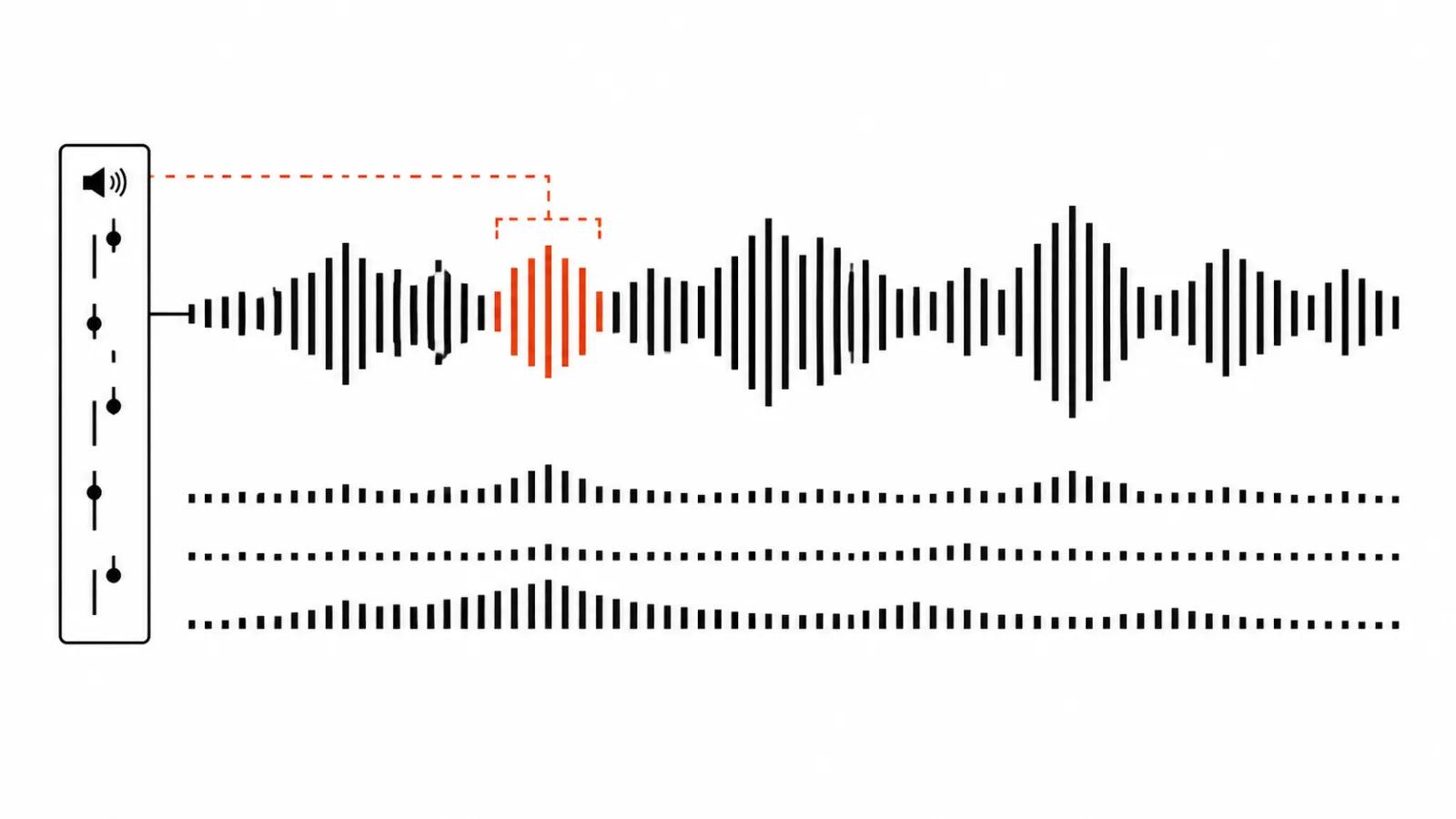
Suno updated Studio on October 29. Clip settings moved into a side panel left of the waveform: volume, pitch, loop, reverse, time stretch. A new Clip Info panel shows lyrics, style tags and stem separation.
Uploaded audio now stretches to the project tempo on its own. Generated clips stay untouched. Clips without a steady beat, along with stems uploaded together, keep their original timing, so a drum loop from another session will not drift.
Pitch tweaking became precise: semitones and cents, where 2.38 means two semitones and 38 cents. Tracks hide with Shift-H and come back with Shift-Alt-H. Grid density and contrast are set by right-clicking the ruler.
Why this matters. Studio is closing in on an audio editor: a track for a clip gets finished inside Suno, with no export to a DAW and no stitching back. For anyone making AI music videos, music and stems now share one window, and that saves the dullest part of the job. Our guide on how to make a music video from a song with AI covers the full path from track to picture.
Utopai X and the race for second place in image-to-video
On October 29 the studio Utopai said its model Utopai X took second place in AA-Video-I2V v2.1 from Artificial Analysis, based on that day's results. In September the same model was second in text-to-video with audio, at an Elo of 1150 on September 29. Utopai X is fine-tuned on MiniMax H3 and runs inside PAI, the platform the studio sells for film production.
Care is warranted here. In the original Artificial Analysis table at launch on October 28, second place belonged to Seedance 2.0 at 1132. The leaderboard is recalculated every hour, the top is statistically dense, so second place is a company's claim for a given date, with no status of settled fact.
Why this matters. Three spots near the top rest on MiniMax H3 in one form or another: H3 itself, H3 Max from fal, and Utopai X. Open weights became the base for other people's products, and that shifts how a model gets chosen: what counts is who fine-tuned it for the job.
What to take from October 30
Three stories add up to one picture: an open world model makes previz cheaper, the audio editor pulls music finishing into itself, and leaderboards deserve reading by date, with room left for the claims of whoever wrote the post. If you need a finished video for a specific job, our AI video production service covers the route from brief to cut.