Vidu Q4 Preview: faster, tighter on instructions, up to 4K
On October 30 Vidu opened a preliminary version of Q4, which the company calls Q4 Preview. The platform page lists three changes: generation runs faster, the model follows the prompt more closely, and the picture carries more detail. Two modes are in, image-to-video and reference-to-video, and the second one holds a character or an object to a reference.
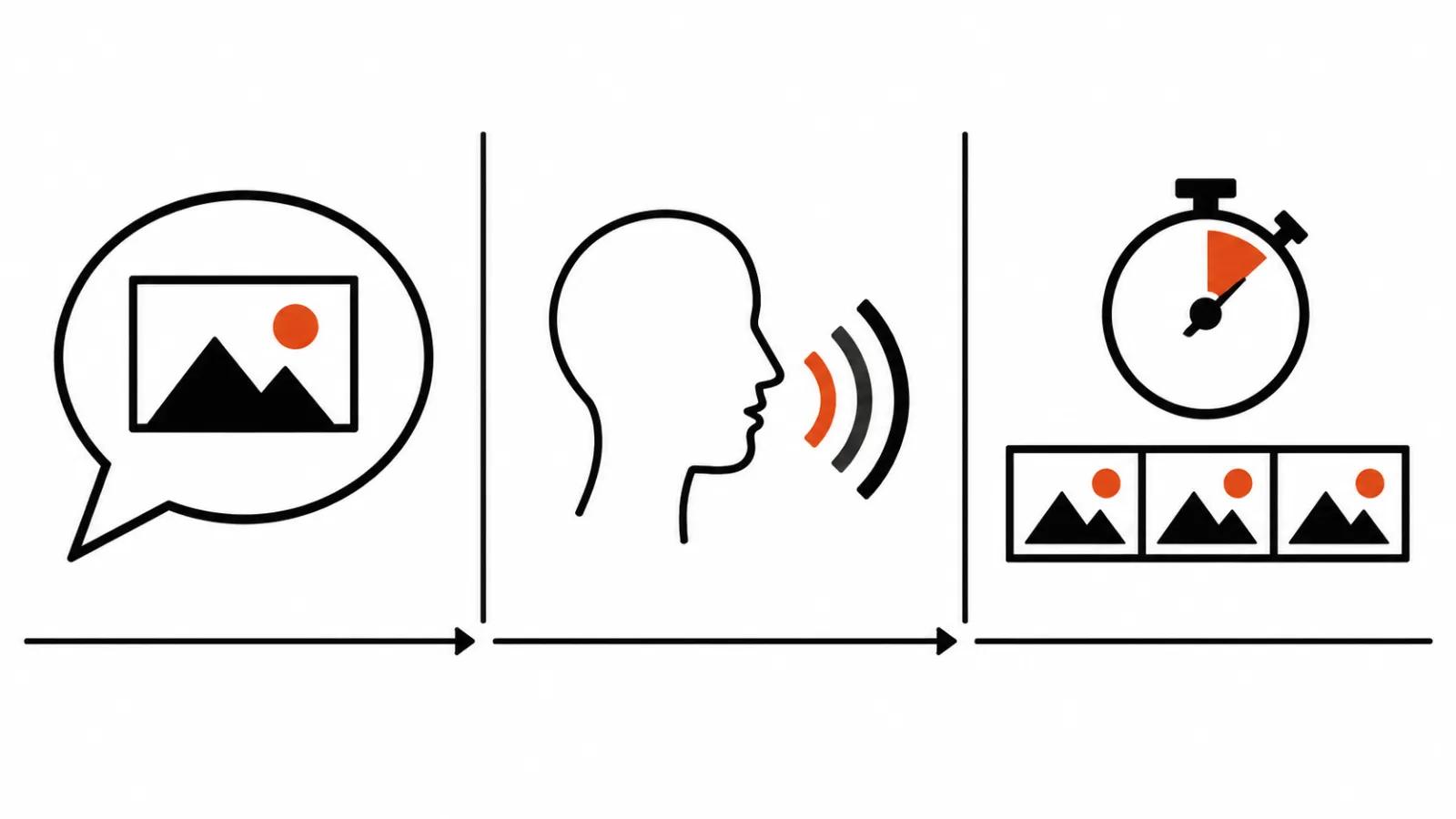
On Vidu Platform the listed specs are a length from 3 to 16 seconds, resolution up to 4K, and optional audio generated in the same pass. The API gains a seed and task callbacks. A seed pins a result for a repeat run, and a callback reports when a job is ready, so nothing has to poll the server in a loop.
WaveSpeed AI joined as launch partner. The wording stays careful: launch partner for Q4 Preview, joint activities ahead, with no dates and no list of what will show up on the WaveSpeed side.
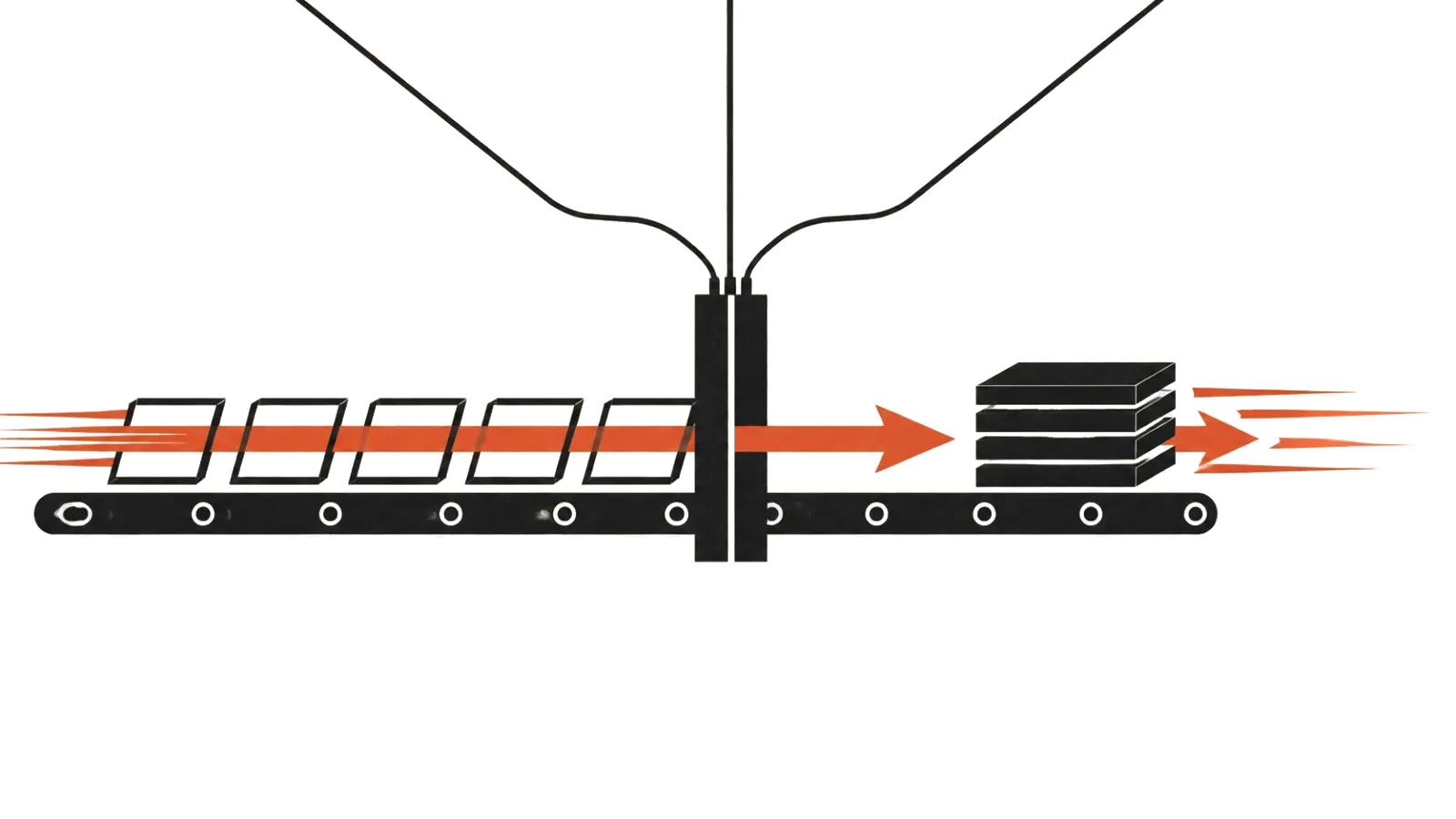
Why this matters. Sixteen seconds at 4K with audio in one pass removes the dullest step of the job: stitching short fragments and fitting sound to the cut. A seed in the API means a lucky frame can be reproduced, and that was the missing piece when a project runs on a fixed quote.
Liquid AI LFM3: one family for text, images, audio and video
A page on LFM3 went up on October 31. It is a Liquid AI family of 2 billion parameter models, built differently from the usual stack: text, images, audio, video and decision tasks share a single backbone. One model trains on several data types and then answers in any of them.
The weights sit on Hugging Face under liquidai/lfm3. The claims are fine-tuning on a single GPU and running on phones and laptops. The text model takes about 1 GB at 4-bit quantization, with a 256K token context.
Why this matters. Two billion parameters on a phone points somewhere else: a rough storyboard, a scratch voiceover and a read of the footage can run locally, with nothing leaving the machine. For a studio that helps at the stage where nobody yet knows what makes the final cut.
WanAR and FixAR: long video from one image with camera control
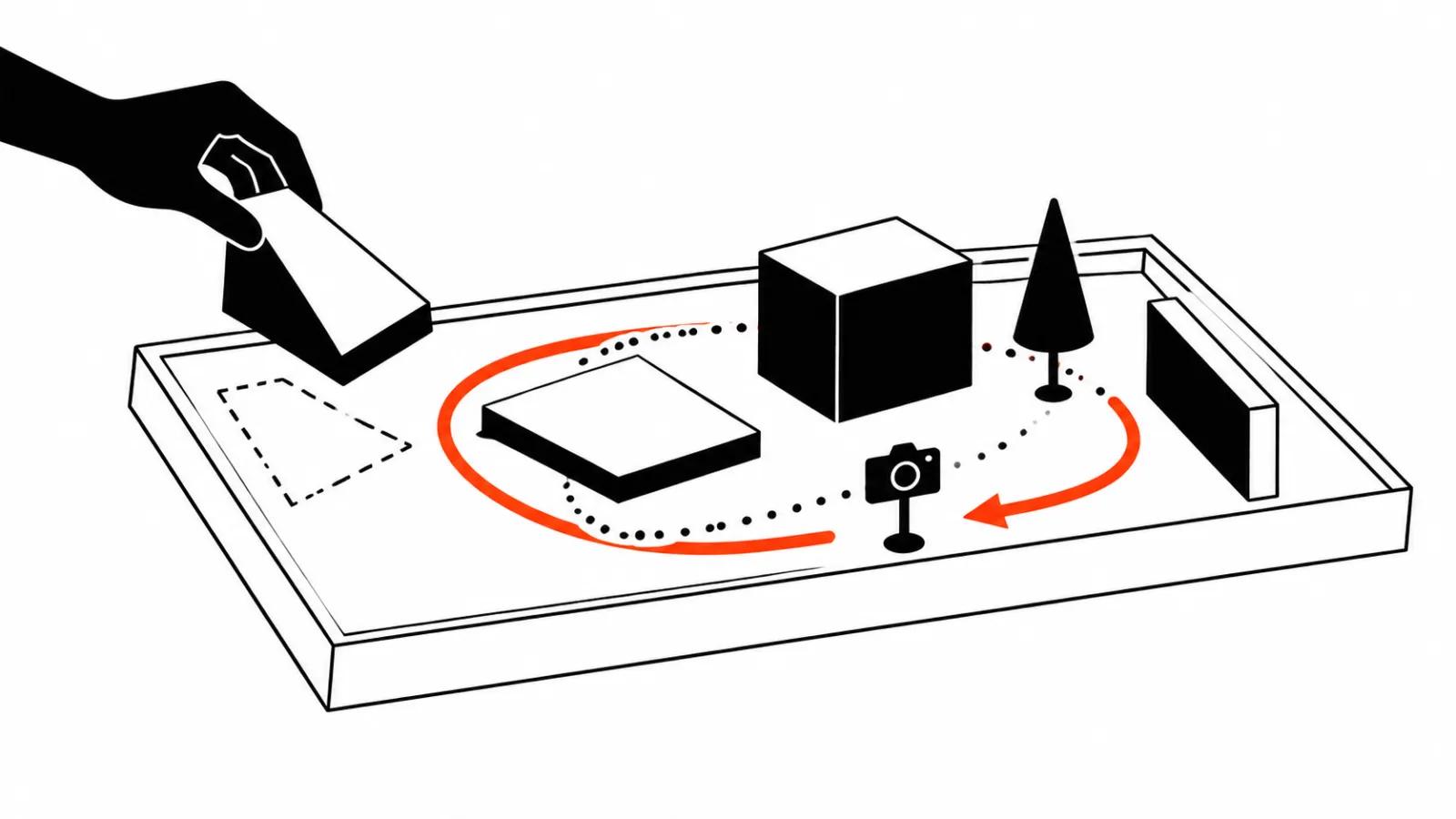
A paper called WanAR, with a companion piece named FixAR, landed on October 30: a long shot built from a single image, with the camera path set separately. The authors frame video as a task of deformation plus inpainting. Frames travel along the trajectory, and whatever opens up past the edge of the previous frame gets drawn in.
Two denoisers do the work. The first leans on the nearest frames and keeps the context short. The second refines the picture against a thinned long history, so the scene does not drift over distance. Evaluation ran on RealEstate10k and DL3DV, and the paper claims an edge over earlier methods plus consistency with the camera trajectory.
Status matters here: this is research, there is no product, nothing to launch in an interface, and the comparison comes from the authors themselves. No independent measurement on the same sets has appeared yet.
Why this matters. A long shot with a steered camera is what property and interior videos ask for: one still, a smooth move, a minute of footage. How such things get assembled today, piece by piece, we covered in our guide on long AI videos clip by clip.
FastH3-Omni-Comfy: video with sound inside ComfyUI
A pack called FastH3-Omni-Comfy showed up in ComfyUI: FastVideo diffusion models for short clips with synced audio. Two formats ship, BF16 and INT8 ConvRot. References arrive as images, video or audio, so style and voice get set before generation.
The repository is 11 days old, with 135 likes on Hugging Face on October 31, and the pack is trending. Modest numbers, and they say something honest: this is an early community build, and a release from a large lab does not look like this. Test it on ten seconds before wiring it into a pipeline.
Why this matters. ComfyUI became the workbench for people who assemble pipelines by hand. Video with sound in one graph moves voiceover closer to being part of the same pass. The INT8 format matters more than the polish: it fits on one card, so the build lives on an ordinary studio machine.
What this batch of AI video news changes in practice
The four stories cover different stages. Vidu speeds up the frame itself and adds audio on output. LFM3 pulls models onto a laptop. WanAR promises a long shot with camera control. FastH3 puts video with sound inside ComfyUI.
One line runs through all of them: generation moves closer to the edit desk. A year ago the argument was about whose model looks better, and now it is about how many steps of the chain a model closes on its own. That number decides how many people stay on the job.
A second point is about choosing. Vidu and FastH3 open access through a page and an API, LFM3 hands over weights, and WanAR exists as a paper for now. The risks differ: one model disappears with a subscription, another stays on the drive, a third never reaches a product.
Third: Chinese AI video models stopped being a separate shelf. Vidu sits in the same showcase as western tools, and the WaveSpeed partnership routes it into other people's pipelines. We keep the wider picture with release dates in our overview of Chinese AI video models.
My take: how to pick a video model this week
First, look at length and sound. Sixteen seconds with audio from Vidu removes a separate voiceover pass on short scenes, while a one minute cut still needs stitching.
Second, keep a local option. LFM3 at 2 billion parameters will not deliver a final frame, yet it covers drafts and the text around them, and on a laptop that costs no rental.
Third, do not plan around a paper. WanAR reads as a bid for a future tool, and no quote includes it yet.
Fourth, test community builds on your own footage. FastH3 is young, 135 likes is little, and a first run belongs on a short clip with speech, to see how the sound lands on lip movement.
If a finished video is due on a date, our AI video production service covers script, generation, sound and edit in one order, priced per video with no subscription to four tools. Short-form volume runs on a different scheme, where a template and repeatability matter more.