What the numbers say
The series premiered on Hongguo on August 22, 2026. Shanghai Observer and Jiefang Daily counted ten seasons by November 3, a hundred episodes in each, none longer than two minutes, and more than 4 billion views across every platform it runs on.
Inside Hongguo the picture differs. A season averages around 50 million in platform heat, and the eleventh season, still unreleased, already holds close to 4 million reservations. Heat is a platform metric; outside the app it survives only as a retelling.
Five soldiers in the Northern Song
The source is a web novel from the Fanqie platform. Five modern soldiers land in the Northern Song dynasty and build a household, an army, a medical practice and a career. The premise is kind to short episodes: a hero always has a reason to explain a trade or a set of rules, and explanation holds attention without a fight scene.
A vertical series against a theatrical release
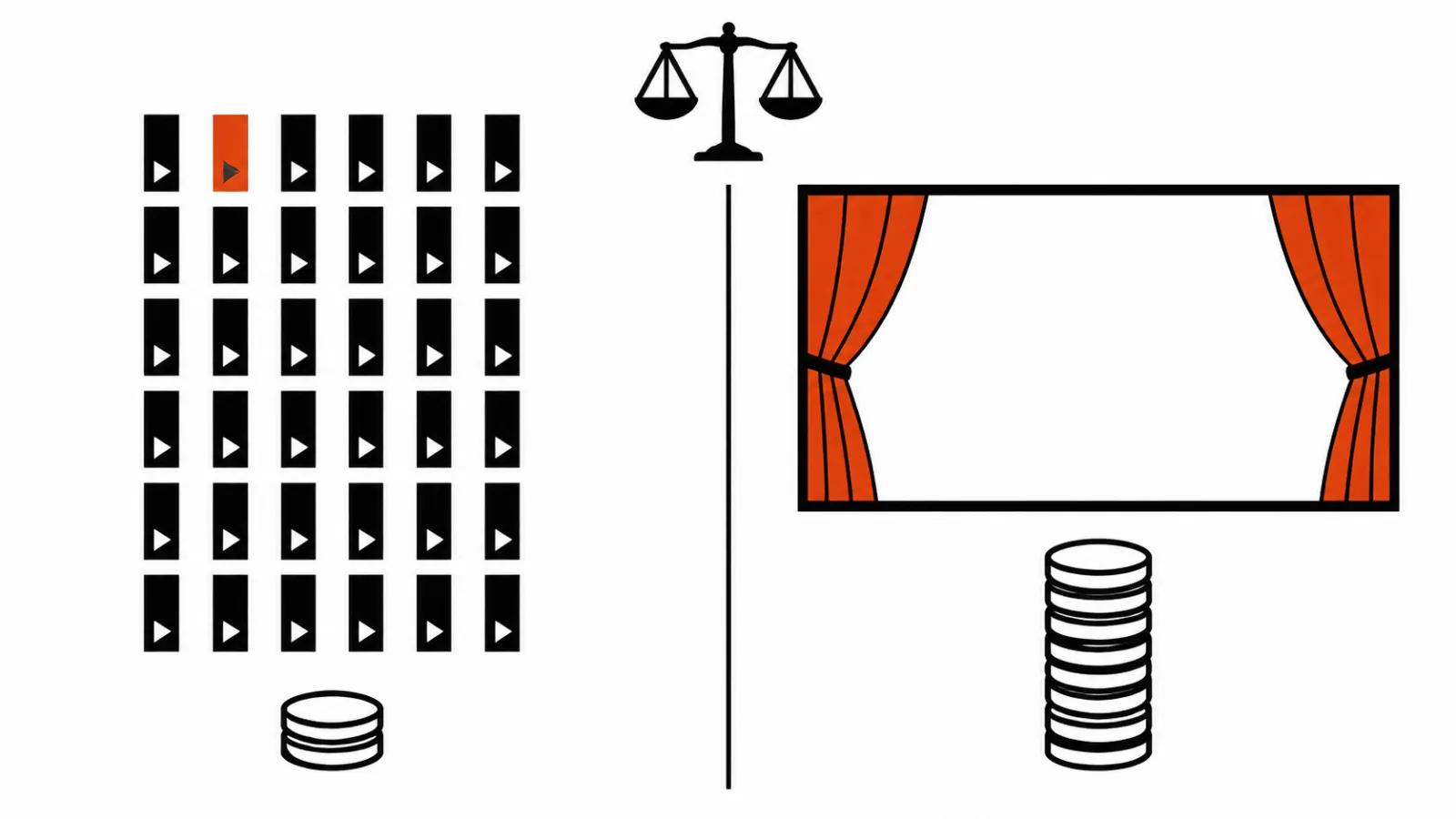
The cadence is blunt: one season a week, a hundred episodes at a time. Ten seasons in a bit over two months works out to up to three-plus hours of footage per season, cut into phone-sized pieces.
The comparison sits right there. The first AI feature made for cinemas, Sanxingdui: Future Past, took about 1.69 million yuan against a budget in the tens of millions. The director of Chixie Ru Song says compute cost around 1 million yuan. A thousand episodes on that money is a different category of spend.
The one person per drama method
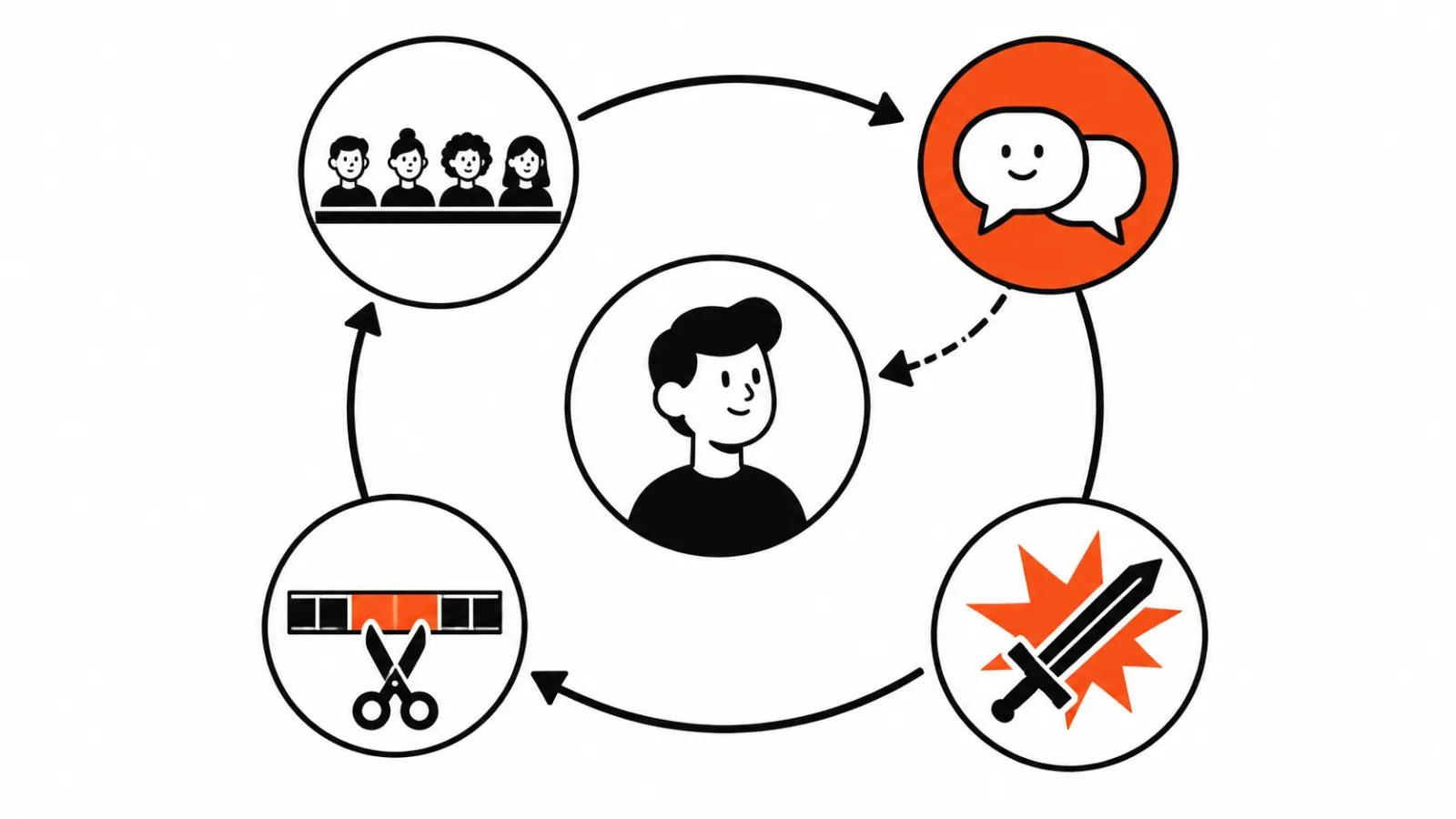
Director He Xiushan describes it plainly: one person carries the whole chain from plot to edit. A shared asset library keeps characters consistent, so the hero of episode one hundred looks like the hero of episode one. Scripts are not written ahead; the next turn is adjusted to audience comments. Battle scenes are assembled in Seedance 2.5 with several references, voices come from an AI model, editing and music from CapCut.
My reading: the generator here is secondary. The model may be replaced within six months. The asset library, the single owner of the look and the comment loop stay, and those are what keep a thousand episodes from drifting apart.
Who is on the team
The roster reads nothing like a film crew: former taxi drivers, mothers on parental leave, couriers, ordinary office staff.
Rumors about a team from Xinxiang and revenue of 4 to 10 million yuan circulated on X. The lead producer told The Paper that part of it was wrong: six people, living in different provinces (Guangdong, Hubei among them), working online.
The team's numbers and the criticism
The team's own count and posts on X go higher: over 6 billion views, a peak season heat of 82 million, completion above 70% on later seasons. These are claims, with no independent measurement behind them.
Criticism lands where you would expect. Plot holes, an AI feel in faces and motion, and a long way to go before these shows sit next to polished drama with live actors.
My doubt is elsewhere. The view counts are platform numbers, nobody outside has verified them, and distribution works differently in other markets: another metric, another episode length, another recommendation engine. Lifting 4 billion Chinese views into a local market one to one does not work.
What carries over to a brand
The setup travels to any brand that needs serial content: one library of characters and locations, one person accountable for the look, a plot built from customer questions and comments. We went through the market in the piece on vertical micro-dramas, and through studio tooling in the breakdown of the Jimeng short drama studio.
Volume decides the rest. A stream of short vertical videos runs on one template and a predictable cost per unit. Handcrafted AI videos from 190 USD make sense where a real person has to be on camera with precise acting. An AI YouTube channel from 200 USD per month covers long-form runs, where the season matters more than the single episode.
My take
Method beats model. Swapping a generator costs one test, swapping a production scheme costs a month.
Build the asset library before season one. Recasting characters later is expensive.
Write from the comments, with room to revise. A series made with AI gets what big cinema does not: feedback after every single episode.
Check platform numbers yourself. Someone else's billion views cannot be confirmed, and plans hold better on your own data.