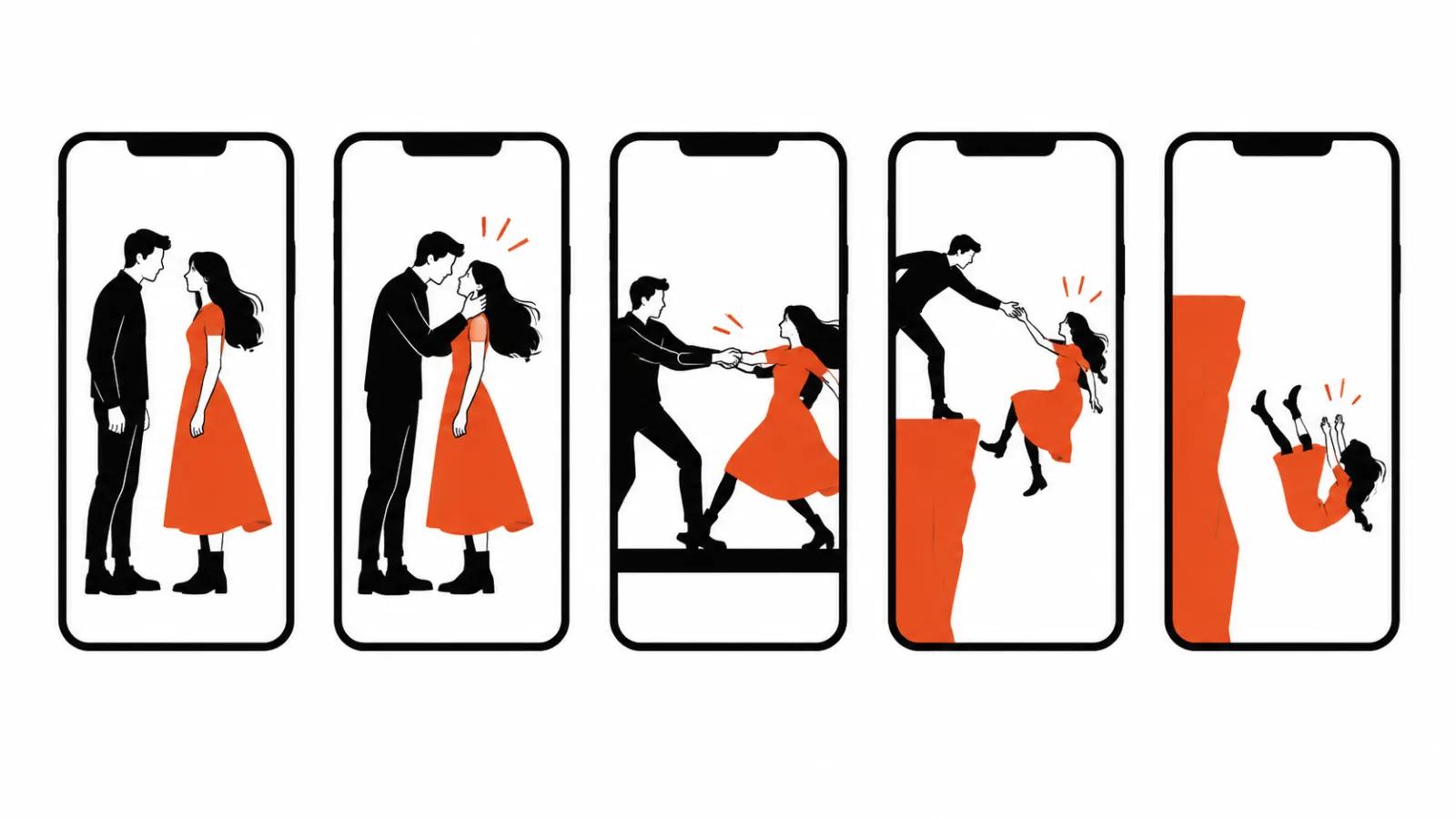
What a vertical microdrama is
It is a series made of very short episodes, shot vertically for a phone. An episode runs under two minutes and ends on tension, so the thumb does not swipe away. The plots are simple and emotional: romance, revenge, family conflict, status reversal, a fantasy of another life.
People watch this in a queue, on a train, before sleep. The first episodes are usually free, then the app asks for coins or a subscription. The format grew up around mobile app stores, which is why its economics are counted in installs, retention and in-app purchases.
What the numbers say
According to Sensor Tower's State of Short Drama Apps 2026 report, published in June 2026, short drama apps passed 850 million downloads in the first quarter of 2026, up 140 percent year on year. In-app purchase revenue for the same quarter reached roughly $750 million, up 20 percent year on year.
The same report gives a maturity signal: six short drama apps ranked in the worldwide top 40 by downloads, with category leader FreeReels at number eight, next to social, gaming and streaming apps. Geography shifted as well. Southeast Asia produced 32 percent of downloads, Latin America 23 percent and India 22 percent. Together that is more than three quarters of the global total.
The conclusion is straightforward. The category is no longer a niche. Growth is slowing in mature markets and moving to mobile-first regions, so the fight moves to production cost and localization.
Why the format took off
First, the cost of being wrong is low. A pilot can be shot for modest money and tested on real viewers before anyone commits to a season. Second, the rhythm. A vertical episode has no room for boredom, so retention is decided by the script. The graphics budget matters less.
Third, the habit of paying for the next episode. Someone who has watched ten episodes in a queue parts with a small sum more easily than someone choosing a film for the evening. Fourth, app and social algorithms distribute clips for free, and those clips work as a trailer.
Where AI enters production
The obvious place is graphics and backgrounds. A city, an interior, weather, a car that the budget does not cover. The second is voice and translation. One season can be dubbed into five languages for less than five separate casts. The third is versions. A single vertical episode becomes cuts of different lengths for apps and social.
The fourth place is contested: generating scenes with people. It works in genres where viewers accept stylization, and it struggles in domestic drama, where faces carry the story. The fifth is support work: storyboards, reference hunting, rough animatics.
I wrote separately about an AI microdrama launch in India and what it says about newsroom economics. The product there is release speed, while the technology stays inside the process.
The economics of an episode
A microdrama budget covers script, shoot, edit, voice, music and marketing. Marketing is often the larger line, because apps buy installs. Saving money on production only makes sense when it does not damage retention.
AI shifts the balance in two places: post-production and localization. If an episode costs less, a producer can fund more pilots and find a working story faster. If generation breaks faces and micro-expression, viewers leave at episode two and the saving disappears.
Localization and versions
A vertical series does not live in one country. A season gets translated, dubbed and recut for another market, sometimes with different names and context. AI gives producers what used to be a luxury: a rough dub in hours, subtitles, alternative voice tracks for testing.
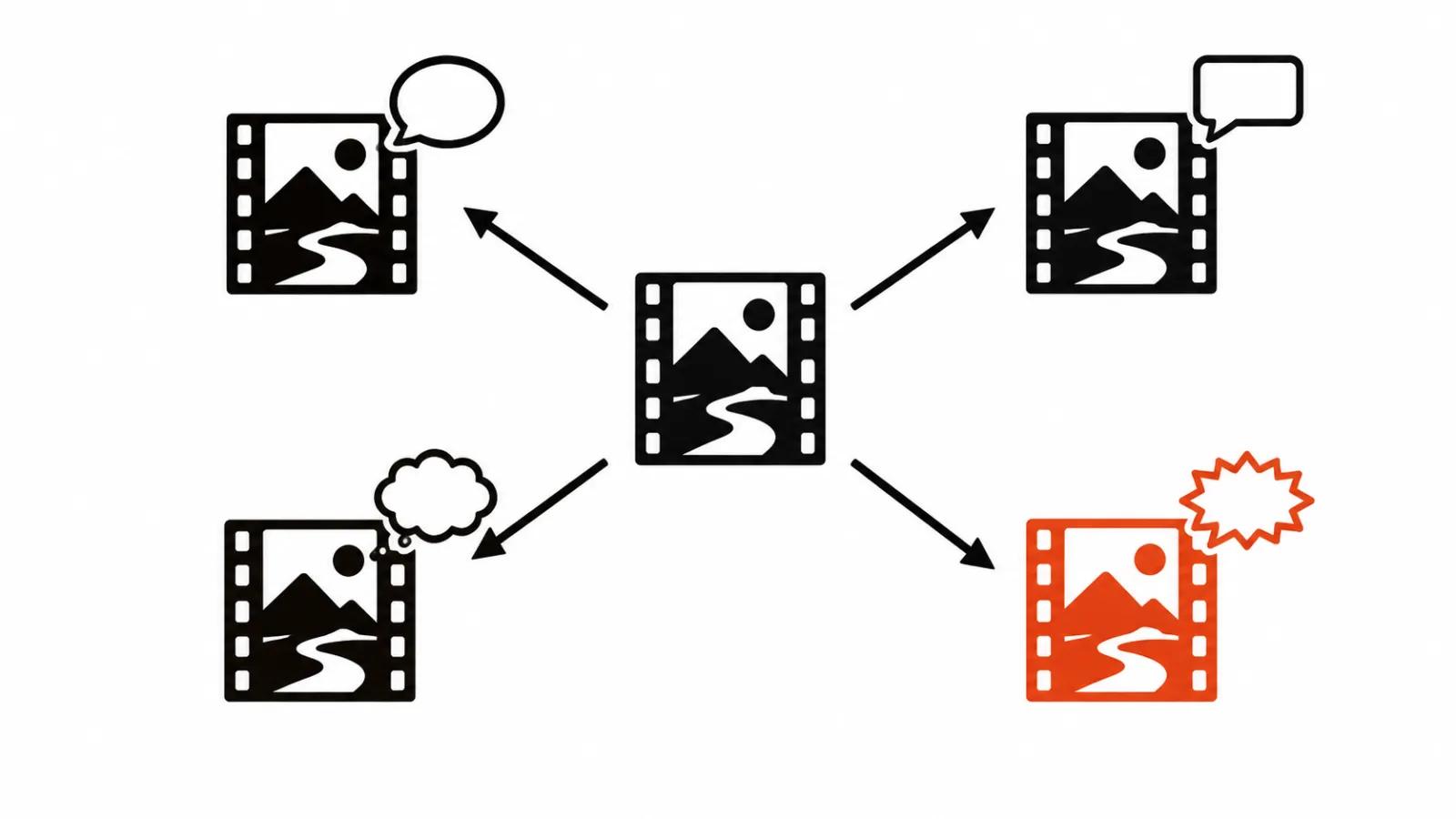
Then comes video versioning. The same story should not look like a copy in every account. Thumbnails, first three seconds, scene order and on-screen text change. That is distribution work, and it deserves its own budget line.
Who this fits
Producers with scripts and a feel for the genre. Brands that want a serialized format for social without funding a full season. Agencies already producing short-form video at scale and looking to add a story.
If you are testing the format, start with three episodes and one audience. If the story holds, invest in actors and localization. Animated series are a good example of handcrafted videos here: they are made by hand because style and characters matter more than speed.