What was announced on October 17
On October 17, 2026, India Today Group announced Life Tak, a mobile-first platform built entirely around micro-dramas — short episodes designed to be watched on a phone. Its flagship title, "Raghupati Raghav Raja Ram," is described as a contemporary retelling of the Ramayana made with artificial intelligence.
The official teaser was presented at the India Today Conclave Mumbai, with India Today Group chairman and editor-in-chief Arun Puri on stage. The series is already live: episodes stream through Life Tak's YouTube, Facebook and Instagram handles, and inside the Aaj Tak mobile app.
The format is spelled out in the announcement itself: vertical framing, short episodes, high plot density in every installment. The India Today write-up carries an October 17, 2026 timestamp, updated at 18:13 India time — 12:43 UTC.
Who is behind it matters. This is a media group with newsroom infrastructure, distribution and its own app. Players at that level rarely commit to a format until they see durable demand for it.
Why micro-drama lives and dies on the vertical frame
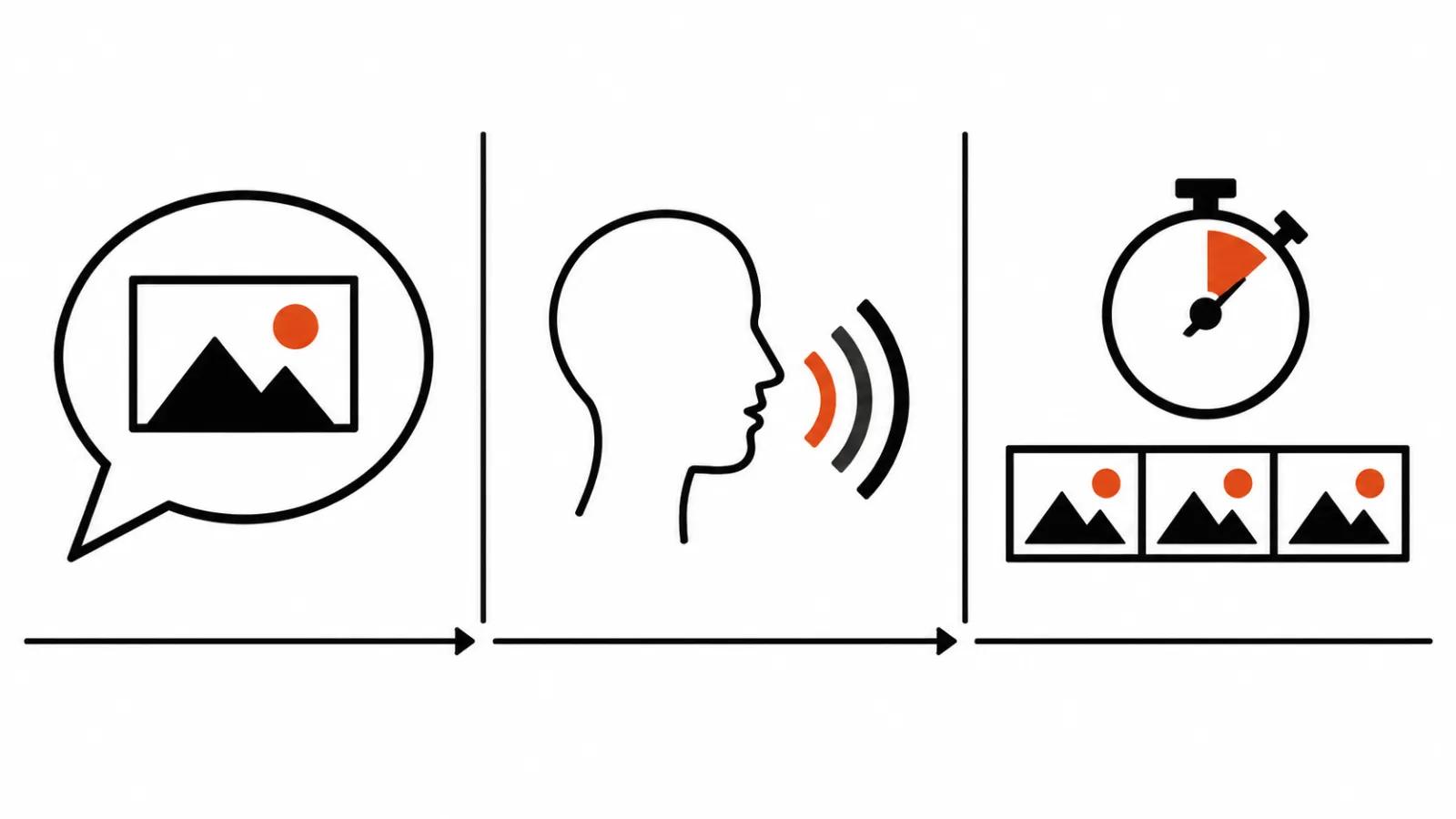
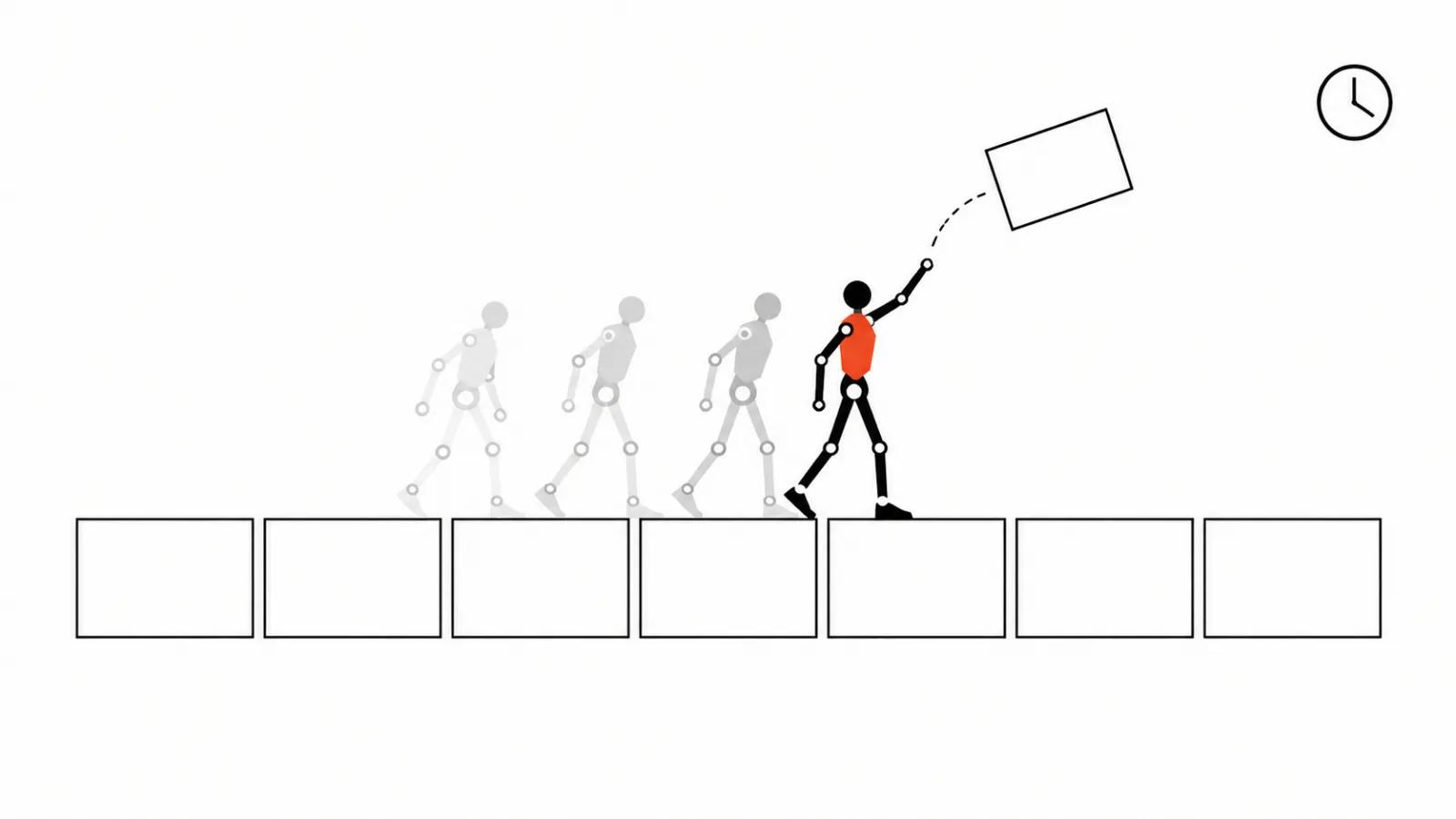
Micro-drama has hard constraints: an episode fits into a single session in an app, conflict starts in the first seconds, and every scene exists to hold attention. The vertical frame is mandatory: the viewer is holding the phone one-handed.
That drives decisions visible in the Life Tak announcement too:
For advertising this is not abstract: vertical video ads follow the same retention rules, except the product takes the place of the drama. When the deliverable is a campaign rather than a series, it becomes a separate problem — storyboard, pacing, shot size — with the same toolkit.
- close-ups over wide shots — detail reads better on a narrow screen than a panorama;
- one idea per episode — nobody scrubs back to recall context;
- editing built for a thumb, not a remote: the episode is judged on completion, not runtime.
What AI does here, and what the newsroom still does
In the announcement, AI is positioned as the way to build a modern take on a classic story. Practically, that implies:
One important detail: the announcement names neither models nor production vendors. Any figure like "an episode in N hours" or "a budget X times lower" would be invented, so we are not quoting one. What the text confirms is the format, the platform, the date and AI involvement in the retelling.
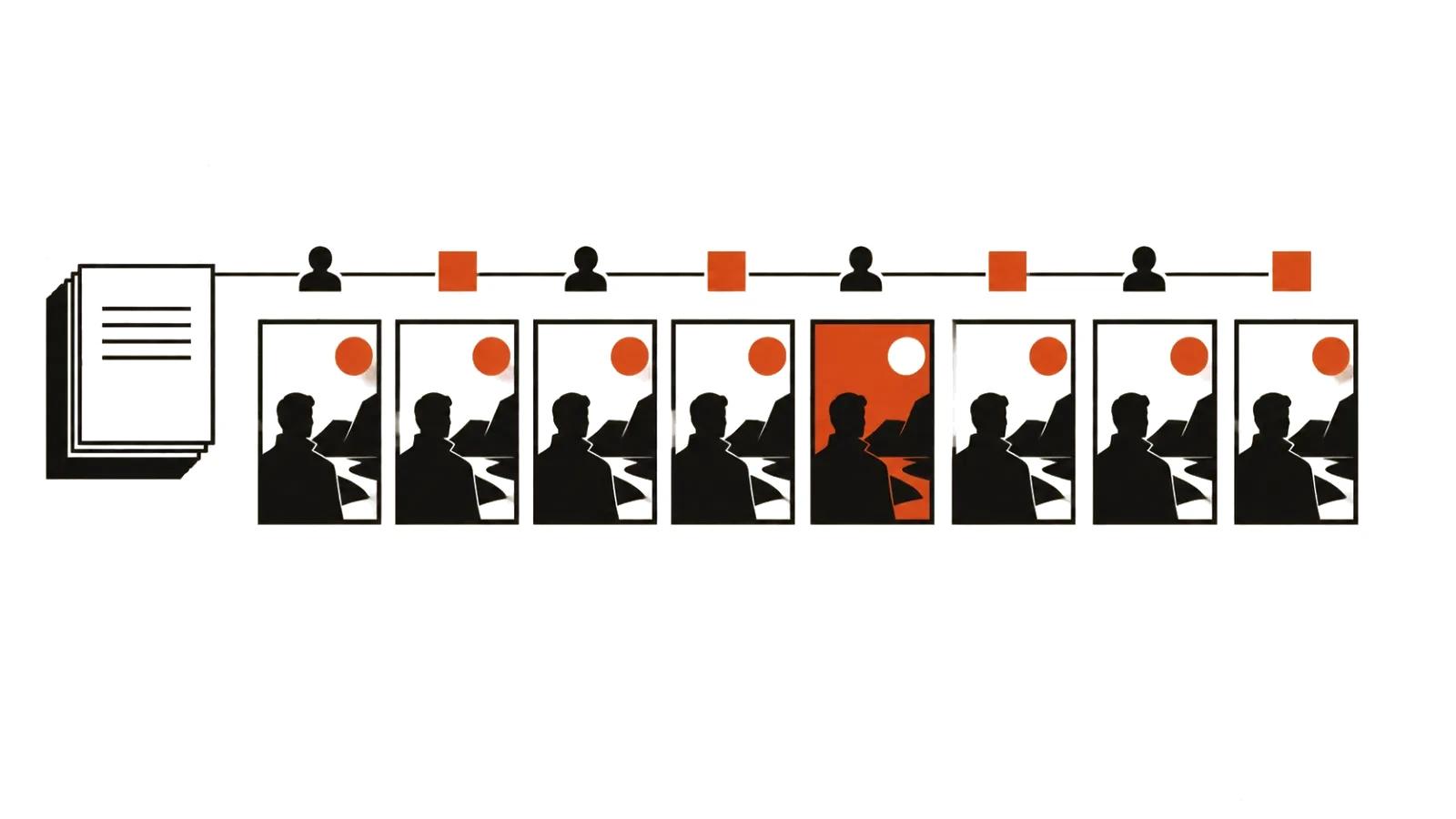
When AI video production runs at volume, this is exactly what it looks like in practice: AI covers the draft volume, a person owns final assembly and sign-off.
- AI absorbs part of the prep load: scene variants, draft shots, bulk intermediate assemblies;
- the loop from script to episode to publication shortens, so a season can be filled faster than a conventional shoot allows;
- but acceptance stays human — story, drama and final episode quality remain an editorial job, not a model's.
Serialization: where the real load starts
A single AI-assisted episode is not the hard part today. A season is: twenty, forty, a hundred episodes with no drift in characters, look or rhythm. That is where a demo ends and production begins.
What changes as you scale:
Hence the split. Complex handcrafted videos — where authored framing, staging and precise meaning matter — do not scale on their own; they are piecework. And mass vertical videos follow a throughput logic: many episodes, predictable quality, automated assembly and publishing.
Life Tak is interesting precisely because it tries to join both in one product: serialized drama as the content, throughput as the way it gets made.
- you need a locked reference library for characters and sets, or faces drift by episode ten;
- you need a fixed palette, shot scale and cutting rhythm — that is the show's identity, not decoration;
- you need an acceptance pipeline: someone checks every episode against a checklist, or rejects ship in batches.
What it means for brands and agencies
Micro-drama is ready-made ad inventory. The audience already has the vertical habit, the platform is built around episodic structure, and the unit of measurement is episode completion. For a brand, that means the story can carry the product instead of interrupting it, and the integration can be measured by retention rather than impressions.
In our own experience pricing for work like this looks like this: handcrafted videos with script development and real editing start at $394 per video of up to 90 seconds, and a series is priced the same way, per episode. Mass formats, where videos are assembled automatically for a given niche, cost from $2.47 CPM (per 1,000 views). What drives the price is how much human work sits inside the frame.
One thing to keep in mind before starting: a vertical series has a short memory. If episodes land in bursts, viewers do not come back — regularity matters here more than it does in feature-length work.
How to repeat a launch like this: check before episode one
Lock the story and the season structure before generating anything: rewriting an arc mid-stream costs more than rewriting it on paper.
- Build the reference library first: characters, locations, palette, shot scale — one by one.
- Decide what AI does in-frame versus what is shot or drawn by hand, and avoid mixing those zones inside one episode without a reason.
- Write the acceptance checklist: runtime, first frame, audio, artifacts, fidelity to the character description.
- Choose where the series lives — your own platform, third-party channels, or both. Life Tak, for instance, uses both its own handles and the group's app.
- Size the release cadence to your team, not to the model's peak throughput. The schedule matters more than the peak.