What ElevenLabs published
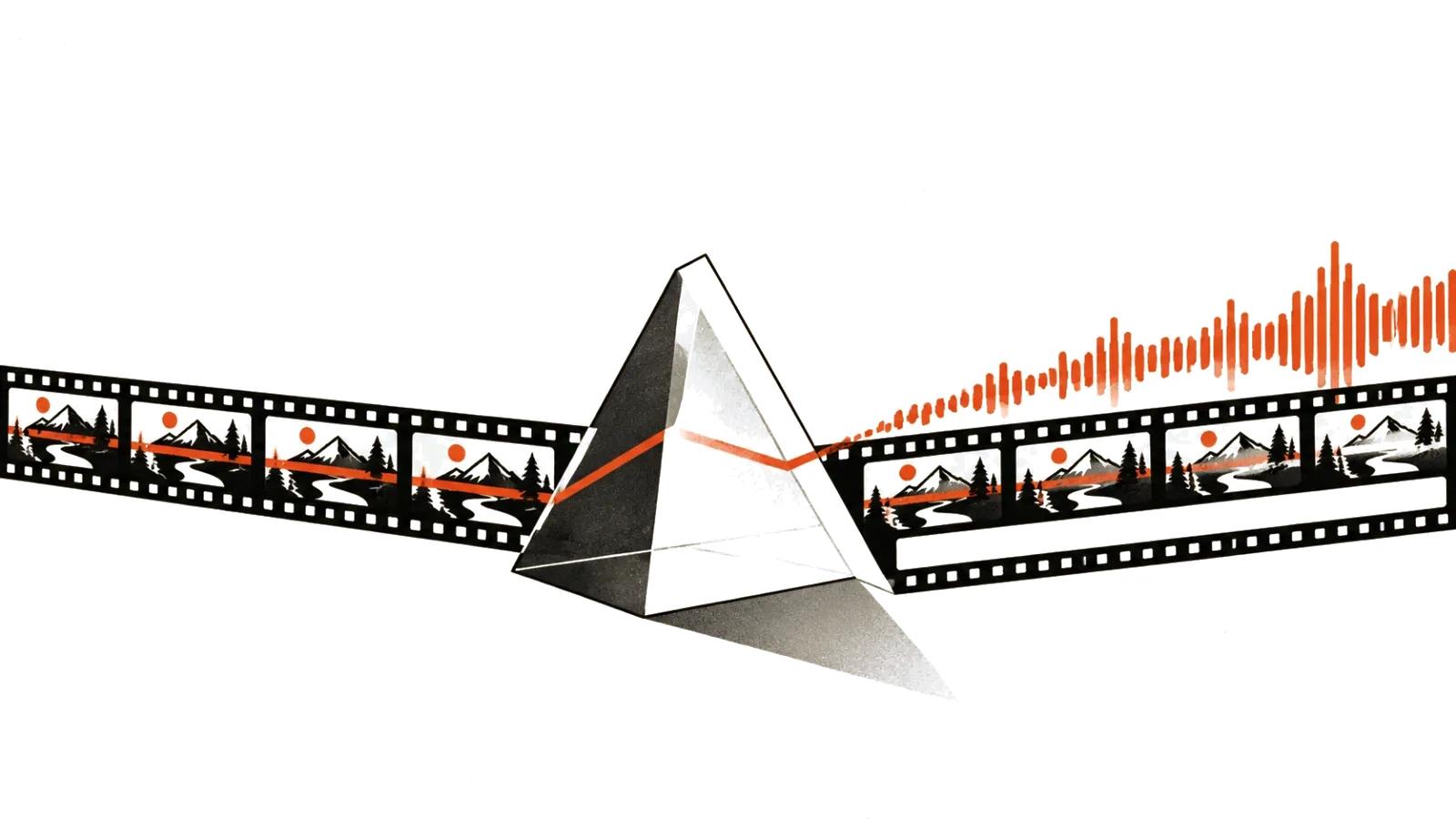
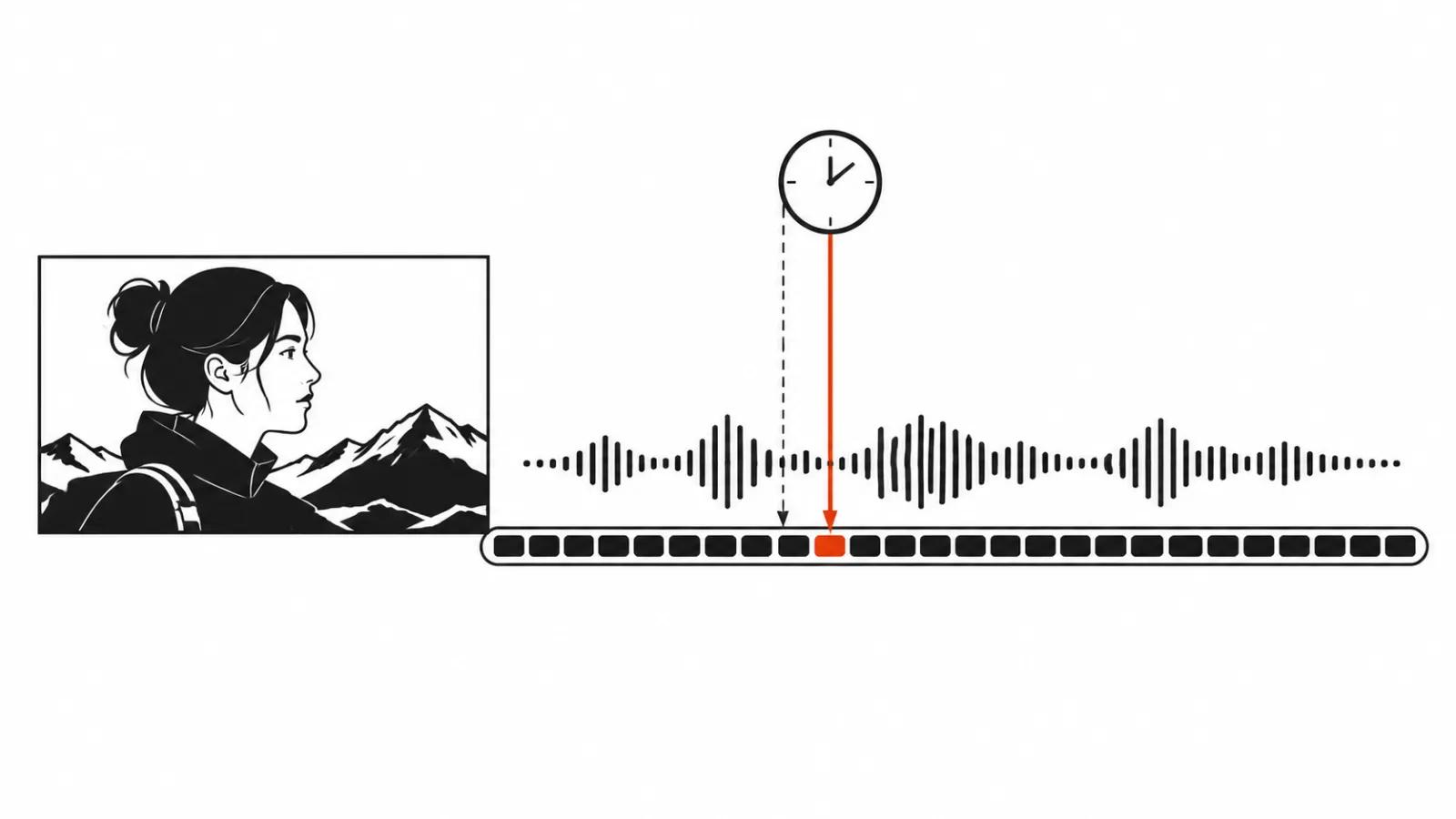
On October 28, 2026, at 12:00 UTC, ElevenLabs published a technical post on Cue. It is a forced alignment model: it takes audio and a transcript and places every character on the timeline of that recording.
Cue is not a standalone niche product. By the company's description it is the last step in the speech-to-text pipeline and runs behind every Scribe transcription. Subtitles, dubbing and lyric timing also pass through it, and it can be used directly through the Forced Alignment API.
The character level matters here. Most tools return word boundaries, and inside a word the timing becomes approximate. Cue aims at characters, which is what karaoke highlighting and word-by-word subtitle reveals depend on.
Why it matters in an edit
Alignment does one job: it matches text to sound in time. When a subtitle lands a fraction of a second after the line, the viewer notices the friction even without knowing where it comes from.
In dubbing the same error reads worse. The line has to sit inside the mouth shapes, and a 200 millisecond shift already sounds like a different performance.
In practice this is a separate stage: transcribe, then check timings, then fix by hand. The more accurate the alignment, the shorter that fix, and the fewer cuts come back from review.
Why long files drift
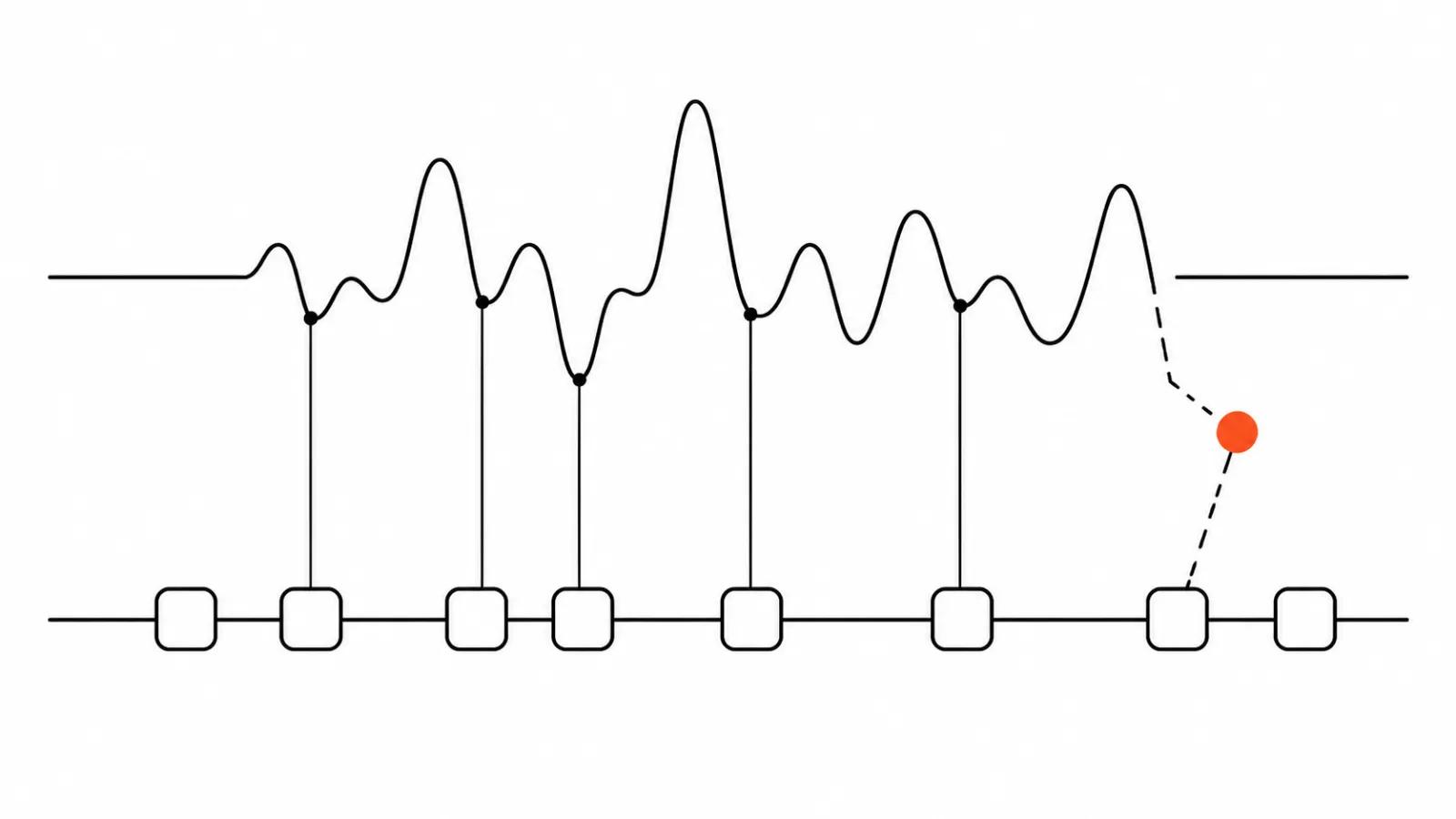
Length is the old problem. Many tools work well on clips of about 30 seconds, and longer recordings have to be chopped into chunks. Every boundary adds a small error, and on a long file those errors add up.
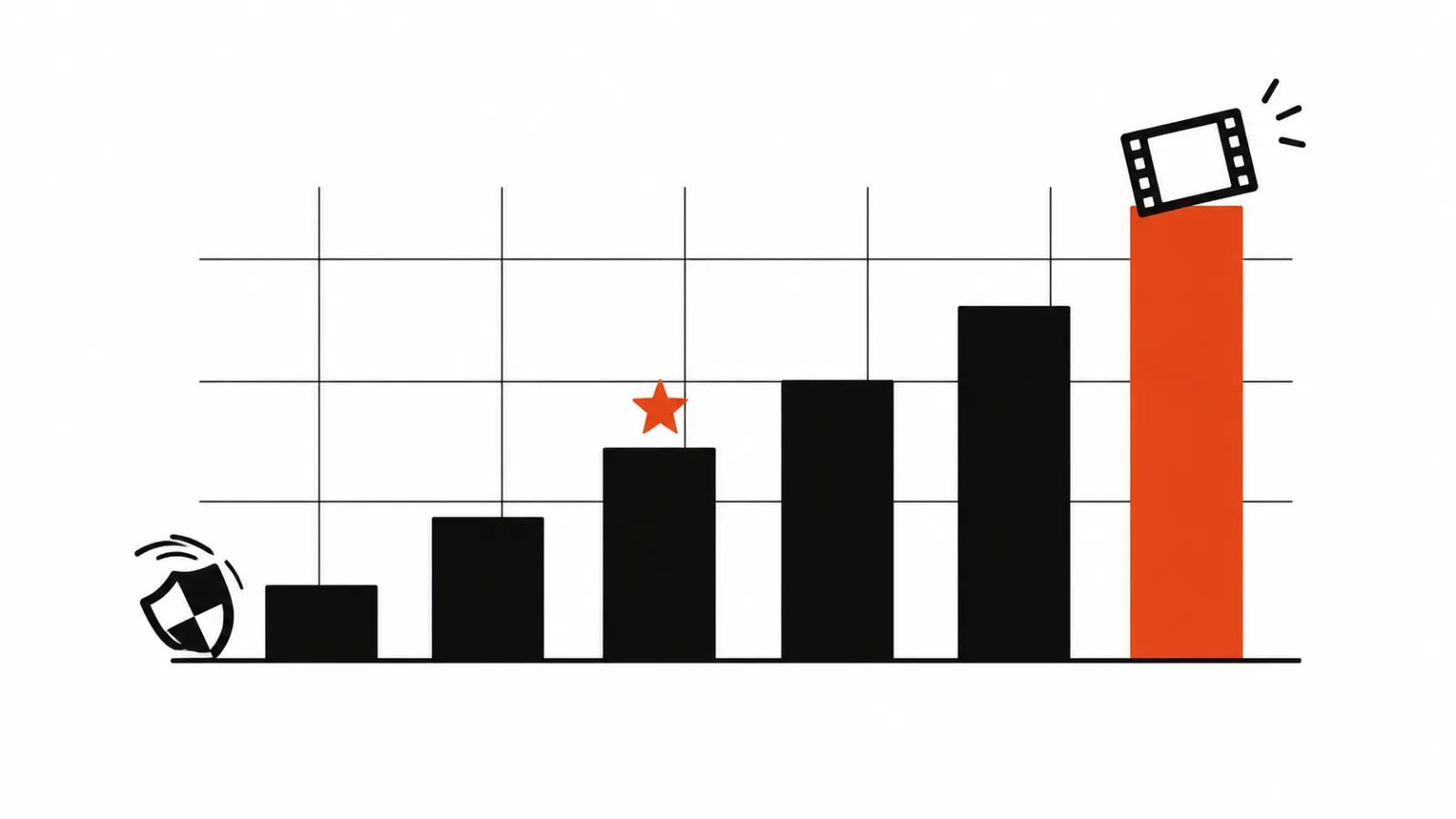
ElevenLabs reports an average error of 179 milliseconds for Cue on full recordings. The open tools in its comparison ranged from 283 milliseconds to more than 6 000 milliseconds.
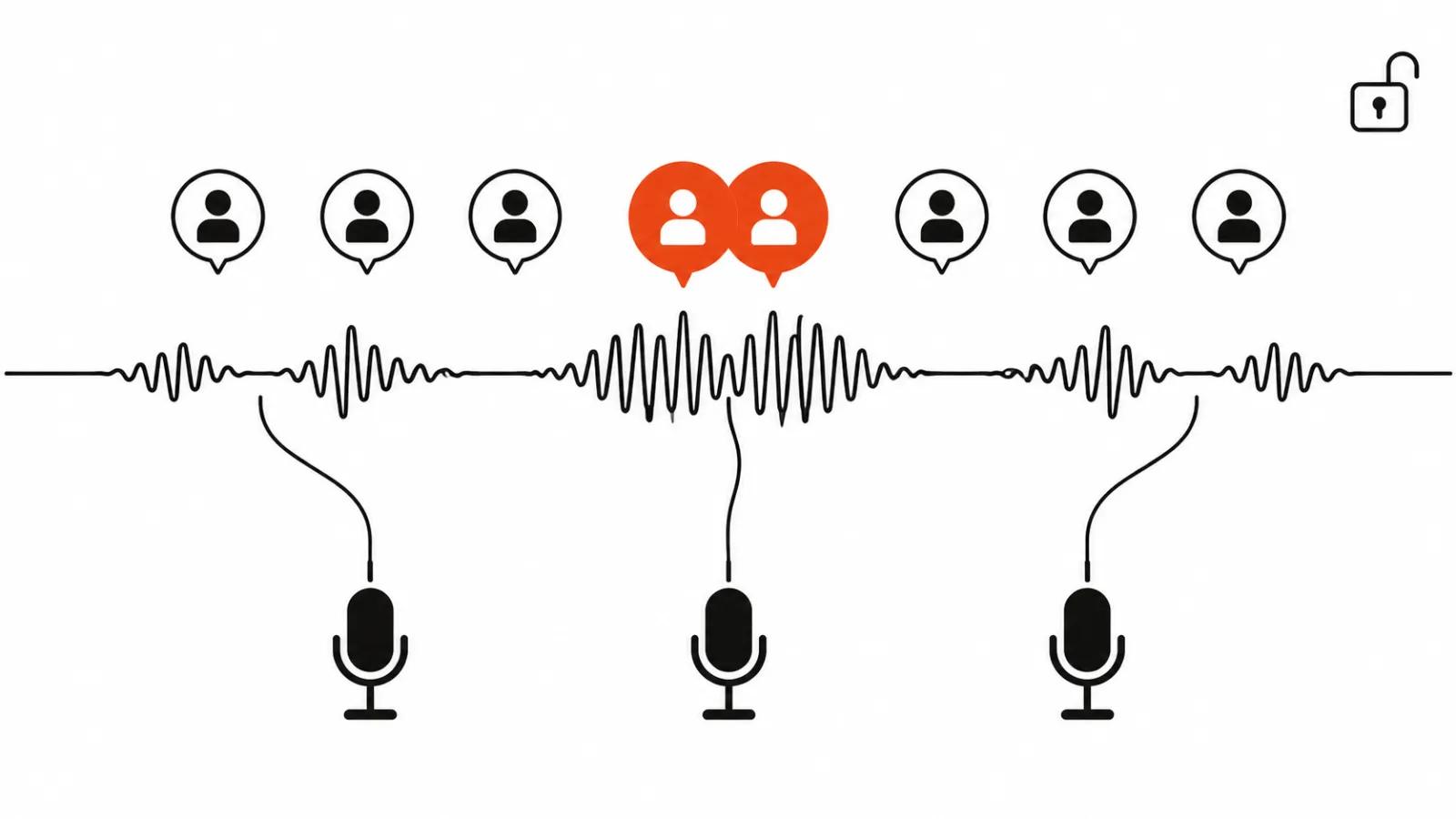
Messy audio is the second source of error. Background noise, overlapping speech and music push many tools off track. On English recordings with those problems Cue averaged 57 milliseconds, and the others ranged from 65 to 920 milliseconds.
Cue processes a recording in a single pass, which the company says is what stops the error from accumulating at chunk boundaries.
Speed and languages
An hour of audio takes about half a second on the company's production GPU. The next fastest tool, Qwen3-ForcedAligner, takes nearly two seconds, and the slowest in the comparison takes well over a minute.
One model covers more than 90 languages, and the benchmark tested 29. Among open tools only MMS-FA handles all 29, and Cue was generally quicker at finding word boundaries on it.
Speed is not about a record here. It is about putting alignment inside a pipeline, so a batch of a thousand clips stops being a separate project with its own queue.
Songs and karaoke
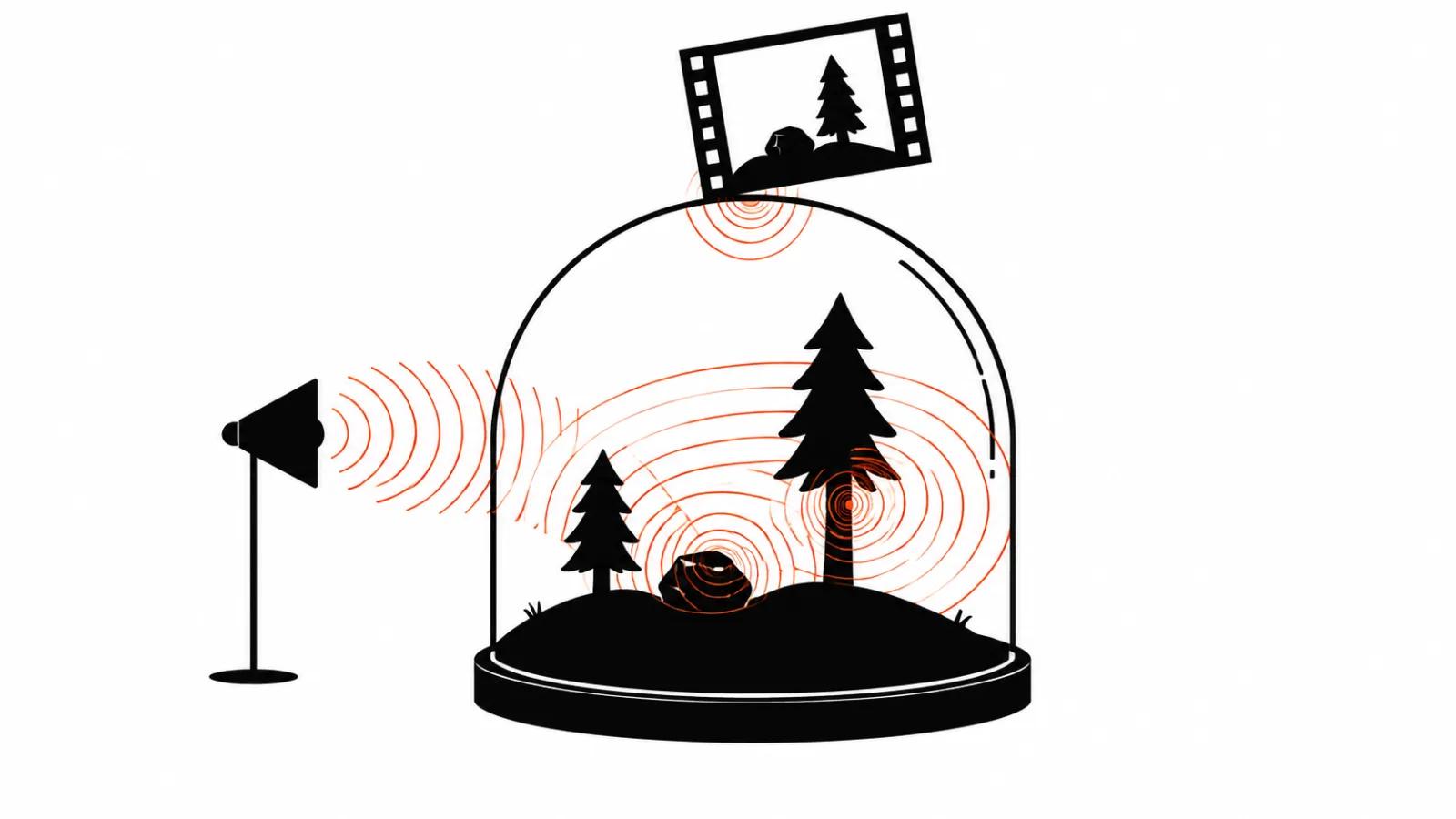
Music is the hard case, because singing stretches and blurs words. On a subset of songs from the open JamendoLyrics MultiLang set the model worked in English, French, Spanish and German in one pass.
The result: 92.7% of words landed within 0.3 seconds of the reference, against 82.0% for the next best tool. Average start error was 0.82 seconds, about half the closest competitor, and the model was more accurate on at least 19 of the 22 songs.
For video this opens up karaoke subtitles and lyric videos where the text follows the vocal. That work used to be done by hand, or skipped because hand timing was too slow.
Where a human still checks
The company is honest about the ceiling. At character level the human ear runs out of resolution, so there is no ground truth left to measure against. The researcher quoted in the post says the model has moved past human accuracy, which makes full verification impossible.
The practical consequence is a shift in the editor's job. Alignment stops being where defects are caught, and review turns into sense and pronunciation checks.
The usual limits remain. Dialects, accents and specialist terms still need checking. A fix for Georgian and a couple of other low-resource languages shipped in under 24 hours after a customer report, which says a lot about how the model improves.
What it changes for AI video production
First, subtitles and dubbing stop being a line item with hours of sync work baked in. When alignment is accurate, those hours move into review and hand fixes take minutes.
Second, short-form video at scale gets cheaper to assemble from one master. Each version carries its own captions and its own voice, and sync stops being a separate shift.
Third, video versioning gets a cleaner tool. When the voice or the language changes, the text timings have to travel with it, and accurate alignment removes part of the manual work.
For teams running AI video production in volume, one more thing changes. Alignment becomes a pipeline step you own, without a service where you upload a file and wait. One clip in five languages stops needing five separate sync passes, since timings come from the model and a person checks meaning.
The bottom line
Cue is a rare case of a company publishing error rates and a competitor list, with no demo reel in sight. The numbers 179 and 57 milliseconds look small, and they are exactly what separates amateur captions from the ones nobody notices.
My advice: take your worst file, the one with noise, two speakers and jargon, and compare alignment on it. If the difference is visible, put the model into your pipeline. If not, you are already fine.