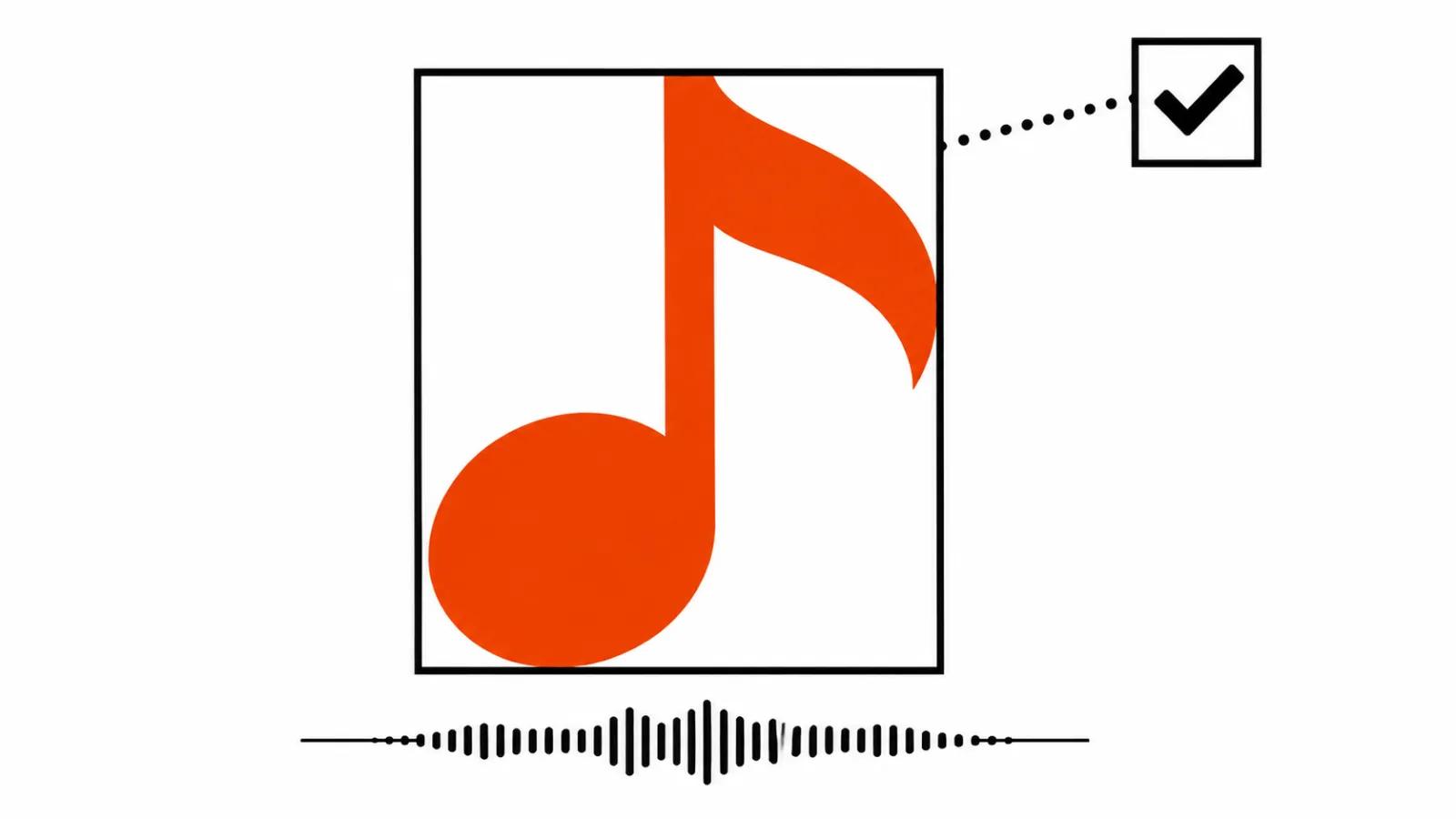
What YouTube changed about music disclosure
YouTube widened its mandatory AI disclosure with a new line: content that uses AI to create music that is the main focus of the video. Reports of the change surfaced on October 3, 2026. The box lives in YouTube Studio under AI use, next to the items for synthetic picture and voice.
Three things matter more than the wording. The disclosure does not limit reach and does not switch off monetisation. A pattern of skipping it can bring a label, a takedown or removal from the YouTube Partner Program. Cloning your own voice for narration and restoring audio do not require disclosure.
What counts as the main focus, YouTube has not defined. The platform appears to leave the call to the uploader, and that is the weak spot: a track under a talking head and a clip where the song carries the whole video land in different readings.
Four audio releases in one week
Reservoir sued Suno on October 22, with claims of up to 186 million dollars. On October 28 Suno opened its MCP beta: a song gets built inside ChatGPT, Claude or Gemini, and credits come off the plan. On October 29 Udio and UMG settled their case and announced a future service with no track downloads. That same day ElevenLabs shipped SFX v3, and Pika showed H3 Flex returning five separate audio tracks through its API: dialogue, music, effects, foley and ambience.
The signal is plain. Sound has moved inside generation, and the legal footing differs by vendor. Suno litigates, Udio settles and gives up file export, ElevenLabs sells a subscription with effects and split tracks.
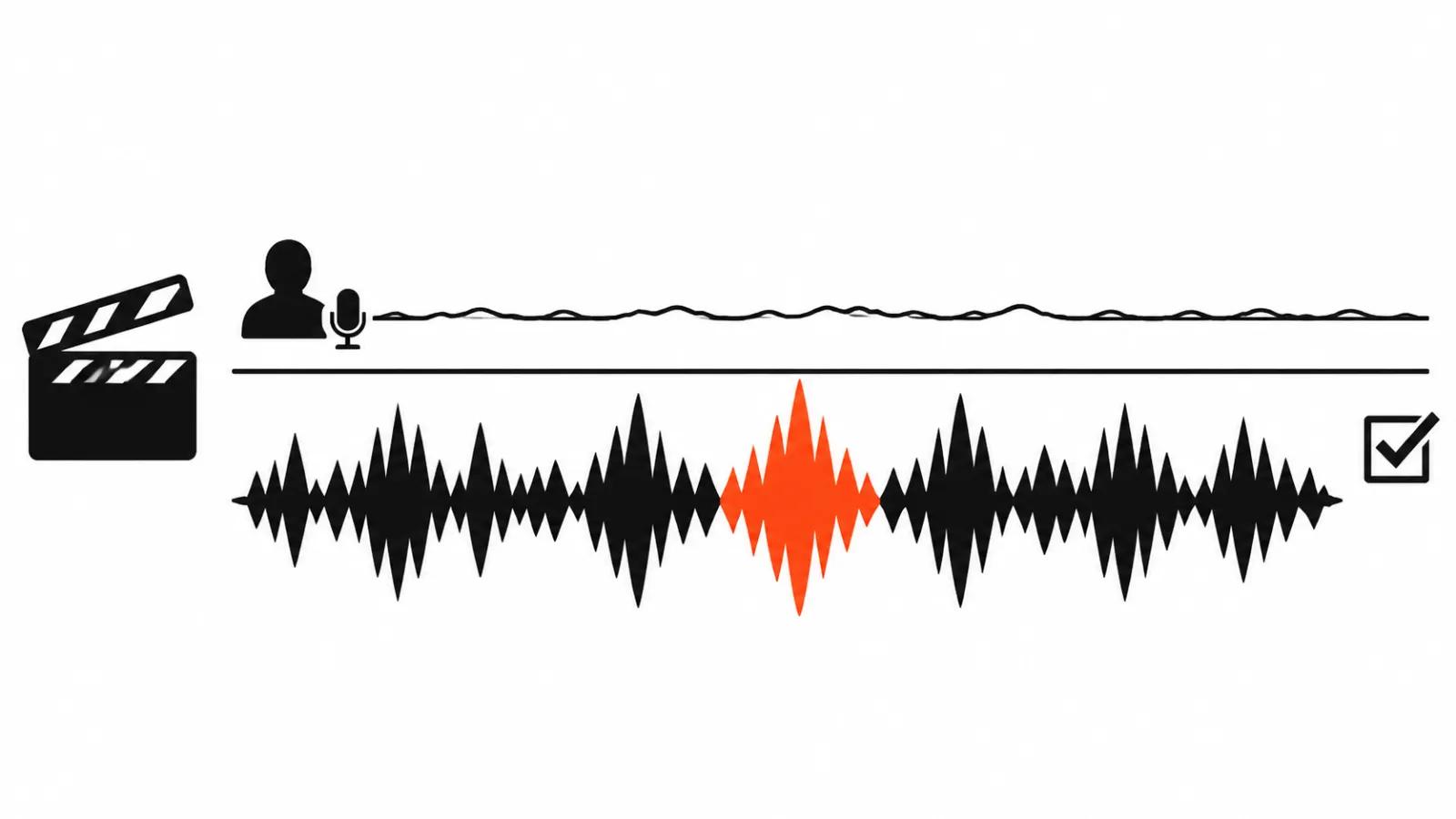
AI music for business video: background or headline
I split clips into two kinds, and each gets its own tooling and its own checks.
Background under a talking head. The music carries no meaning here, its job is to fill pauses and kill the empty-room feel. Ambience and effects are enough, and SFX v3 from ElevenLabs or the ambience track from H3 Flex will do it. Disclosure is usually unnecessary in that clip, since the focus sits on the person.
The clip where the song is the point. An AI music video, a channel intro, a promo with a track across the full runtime. That is where the music box in Studio gets ticked, and where the licence for commercial use gets read.
The mistake I see most often: someone generates a bed on a free tier that allows personal use, then drops it into an ad. The claim in that case comes from the rights holder, and the platform stays out of it.
Rights: settle three questions first
Get answers before the first generation request.
Licence. Commercial use, term, territory, right to alter. Suno and Udio have rewritten their terms several times. After the UMG settlement Udio moves to a different model: tracks live inside the service and files stay put. For an edit, that means depending on someone else's player.
Litigation. Reservoir wants up to 186 million dollars from Suno, and until a ruling nobody can say how training on protected recordings ends. A company that puts music into ads is wise to keep a licensed catalogue as a fallback.
Your own voice. Cloning your own voice for narration needs no disclosure, and it is the calmest route when the video needs actual vocals. The voice belongs to a person, and consent gets documented once.
Commissioned music: when the track gets its own line
If a track lands in an ad, in a client video or in something that runs for years, I would price it as a separate line item. Two reasons.
Accountability first. A licence bought on a contractor's account does not always travel to the client, and a year later the rights turn out to sit with the studio. Quality second. A track built against a specific cut sits better than a library pick, and it can be rebuilt for another length.
Our handcrafted AI videos from $190 take music into the job together with the edit, and an AI YouTube channel from $200 per month covers episodes on a schedule, where the intro track gets solved once and reused. For a complex scene with a person on camera the price of that work stays the reference point, because generation does not hold those scenes yet.
Checklist before publishing
Decide what leads the clip: the song or the speech.
- Tick the music item under AI use when the song holds the focus.
- Check the commercial licence against the specific placement.
- Save the receipt and the plan terms as of the generation date.
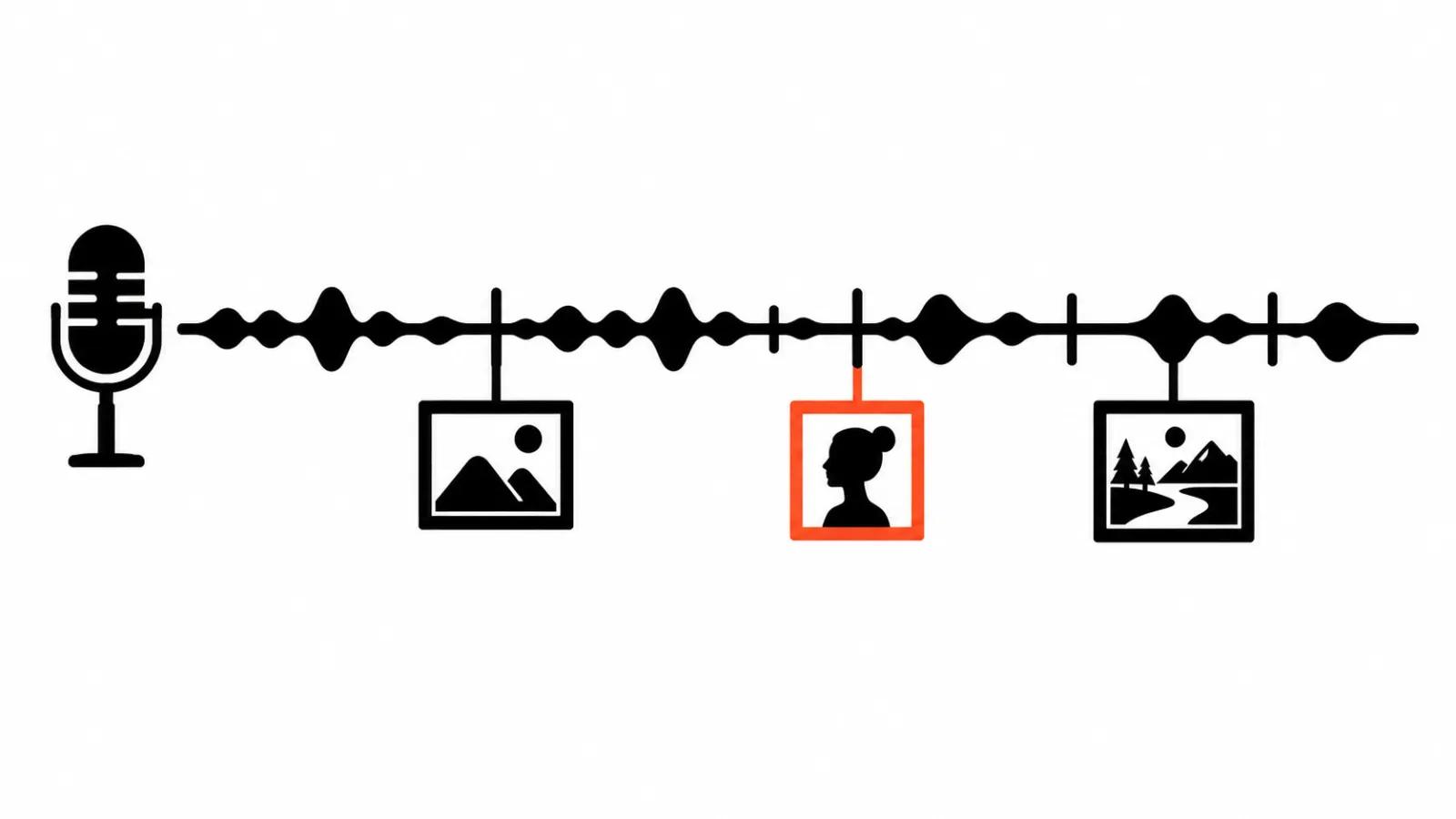
- Pull the audio tracks apart so the cut can be rebuilt for another platform.
- Reread the vendor terms before each new campaign.
What I would do as a business
Script first, then the decision on whether a song is needed at all. Most clips live on ambience and effects, and a vocal track there is wasted budget.
Then one song per quarter for the channel intro, with a licence and saved terms. Only after that, if the format proves out, music with vocals gets its own budget line.
With that order the disclosure stops being scary. One tick in Studio, reach and revenue untouched. The scary part is a foreign track inside an ad that someone notices six months later.