What these bots are
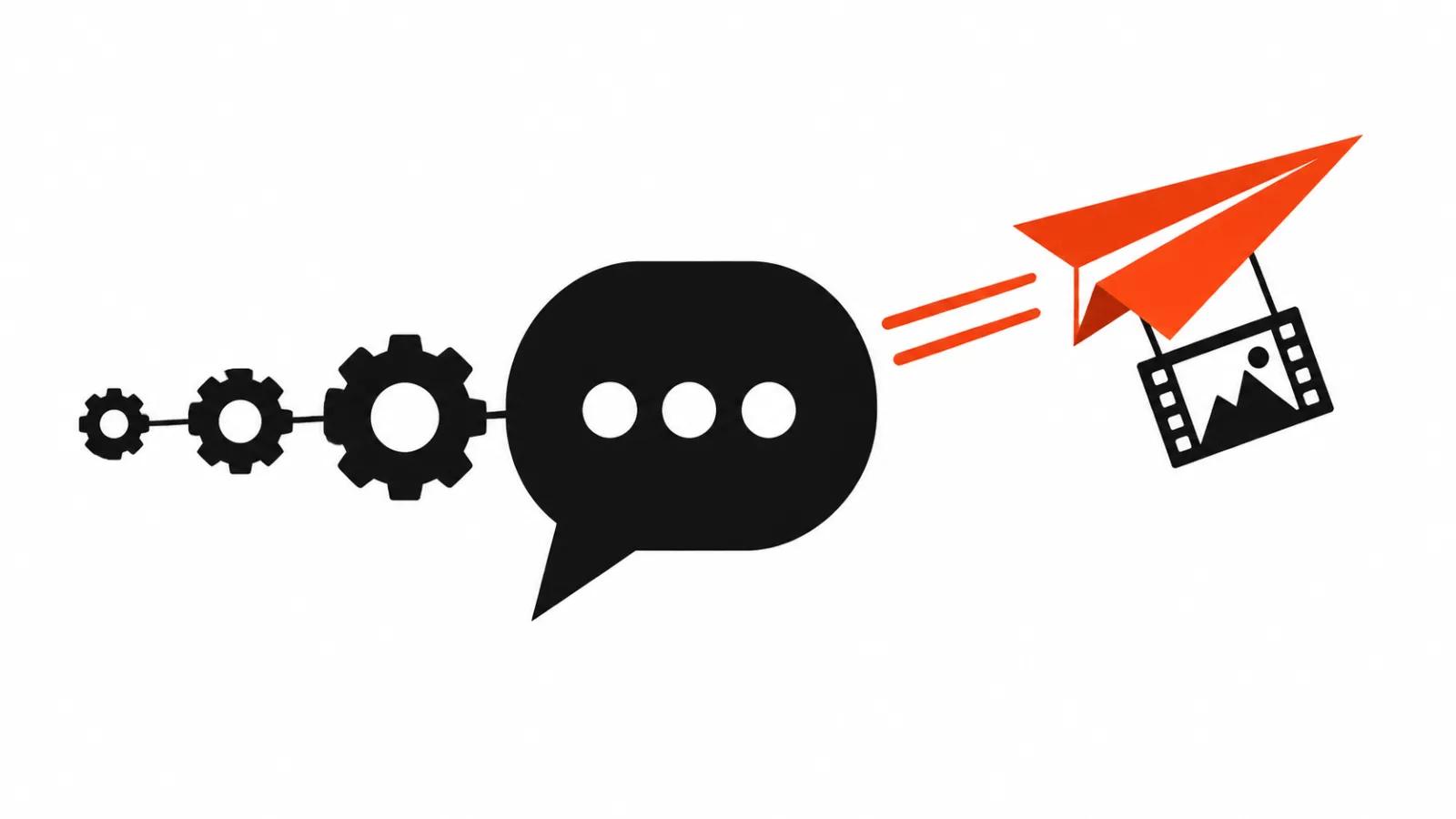
AI video bots on Telegram are middlemen. You send a prompt and a photo, the bot forwards the request to a model server, receives the file and returns it to the chat. Sometimes it is a vendor's official bot. More often it is a private service reselling someone else's API.
The difference matters. An official bot runs its maker's model and follows that maker's rules on quality and data. A private reseller runs on a resold API and often swaps models without telling you. That is why the same prompt can give a different result a week later.
How the middleman works
The usual setup: the owner buys API access, adds a queue, limits and a subscription, then wraps it in a chat interface. The margin sits between the API price and the subscription price.
Everything else follows. The model may be a cheap tier with a fancy name. The queue may run for hours at peak. Features advertised on the landing page may be missing on your plan.
What happens to your photos
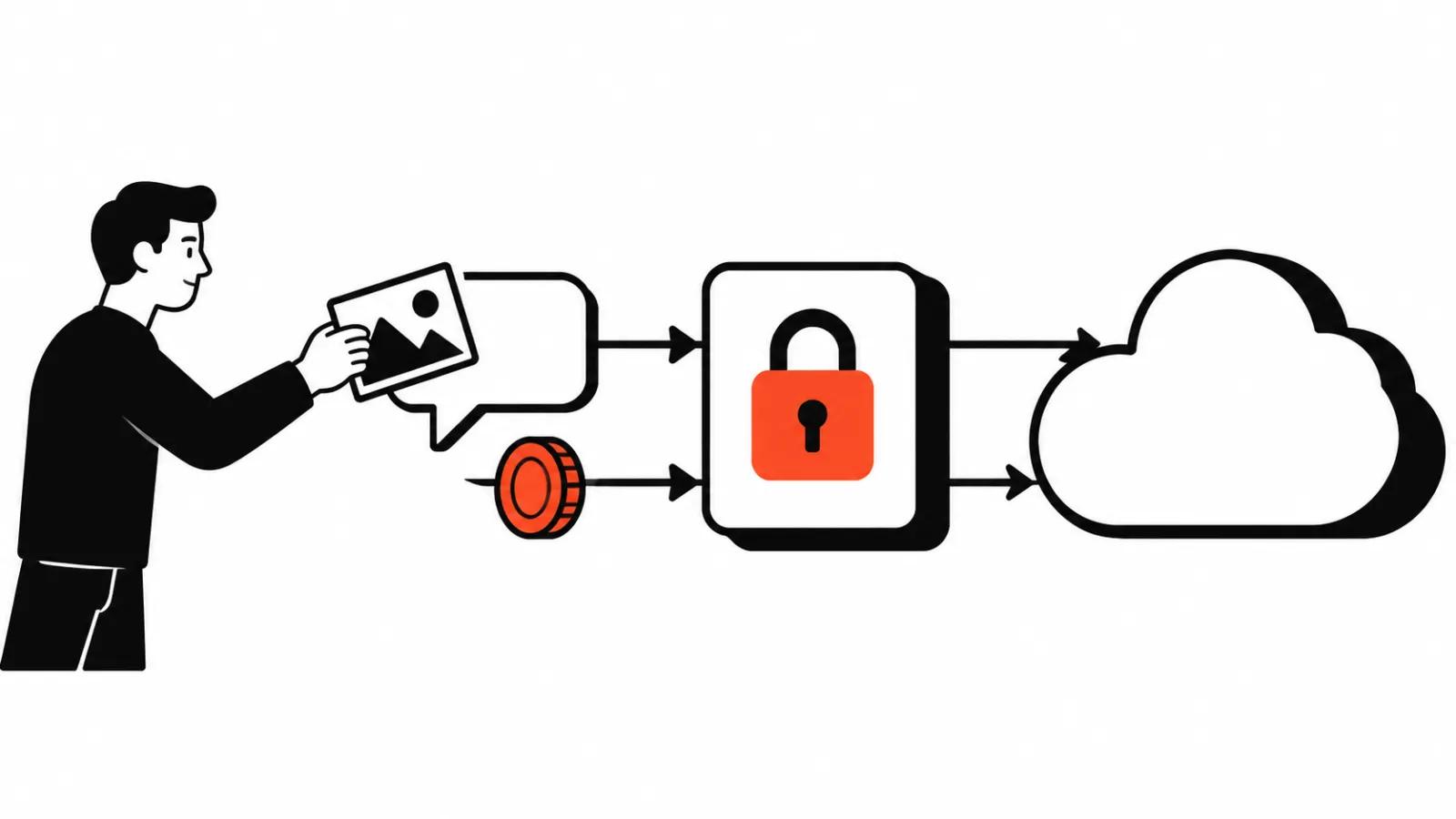
An uploaded photo goes to the middleman's server and from there to the model provider. What the middleman stores, for how long and to whom it passes data depends on its own terms. Many bots publish no terms at all.
A practical rule: do not upload documents, other people's portraits, factory footage or anything confidential into a random bot. For work material, look for a service with a real contract and a clear storage policy.
Who owns the output
This is where confusion is common. The terms of major models usually allow commercial use of generated material, yet a middleman can add its own conditions. Some bots state they may use your prompts to promote the service.
There is a second layer: rights to the source photos and to the faces in them. A person's consent is required regardless of who generated the video. A third layer is music and third party footage inside the prompt.
Limits, queues, subscriptions
A subscription in a bot usually buys queue access. You pay for attempts, never for results, and that is the key difference from a studio. Ten generations can produce zero usable clips, and the money stays spent.
Limits also change after the fact: twenty videos a month today, ten tomorrow. A support chat can promise one number and the billing page can charge another. There is no changelog to check, because nobody keeps one. Fine for a one-off test, risky for production.
Payment and card data
Payment goes through a processor or straight into the chat. Check who the recipient is and whether the service has a legal entity. If the recipient is a personal account, there is nobody to dispute a charge with. Save the receipts and the bot's terms before the first payment, while they are still visible.
Autorenewal deserves its own warning. Chat subscriptions are easy to forget, and charges keep coming. I review active subscriptions once a month, especially after tests.
When a bot makes sense
First case: a fast idea test, with the expectation of a rough result. Second: you cannot reach the model directly and a monthly plan is overkill. A useful test is to price the same clip through the API and through the bot. The gap is what you pay for the chat window, and sometimes it is fair. Third: a single video for yourself.
For regular work I would take another route, and price the pipeline before the subscription. AI video production through a service with a contract, video versioning on your side and mass posting on your own schedule give predictability a bot cannot. And to understand which models are worth testing at all, start with our guide to AI video models.