The issue
This is what landed between the evening of October 26 and the morning of October 27. Each item is small on its own and together they describe one shift: the tools get more complex, and the brief gets more demanding.
Numbered below, with a line on why each one is worth the attention.
1. ComfyUI 0.43: FLUX 3 at 4K and voice cloning
Version 0.43.0 was published on October 27 at 02:40 UTC. The changelog lists partner nodes: HeyGen with instant voice cloning and text to speech, the Crystal Video Upscaler from ClarityAI, and BFL nodes with 2K and 4K resolutions for FLUX 3 Video plus separate FLUX 3 Max nodes.
The same release adds Bria FIBO 2.0 nodes for image generation and editing, rope scaling and colour-depth control for MOSS-image, workflow templates up to 0.11.97, and a fix for the top-p sampling threshold.
Worth noticing what the release does not contain: new first-party models. The platform acts as an assembler, and output quality depends on which nodes get wired together and in what order.
Why it matters
ComfyUI remains the place where new models appear in the same graph as editing nodes. For a studio that is a way to build a pipeline from other vendors' models without waiting for a friendly button.
The price of that freedom is known. Every node carries its own memory profile and its own behaviour at the edges. A graph of six models breaks more often than a single button, and only the person who built it can repair it.
2. OmniShowcase: an object held across camera orbits
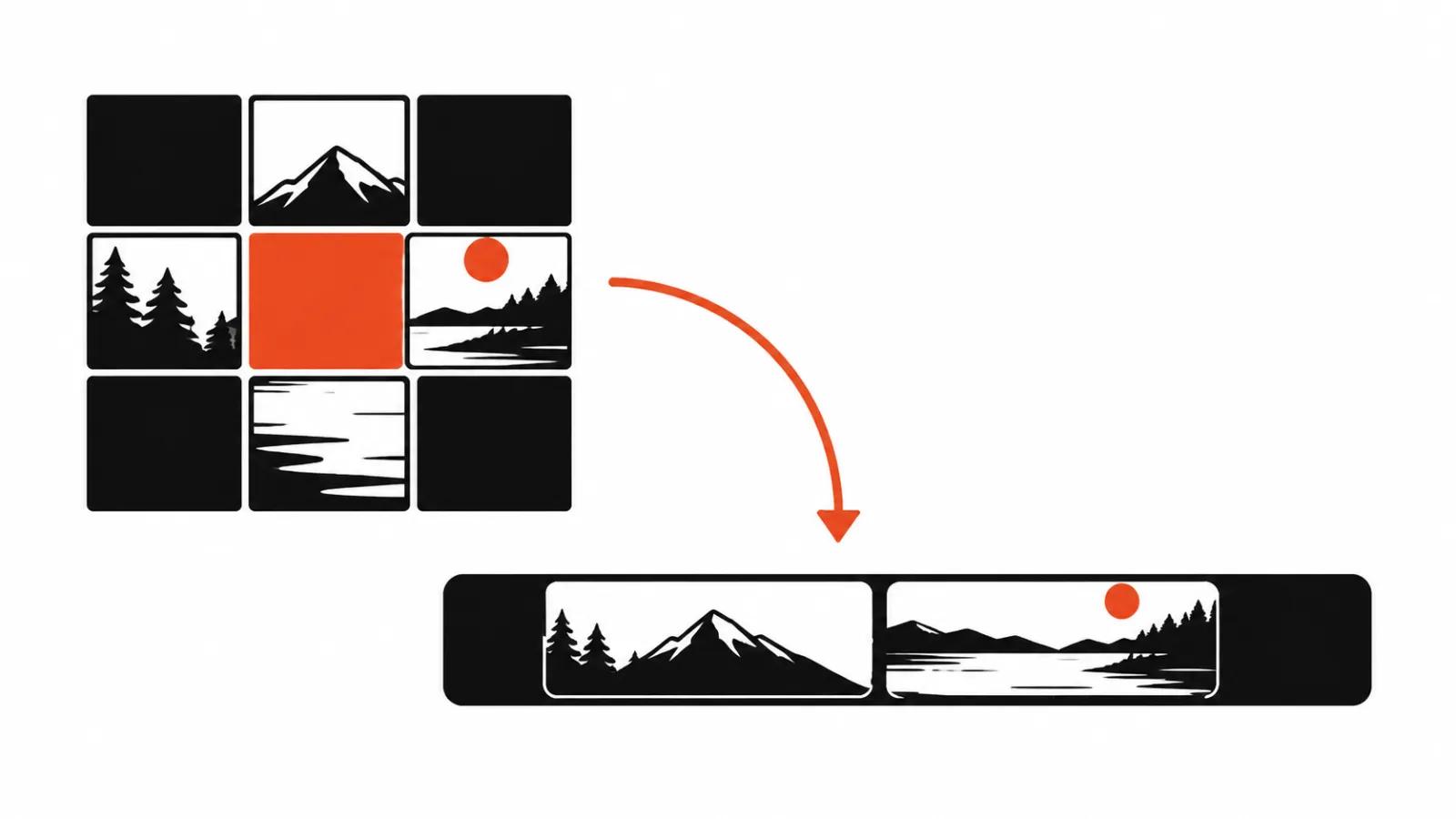
The OmniShowcase paper went up on arXiv on October 26 at 16:19 UTC. The authors tackle an old problem in reference-driven generation: when the camera circles an object, the model has to show surfaces that were not in the source photos.
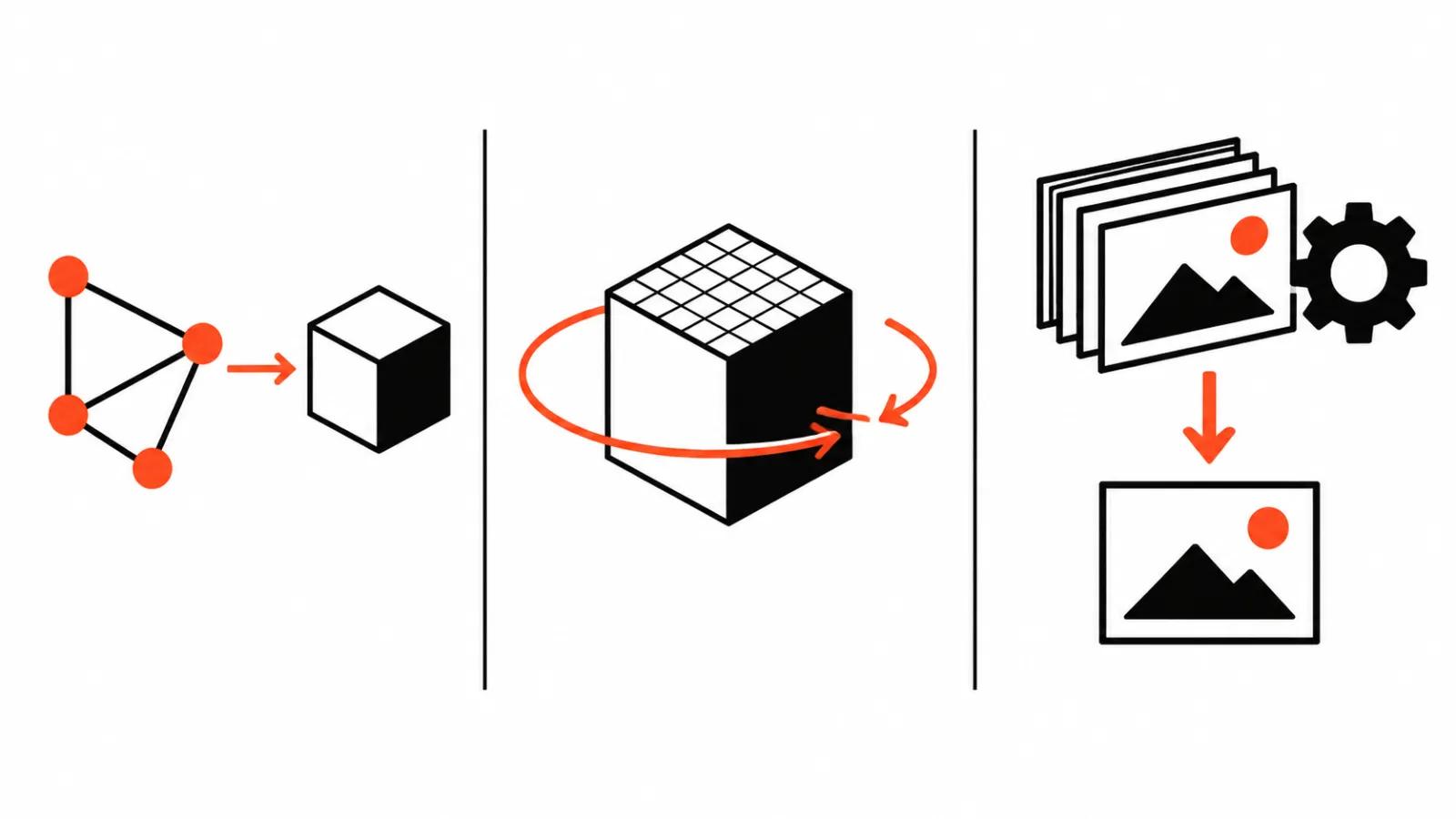
The method has two parts. One builds training video through an automated pipeline, with varied camera trajectories including a full 360-degree orbit. The other feeds the model a surface-normal map recovered from reference views, and does it without temporal alignment to the generated frames.
Alongside the method the authors built Showcase-4K: video generated from 3D assets, twelve camera motions and 88 trajectory configurations. For evaluation there is ShowcaseBench, with source meshes and camera parameters.
The authors claim the best subject identity and 3D consistency at comparable quality and motion. The numbers are in the paper, and they still deserve a test on your own products.
Why it matters
Product video with an orbit is an expensive genre. It needs a table, lights, a turntable and time for a reshoot when the client changes the packaging.
If a model holds geometry through the orbit, some of those shots move into generation. Handcrafted videos stay for scenes where the product sits inside a story and every shot is directed on its own.
3. VibeVideoBench: agents render with code
The third paper appeared on October 26 at 17:59 UTC. Its premise is simple: diffusion models handle a formula, a chart, a game rule or subtitles synced to speech badly.
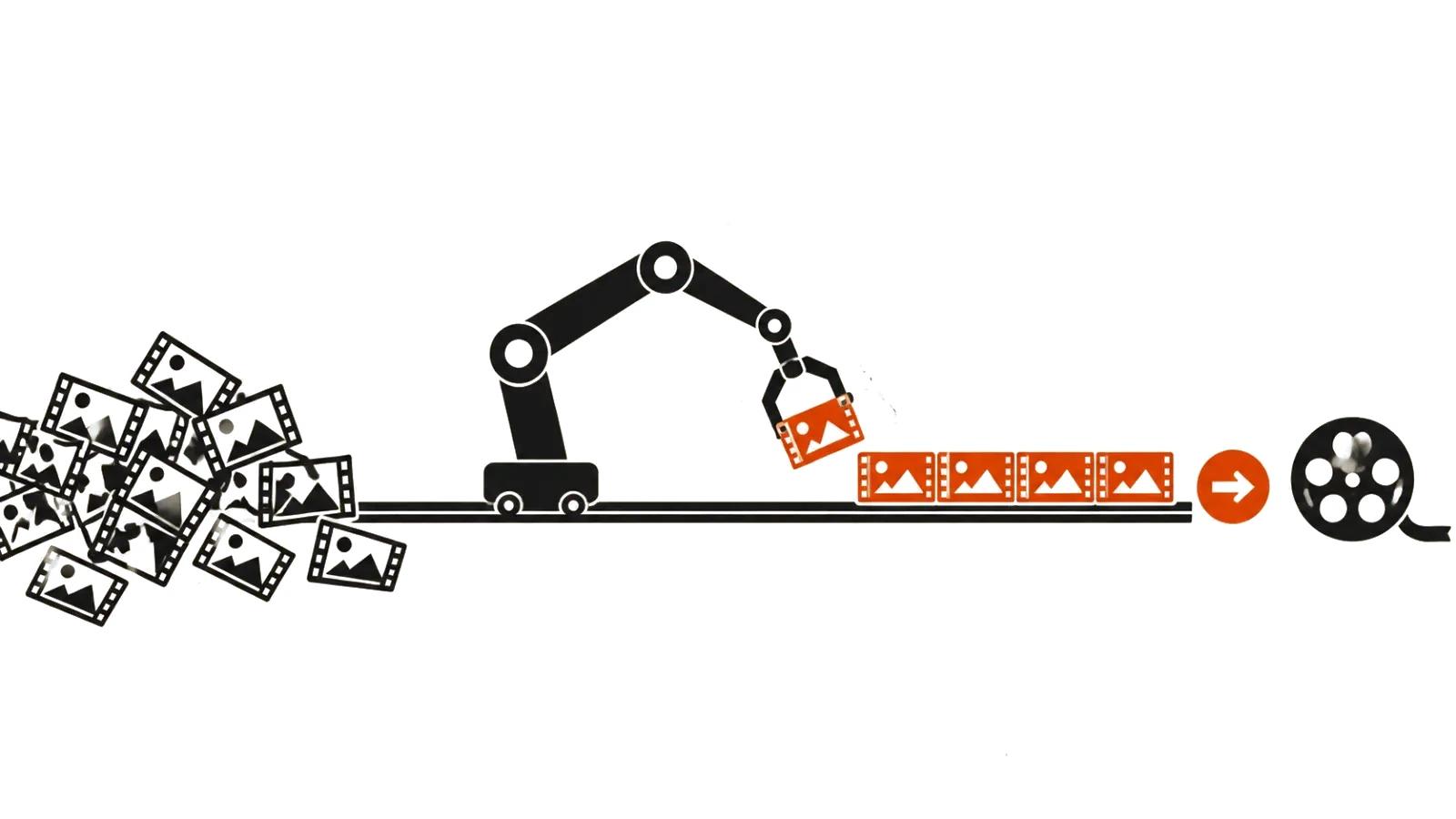
The alternative is a multimodal agent that writes code to render every frame and synthesise audio. VibeVideoBench exists to compare those systems.
It holds 239 tasks in English and Chinese across twelve categories, from data stories to school lessons to paper walkthroughs. The agent works in a sandbox and has one hour to deliver a finished MP4 with sound.
Evaluation runs in three layers: programmatic format checks, about thirteen thousand rubric checks tied to task requirements, and five quality dimensions scored by three vision-language panels plus blind human preference.
Across nine agent systems and 2,151 rollouts, the leaders, GPT-6 Astra and Claude Opus 5.5, still fail a core requirement on roughly a quarter of tasks. Three quarters of the lost videos are a final render started too late, run too slowly, or never started at all.
Why it matters
The authors carve out a class of tasks where text-to-video loses to code. Anything that needs exact graphics, numbers and synchronisation is more reliably assembled in software.
Diffusion does not leave the room. It owns atmosphere, light and motion, and that is where its advantage holds. The border between the two approaches now follows the type of content.
What follows from all three
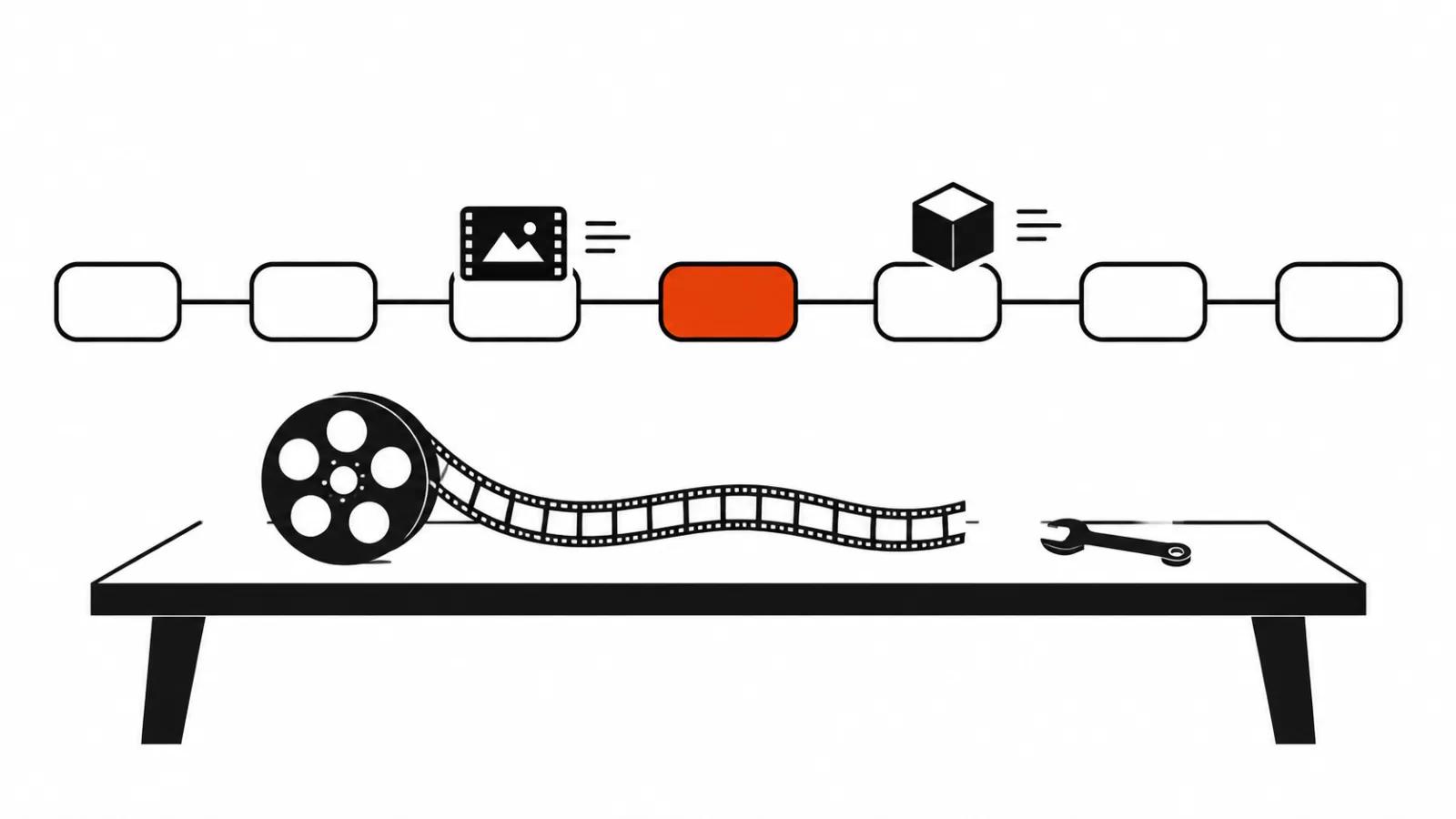
ComfyUI video generation has meant a graph of several nodes for a while. Every item points at one thing: a single run stops being the unit of work. Graphs, geometry-aware references and coding agents arrive together.
For production that means a harder brief. The more precisely a scene and its constraints are described, the less is left to luck.
AI video production turns into assembly: one model holds the object, a second handles motion, a third draws the graphics. Short-form video at scale follows the same logic, with more templates and tighter ones.
There is a second effect, about people. The skill of writing a prompt gets cheaper, and the skill of describing a system and checking its output gets more valuable. A team that counts runs and finds the weak node in a graph will be worth more than one with a folder of clever prompts.
And one last thing. None of the three items removes the test on your own frames. A benchmark of 239 tasks describes an average, and it says nothing about your product.