What Higgsfield published on October 31
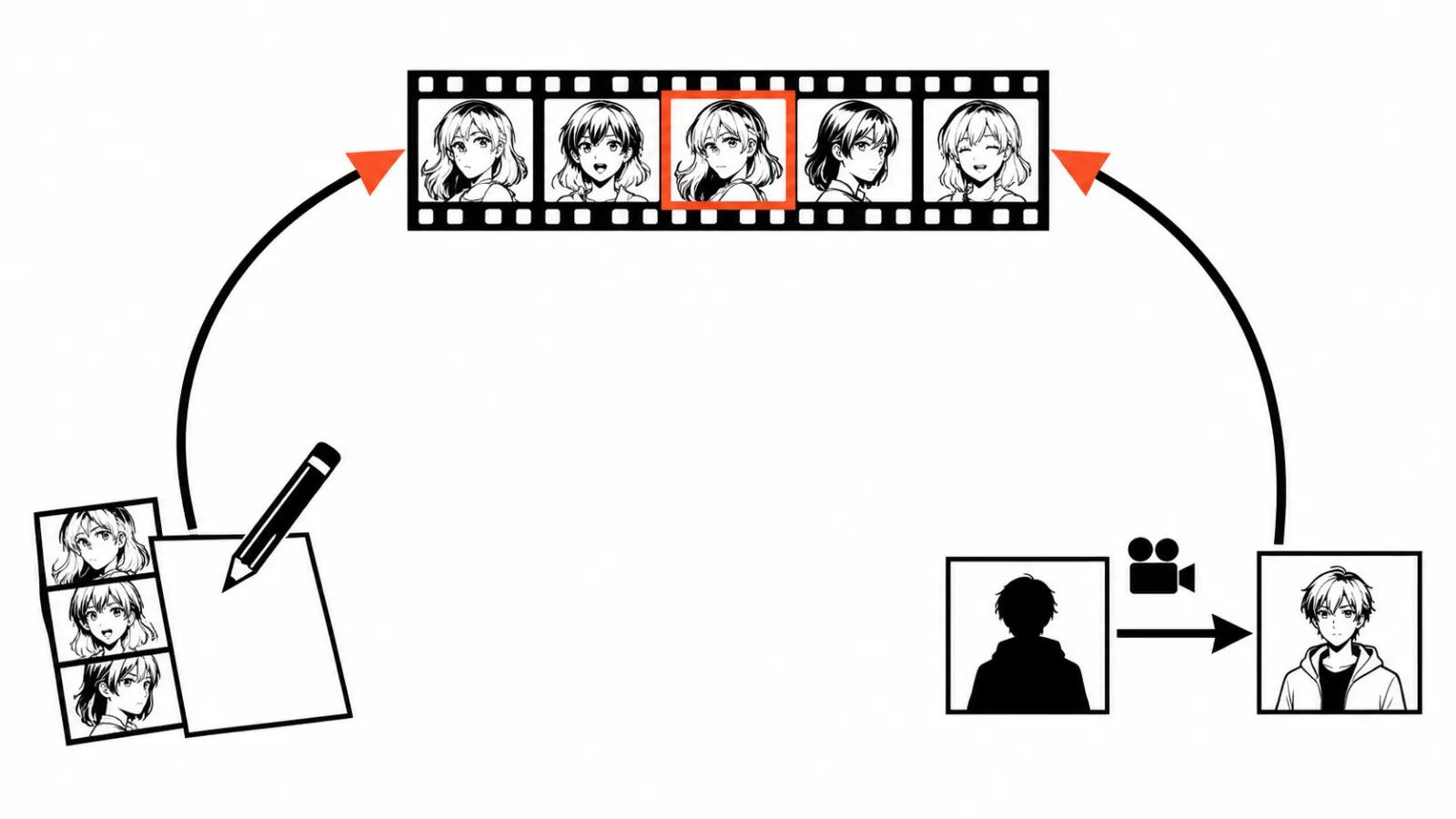
On October 31, 2026 Higgsfield released a walkthrough for building an anime series inside its own toolset. It offers two routes, and they start from different places: one from a blank page, one from footage that already exists.
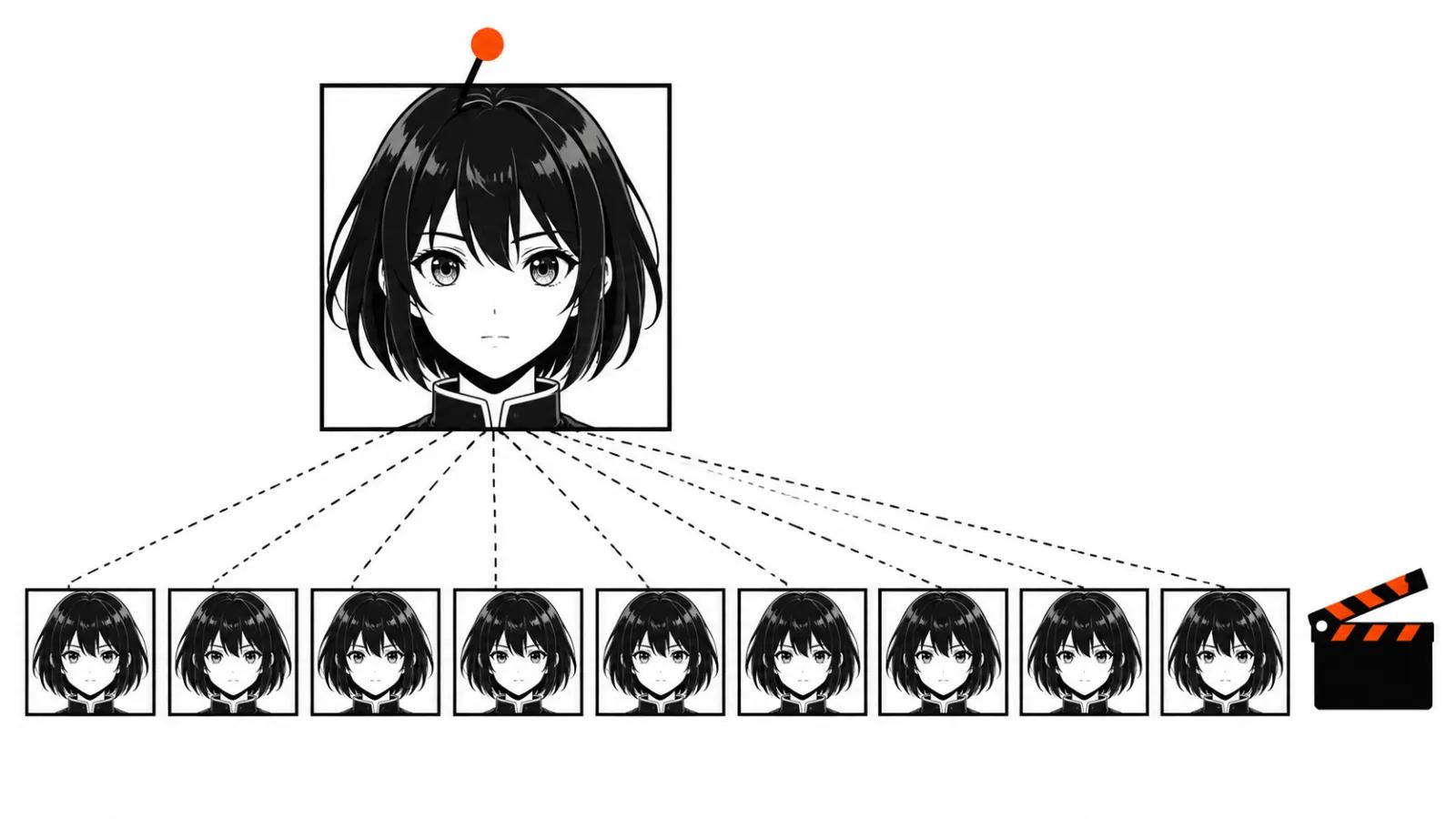
The guide is honest where it counts. It never claims a model will invent a series for you, and it names the parts an episode is actually made of: short shots, one character throughout, and a selection pass. I read it as a budget with a tool list attached. Tools change every month. Three things in it stay: a locked character look, discipline per shot, and money set aside for retakes.
How to make an anime series with AI: Soul 2.0 and Cinema Studio 4.0
Route one begins in Soul 2.0, where characters and reference frames get drawn, the anchor images that motion will later start from. Cinema Studio 4.0 then animates them. It renders clips of up to 30 seconds, accepts up to 50 references and runs on the Seedance 2.5 model.
Thirty seconds in a single clip is a real scene, long enough for a line of dialogue, a camera move, or a beat where the character does something. Fifty references explain why preparation pays: the more precise the anchor frames, the fewer surprises at the end.
The order of work does not change. Script and shot list first, frames next, motion after that, edit last. The model covers frames and motion. Script, shot list and edit stay with the person who owns the episode.
Genjutsu: an anime look for footage you already own
Route two is shorter and starts with video you have. Genjutsu repaints the source into anime, video to video: it takes a clip of 4 to 30 seconds, up to 30 image references, and returns 480p, 720p or 1080p.
One line in that section deserves a second read. Higgsfield states plainly that you should use material you shot yourself or material you hold the rights to. On client work that is the first thing to check, because someone else's footage stays someone else's footage after a repaint.
The Genjutsu route earns its place when a person is in frame and the acting matters. An actor plays the scene, the model turns it into a drawing, and the episode gets an emotion that a generator usually reaches on the third try.
The arithmetic: 30 shots of 10 seconds
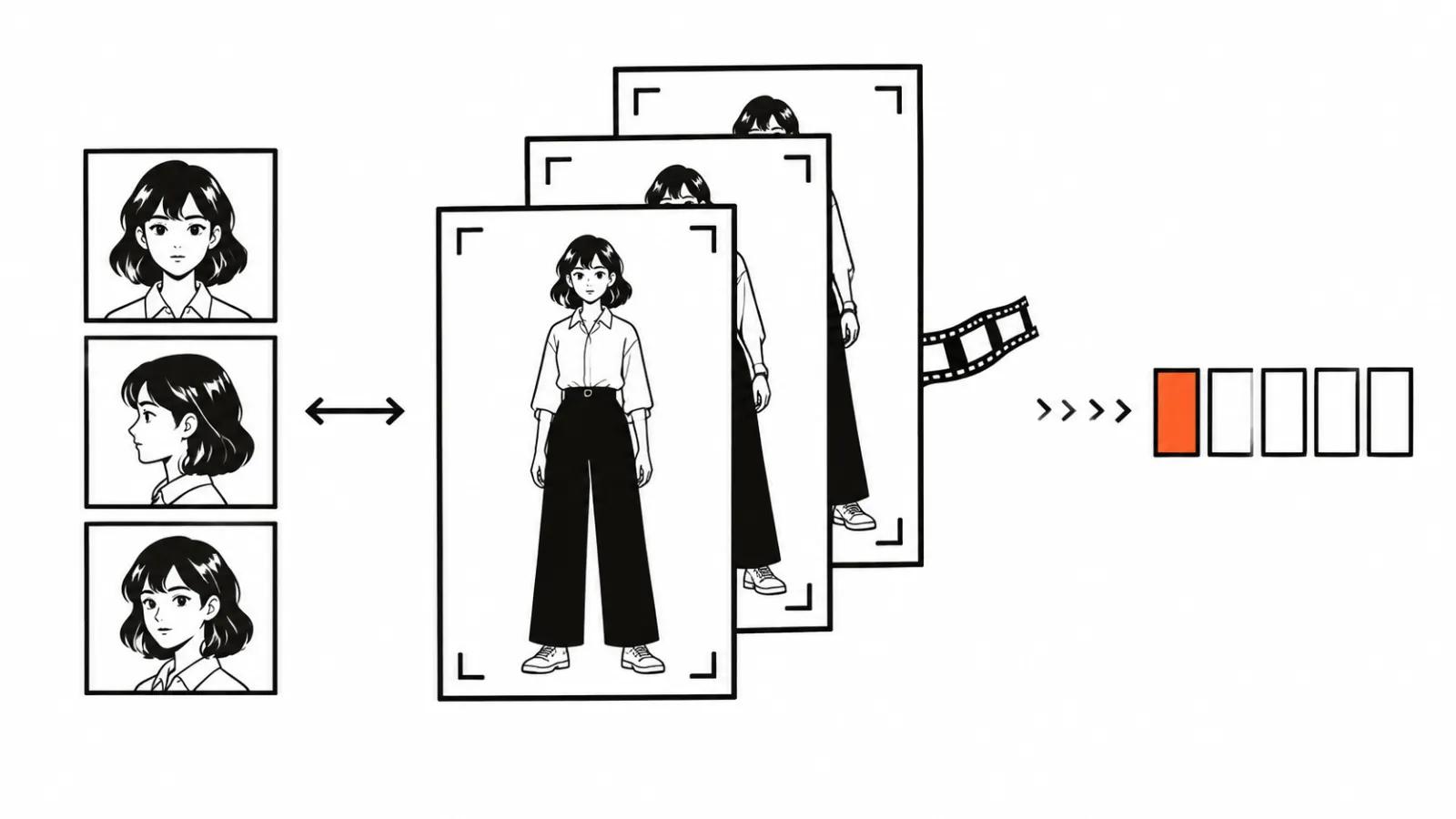
The guide contains one calculation that saves more money than any prompt library. A five-minute episode is roughly 30 shots of 10 seconds. Thirty framing decisions, thirty passes through the rushes, thirty cuts in the edit.
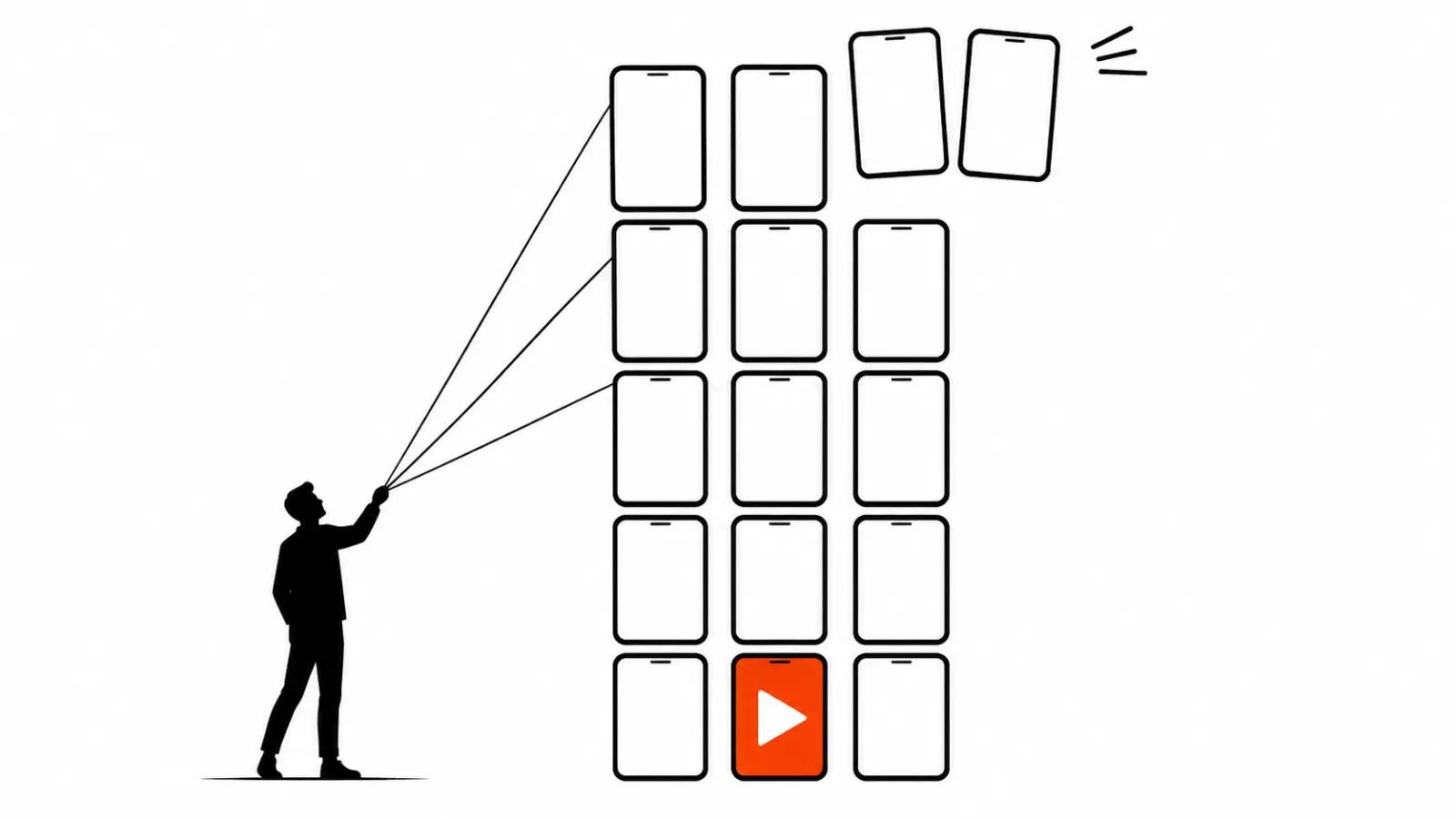
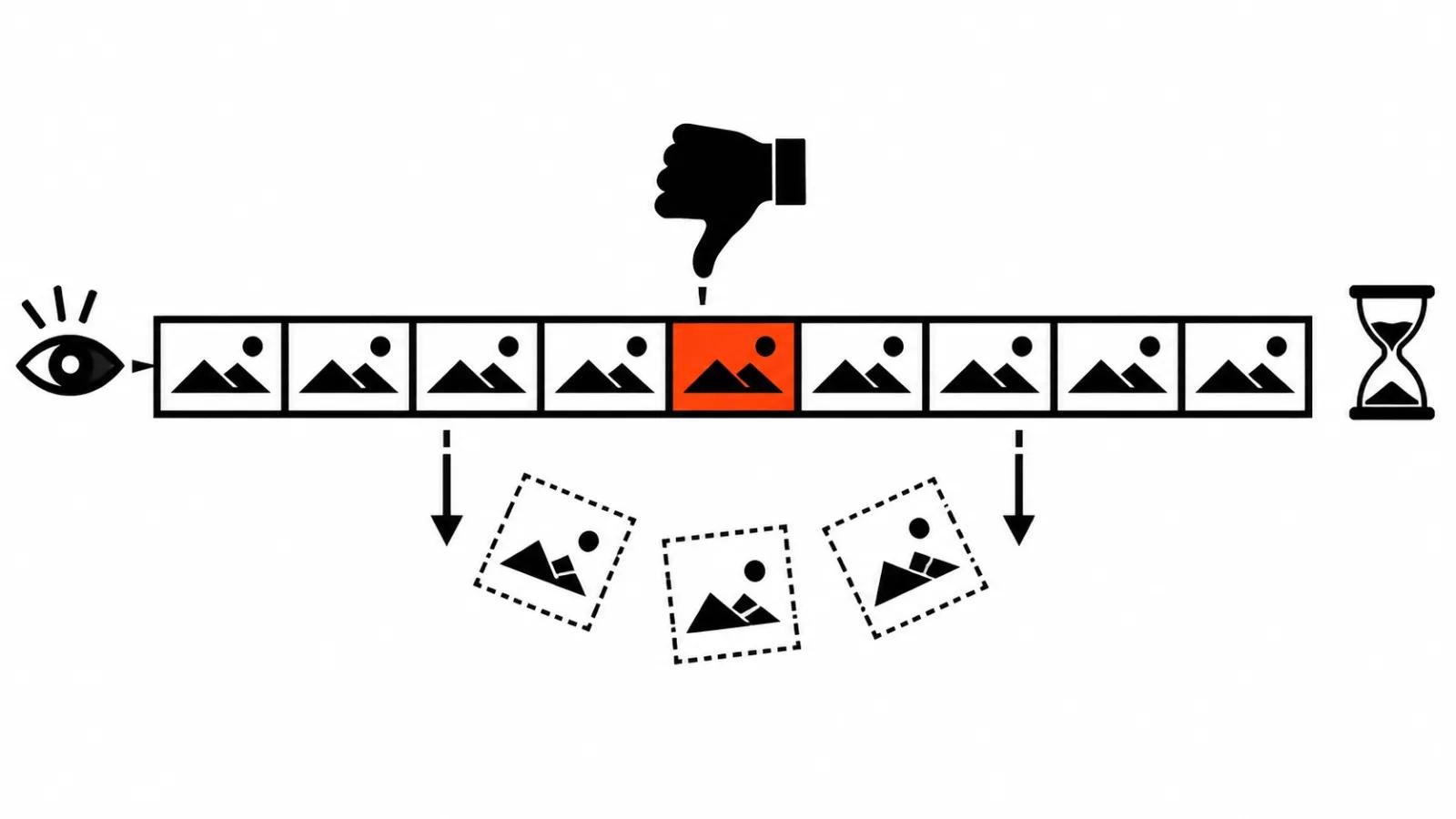
The number of generations runs higher, since some shots get rejected. That is why the guide tells you to budget for retakes: at three attempts per shot the bill triples before the edit begins. Most people discover this halfway through an episode, with half the series assembled and the credits gone.
I would cost it the way a shoot gets costed. Shot count first, reject rate second, price of one generation last. Neither the guide nor the coverage lists credit prices, so I cannot put a number on an episode, and that is the one hole in the document.
Soul ID and the screening pass
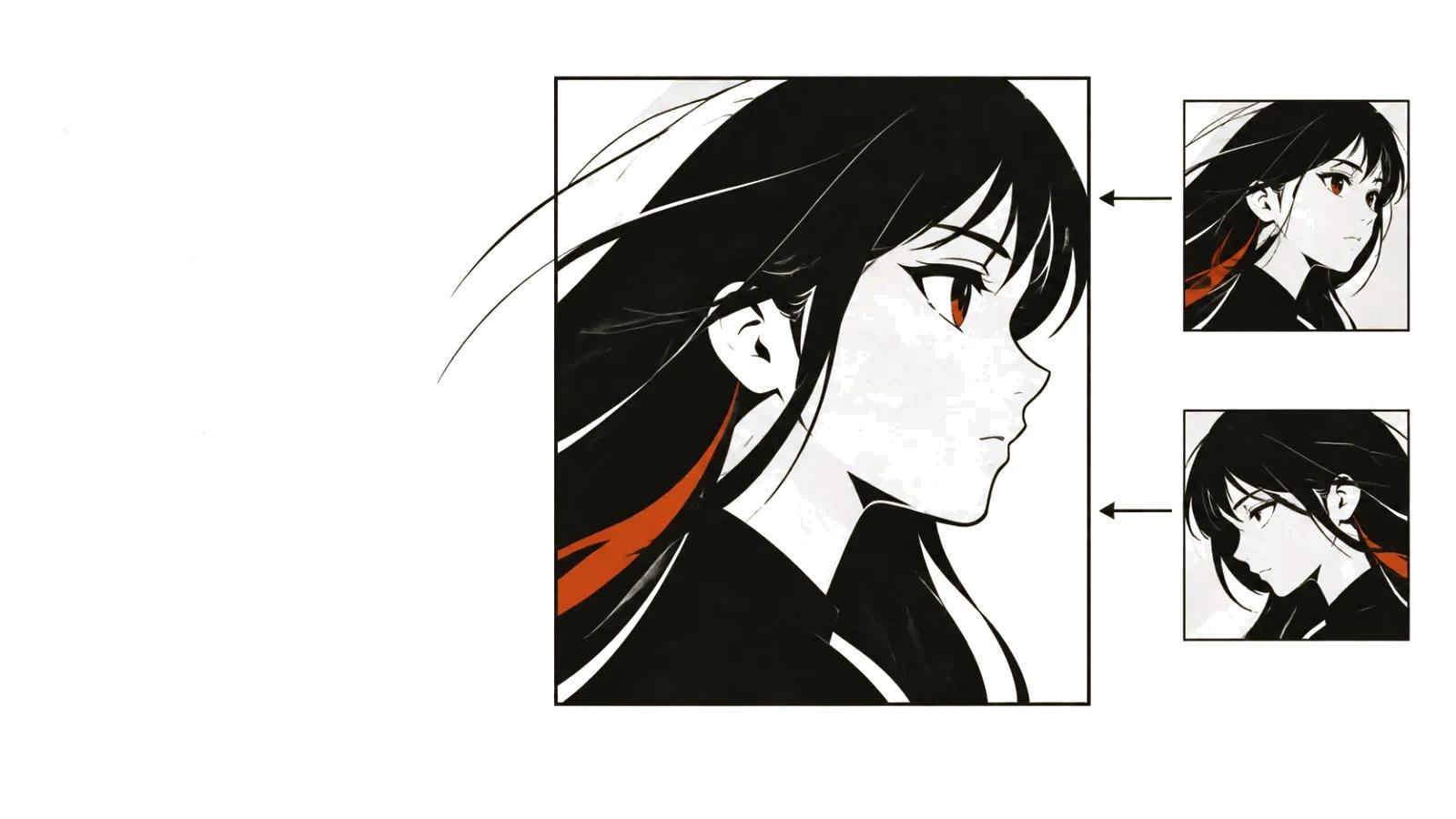
The chronic flaw of a generated series is a hero who changes between shots: different fringe, different eye line, different age. The guide offers two fixes.
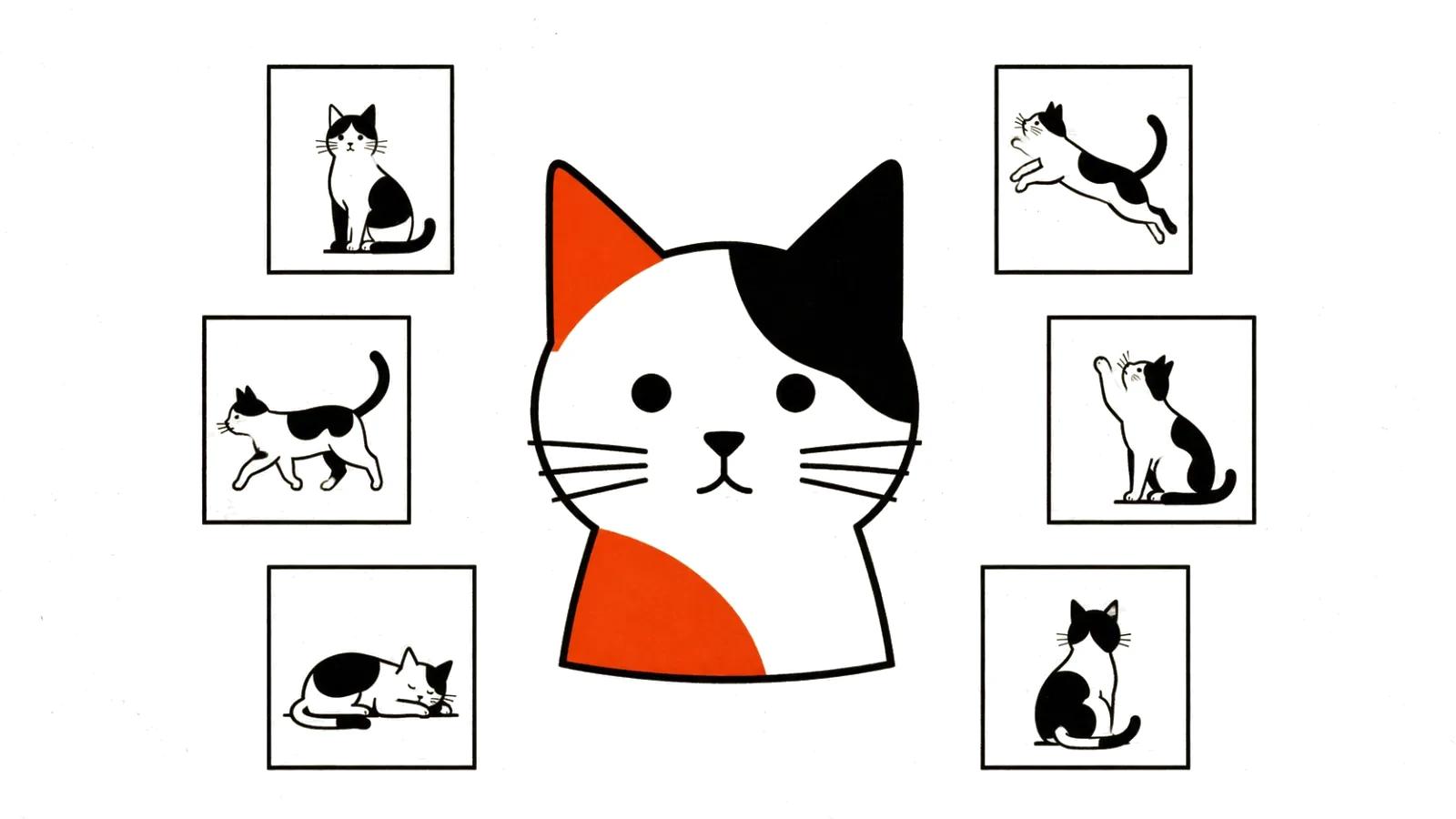
The first is Soul ID, a locked character appearance, one base image shared by every scene. The second is a human screening pass, where each shot gets watched and rejected before the edit. The second fix does more work, because a locked look narrows the spread while a person still decides what counts as a keeper.
That shapes the budget. Half the hours in a series like this go into watching and rejecting. Anyone who plans only for generations has planned for half the job.
Reframe: one episode, two frames
Reframe converts finished shots between 16:9 and 9:16 in either direction. For a series that means the horizontal cut for YouTube and the vertical cut for Shorts come out of one set of frames, and nobody assembles them twice.
The practice is simple: frame each shot with room at the edges, so the face and hands survive the vertical crop. A composition packed to the ceiling falls apart when it gets trimmed.
My take: the budget matters more than the model
The guide is useful because it kills a fantasy. A series does not arrive from one prompt: it is thirty short shots, and somebody chose every one of them. The model supplies frames, while the script, the shot list and the edit make the series.
The second point is money. Retakes belong in the plan before the first generation, or the budget runs out mid-episode and the series stays unfinished. The third is rights: on the Genjutsu route the source footage has to be yours or cleared.
Volume decides the rest. One episode a month lives comfortably on a subscription, while ten episodes need a setup where the price per shot is known in advance. When an animated series has to arrive turnkey, handcrafted videos from $190 come with a budget fixed before the start. For a channel that ships on a schedule, an AI YouTube channel from $200 per month covers the recurring work. If the task is closer to a single video than to a series, there is a separate guide on how to make a cartoon with AI, built around one frame and bringing it to life.