What Higgsfield announced
The changelog entry titled «Higgsfield Talent Contest» went up on 12 November 2026 at 22:57 UTC, which is 01:57 Moscow time the next day. The fund is 1,000,000 dollars across twenty prize places: eighteen picked by a jury, two audience awards decided by a vote. A paid plan is not required, entry is free, and the Higgsfield account has to be in good standing.
The structure looks familiar. Higgsfield ran a festival with a 1 million dollar fund in summer 2026 and pushed the submission deadline to 14 September. This contest follows the same pattern, with categories and grants for activity on the platform instead of a festival programme.
Twenty prizes and where the money sits
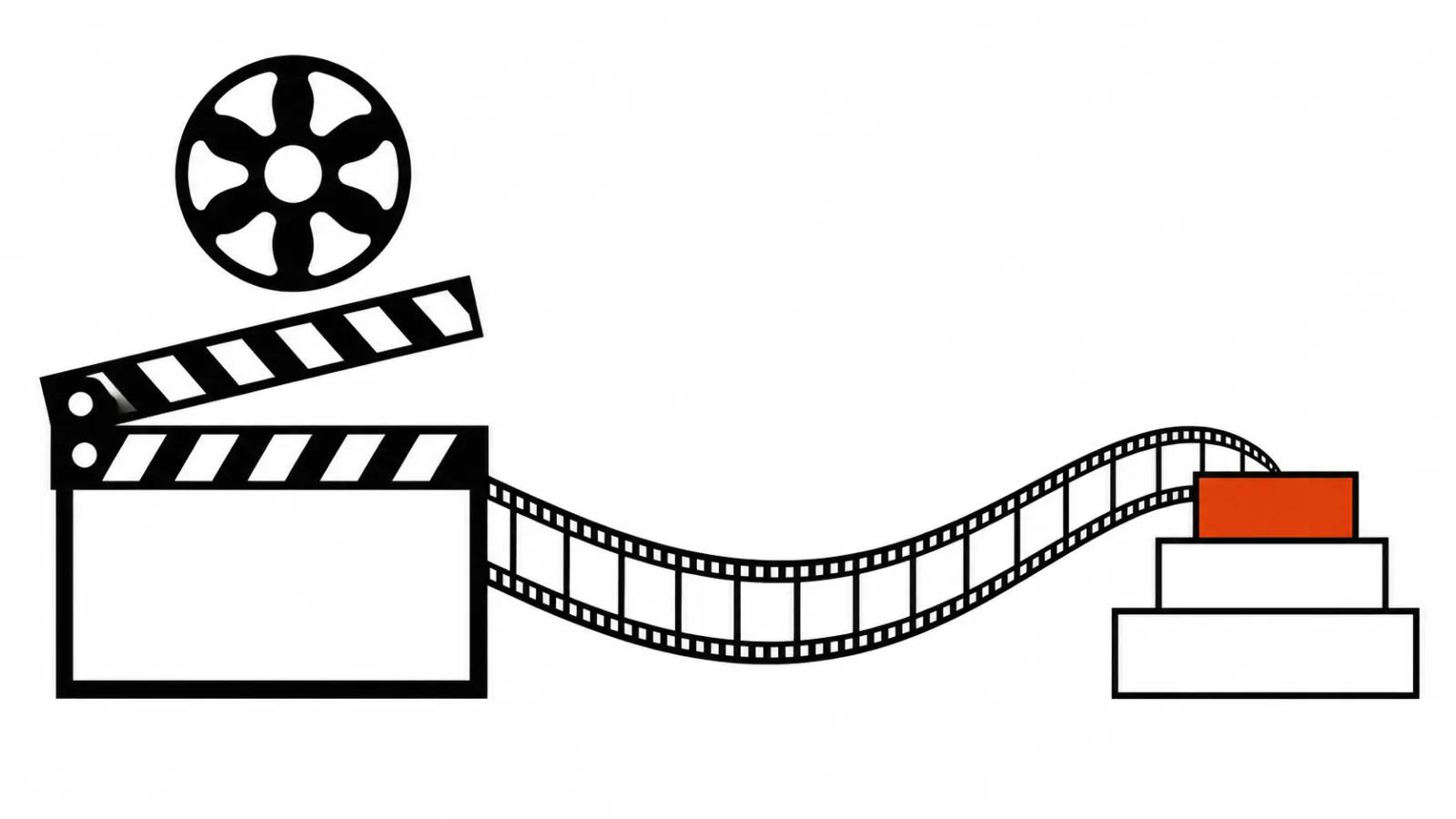
First place takes 200,000 dollars, second 150,000, third 100,000. The two Audience Choice awards pay 50,000 each and come from viewer votes. The remaining fifteen places are spread across categories at 30,000 per category.
The ladder says more about intent than the total. Organisers want a wide layer of work: fifteen categories cover genres and approaches where the grand prize usually goes to a favourite. For a participant that means a well built genre piece can still win money without being the best film of the contest.
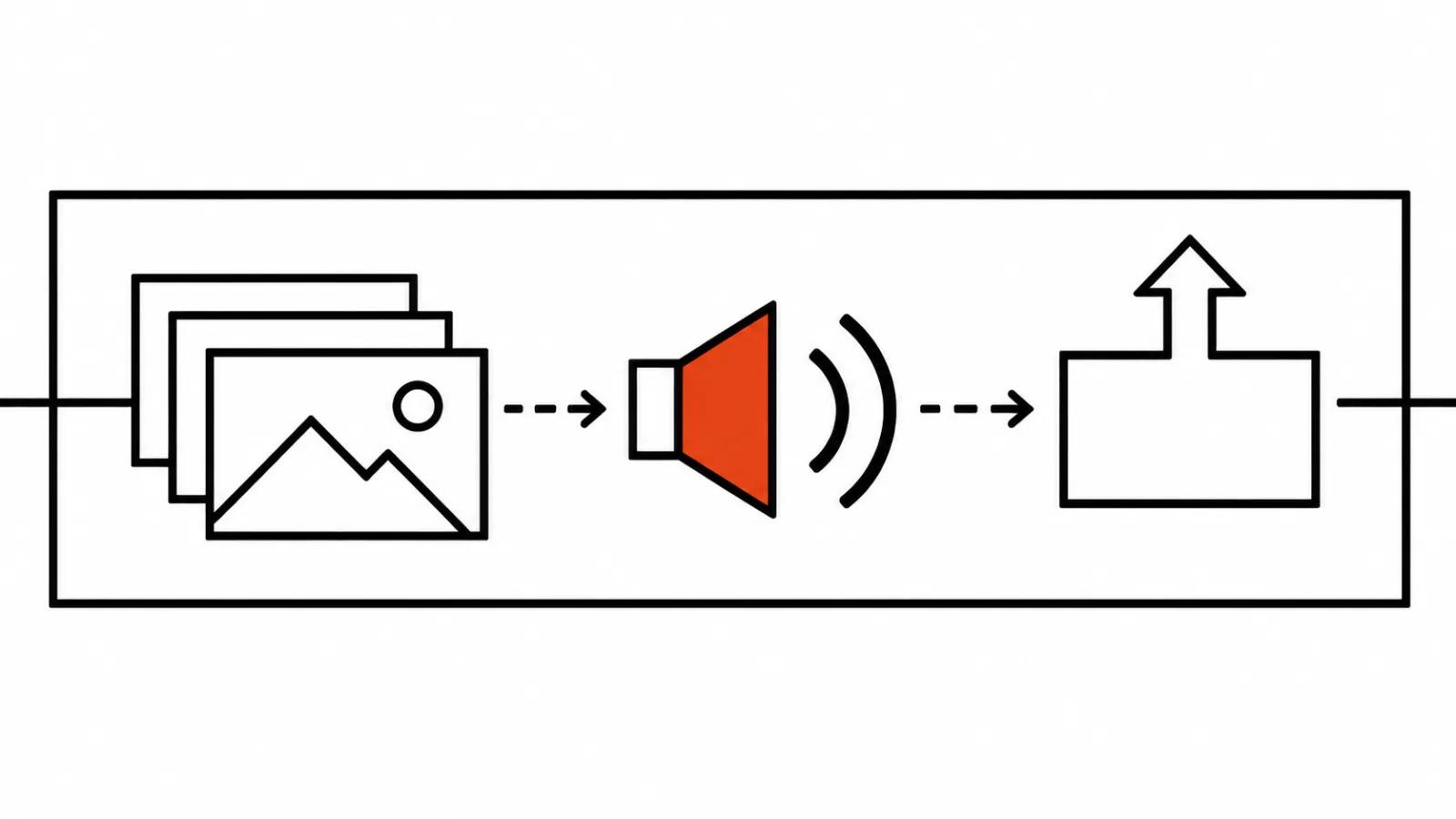
The brief: a 3-7 minute film, made in one place
The format is strict. Three to seven minutes, free theme, any genre, style and language. English subtitles are mandatory, and the file is MP4 or MOV at up to 4K. The film is made inside the contest project in Cinema Studio, the Higgsfield tool, and submitted from the same place.
A filmmaker enters alone or as a team of up to four, age eighteen and over. The path on the contest page is short: Talent Contest, Create contest project, work in Cinema Studio, Submit. The deadline is not in the changelog entry, so it has to be read off the contest page, and that is the first thing to check.
Cinema Studio: one window for the whole job
Making the film inside Cinema Studio removes a chunk of technical work. Scene assembly, editing and export live in one window, and nobody has to move projects between services or track file versions. The other side: every platform has its own limits on shot length and render time, and the story may have to fit them.
The announcement says nothing about those limits, so the first evening belongs to a test. Build a minute of material, time the render, watch how shots longer than five seconds cut together. Access to Higgsfield tools from Claude is covered in our Higgsfield MCP trial piece.
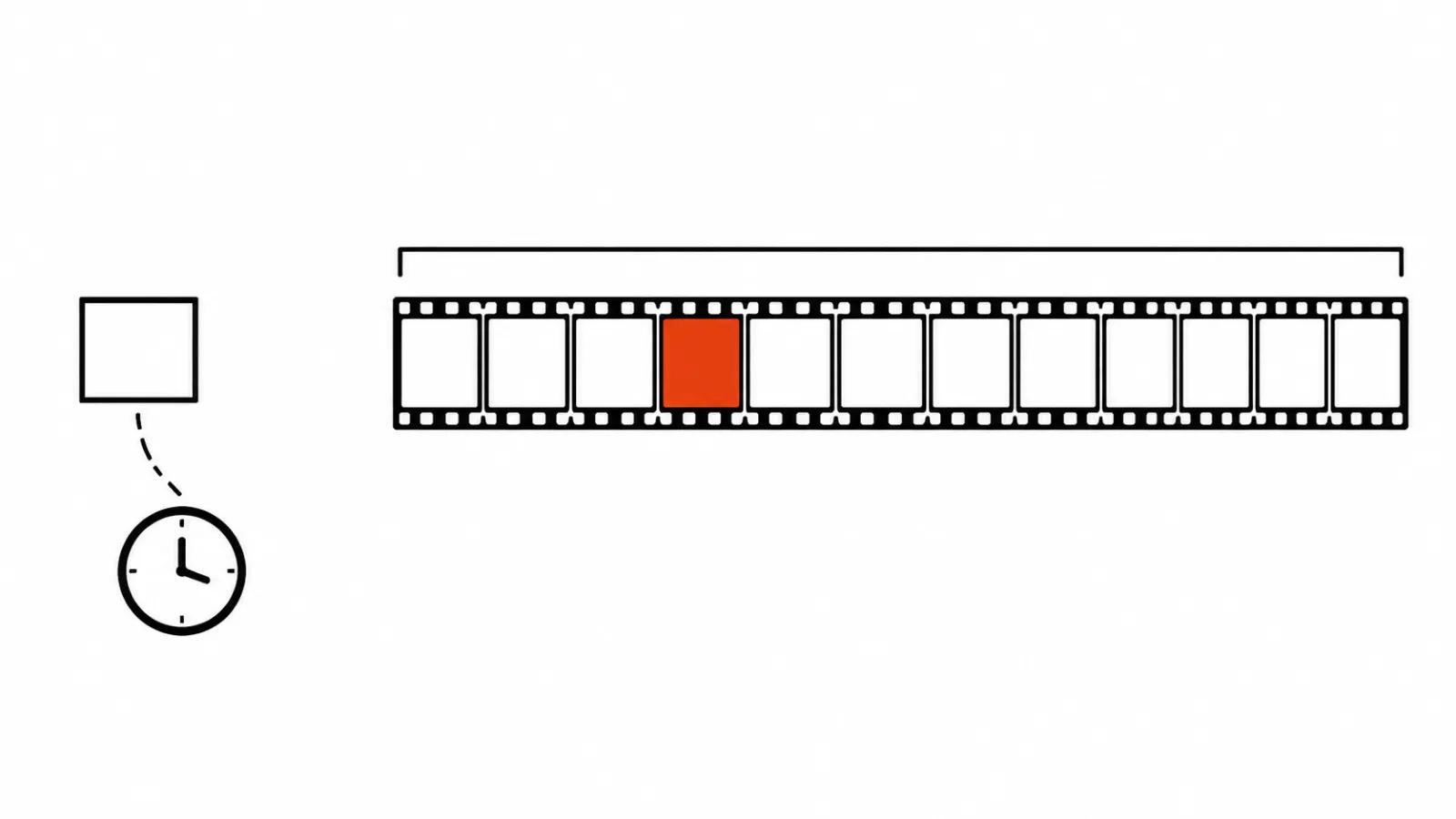
Public or private
Two modes. Share progress, post fragments, build engagement and chase a shortlist spot with grants. Or stay quiet until the deadline and show a finished film.
The public track suits a newcomer. The jury sees the process, viewers get used to the project, and a grant can land long before the final cut. It also demands rhythm: a production diary that appears once a fortnight builds nothing, and the weeks go into posts instead of shots. My test is simple. Count the evenings a week you will honestly give to posting, and if the number is under two, go private.
What to settle before the first frame
Music first. The changelog entry does not spell out music rules, so the safe choice is a library track licensed for commercial use or your own.
Faces and voices second. A model does not ask a person for consent, and a synthetic likeness of a real human without permission is its own problem. Generated faces are safer, real people need paperwork.
Third, borrowed worlds. A character from a known franchise, a logo on a shirt, an album cover in the background. The rights to that frame usually sit with somebody else.
Fourth, the platform rules and the deadline. The date is missing from the changelog, and the subtitle and file requirements may be clarified on the contest page. A screenshot of that page on day one saves an argument on submission day.
Fifth, slack in the schedule. The summer festival was extended, and that is no promise this one will be. Plan from the announced date.
Why 3-7 minutes became the standard
Generators output clips of a few seconds, and short AI videos often lean on a trick: morphing, style shifts, impossible camera moves. This brief asks for a short of three to seven minutes. A film that long needs a script, editing and sound, and a single effect will not carry it.
A platform that sells filmmaking tools benefits from showing a whole story built on them. A format of several minutes tests exactly that. We covered the AI film festival in a separate issue on 1 November.
For clients this is a signal too. If a contest asks for five minutes of coherent story, the platform expects people to watch that length. For a brand it is a reason to stop fearing a two minute film with real dramaturgy.
My conclusion
The contest is useful as a deadline and useless as a lottery ticket. A 1 million dollar fund across twenty places is a reason to finish the film that would otherwise sit in a test folder. The odds on first place are thin, and the work stays in the portfolio either way.
My schedule would run like this: a week testing the Cinema Studio pipeline, two weeks on script and storyboard, three weeks on scenes, a week on sound, subtitles and assembly. Six weeks, with room to redo the two worst scenes. If that does not fit your life, cut the film to three minutes instead of submitting a rough assembly.
When a short film is for a client, we build handcrafted AI videos from $190, with a person owning the frame, and AI video production for series work.