Tokyo's AI film festival: 730 entries, 68 films in the programme
AI Film Festival Japan 2026 runs for the second time, from October 31 to November 2, at Tokyo Innovation Base. The organisers received more than 730 works from over 60 countries, picked 68 films for the official programme and moved 21 of them into the finals.
There are four categories: narrative AI film, experimental work, animation, and a new one for this year, music for an AI film. Alibaba Cloud, CapCut and ElevenLabs are partners, and the last two hand out their own special prizes on top of the main jury award.
Why this matters. Look at the odds: 730 entries for 68 slots, roughly one in eleven, and only one in thirty five reached the finals. For a filmmaker with a single piece that means aiming at a specific category, since the overall field is far too tight to game.
The award ceremony on November 1 and a talk by Phil Tippett
The ceremony is set for November 1, from 15:00 to 16:30 Tokyo time. On November 2 an online talk by Phil Tippett, the visual effects veteran, closes the programme.
The winners were not published when this went out, so I keep the list open and put no names in the text. When the organisers post results, read them next to the jury notes: at a festival a win often means one curator's pick, and it says little about a general ranking.
Why this matters. The 68 films in the programme are a snapshot of what a client will see in other people's work and then expect from a studio. A keynote by a visual effects master next to AI cinema points the same way: the festival judges films by craft, and generation is one of the tools.
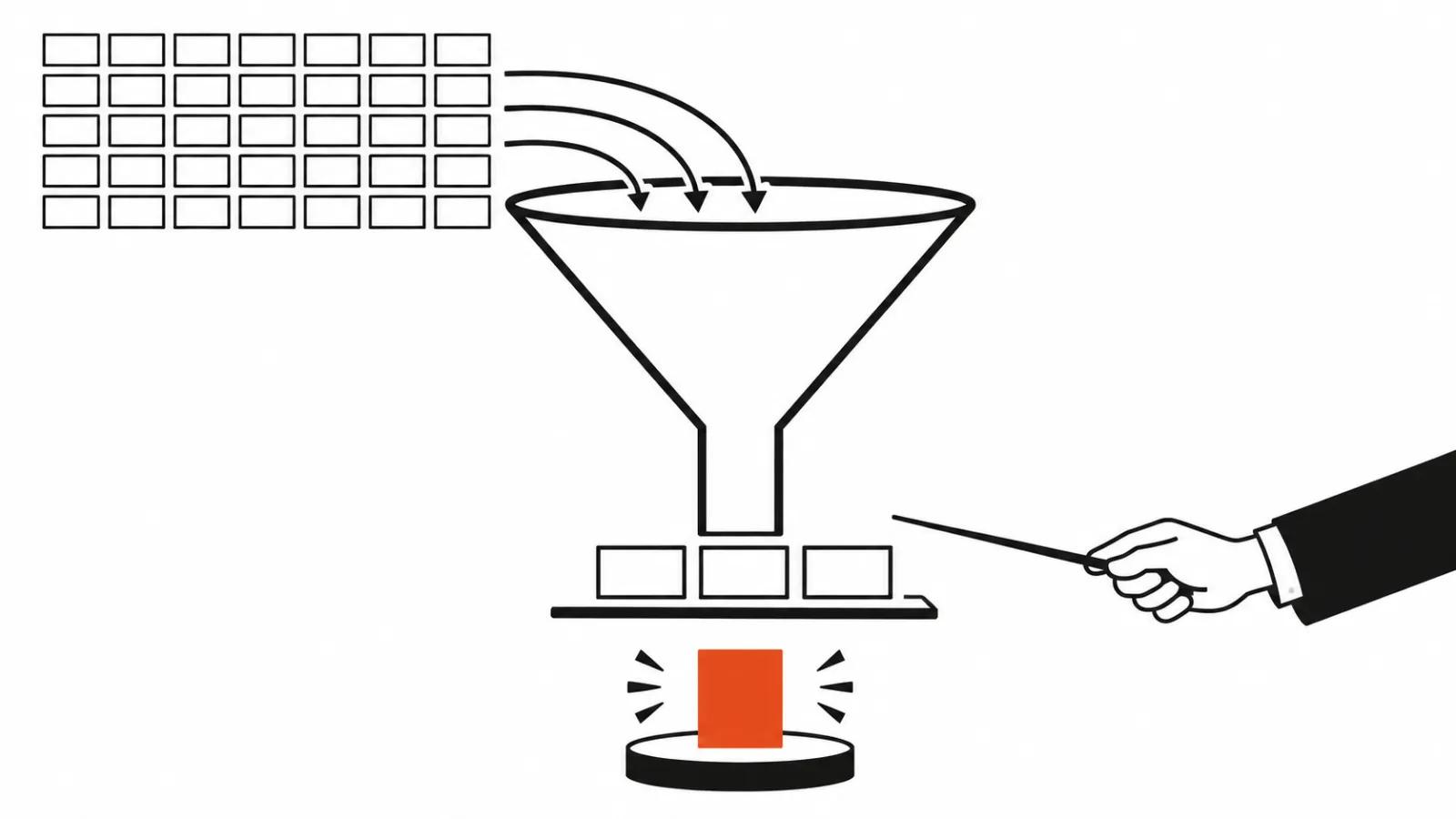
Camera into a painting with Seedance 2.5: the flat canvas becomes a set
On October 31 the creator Abdul Shakoor posted a 19 second clip: the camera flies into a classical painting of the Archangel Michael, and the flat surface unfolds into a three dimensional scene. It was made on Seedance 2.5 from reference images.
Other authors picked the trick up, and replies ask for the same move on Van Gogh's Starry Night. This is a trend built on social posts, the studio has published no breakdown, and the model documentation lists no dedicated camera-into-painting mode.
Why this matters. The move depends on one image with strong composition, so the source frame gets chosen for camera travel. Beauty of the still comes second. For a museum, a book launch or an exhibition this is a cheap way to show depth in a shot that would otherwise cost a full shoot day.
Turing TTS: how often an AI voice passes for a human
Shobhit Banga of VoiceArena launched Turing TTS: a listener gets two recordings and picks the one made by a human. The Fool Rate metric shows how often the synthetic take is mistaken for a person. The leader, Gemini 3.8 Flash TTS from Google DeepMind, sits at 10.5%.
Read that number from the other side: the lower the Fool Rate, the less often a listener is fooled by the machine. At 10.5% for the best voice, roughly one pick in ten landed on the synth when a live recording sat right next to it.
Why this matters. Once an AI voiceover for video is ready, a client listens far harder than any panel does, and that tenth of misses is enough to earn the remark that the voice sounds dead. The practical rule: keep a human reader on the line that carries meaning, and save synthesis for lists, background and a rough cut for review.
Kling 4.0 in the Runway API: AI video drops 20% until November 30
Runway keeps a 20% discount on Kling 4.0 in its API through November 30 UTC. The model is listed as kling_4. The per second rate is 12.56 credits at 720p and 18.8 at 1080p, or 7.52 and 11.28 with an input video.
A credit costs one cent, so 720p lands near 13 cents a second. One minute of finished 720p footage comes to about $7.50 of generation before any retakes, sound work or editing.
Why this matters. When you test a model, iterations are the main expense, and the discount lands right there. A month at twenty percent off is a window worth using for a test on your own footage. We covered access and what changed against the previous release in our piece on the Kling 4.0 API, modes and limits included.
What these AI video generation stories change in practice
Four stories hit different stages. The festival shows the bar for selection. Seedance 2.5 hands over a trick a client has already seen in a feed and will ask to repeat. Turing TTS puts a number on voice quality. Runway cuts the cost of an iteration.
The common thread: the argument is now about how many steps of the chain a service closes by itself. One beautiful frame no longer wins it, and the difference sits in cost per pass and in how predictable the result is.
Second point on choosing. The camera-into-painting trick lives in social feeds, with nothing in the docs, so repeating it means hand work with references and a carefully picked starting frame. For that kind of job it is simpler to order a finished piece: our AI video production service runs in batches at up to $2.40 per 1000 views, and handcrafted videos start from $190.
Third point on the festival. Tokyo has run the event for two years straight, drawing hundreds of entries and keeping a separate music category, which tells you clients have started judging a video whole, sound included. A studio that hands over picture without sound will struggle with that brief.