ElevenLabs put SFX v3 in the API, so AI sound effects move into code
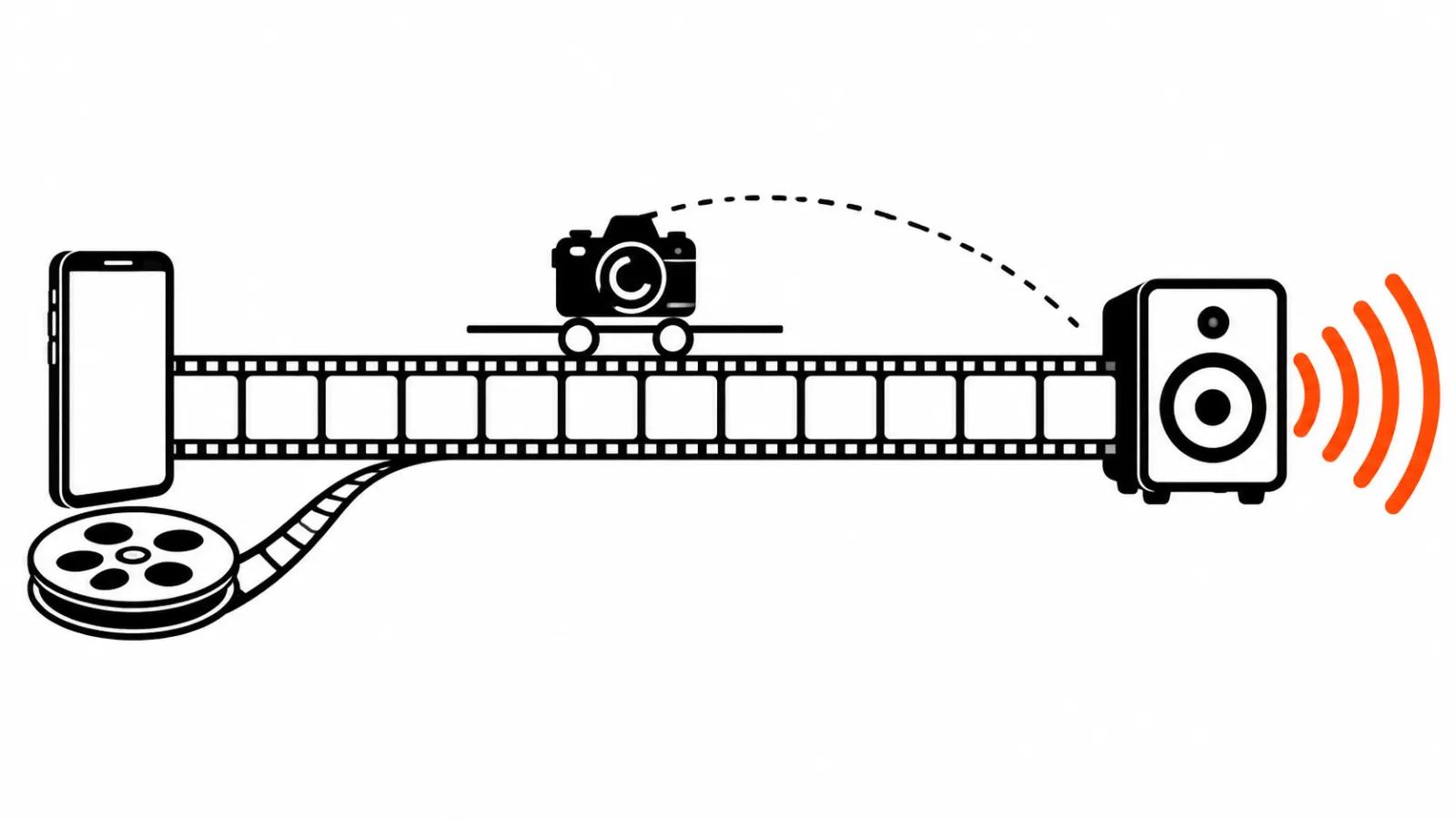
On November 2 ElevenLabs shipped its SFX v3 sound effects model for developers. In the API it answers to model_id eleven_text_to_sound_v3 on the same sound generation endpoint as before. Until now a sound effect for a cut was built in the app: type a prompt, audition takes, download a file, drop it on the timeline.
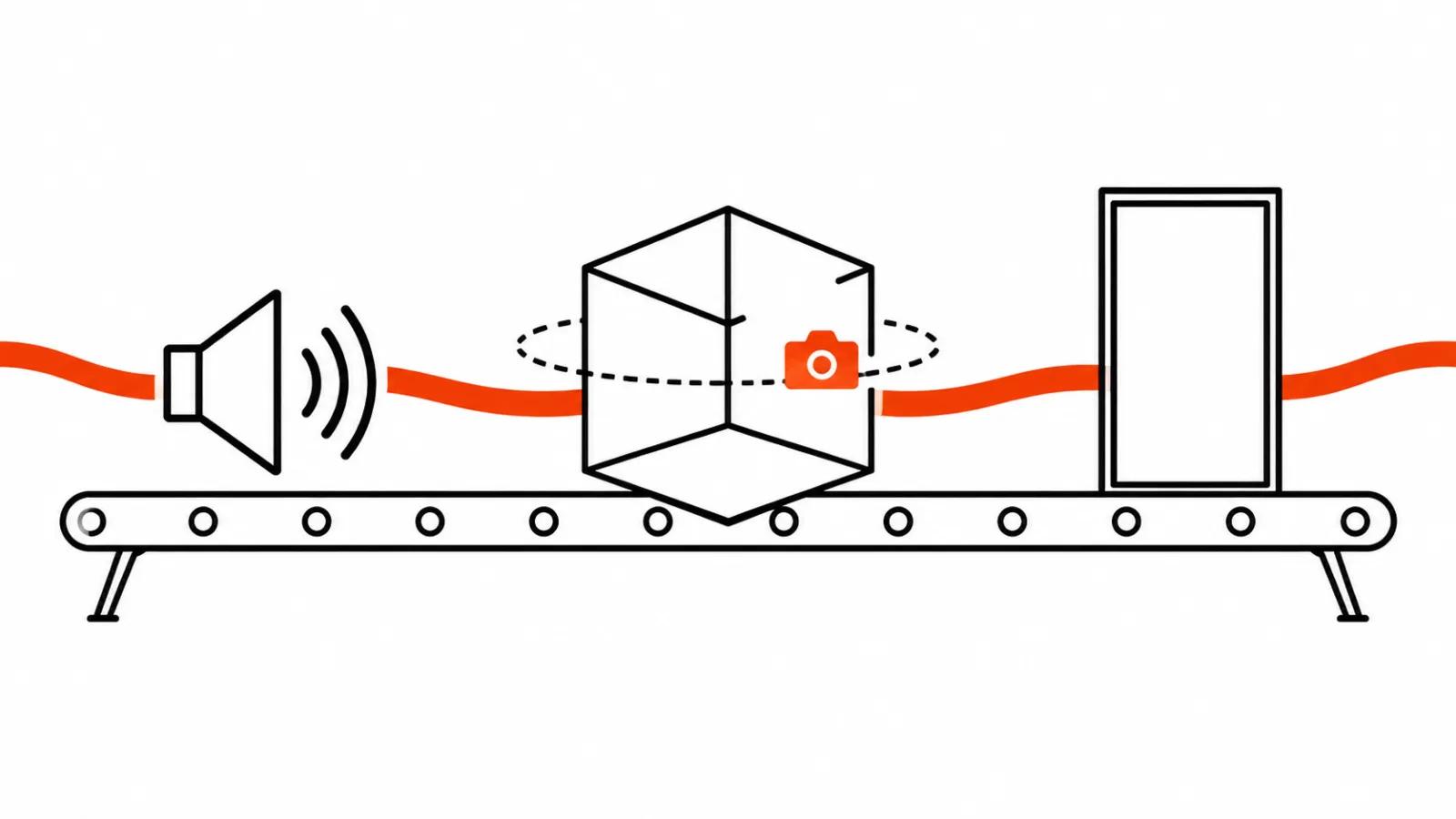
The model reads a prompt in parts and keeps the order of events: footsteps on gravel, then a metal door. It picks the length of the effect from the description, and duration_seconds sets exact timing. For a pipeline that is the useful part, since the sound arrives where the picture gets assembled.
prompt_influence, looping and the older model
prompt_influence decides how strictly the model sticks to the prompt, and it defaults to 0.3. That is loose, so output can drift from the description. ElevenLabs suggests raising it when that happens: higher values follow the prompt more closely and vary less between generations.
Looping works on v2 only. SFX v3 has no loop, so a bed of ambience under a long scene comes from the older model or from stitching in the edit.
Why this matters: sound inside the pipeline
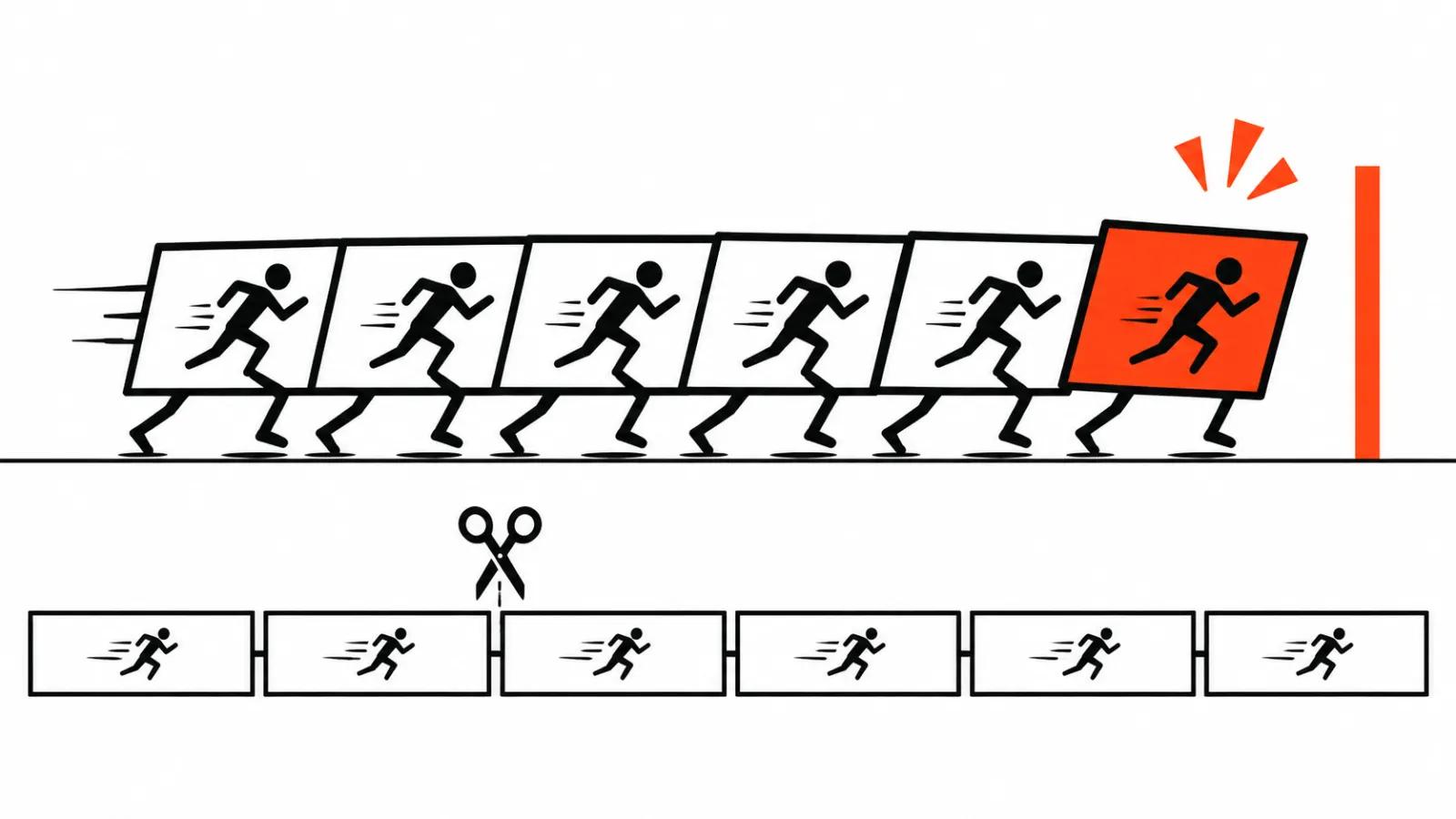
One clip a week lives fine on a subscription and hand-built sound. Twenty clips a day do not work that way: every transition, hit and door eats minutes, and at volume that turns into hours.
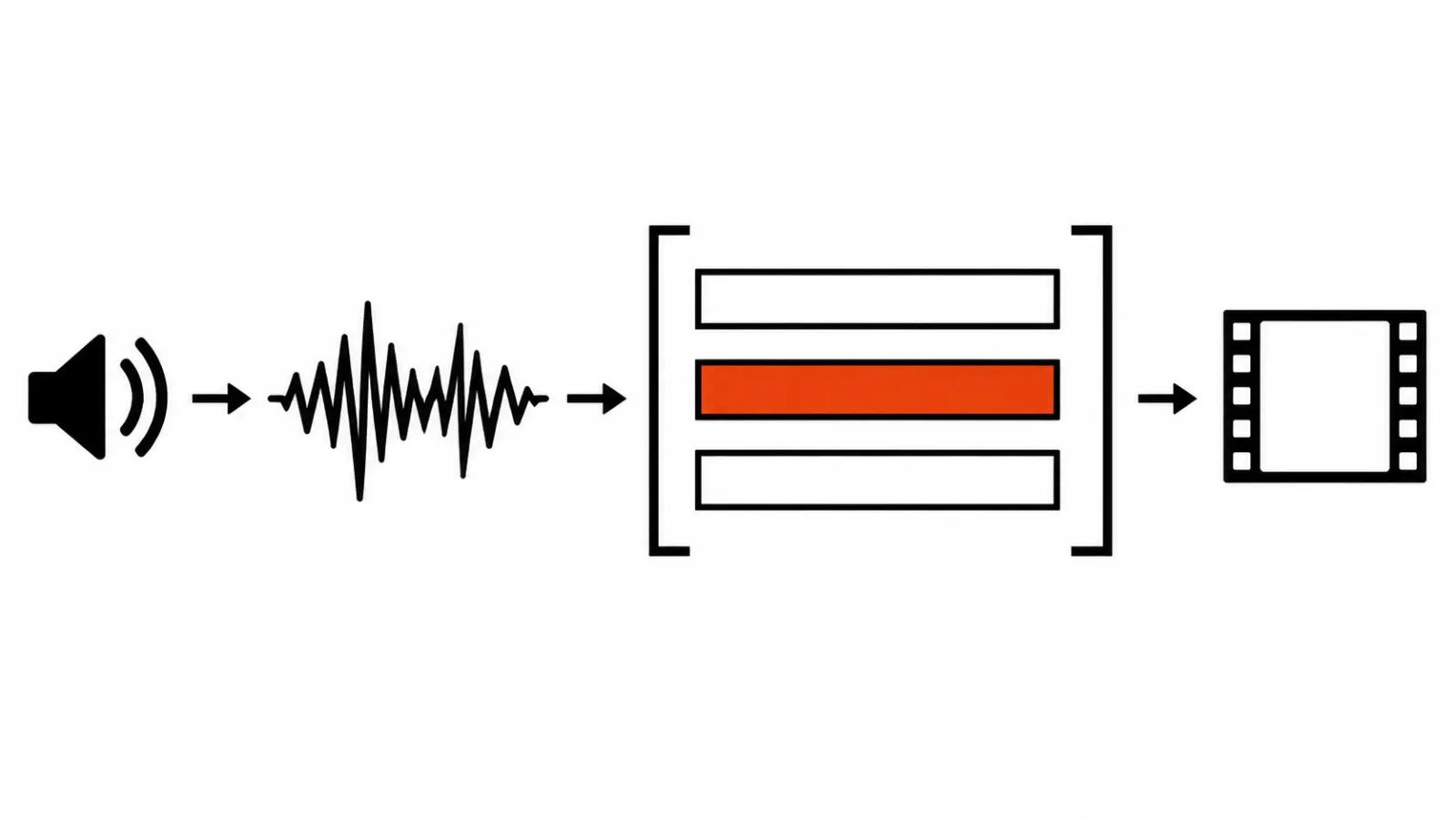
An API changes the setup. Sound prompts can live in the same script as the shot prompts, and the result lands straight on the timeline. We covered how ElevenLabs generates sound effects for video in the app on launch day, and the news here is the second half, access from code.
At volume, sound is the usual bottleneck: pictures get generated in batches, while sound is added one clip at a time, since each file needs a listen. That is where the API earns its keep, by removing the manual pass over files.
A practical first step: take three clips from the archive, run their sound through the API, compare with the hand-built version. If the API wins, the rest is a template.
MiniMax H3 and ORB360: from a static demo to interactive
On November 1 the Hailuo AI account on X showed that the pairing of the open MiniMax H3 video model with the ORB360 LoRA had gone interactive. Before this it was a static demo. The post does not spell out what exactly you can now do with the scene, and the company hints at VR next.
No separate documentation exists, only the post. The context comes from a test on October 13: Hailuo showed an author bringing a black-and-white manga to life with a free camera on H3 plus ORB360. The face holds when the character is passed in as a reference.
Why this matters: from a clip to a scene
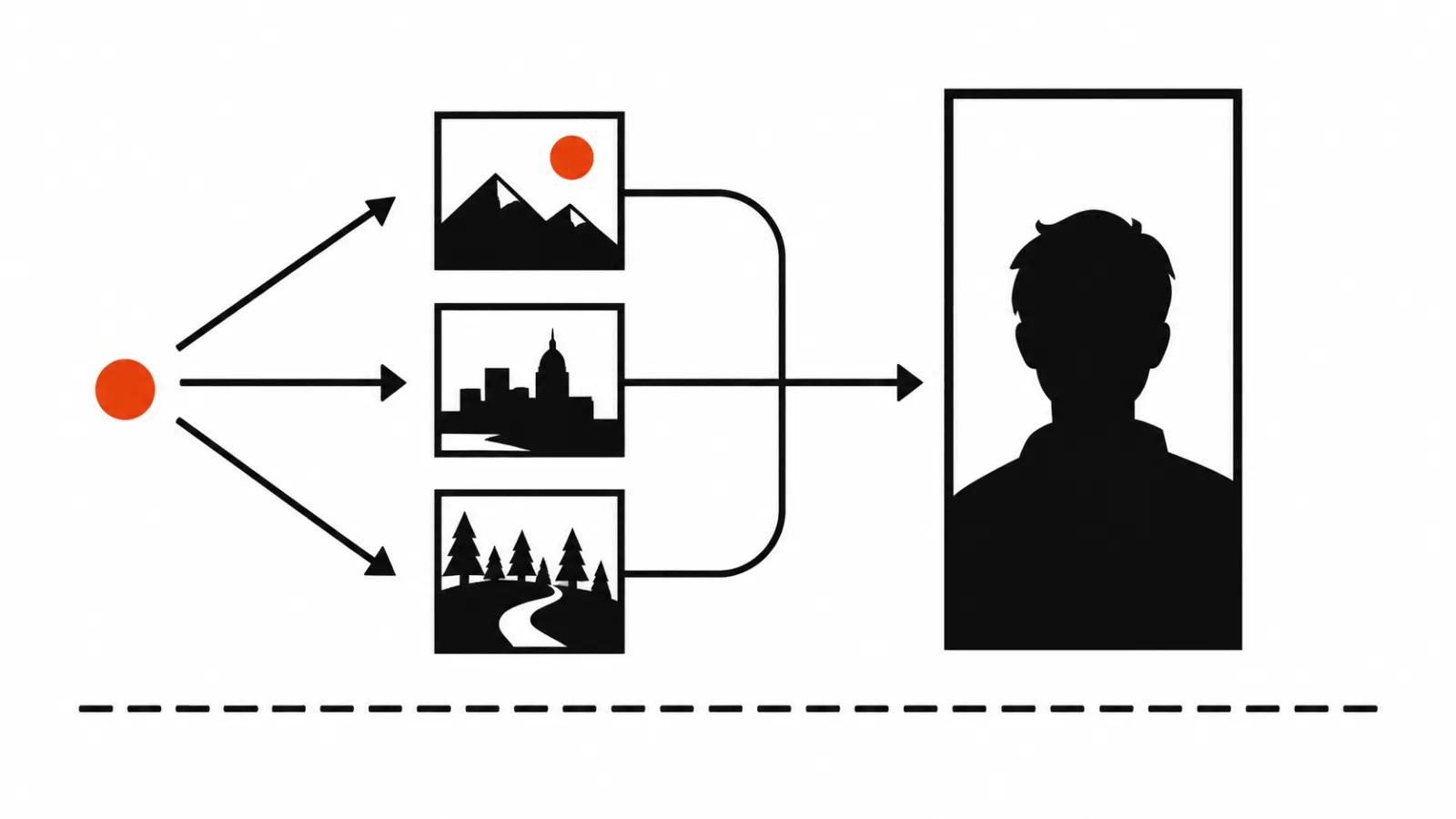
An open model plus a LoRA are moving toward a scene a camera can walk through. A single clip does not need that yet, while previz does: a director looks at the space, and the frame comes second.
The point of the pairing sits elsewhere. An open model can be fine-tuned for one narrow job and deliver behaviour the base version lacks, and that is cheaper than waiting for a lab update.
There are no prices and no dates, so planning production around the announcement would be early. One thing deserves watching, whether documentation and LoRA weights turn up in the open. The post on X stays the only source for now.
Drama916: AI video news out of the Qwen hackathon
On November 2 the Alibaba Cloud blog published a piece on Drama916, a project from the Global AI Hackathon Series with Qwen Cloud. It took a Blog Post Award and does one thing: turns an idea into a 9:16 vertical story.
Qwen models write the script, plan the scenes and work out the characters, while the Wan video model renders the frames. The chain is short: an idea, a story structure, a finished vertical video. This is a hackathon project that Alibaba Cloud describes as a Qwen showcase, with no product packaging and no prices.
Why this matters: micro-dramas get assembled from a template
On the market vertical micro-dramas already get assembled from a template: a language model writes, a video model draws. The entry bar drops, since a crew gives way to a chain of models and one editor.
The bottleneck sits in the script and the rhythm. A model still builds the story on a ready-made structure, while holding the viewer stays with the writer and the edit. We went through the market and the formats separately.
For advertising that shifts the order of work: an idea gets tested before a shoot, and the vertical frame shows up at the end, with no separate 9:16 layout pass.
Wrap-up: the November 3 AI video news all point the same way
All three stories point one way: generation moves inside the pipeline. ElevenLabs hands sound to the API, MiniMax builds an interactive scene from an open model and a LoRA, Alibaba shows a chain of language models and a video model inside one project.
In business the winner is whoever has the process in place. The newest model with no process behind it delivers one clip and an evening of manual stitching.
When the volume is high and the clips are short, short-form video at scale fits: one template, many versions, a predictable cost per unit. When a single video has to carry a specific job, our AI video production service covers the road from brief to finished file.
A first step for this week: write down where sound, scenes and editing still pass through human hands. That list is the automation plan.