Kling's week: a round of 19.8 billion yuan
Kuaishou said its subsidiary Beijing Kling, the developer of Kling AI, closed a round of roughly 19.8 billion yuan, about 2.98 billion dollars. Kuaishou keeps two thirds of the equity and 52.45% of the votes, held through Lucky Labs.
The numbers come from one place: Reuters, with the story filed on October 30 and republished by CNA. Kuaishou did not say where the money goes. That is normal for this kind of filing and also the main gap, since without a stated purpose the sum cannot be tied to specific plans such as a new model or a new data center.
Why this matters. The race in video models comes down to hardware and to the people who know how to train on thousands of accelerators. A round this size buys another training cycle. When we covered the release of Kling 4.0 with open access, the topic was image quality and the price of a second. This round answers a different question: who keeps training if the race runs for years.
A second round in six months: July, Alibaba, Tencent
In July Kling raised 2.8 billion dollars, with Alibaba and Tencent among the investors and a pre-money valuation of 15 billion dollars. The new round is the second in six months. That makes it more than a one-off deal. Kuaishou did not disclose the valuation for the new round.
Three new participants are named in the report: a Kingdee unit with 300 million yuan, Gongqingcheng Junke with 200 million yuan, and a MetaX unit with 100 million yuan. Some investors received redemption rights. Bloomberg reported earlier that Kling is preparing an IPO next year. Kuaishou has not confirmed that point, so the listing stays a plan from Bloomberg without the status of fact.
An AI song reached No. 2 on Melon
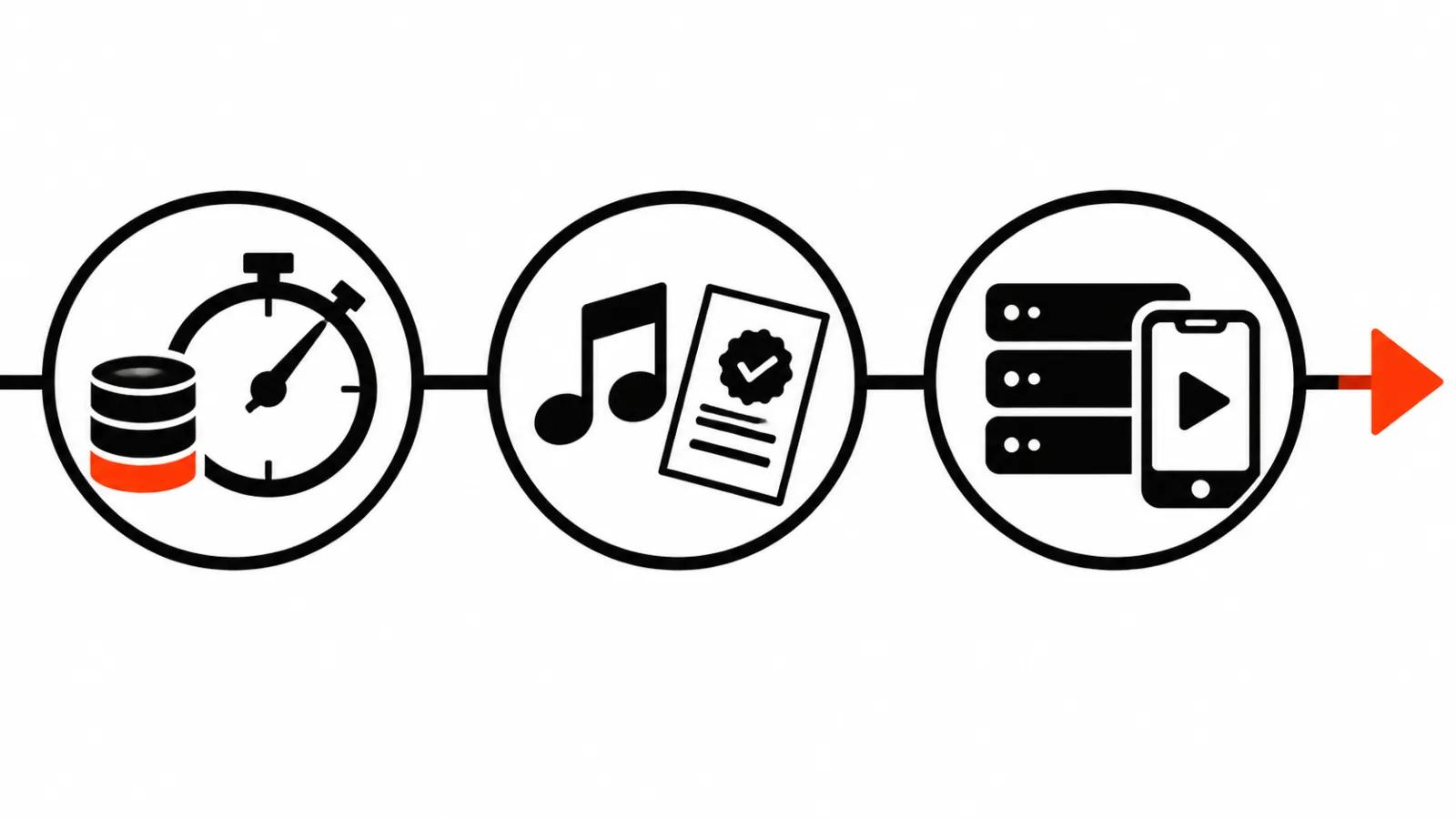
The song “Did You Become the Adult You Dreamed Of?” (꿈꾸던 어른이 되었나요?) by Meomureu climbed to second place on Melon's Top 100 and passed top K-pop acts on the way. A2O LITE holds first place. Yonhap reported it on November 1, and SBS followed on November 2.
How it was made: AI supplied the melody and the vocals, while the artist wrote the lyrics and produced the track. It came out in June and took several months to climb to number two.
Why this matters. A chart is a test of taste. People play the song for the melody and the voice, and how those were produced turned out to be secondary for the audience. If you make AI video around music, that is encouraging: a track with synthetic vocals can hold a mass audience.
The argument over AI music and the empty rulebook
Listeners split. Some are moved by the song, others refuse to listen to AI and say so openly. In August the Korean copyright society proposed registering the human portion of AI-assisted songs, then withdrew the rule. No registration rules are in force today.
For video work that means something simple: the market judges the result, and the legal frame is still being assembled. When a song is built with AI, the authorial share follows the human contribution, and until rules arrive that contribution is worth documenting yourself: lyrics, arrangement, a log of revisions. Projects of that shape run through a music video to order, from the track to the finished picture.
Pika H3 Flex: a promise for November 2
A post on the Pika blog dated October 29 says H3 Flex arrives in the company's creative products on November 2. On the morning of November 2 Japan time, a review at synon.co.jp noted that links on the model page still pointed to the API only, at dev.pika.art. So as of publication this is a promise with a date, and calling it a shipped feature would be early. That is how we read it.
We covered the open weights of H3 Flex separately, where the point was a model you can run on your own hardware. Today's story is different: the same model reaches an app where people without API experience will meet it.
Why this matters. An open model inside an app changes the audience. Developers step aside for someone who needs a clip by tonight and judges it with their eyes. Studios will feel pressure from below, and buyers get a reason to compare the price of a second across services before paying for a subscription.
What a second of H3 Flex costs
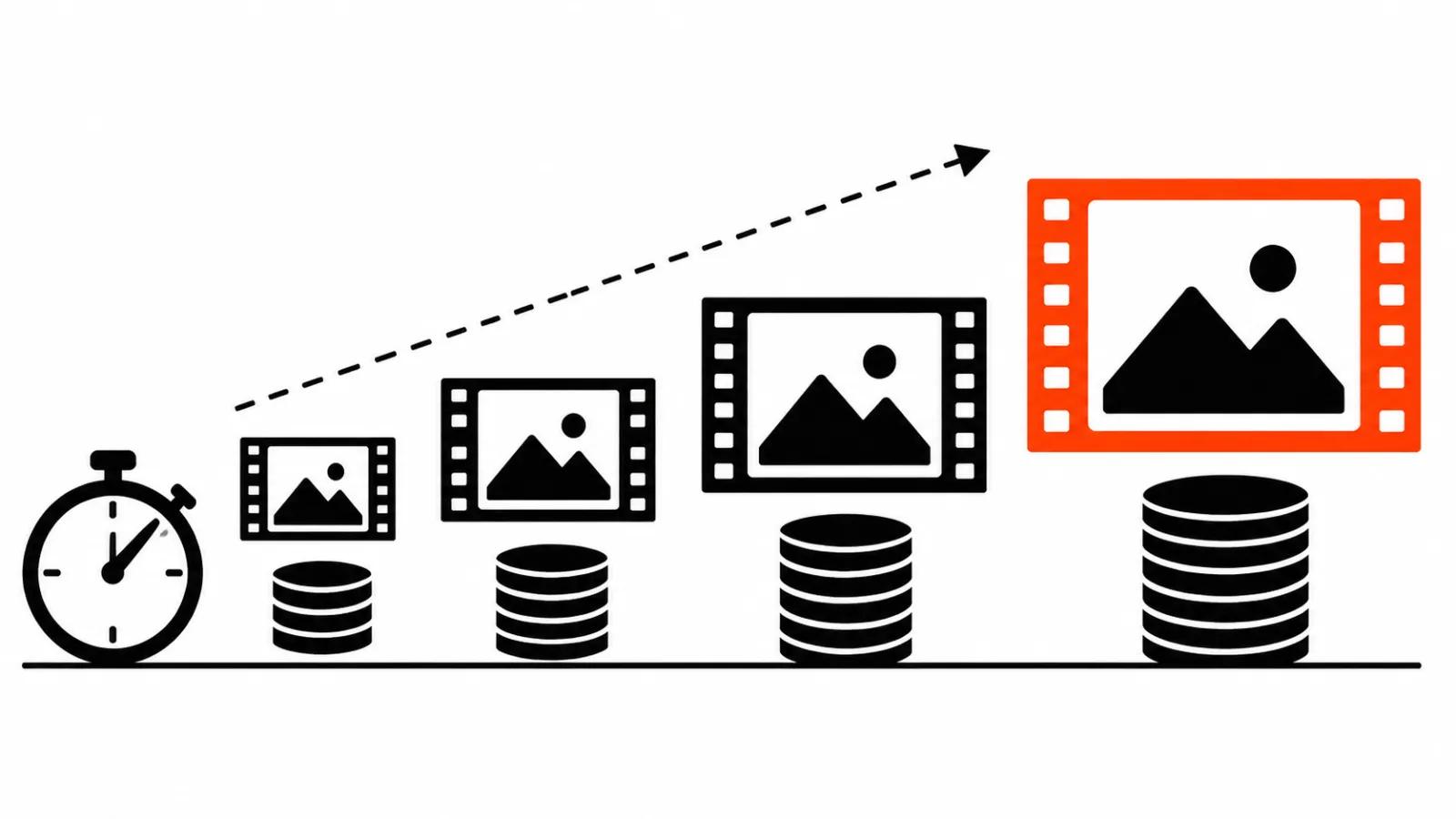
In the API a second of output runs from two cents at 480p to sixteen cents at 4K. A launch discount halves that for now, with no end date announced. Members of the API Club get 15 free generations a day until November 5.
What this means for people who make AI video
Three stories, one arc. Kling has money for the next training cycle, which speaks to image quality next year. Melon showed that a mass audience will listen to AI music when the melody holds. Pika is putting a model into an app, and generation stops being a hobby for people comfortable with API keys.
The practical takeaway is short. When you pick a model for AI video generation, check three things: the price of a second of output, the rights around music and voice, and where the model will live in a month. The first comes from the price list, the second from the service terms, the third from news like today's. If you need a finished video for a specific job without key wrangling, our AI video production service covers the route from brief to cut, and the music video side is described above.