What got faster
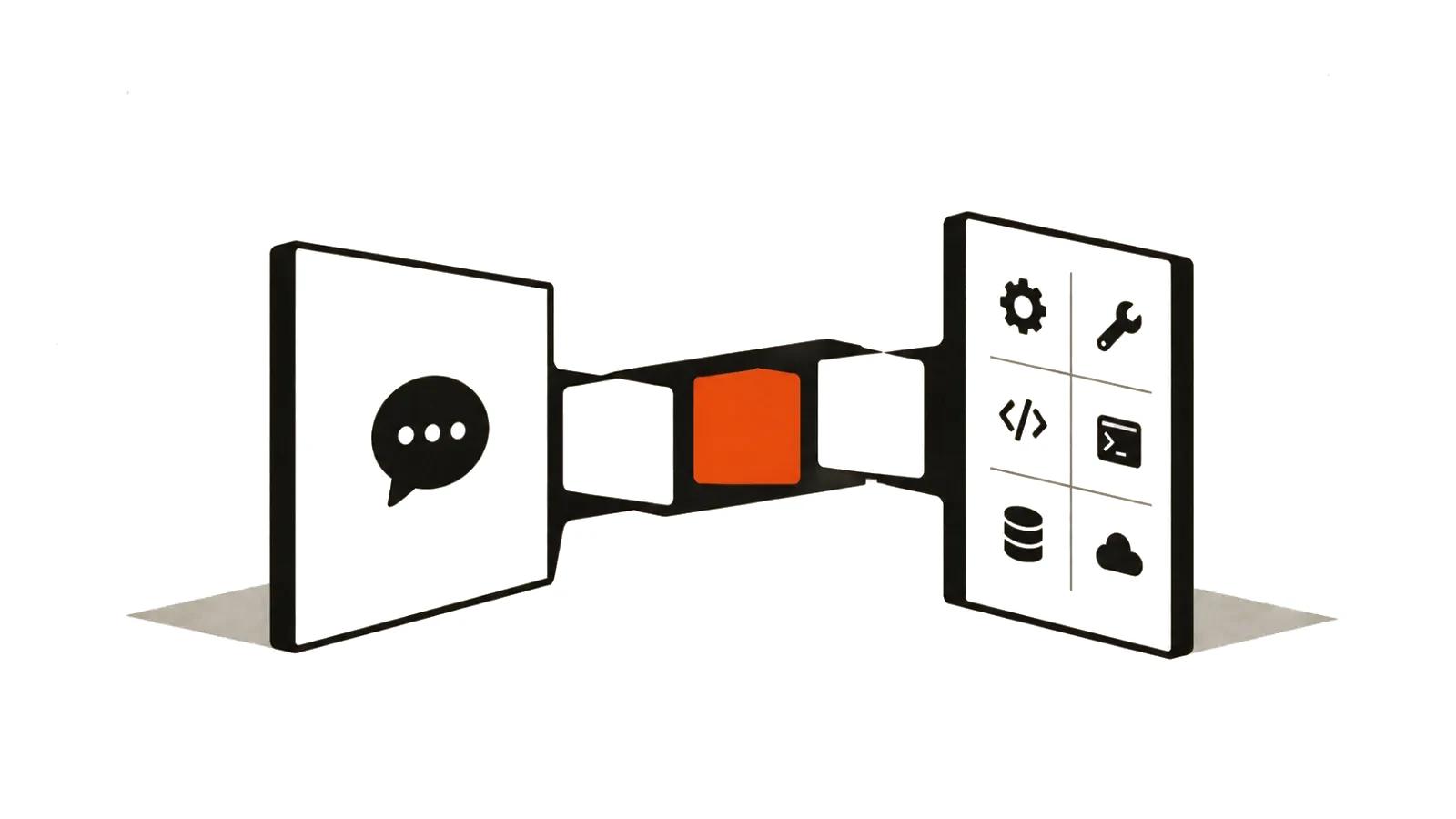
Pika H3 Flex now runs in the open FastVideo engine. The model is the same one: MiniMax H3, fine-tuned by Pika, with two adapters, one for text and one for keyframes under the fl2va name. The ref2va branch takes up to nine images, three videos and three audio clips, which matters for anyone building a series around one recurring character.
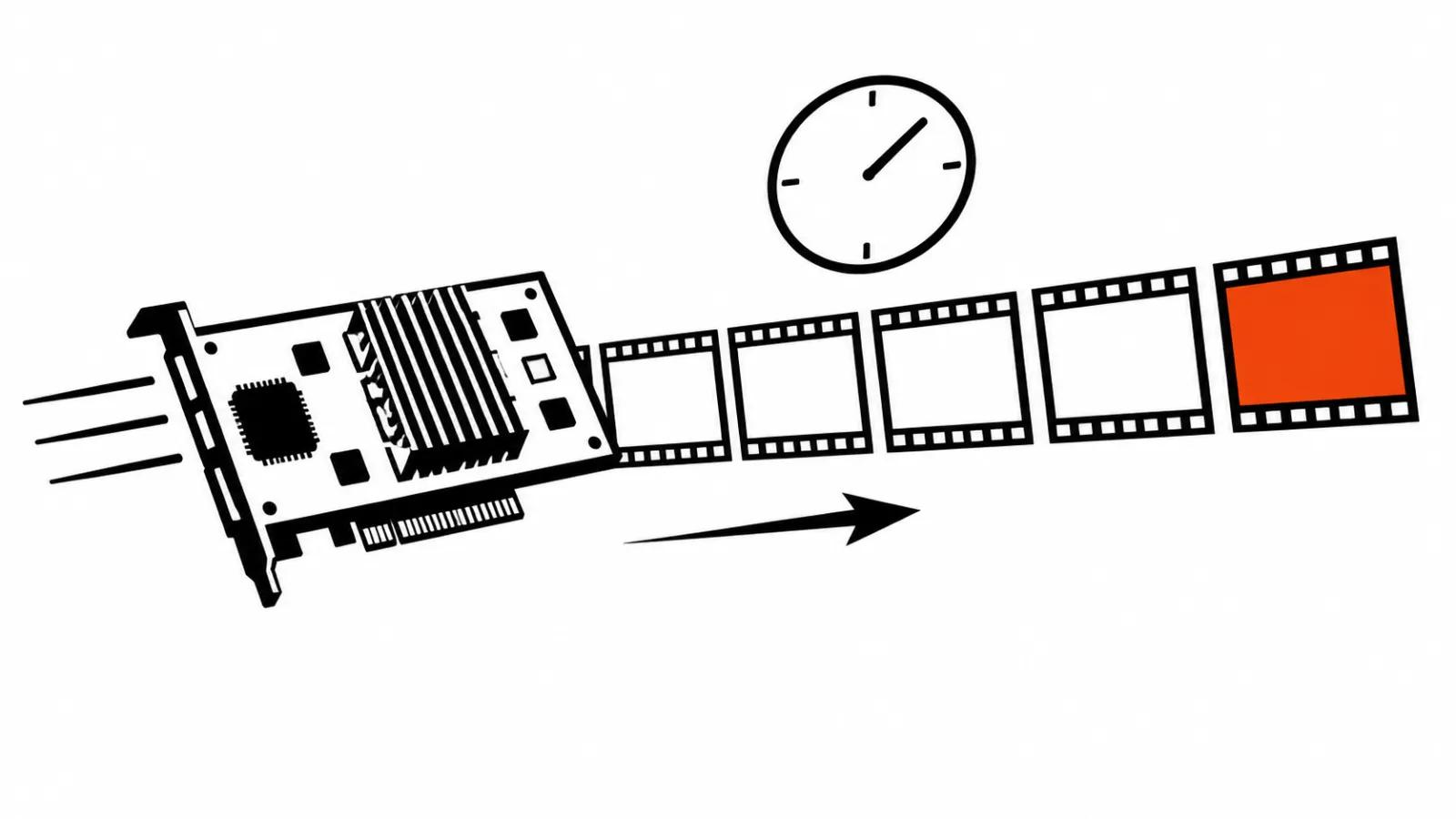
Hao AI Lab at UC San Diego published its measurements on November 3. On BF16 the engine delivers 2.4 times the throughput of the official code on a single GPU. A fifteen-second clip across four GPUs finishes 7 times faster than the same clip through the official code on one.
The 7x figure compares four cards to one, and that shows up straight away in a budget. On a single accelerator the gain is the 2.4 number, and that is the one to plan with.
Five seconds at 768p, three numbers
The most useful example in the post is a five-second clip at 768p on one GB200. The official code needs 59.7 seconds. FastVideo on BF16 lands at 25.1 seconds, and with optimized kernels plus the NVFP4 decoder it comes down to 17.6 seconds.
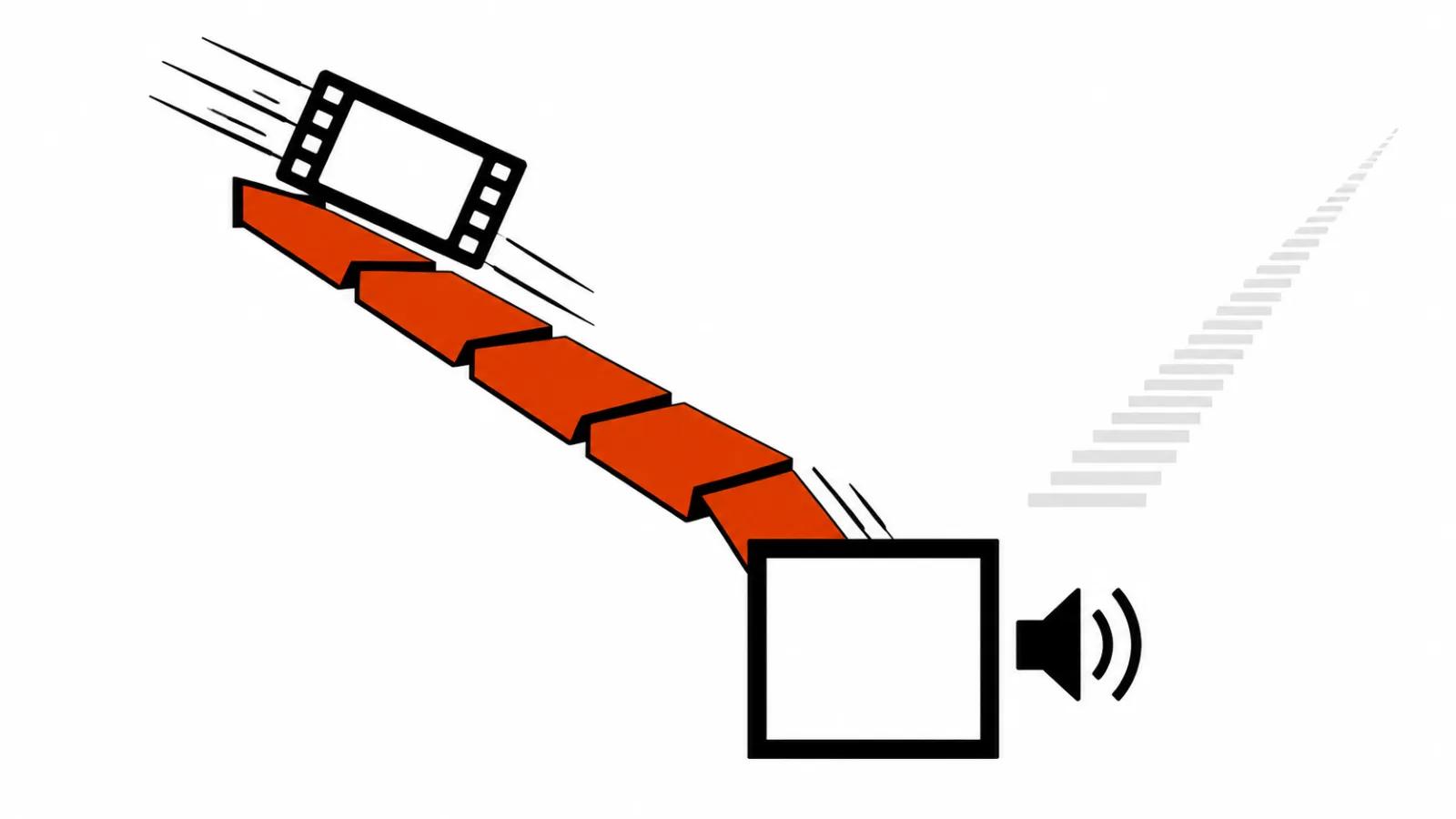
There is a separate line for the VAE decoder: 38 seconds became 1.5. On short clips decoding used to eat more than half the wall clock, so every prompt tweak ran into that queue. With decoding out of the way an hour buys a lot more variations than it did last month.
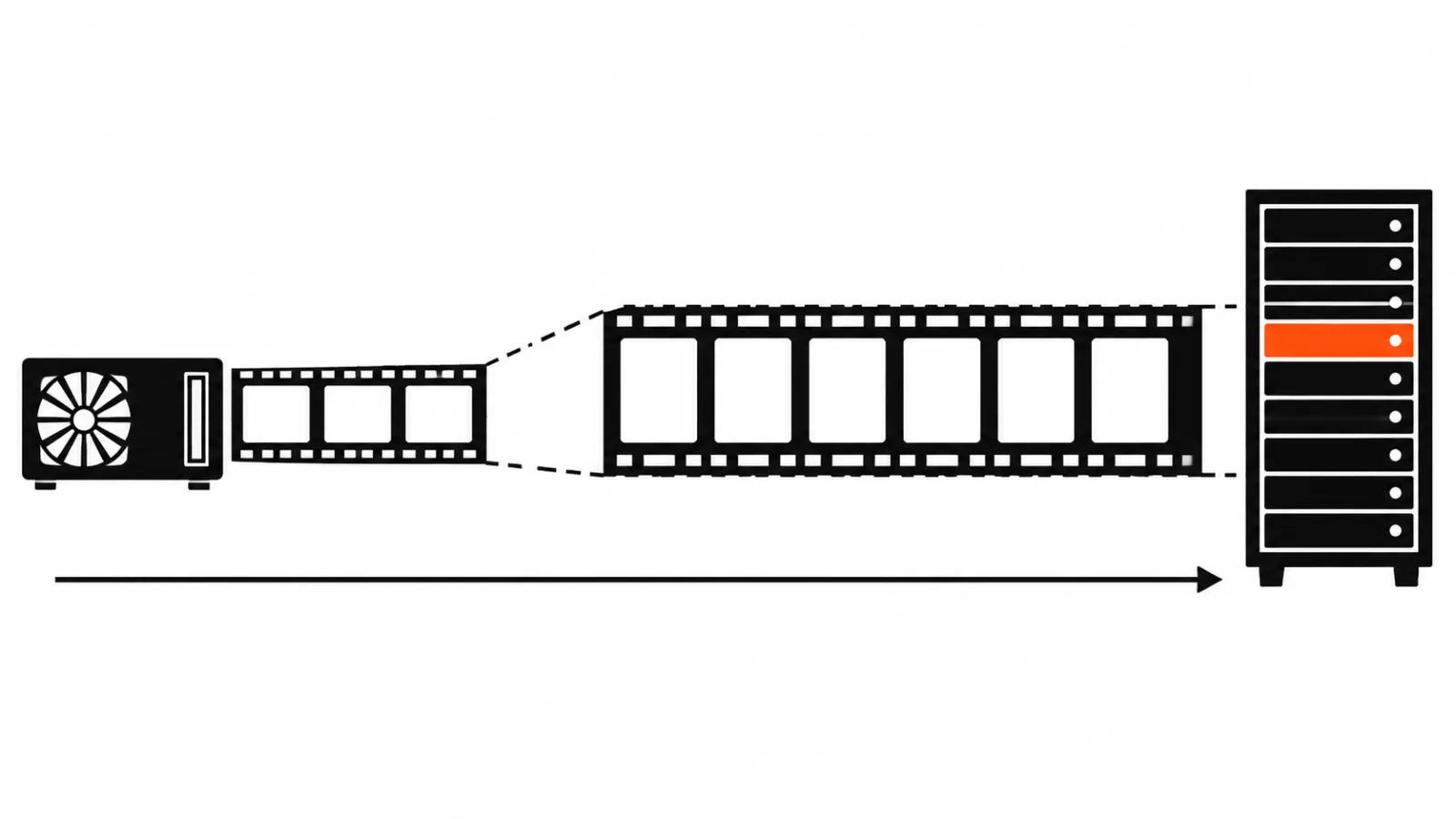
Four bits and quantization-aware distillation
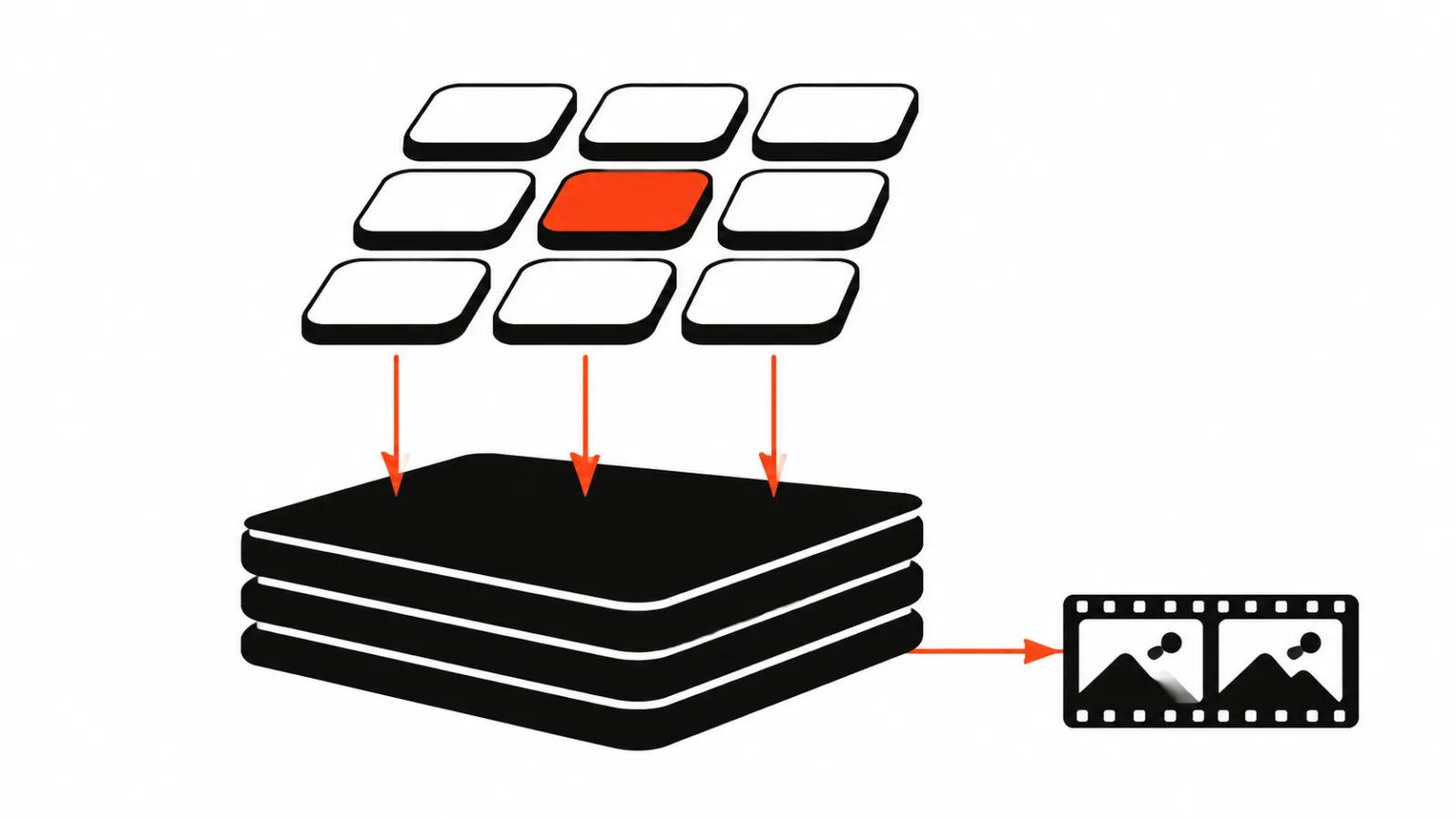
The 4-bit NVFP4 builds are not a straightforward squeeze. The weights were trained with quantization-aware distillation, QAD, so the model learned to compute at low precision from the start. The result is five seconds of 480p in 5.8 seconds on one GB200.
QAD is what lets the 4-bit build lose less quality. Post-training compression tends to smear motion and fine detail, while here the model already expects the rounding during training.
Local video generation: what a desktop card can do
NVFP4 runs on Blackwell, including the DGX Spark and the RTX 5090. On a single DGX Spark a five-second 480p clip from a first and last frame took 59.5 seconds, about a minute per draft. Older generations are out of luck, since NVFP4 needs Blackwell silicon.
Every number above was measured on a GB200, a server board nobody keeps in a workshop. Do not expect 5.8 seconds at home, and the first test worth running on your own card is BF16 on a single GPU.
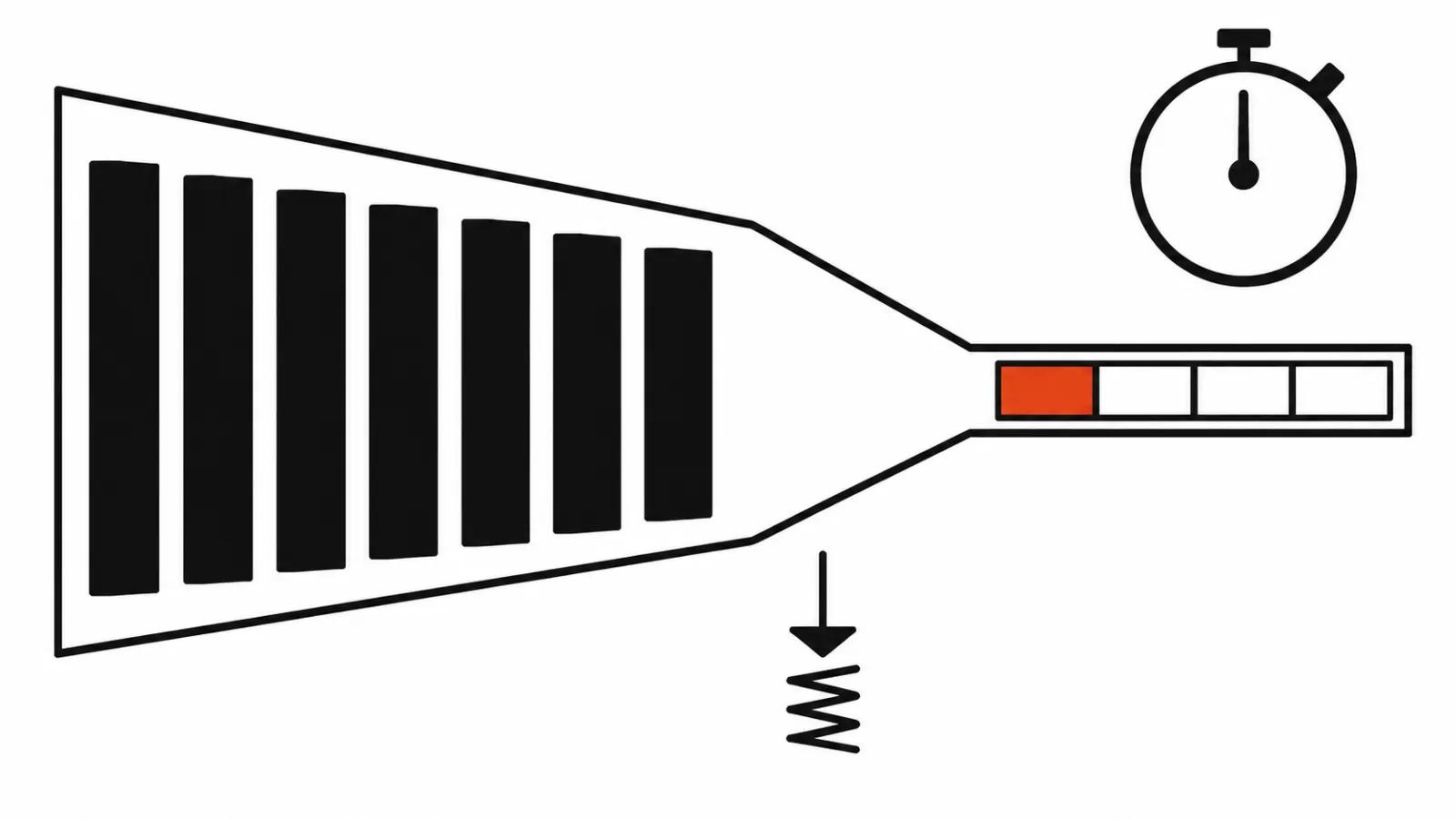
AI video on your own computer: drafts and finals
An open model gets fast a few days after release, once the community picks it up. H3 Flex shipped with open weights recently, and here is the first optimization from an outside lab: a new engine, tuned kernels, 4-bit weights, a faster decoder. We covered the release itself in the piece on Pika H3 Flex with open weights.
For a studio the split is simple. Drafts on your own hardware, meaning frame composition, camera move, a prompt check, cost almost nothing. The final pass at 2K runs on rented compute or through a vendor. That workflow used to break on time, because a draft on a local card took minutes and killed the appetite for a second version.
For a business without an RTX 5090 this is still news about a contractor's tools. The client does not care which engine rendered the frame; what registers is more versions in less time. Compared with a year ago, a local video model with audio on your desktop stopped being exotic.
2K in 106 seconds
Open-H3-Regenerate-2K from NVIDIA re-renders any clip in the H3 family at 2560×1440. The straight path from text to 2K used to take about seven minutes, and now it takes under two: 106 seconds on a GB200. A low-resolution draft and the 2K finish fit into one working session instead of an overnight queue.
The trick with regeneration is that the scene does not need rebuilding. The clip is approved, the composition is locked, and the same material is rendered again at a larger size.
What is open and what to test
The NVFP4 weights sit on Hugging Face under FastVideo/Pika-H3-Flex-NVFP4-QAD, next to the inference code and the full training recipe. That last part is unusual: teams usually publish weights and a launch script and keep the recipe.
Three checks are worth the time this week. The generation of your card, since NVFP4 lives on Blackwell only. BF16 behavior on a single GPU, to see the real speed of your own hardware. And the ref2va branch with nine images, if a project has a recurring character.
Volume decides the rest. A couple of videos a month run fine on a subscription, while a channel series and AI video production at scale need their own pipeline: one template, many versions, a predictable cost per unit. Where a real person has to be on camera, or the words have to land exactly, handcrafted videos stay the stable part of the budget.