Ranking: Wan 3.0 in front
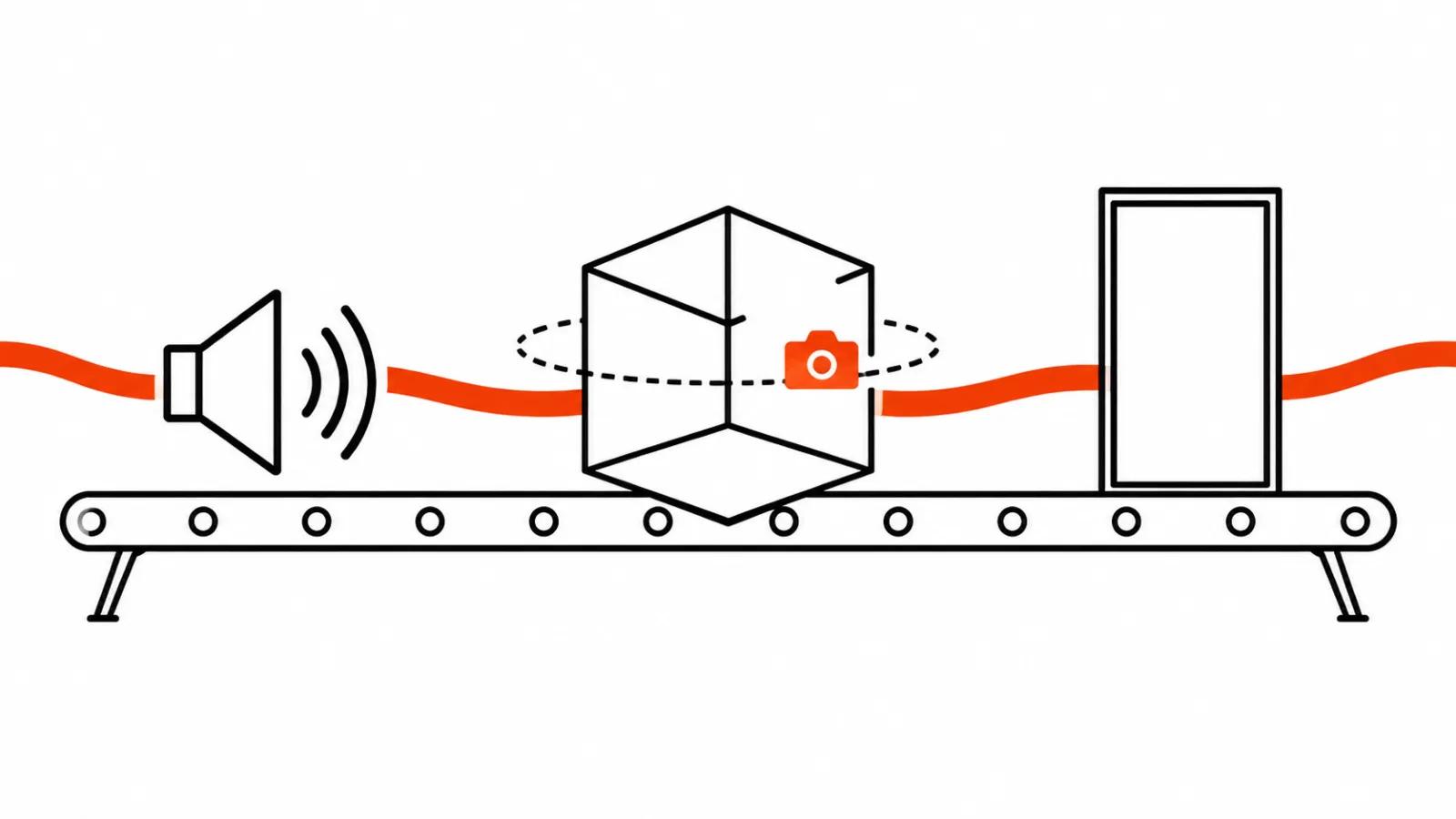
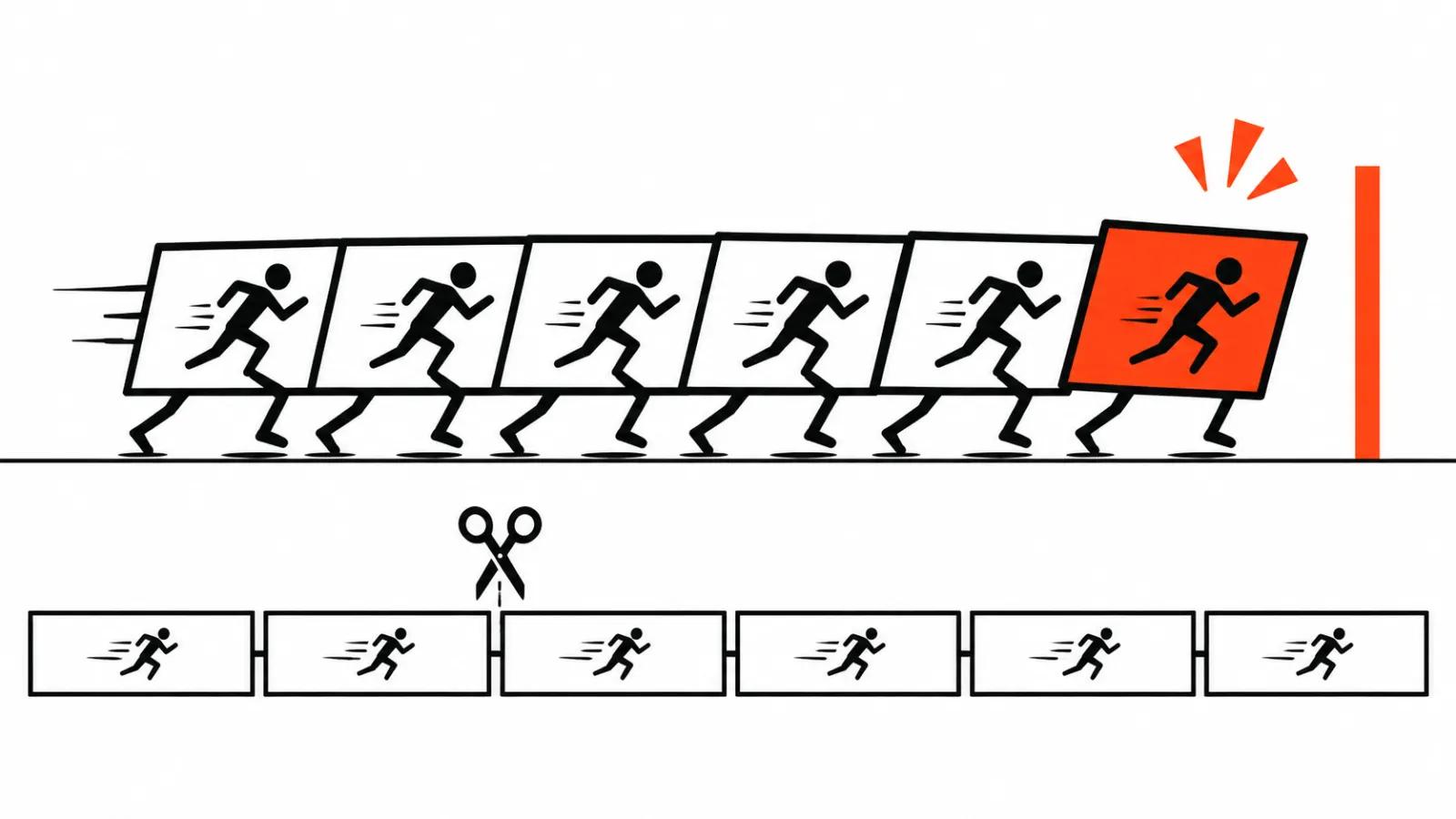
The Artificial Analysis Text-to-Video arena scores Elo from blind votes: two clips run side by side with no label, and the viewer picks the better one. In the November 4 snapshot Wan 3.0 holds first place with 1173 points. Then come Utopai X (1168), MiniMax H3 768p (1162), FLUX 3 Max (1157), HeyGen Video 1 and Seedance 2.5 (1156 each). Gemini Omni Flash 1.1 sits tenth with 1130.
Kling 4.0, Vidu Q4 and Pika H3 Flex are still missing from the table. That says nothing about their quality: the arena grows as clips and votes arrive, and new models often enter the list with a lag.
One more note on Utopai X. The model comes from Utopai Studios and is built for film production; you reach it through their PAI platform, and there is no public API. So the second row lives under a different access model than open weights or ordinary subscriptions.
Why it matters: the spread between first and sixth place is 17 Elo points. Over that distance a leaderboard stops handing down verdicts. A model gets chosen for the job and the budget, while the row in the table serves as a hint.
TaoMate-HD: a digital anchor for live streams
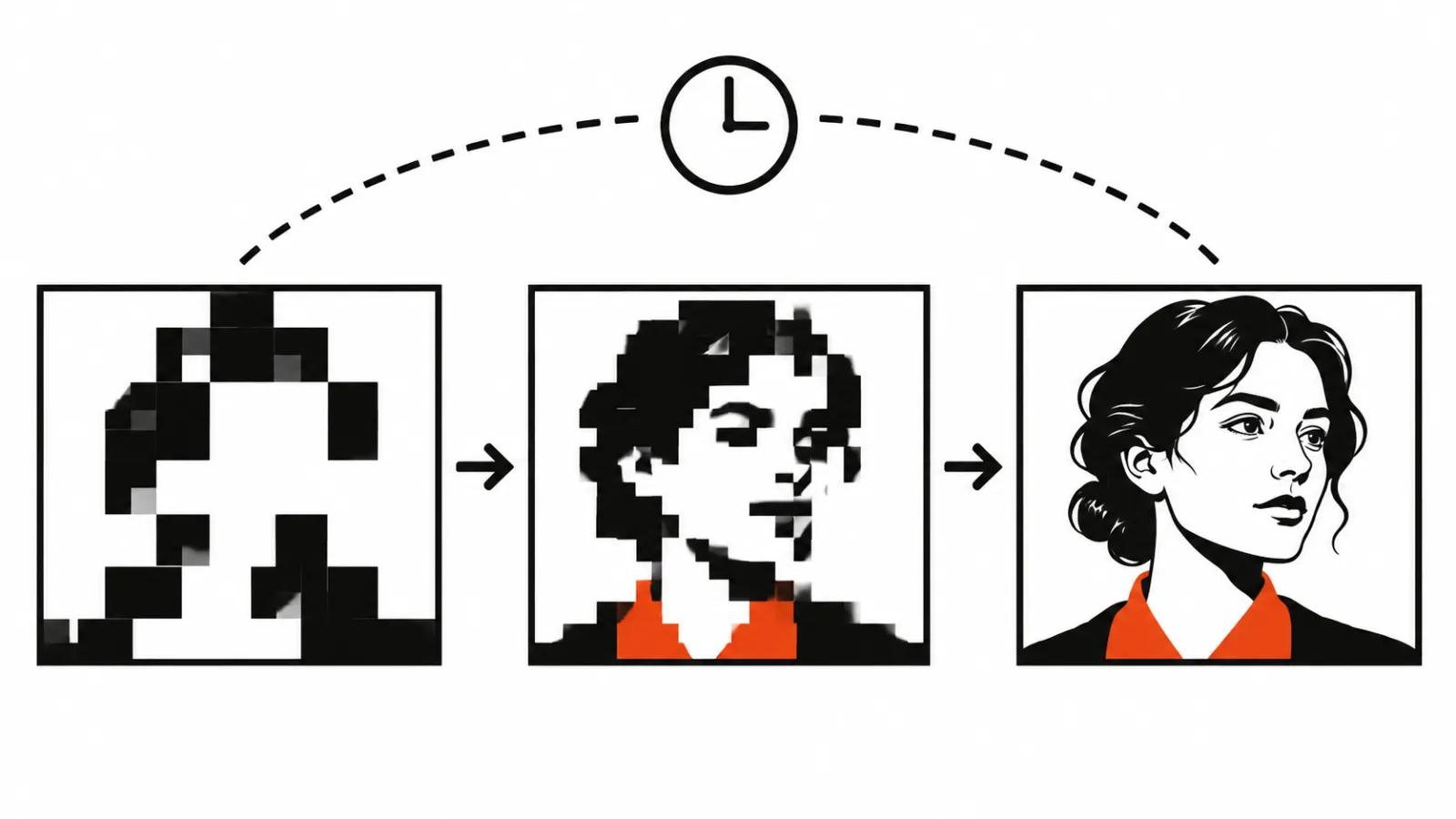
On November 3 the TaoLive AIGC team at Alibaba showed TaoMate-HD. It is a LoRA on top of MiniMax H3, trained for streaming generation of a digital human with sound. The picture improves in stages: the model starts at 480p and brings the frame up to 768p as generation runs.
The paper is on arXiv as 2611.03394, and preview weights are open on Hugging Face in the TaoLiveAIGC/TaoMate-HD-preview repository at about 2.48 GB. An accelerated mode runs on 8 GPUs. The team states its goal plainly: live broadcasts with digital anchors where the picture holds up for hours.
Why it matters: an anchor on air needs even quality over a long stretch, and one handsome frame will not carry it. The step from 480p to 768p is a trade between latency and detail, and that trade decides whether an avatar gets to go live.
Archon: a finished edit from raw footage
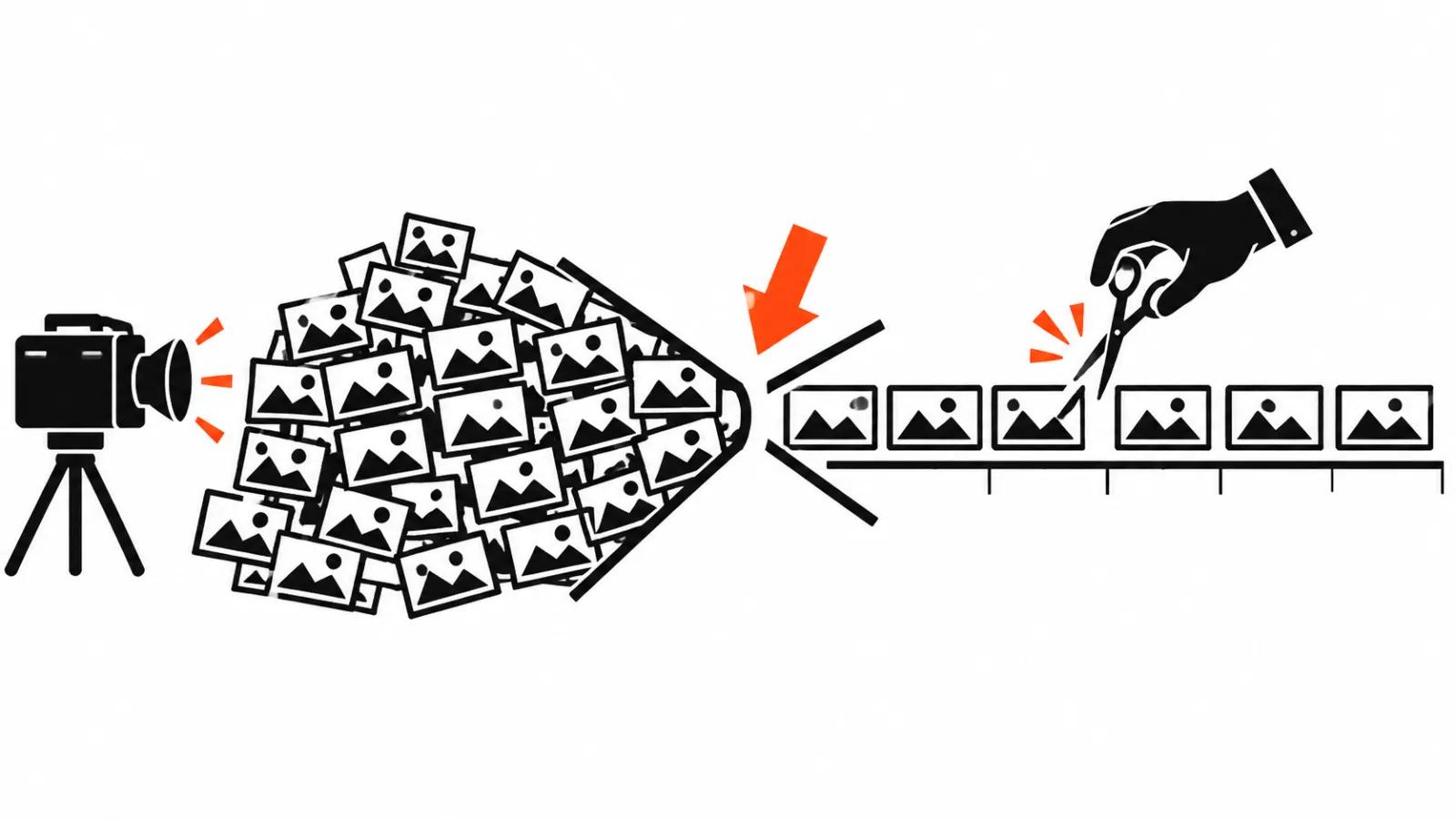
Selendis announced Archon on November 3. The post went out on X and drew around 519,000 views; the company site is selendis.com. Archon is described as a video foundation model that cuts a finished edit from raw footage in minutes and tunes itself to the taste of a particular creator. The co-founders are DJ Steve Aoki and Gavin Wong.
Access is early, through a waitlist. No independent demo exists yet, so everything described above is the company's claim. I am keeping this one on the watch list, and off the schedule for this month.
Why it matters: if an edit from raw takes minutes, the unit of work changes. The creator hands over footage and gets a cut, and the hours move into picking takes and fixing the rhythm.
Creator Mode in DeepSeek Harness
The official @DeepSeekHarness account on X showed Creator Mode: you describe an idea in words and get a working plugin. The examples include a design space, a sandbox game, a 3D visualizer and an editing desk for video. The post reached around 2.2 million views, and 19 accounts discussed it within a day according to the ytdeepsea lab radar.
Complaints arrived fast, and they are not glowing. Users report recognition errors and WebGL problems. The release is early, and the nature of the complaints shows it.
Why it matters: an editing desk assembled with one prompt sounds like the end of manual cutting. In practice these tools still deliver a draft interface, and the finishing stays with a person.
Where AI video news is heading
Two of the four stories are about editing and assembly. Archon promises a finished cut from raw, Creator Mode offers a workbench built to your own taste. Frame generation, meanwhile, gets cheaper and flatter: at the top of the table the models sit almost level, and few teams will pay for a 5 to 10 point Elo difference.
So the bottleneck moves. A while ago the hour went into landing one good shot. Now there are plenty of shots, and the time drains into selection, cutting, rhythm and sound. On a budget it shows: in AI video production more hours go into the assembly than into generation.
The second shift is in access. Utopai X lives on the PAI platform with no public API, TaoMate-HD opens preview weights on Hugging Face, Archon runs through a waitlist. The market has split into closed film tools and open weights, and that split belongs in any stack decision.
What to do with this week
First, test your own scenes on two models from the top of the table. A 17 point Elo gap on a shared pool often disappears on one narrow task: a talking head, a product on a table, a city street.
Second, count where your hour actually goes. If frames arrive faster than you can pick them, the bottleneck already sits in the edit, and new models will not rescue it.
Third, keep open weights in reserve. The TaoMate-HD preview weighs 2.48 GB, which lets you try the approach on your own hardware before building a stream around it.
Fourth, do not build a process on announcements. Archon and Creator Mode are still a claim and an early build, while client work needs stable tools. Where a real person and precise facial work have to be on camera, handcrafted AI videos remain the predictable line in a budget. Our Wan 3.0 guide is worth a reread as well, to see how the model behaved before first place, and so is our image-to-video leaderboard piece if you work with stills brought to life.