What Wan 3.0 takes in and what comes out
Wan 3.0 went generally available on August 24, 2026, in Alibaba Cloud's international channels. One model covers three jobs: text to video, image to video from a first frame or from a first and last frame, and video built from references.
It renders at 480p, 720p and 1080p, and a single generation runs up to 30 seconds. Wan 2.7 topped out at 15 seconds with a 2-second floor, so the ceiling doubled. There is also a duration hint that lets the model stretch a scene to fit a target length, plus extension for a finished clip.
That changes editing habits. A 30-second shot used to arrive as two or three pieces, and continuity slipped at every seam. Now the piece is whole, and extension adds seconds without a fresh generation. For a long tracking move or a walk across the frame, the result looks considerably calmer.
Documents on the input
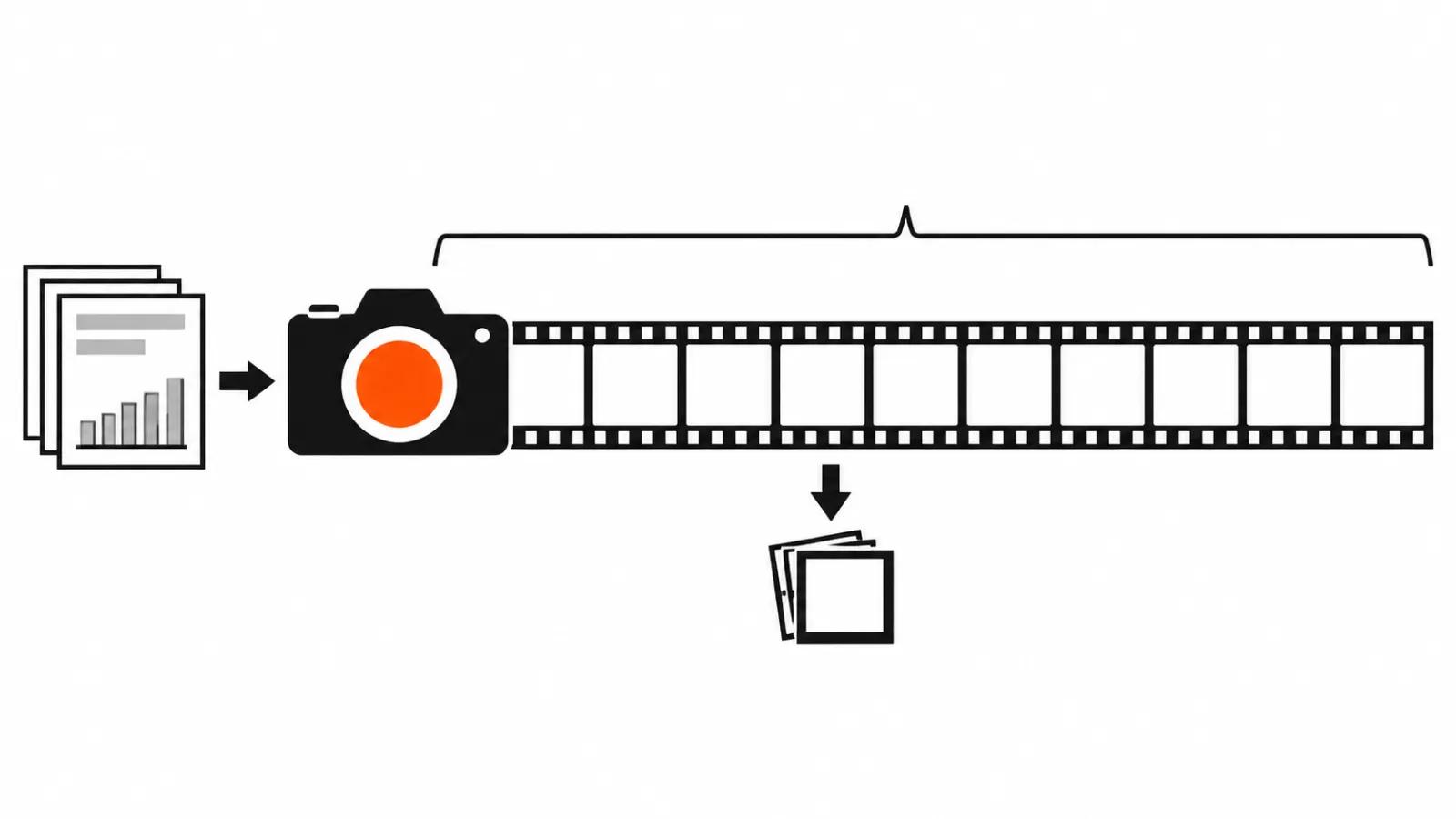
The model accepts text, images, audio and video. It also takes documents and web pages: DOC, XLS, PPT, PDF, TXT, KEY, Pages, Numbers and Markdown. Alibaba's own example is a product deck that turns into a launch video.
That input saves the dullest step in the process. A brief, a cost spreadsheet or a finished deck goes in as it is, and less time goes into rewriting the task as a prompt. I think this is the headline of the release, more than the 30 seconds. Restating the brief in words a model understands eats a real share of the work on a video, and a document on the input cuts that share down.
Audio and edits: what already works
Audio is generated together with the picture, so no separate voice pass sits in the pipeline. Alibaba says itself in the docs that the texture of the sound and the accuracy of on-screen text are still being refined. Treat final titles and spoken lines for broadcast as a manual job and budget time for it.
The editing layer introduced in Wan 2.7 survived. You can change the picture, the plot and the lines without regenerating the whole clip. The saving there sits in good takes you no longer throw away over one sentence.
The price of a second at 480p, 720p and 1080p
The international API bills per second of finished video:
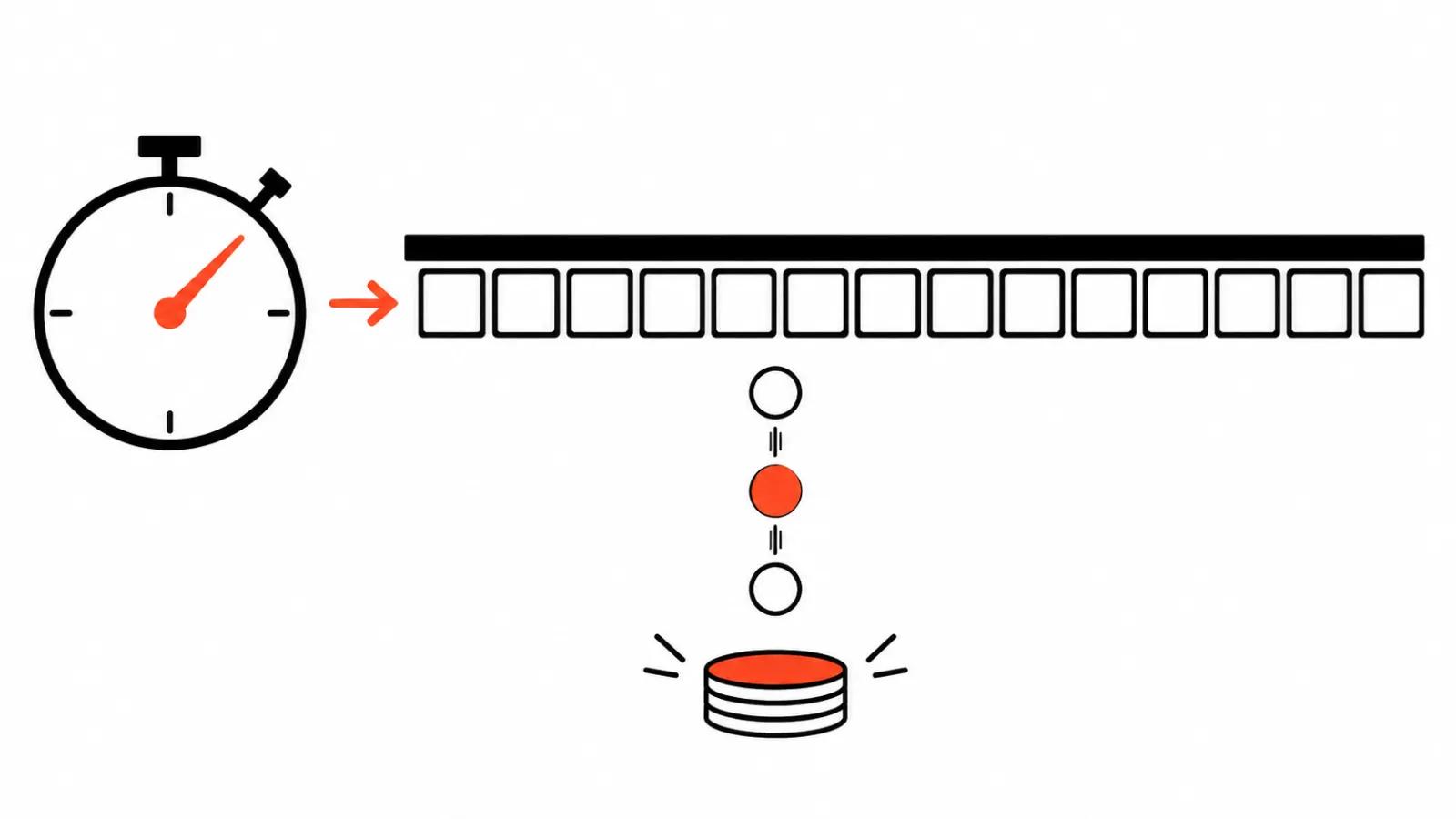
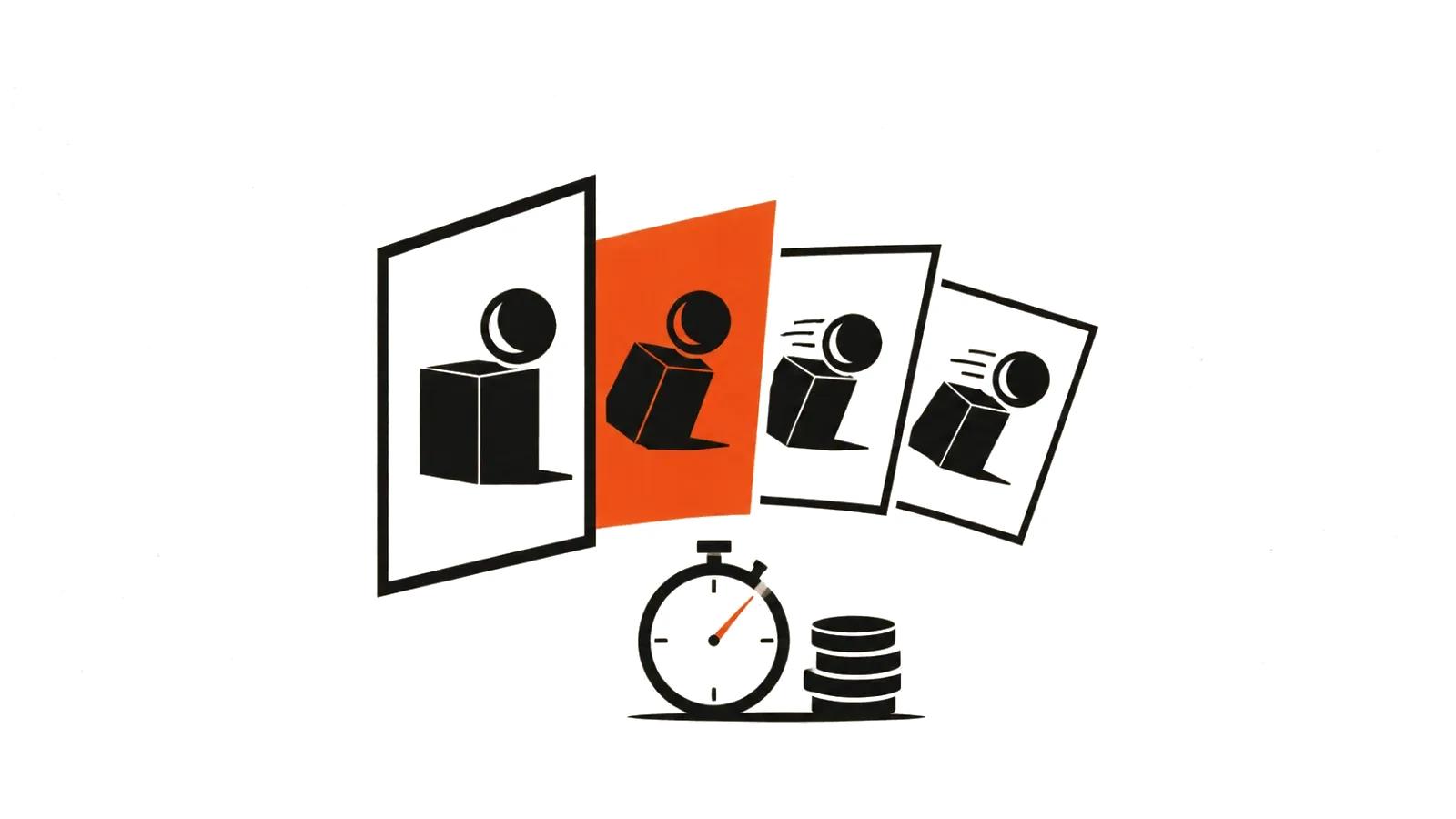
The rate limit is 300 requests per minute, enough for batch runs. The pricing logic is simple and, to my eye, honest: a 480p draft costs pennies while a 1080p final costs exactly four times more. So I would run versions at low resolution first and judge motion and composition, then switch to high resolution for the shots that survived. One regenerated final costs as much as four drafts, and across a long series that gap shows up on the monthly bill.
| Resolution | Per second | 30 seconds |
|---|---|---|
| 480p | 5 cents | about 1.5 dollars |
| 720p | 10 cents | about 3 dollars |
| 1080p | 20 cents | about 6 dollars |
No open weights, API only
The last open release in the family is Wan 2.2. Wan 3.0 lives in Model Studio and is served through the API, so there is nothing to download and run locally. That is a real limit for a studio with its own GPUs and close to irrelevant for a project without any.
The leaderboard: first place in text to video
On the Artificial Analysis leaderboard for November 2, Wan 3.0 sits first in the text to video category with a score of 1175. The ranking comes from blind side-by-side comparisons of clips made from the same prompt, so it reflects viewer preference, with speed and price left out.
The practical point is that the pricier model is also the one viewers rate highest. Alibaba itself still calls on-screen lettering a weak spot, so titles and logos are safer laid on top in the edit.
My take: draft at 480p, finish at 1080p
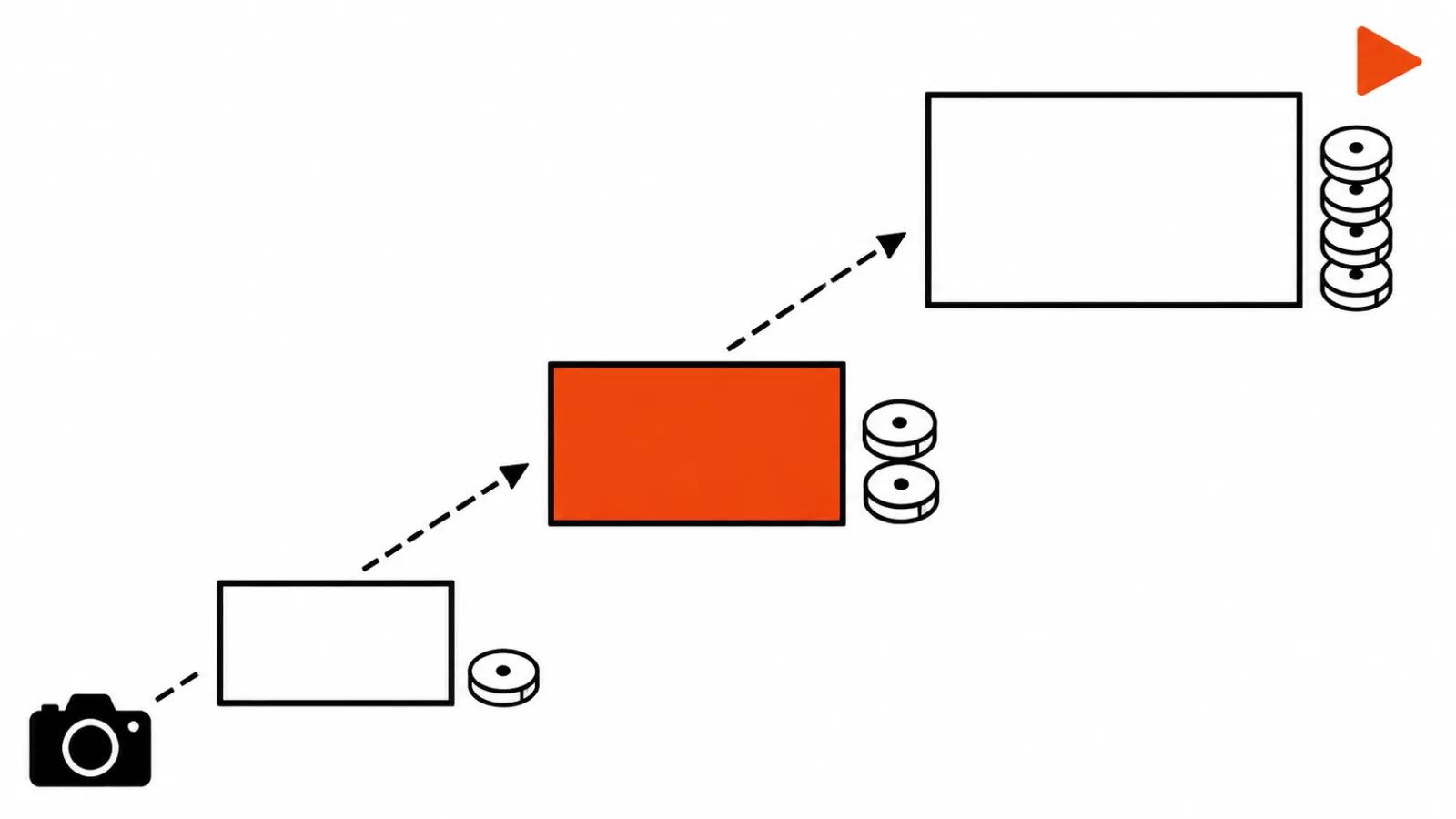
I would work in three steps. Start with the document: a brief or a deck goes into the model and comes back as a script and a shot list. Then a 480p draft at 5 cents per second to test motion, framing and whether the idea lands. Only after that a 1080p final for the selected shots.
Two doubts stay with me. Alibaba calls the audio and the on-screen text unfinished, so on any project with voice I would keep slack for manual fixes. And with no weights, everything runs through someone else's cloud, which puts both price and availability outside your control.
Short clips at volume make the draft-first pattern pay off fast. For long AI videos assembled clip by clip, in-model extension removes part of the edit. Our AI video production service works this way on launches and ads, and where a real person has to be on camera, a promo video shot on set still beats a generated one. For the wider field, our roundup of Chinese AI video models covers the rest of the lineup.