What was announced on October 28
On October 28, 2026 the official Kling API changelog carried an entry titled "Kling 4.0 API Is Now Fully Available". The company's wording is literal: full access, every developer, no waitlist.
The background explains why this is a story about the API. Kling 4.0 itself reached all users on October 15, and the Kuaishou press release from October 16 calls it the launch of the next generation of the model. The entry points then were the kling.ai interface, MCP and the CLI, with the public API in a coming-soon state.
On the twenty-eighth that state ended. MCP and an API differ less in technique than in ownership: MCP suits an agent in a chat window, an API suits your own service, on a schedule, with logs, invoices and retries.
Three endpoints and what sits behind them
The changelog lists three: /text-to-video/kling-4.0, /image-to-video/kling-4.0 and /omni-video/kling-4.0.
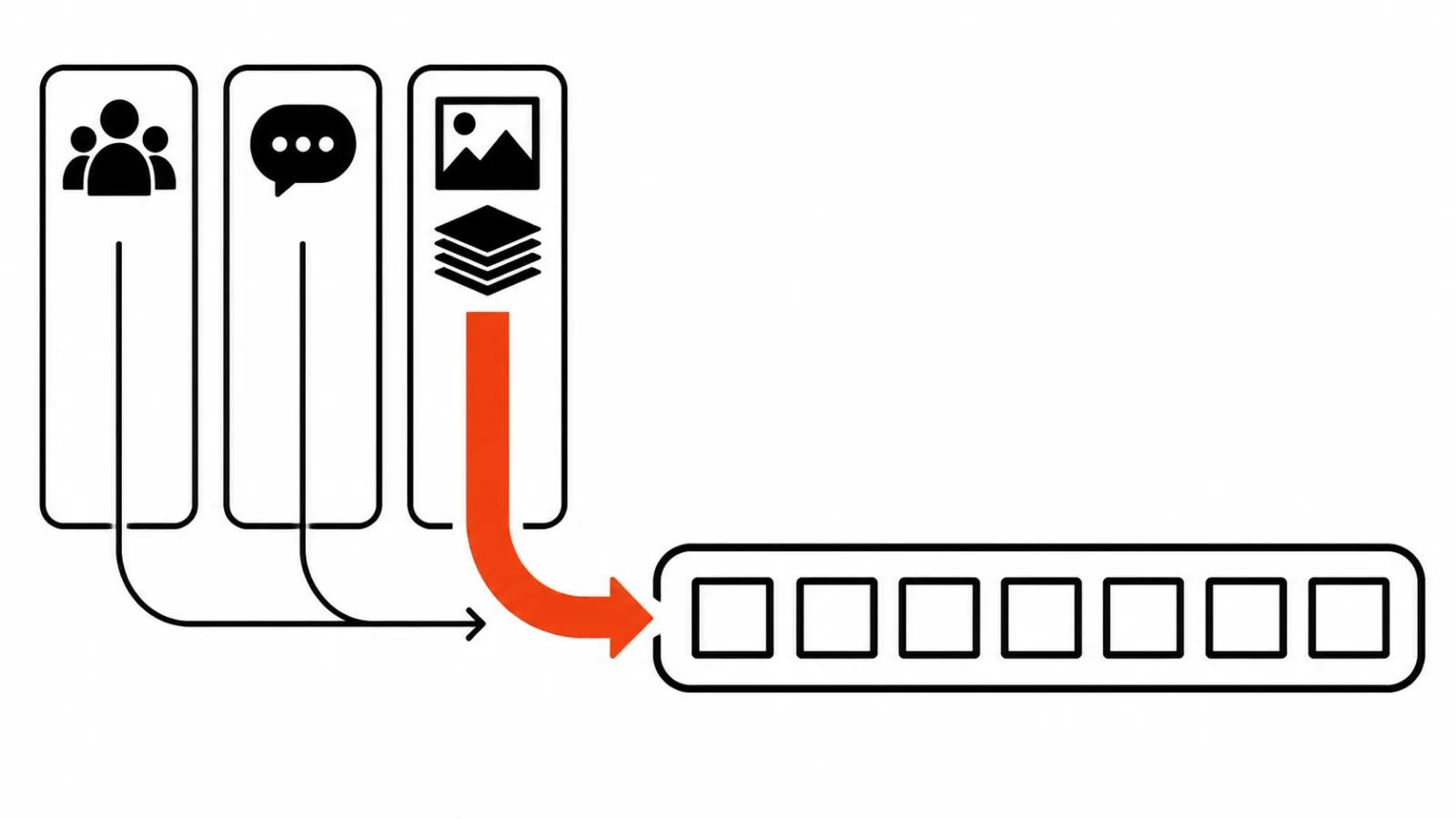
The first turns text into video, the second animates a still, the third assembles a scene from everything at once: reference images, reference videos, keyframes and voice. The third is the interesting call for a pipeline, because it solves the problem of a series: one product, one character, one look from clip to clip. The first two stay for quick tests.
Thirty seconds in one run
Up to 30 seconds per run. Resolutions are 720p and 1080p, with 10-bit 4K stated as coming soon. Aspect ratios include 21:9 and an adaptive mode, where the model fits the frame to the input.
Thirty seconds is not a rounding error. For vertical video a single clip that long covers a whole scene without a cut, and cuts are where a series drifts in light and motion. The 21:9 ratio earns its place in inserts for horizontal pieces.
I would hold the applause here. Long runs sag toward the end across every model: ask for more seconds and by second twenty the character may start changing face. A stated length and a stable length are different things, and both need checking on your own footage.
Ten keyframes, fifteen inputs, voice
The specification in the changelog reads like this: up to 10 keyframes, up to 10 reference images, up to 5 reference videos, up to 15 inputs in a single task. Omni reference accepts voice directly, and prompts run up to 26,000 English characters.
Ten keyframes change directing. The old pattern held the first and last frame and left everything between to chance. Now you set the path: where the subject stands, where they look, what is in their hands midway.
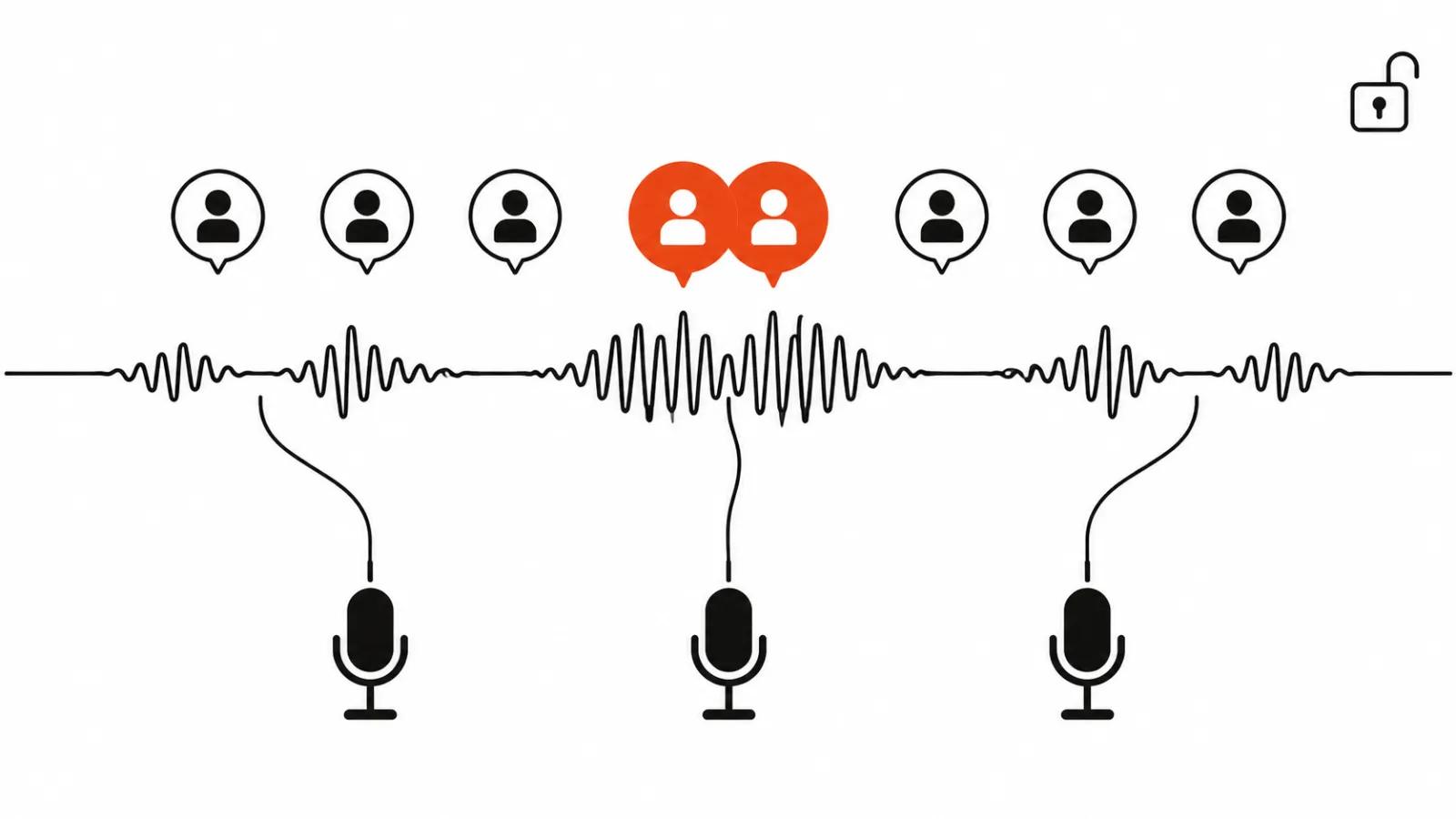
Voice as a direct reference is a separate story. Pass a recording of a narrator and you get the same timbral colour. Pronunciation is a different question: timbre and articulation hold to different degrees, and on difficult words the gap is audible.
Twenty-six thousand characters is a long brief, enough for a script with scene descriptions, lines and notes. Length does not equal precision, though: long descriptions lose details.
How billing works
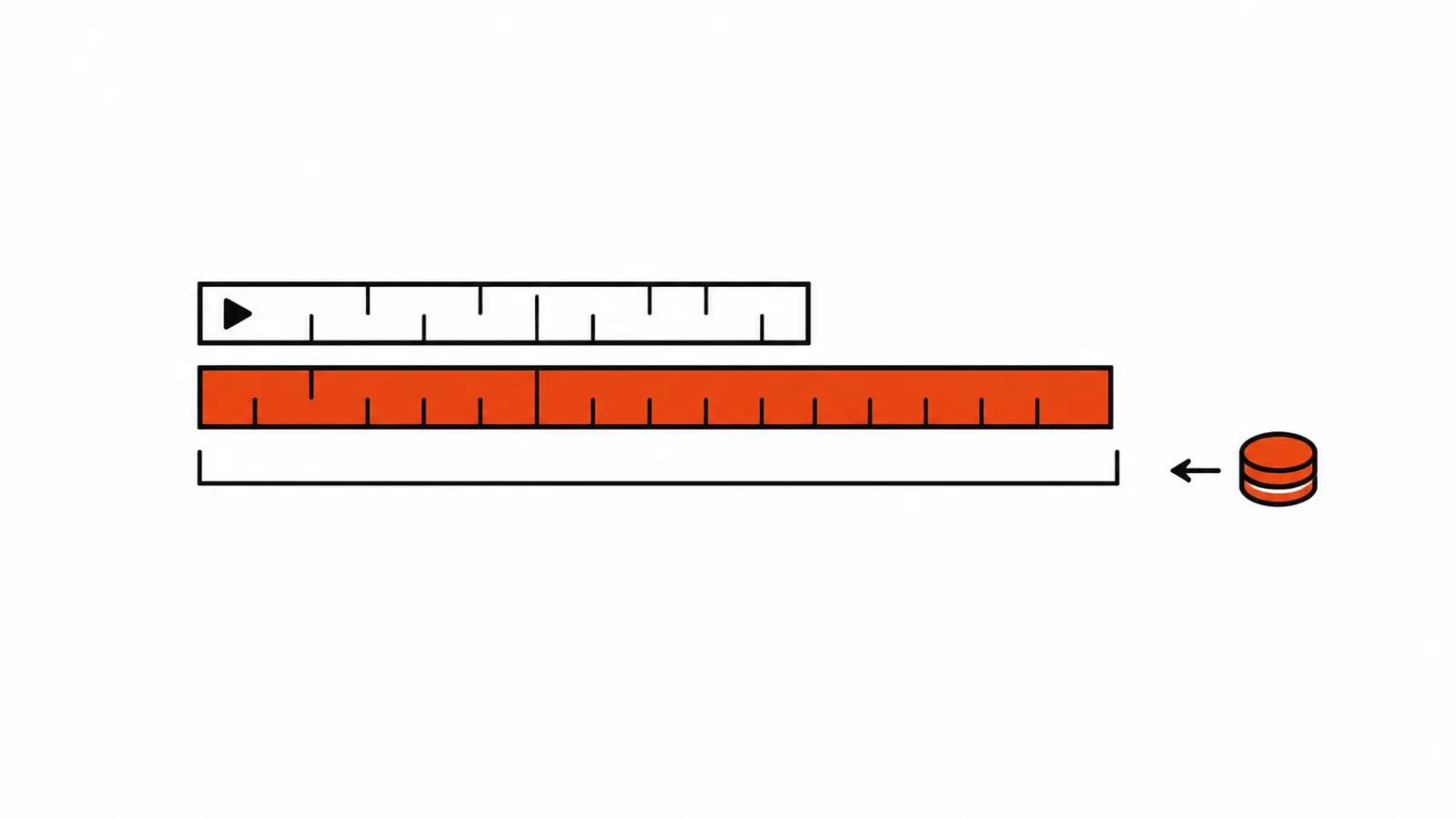
Billing runs on combined duration: input video plus output. That line decides a budget, and it is easy to miss.
A ten-second reference video and a thirty-second output add up to forty seconds on the invoice for one run. Run a series with long references and you pay for them every time, so trim a reference to the fragment you need before the call.
Unit prices are not quoted here: they depend on the account, they change, and the only honest number sits in your own dashboard.
Where the friction sits
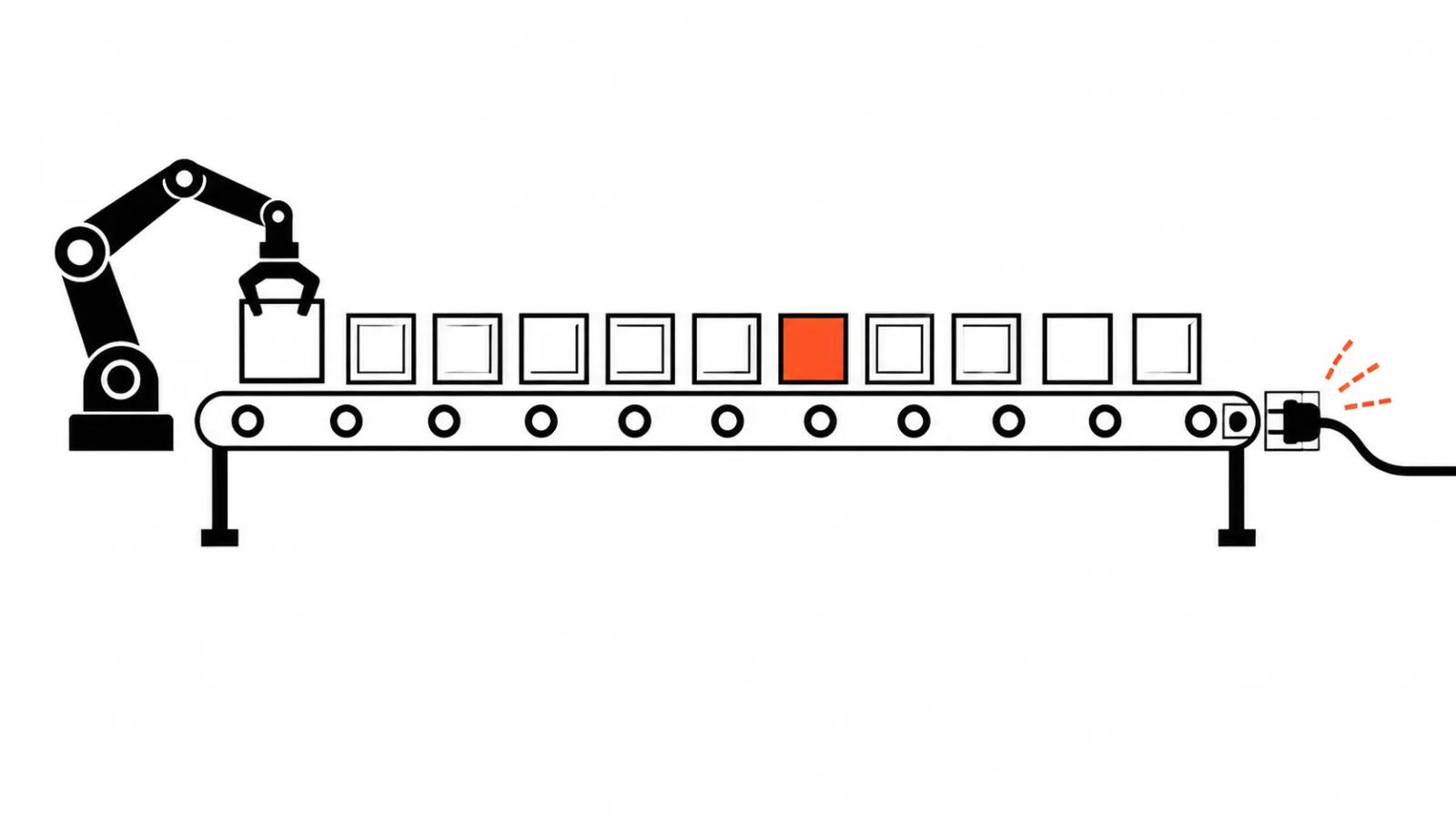
First. An open API is not a capacity guarantee. Queueing under load and limits on parallel jobs are normal with any video model, and the changelog says nothing about them. For a batch of hundreds of clips, establish that first.
Second. 4K arrives later, so headroom for platforms that recompress hard stays on paper for now.
Third. Automation removes manual work and adds triage. When clips arrive by the hundred, watching them costs more than generating them. That means a filter for artifacts, for the product matching its reference, for length. Teams that skip this end up with a warehouse of video and nothing usable.
What it means for production
The main consequence: production splits in two, and the border runs along predictability.
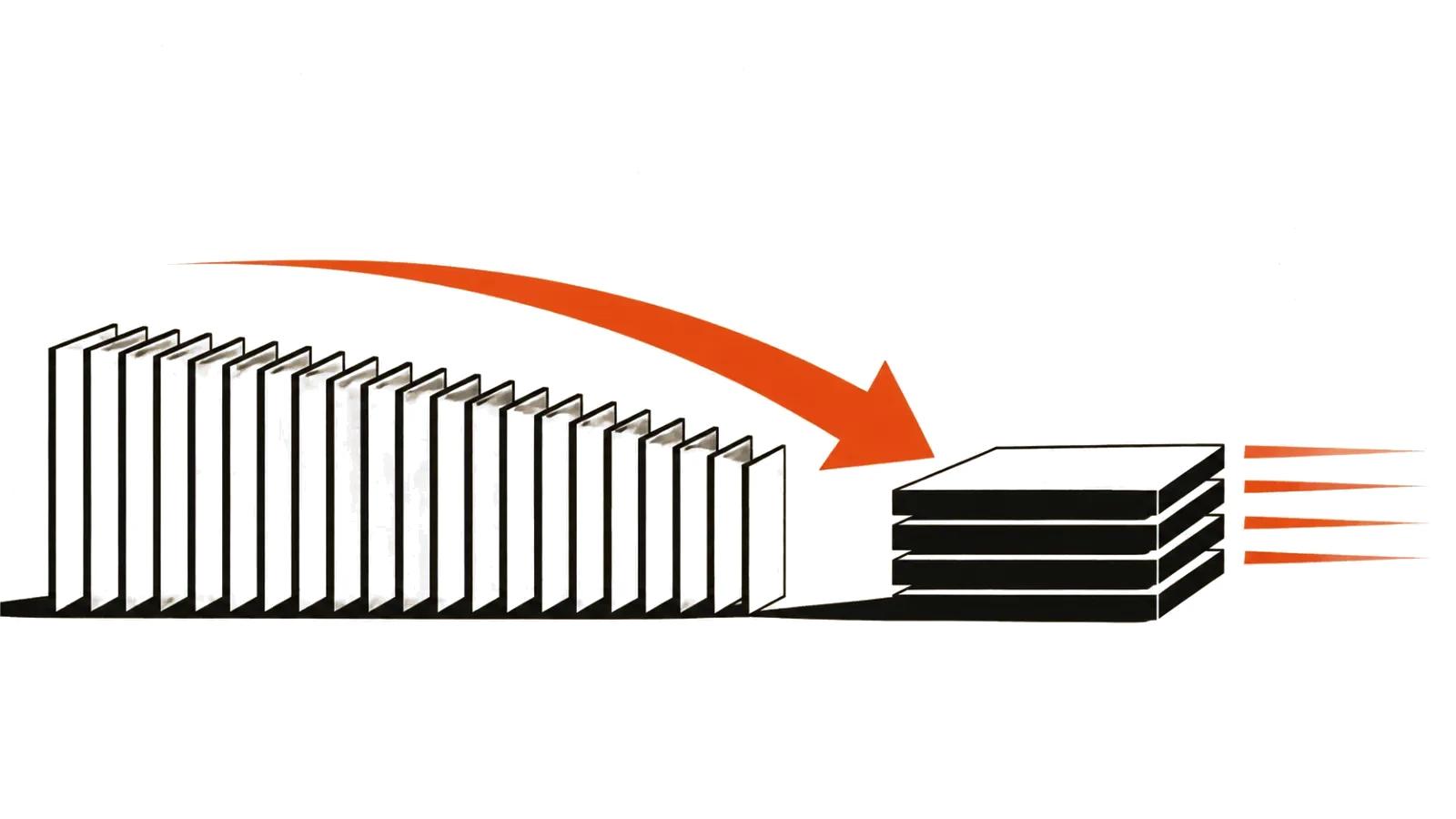
Where a series needs one product and one look, there is now a direct call from your own service. That is how short-form video at scale gets built: one setup, many hooks, one product inside. The same logic drives video versioning, where the point is to keep the original meaning while reworking versions for each platform. And the same call covers volume for AI video production, when a client asks for a stream of clips and not for a single piece.
Where the job needs staging, actors, precise brand design and accountability for every word, nothing changed, and handcrafted videos stay where they are: their value is a decision made on set.
My test for a client is blunt. More than thirty clips a month with a repeating product, and the API is worth a try this quarter. Five clips a month, all different, and integration work costs more time than it saves.
What to do this week
Kling 4.0 in a browser was a quality story. Kling 4.0 behind an API is a story about the cost of a mistake: a failed run now costs money and shows up in a log.
- Take one product and one reference, run ten 15-second clips at 1080p through omni.
- Compare product consistency at 15 and at 30 seconds, and note where drift begins.
- Test voice reference on a difficult line with a brand name in it.
- Build the budget on combined duration, reference videos included.
- Measure how many of ten clips reach production. That share is your real cost per usable second.