Why two similar briefs cost different amounts
Two briefs that look identical can come back at a few hundred dollars and at tens of thousands. The difference sits in the scope of work, and the scope is easier to read when an estimate is split into blocks.
Demand is not the problem. Digital video spend in the US is set to grow 11 percent to $81.9 billion in 2026, according to IAB. Wyzowl's State of Video Marketing 2026 reports that 63 percent of marketers already use AI tools to create or edit video, up from 51 percent a year earlier, while the share reporting good ROI fell from 93 to 82 percent. More tools are in play, and the return does not climb on its own.
Four blocks in a production estimate
Studios usually split a quote into four blocks. Preparation covers the producer, script, storyboard, locations and cast. The crew is priced by shoot days. Equipment and logistics are priced by shoot days as well. Post-production covers editing, color, sound, titles, graphics and voiceover.
Each block can be priced on its own, which is why two quotes for the same video rarely match line by line. Storyboard work can stretch out on one quote and stay short on another, and crew sizes differ just as much. A video production budget is far easier to read block by block than as a single line.
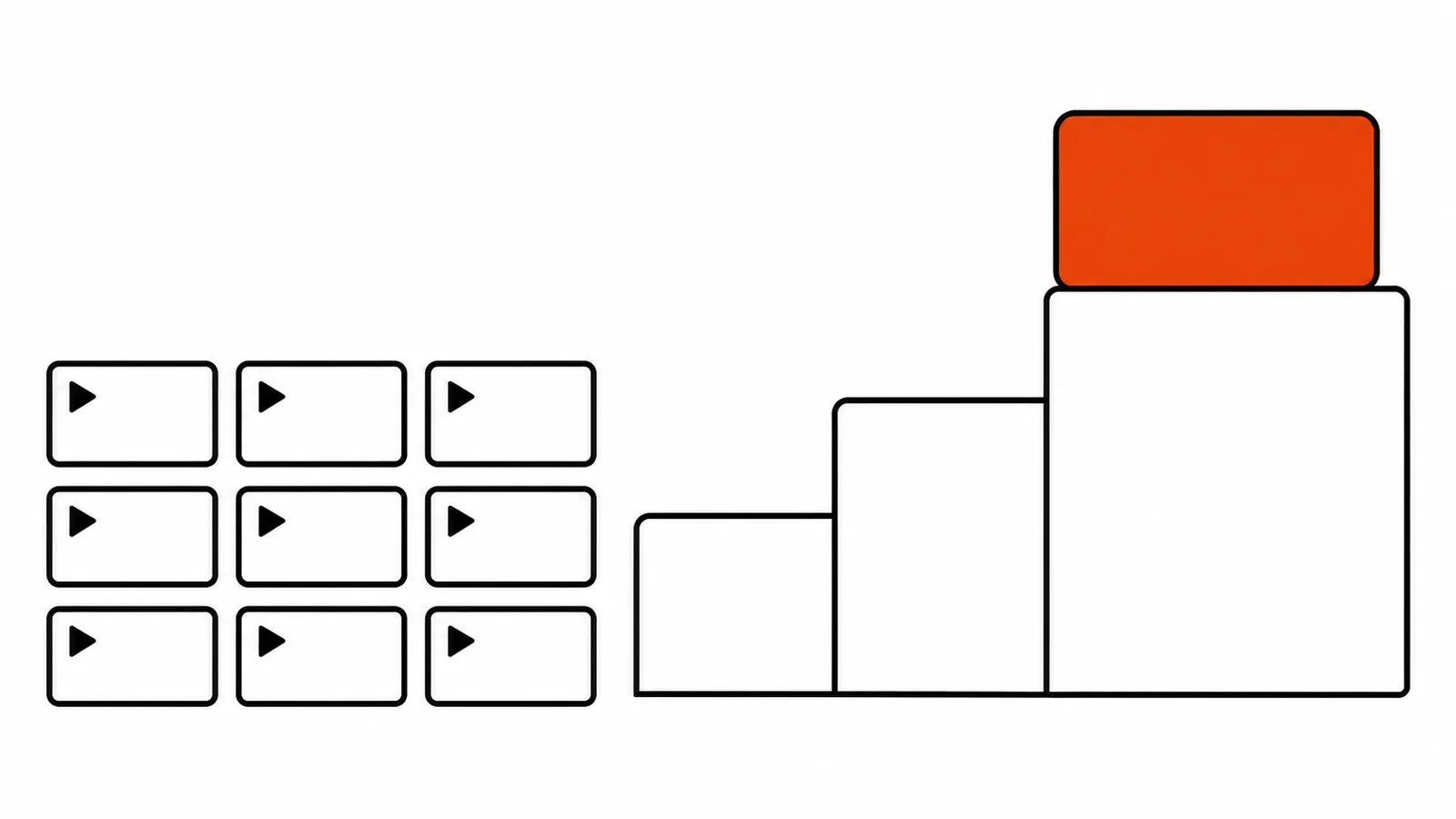
Why the spread between studios is so wide
An extra shoot day multiplies crew, equipment and logistics, and that is where an estimate grows fastest. Shifts, crew size, the number of locations, the volume of graphics and the number of cutdowns move the price more than the length of the finished file.
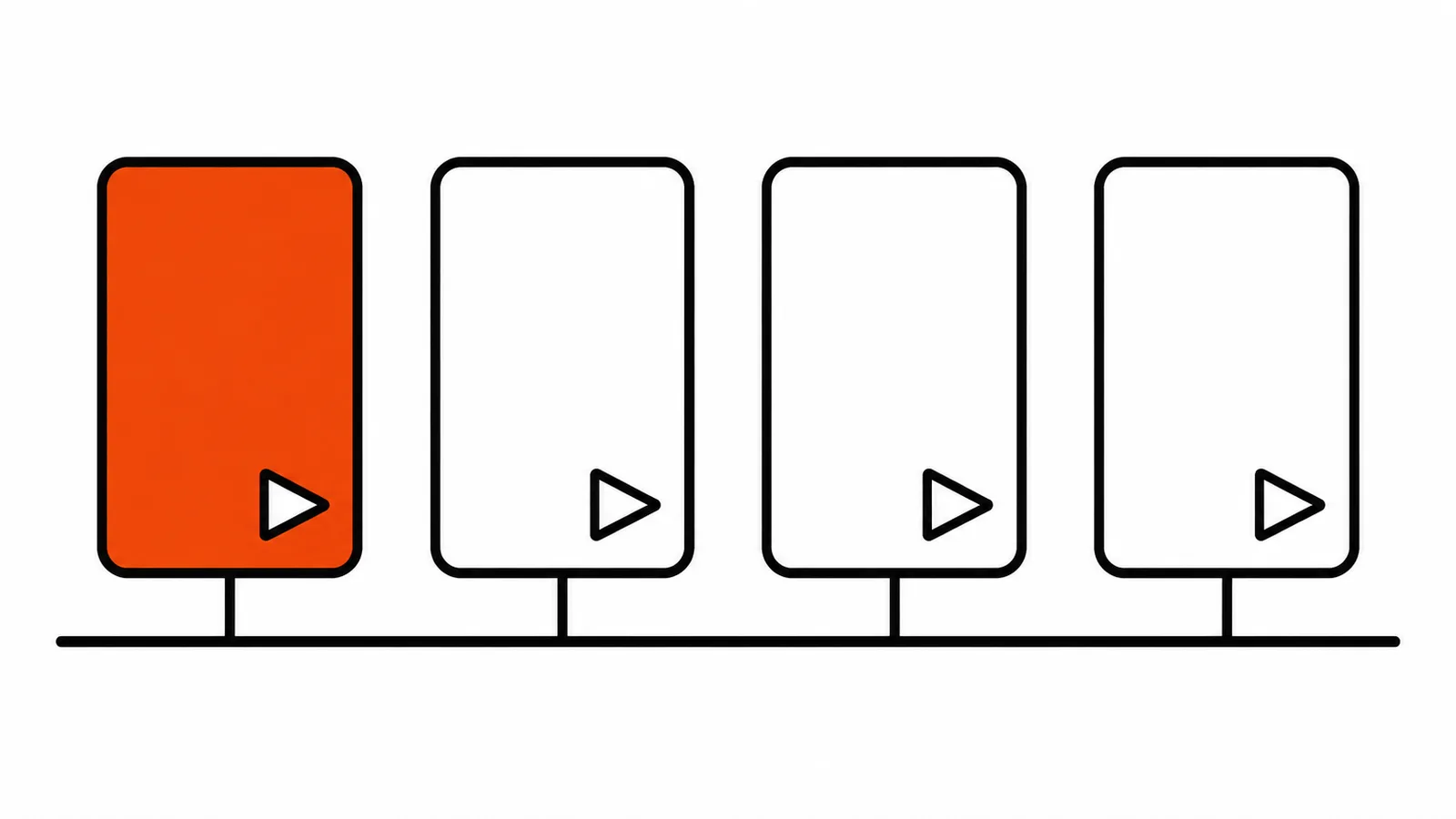
Format is the second driver. A single budget lands either on one polished brand film or on several short clips for different placements, and the scope behind each one is different.
What the price of generation is made of
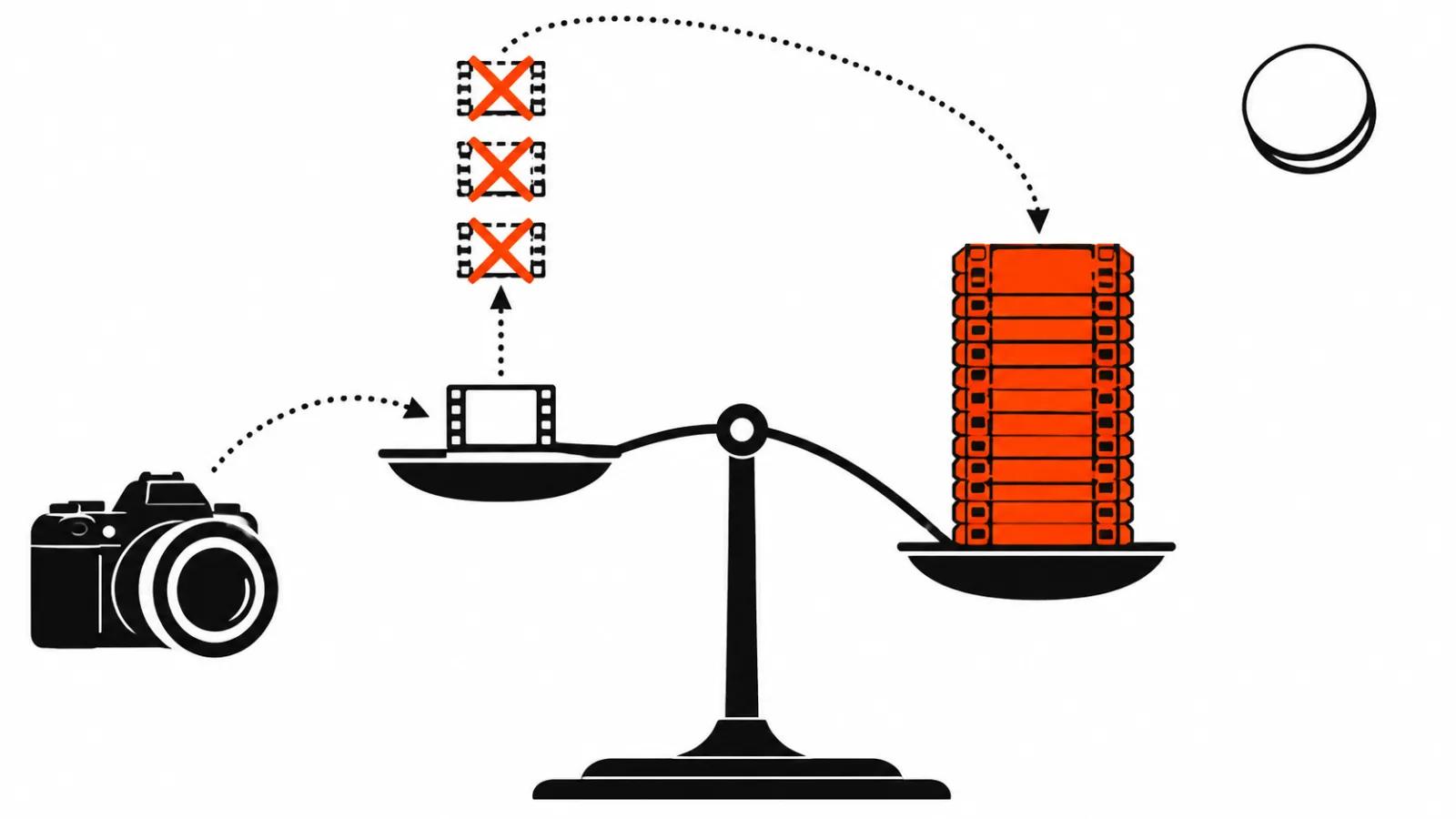
When a model takes over the shoot, the four blocks shift. Work with the model replaces the crew and the equipment, and the cost moves into preparation, frame selection and junk cleanup. Only a fraction of attempts make the cut, and every attempt is paid for. Sound, editing and versioning come after. That is how the cost per second of AI video is built, and it rarely matches the cost per second of the finished clip.
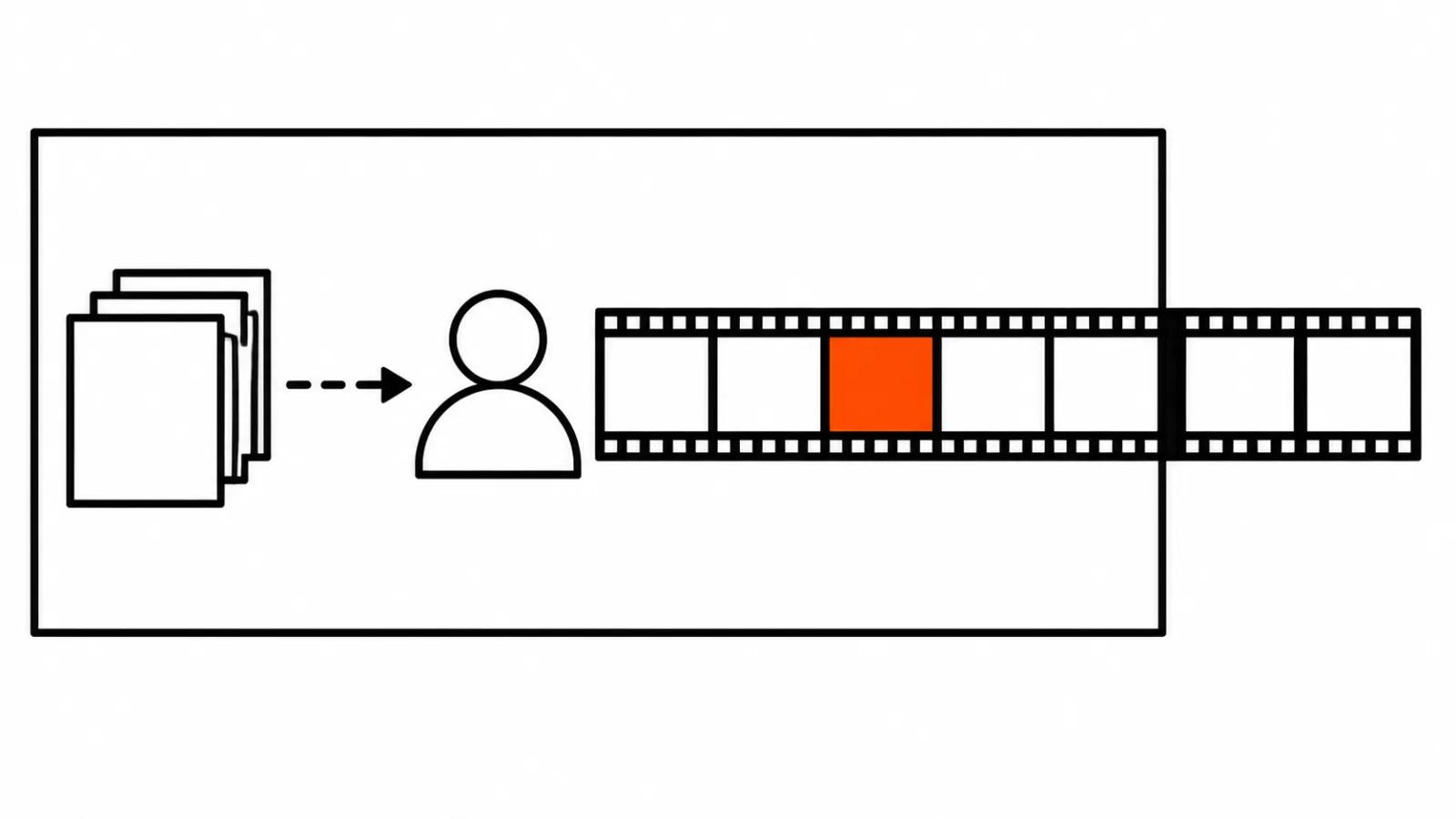
Handcrafted videos are assembled frame by frame, so they are priced differently from volume work. Every scene is reviewed and regenerated when needed.
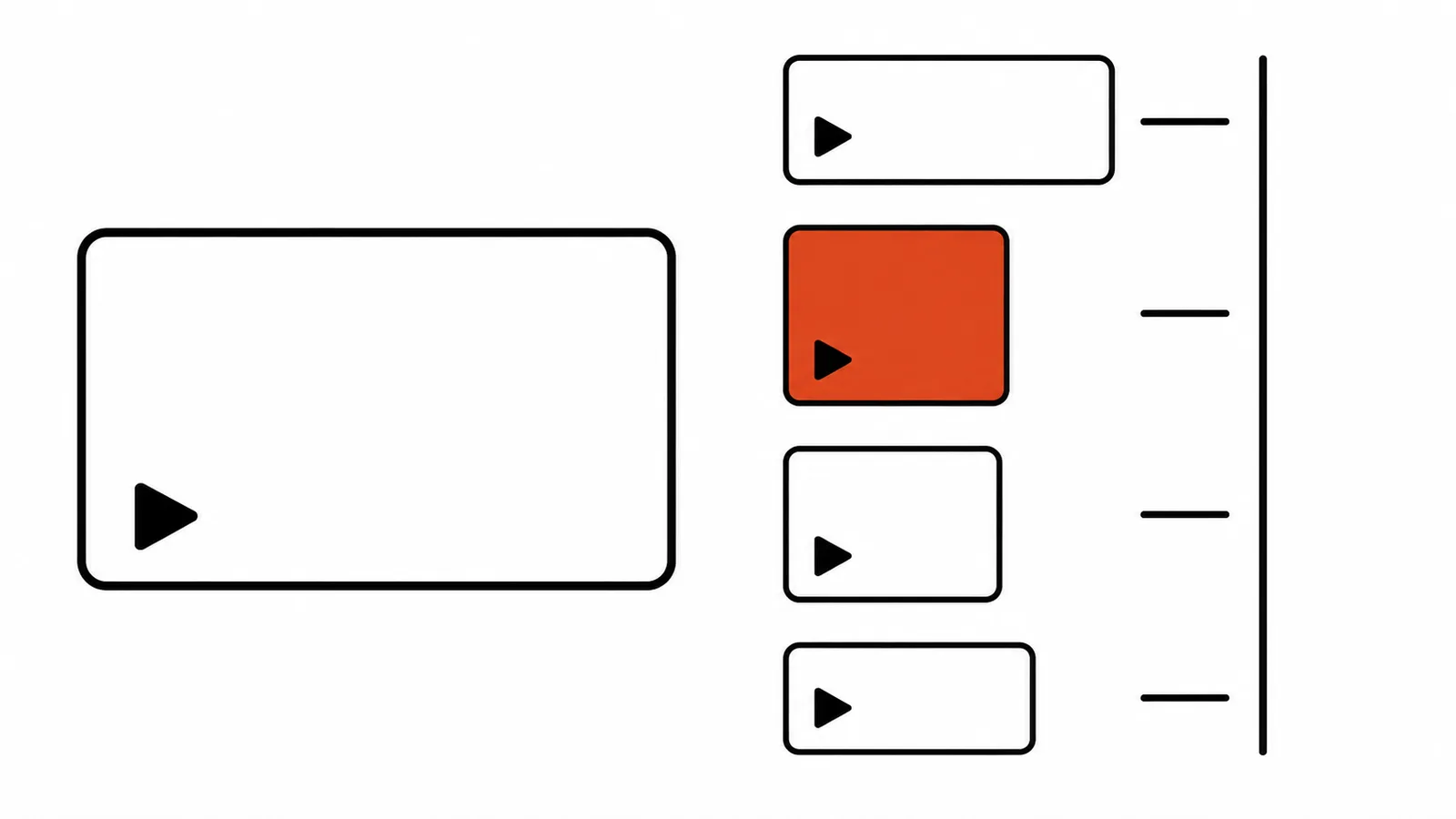
Why volume formats use a different unit
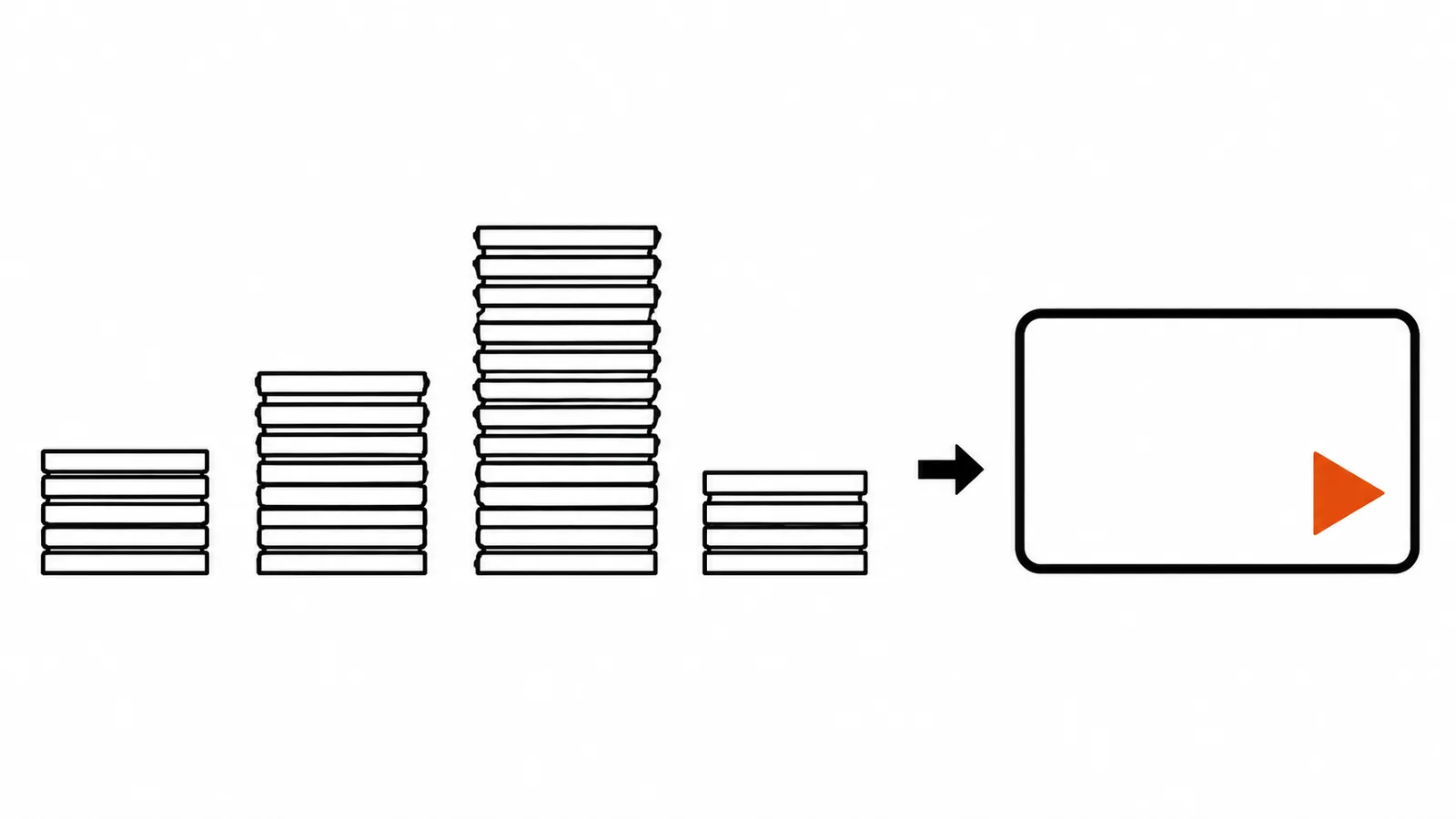
When the order runs into hundreds of clips, the unit becomes the view. A format is set up once and replicated, preparation is spread across the volume, and the price of a single clip drops. Comparing a volume format with a one-off video by a single number makes little sense. They carry different units and different production logic.
Mistakes buyers make
The first is comparing total sums with no breakdown. A single-line quote hides what you are paying for and makes two quotes impossible to compare.
The second is leaving no room for rejected takes. In both shooting and generation a share of attempts is discarded, and a quote without that line breaks in the middle of the job.
The third is cutting the preparation. A script and a storyboard are cheap at the quoting stage, and their absence is the most expensive thing on set or in generation.
The fourth is planning for one video. There are several placements, each with its own format, and versions are easier to budget up front.
How to check a quote
The check comes down to four questions. Which blocks make up the sum. How many shoot days are inside. How many versions of the clip are included. What exactly sits in post-production. With answers to those, a quote can be compared with another on equal terms.
Advertising budgets sit next to production budgets. CarMagics, in an overview from October 22, 2026, cites NADA data: US dealers spent $739 on advertising per new car sold in 2025. That is the number a video budget gets measured against when its contribution to sales is counted.
Our offer
We produce AI video for business tasks. A handcrafted video up to 90 seconds starts at $394 per video, editing and music included, with the first delivery in about a week. Vertical videos at scale, vertical video ads 9:16 and other volume formats start at $2.47 CPM, with first batches from 5 to 7 days. Full terms and timelines are on the pricing page.
Write to Telegram @neurocartel_sup or WhatsApp +7 993 909-98-29, or email info@neurocartel.com, and we will quote your task.