How much AI video costs per second in November 2026
Prices move faster than the calculators on vendor sites get updated. In the first days of November two models went into general availability with a public price list, and both pushed the floor lower. In my last cost breakdown, from October 31, the cheapest second was under a cent on TBC Mischief 1, and that model had no independent test behind it. Counting is easier now: Google and Kling both publish a per-second rate split by resolution, and the split shows where a cheap draft stops being cheap.
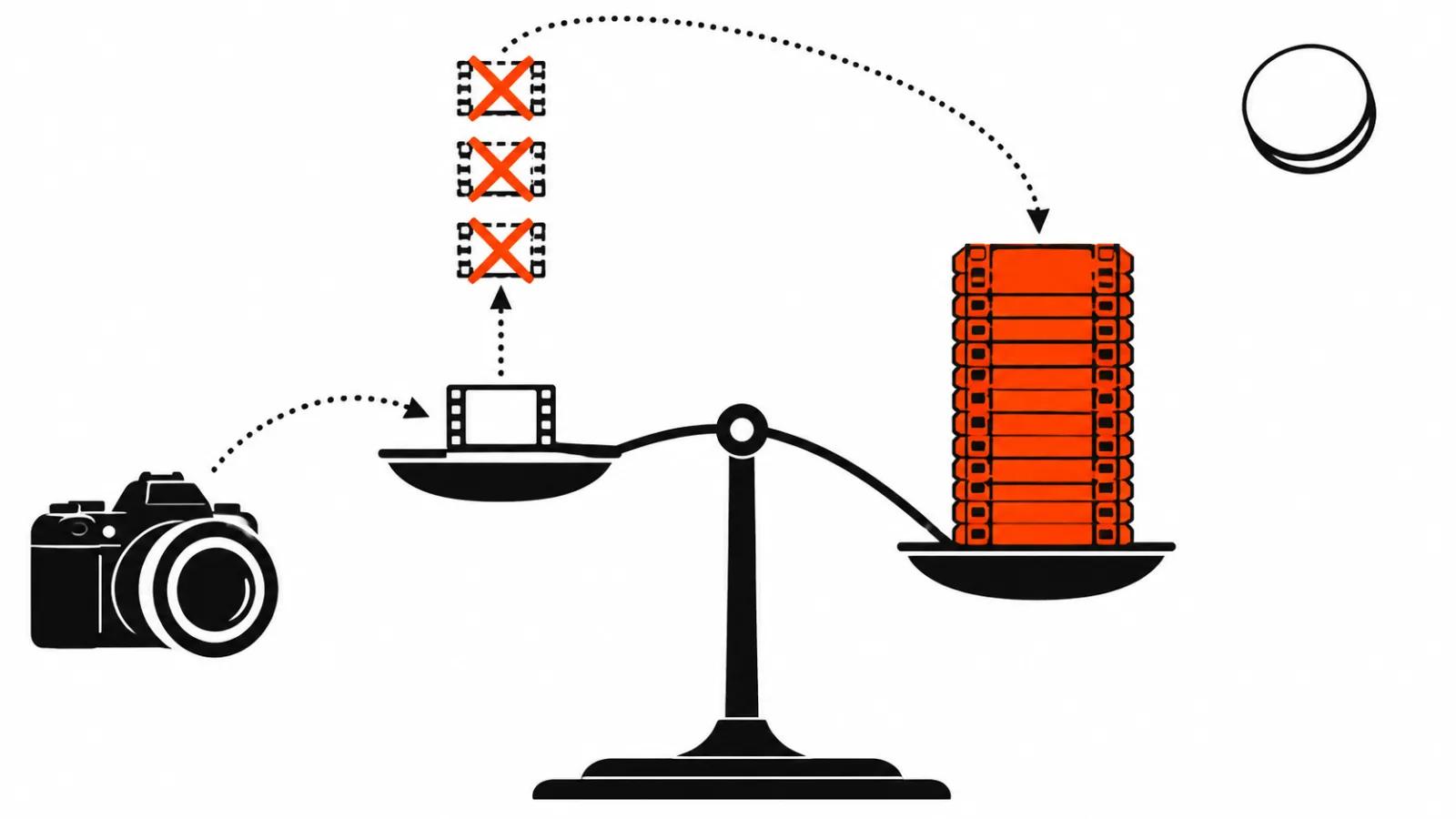
One rule sits behind everything below. A per-second price answers a single question, what one attempt costs. A budget is built from approved takes, and all the work a model does not do lives between those two numbers.
Google Omni 1.2 Flash: $0.07 a second at 720p
On November 5 Google opened Omni 1.2 Flash in its API with pricing by resolution. A second at 720p costs about $0.07. At 360p the same second runs $0.023, at 1080p $0.104, at 4K $0.209. A 15 second clip at 720p lands near $1.05, the same clip at 4K near $3.14.
An independent billed test from Segmind on November 5 came out close: $0.026 a second at 360p, $0.075 at 720p, $0.083 at 720p in edit mode. Two sources agreeing matters, because a published rate card and an actual invoice drift apart more often than anyone would like, especially on short clips where billing rounds up.
The price table: AI video generation cost by resolution
There are no rows in this table without a source, and that is its main value. The date next to each price matters because these rates live for weeks: a month ago the same columns held different numbers.
| Model | Resolution | $ per second | Source |
|---|---|---|---|
| Google Omni 1.2 Flash | 360p | $0.023 | Nov 5, API pricing |
| Google Omni 1.2 Flash | 720p | $0.07 | Nov 5, API pricing |
| Google Omni 1.2 Flash | 1080p | $0.104 | Nov 5, API pricing |
| Google Omni 1.2 Flash | 4K | $0.209 | Nov 5, API pricing |
| Segmind, billed test | 360p | $0.026 | Nov 5, billing test |
| Segmind, billed test | 720p | $0.075 | Nov 5, billing test |
| Segmind, edit mode | 720p | $0.083 | Nov 5, billing test |
| Kling 4.0 Flash | 720p | $0.094 | Nov 4, rate card |
| Kling 4.0 Flash, with input video | 720p | $0.063 | Nov 4, rate card |
| Kling 4.0 | 720p | $0.157 | Nov 4, rate card |
| Kling 4.0 | 1080p | $0.235 | Nov 4, rate card |
| Pika H3 Flex | 768p, 5 s | 10 credits | Nov 5, pricing page |
Kling 4.0 Flash and the input video clause
Kling 4.0 Flash shipped on November 4 and holds a second at 720p around $0.094, billed as 0.6 units at $0.157. With input video the rate drops to $0.063, and that is where the billing trap sits: a short reference gets counted at double length, so 10 seconds off a five second reference costs $1.26 instead of $0.94 for a straight generation of the same 10 seconds. The saving appears in the mode where output seconds match input seconds.
Full 4.0 stays in a separate column: $0.157 a second at 720p and $0.235 at 1080p. The gap against Flash is over 1.6 times, and on draft passes that gap decides the budget. Kling 4.0 Flash pricing and the 720p limits are covered in their own piece, and here I only borrow the rate for comparison.
Pika H3 Flex: credits do not turn into dollars per second
Pika quotes 5 seconds at 768p on its Create page at roughly 10 credits. The credit rate is not published in a form that yields a price per second, so I do not convert it and I keep it out of the API columns. The plans read like this: Starter $10 a month, Creator $35, Fancy from $95. Creator and Fancy include a limited free daily allowance of H3 Flex, which is enough for a trial.
The subscription structure matters more than the sticker. A plan bills a fixed amount, credits inside it run out, and past a hundred clips a month an API with a published rate is easier to forecast. A subscription earns its place at the stage where you are comparing scenes and cannot guess how many takes you need.
A cheap AI video generator still carries a post-production bill
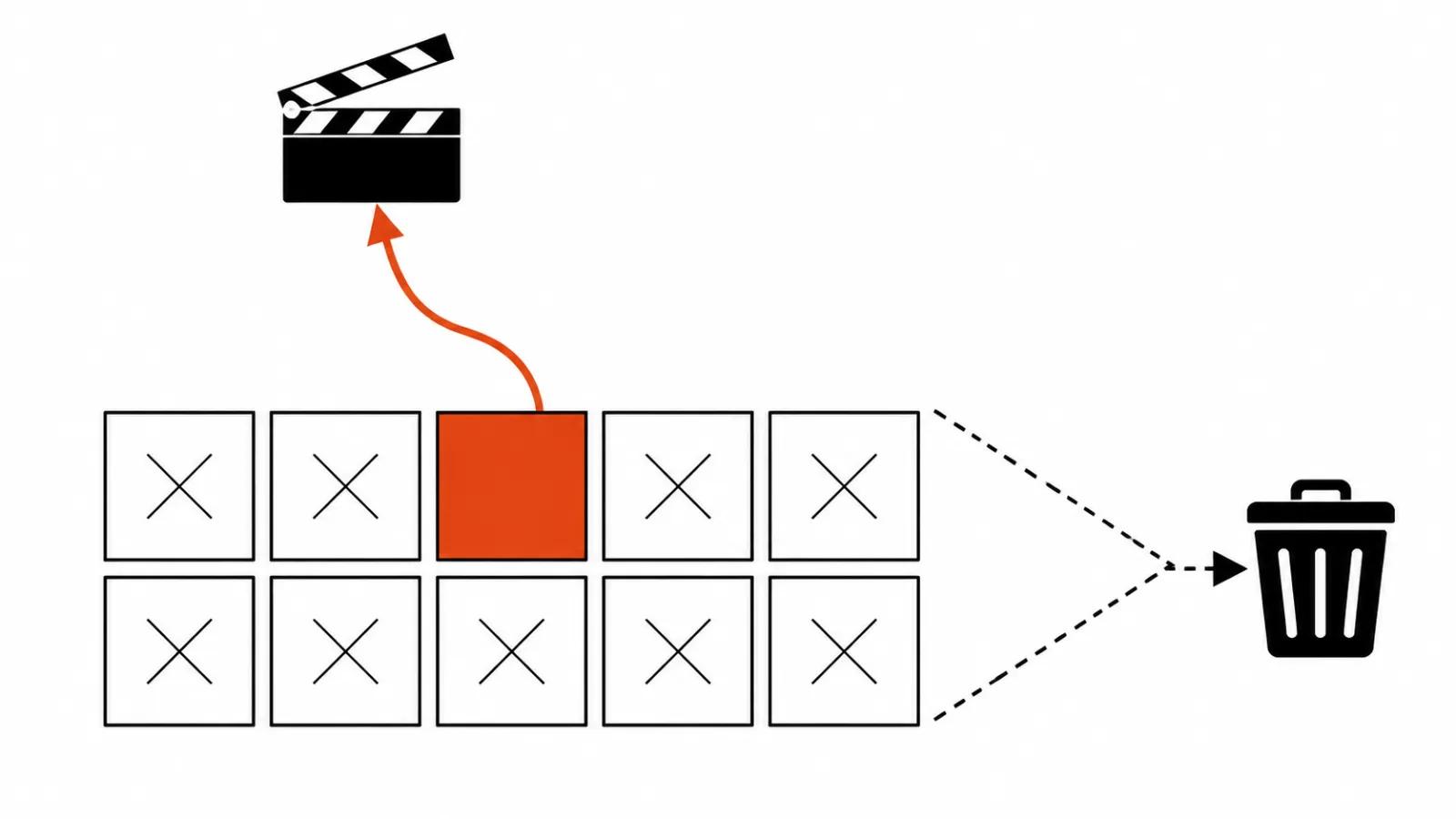
A cheap generator counts seconds, and a budget counts approved takes. Selection sits between them. If one take in ten reaches the edit, five seconds on Omni 1.2 Flash turn from $0.35 into $3.50, before any fixes. Then come reruns after client notes, the edit itself, sound, and a music licence.
QA is a line of its own. Checking a frame for artefacts, hands, faces in motion, on-screen text eats human time, and no model pays for it. Across a hundred clips QA costs more than generation, and QA decides whether a clip ships or lands in the bin.
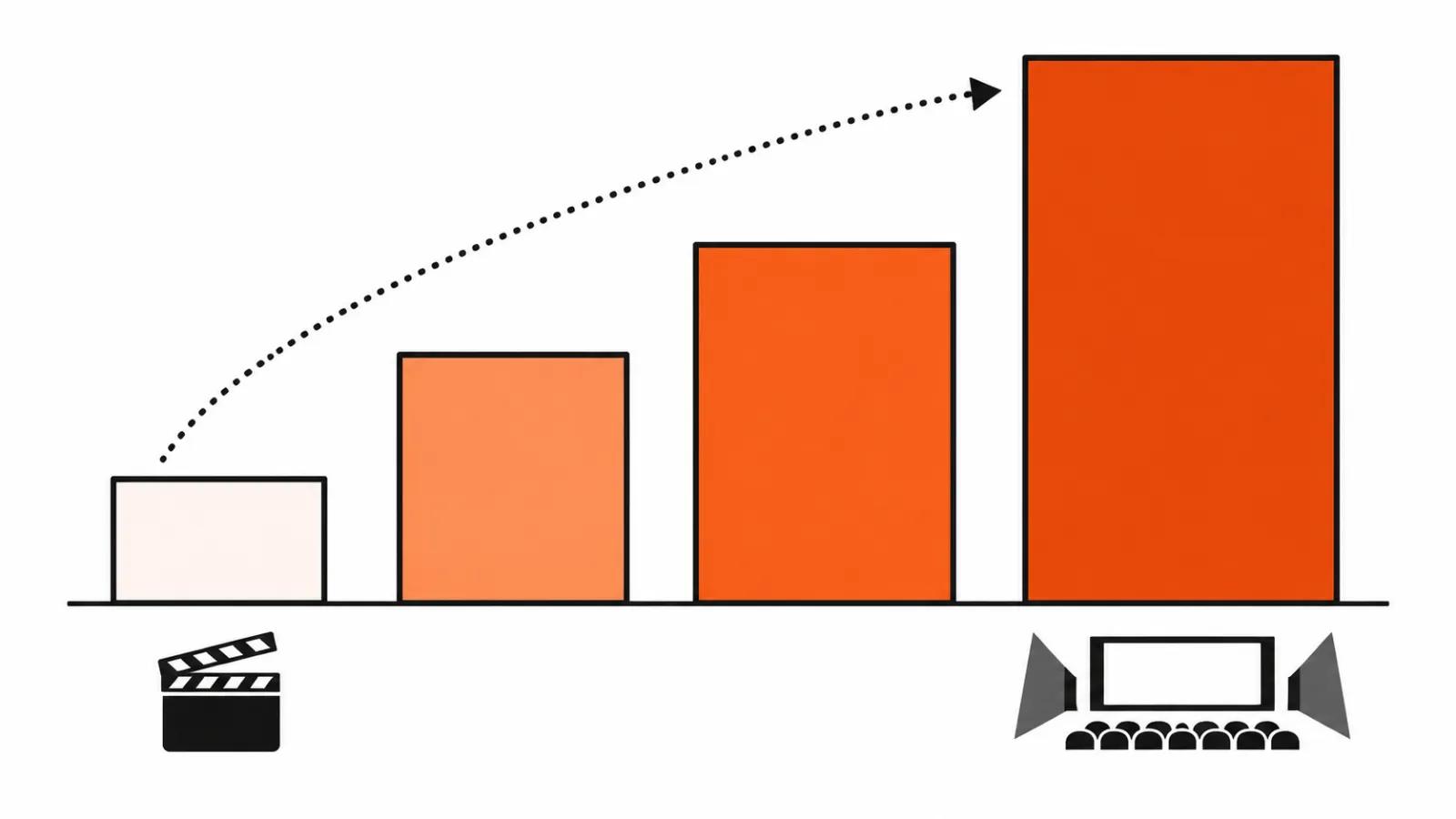
Resolution is the cost people remember late. A scene approved at 720p reads soft on a large screen, and a final pass at 1080p or 4K costs about one and a half times the draft. A cheap-draft, expensive-finish pipeline saves on volume, and every approved clip still pays for its finish.
What a finished video costs
Three numbers keep me honest. First, handcrafted videos from $190 for a clip up to 90 seconds, where a person owns the frame and the price does not move with how many seconds a model generated. Second, AI video production for a stream of vertical clips runs up to $2.40 per 1000 views with one template and a hundred clips a month, which makes the unit price predictable. Third, an AI YouTube channel from $200 per month covers a regular release schedule.
The API range on November 6 came out between $0.023 and $0.235 a second. A tenfold spread explained by resolution and billing mode only becomes visible in a budget when a finished clip sits next to it.
My conclusion
The API second gets cheaper every week. The second inside a publishable clip holds its price, because selection, QA and fixes live inside it. Comparing models on a first draft is pointless: a cheap model approves fewer takes, and the difference evaporates by delivery.
My routine this week: take twenty scenes from the current project, run them through Omni 1.2 Flash at 720p and through Kling 4.0 Flash, price the approved take, then compare that against a handcrafted clip. If five scenes out of twenty reach the edit, a cheap second saves nothing.