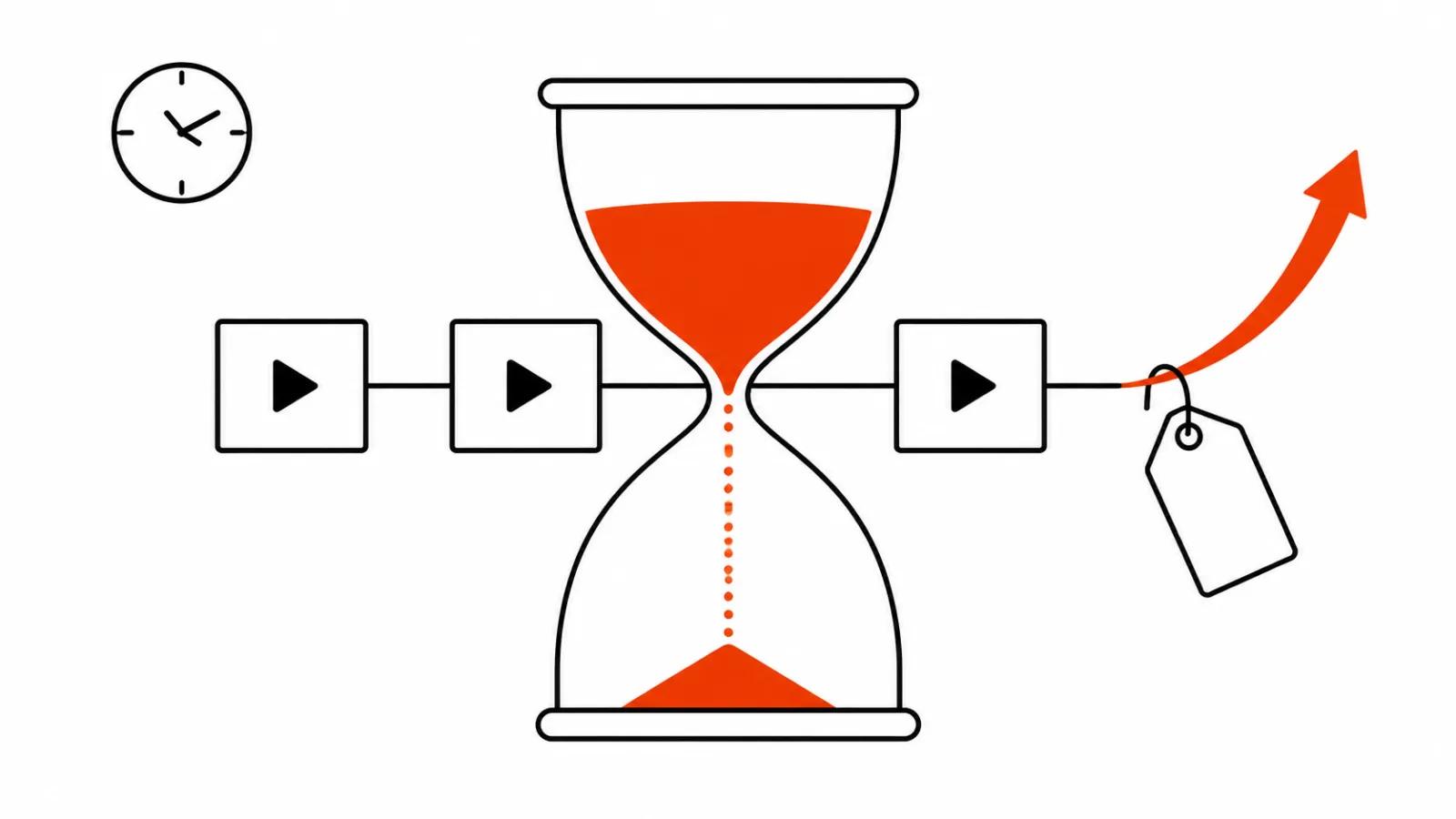
Cheap AI video generators: what changed by October 31
TBC Mischief 1 landed on fal and OpenRouter on October 30. Its second of generation costs $0.005, a five-second clip costs 2.5 cents, and a hundred clips come to $2.50. The authors claim the model runs five times faster than Wan 2.2. There are no independent benchmarks as of October 31, so I treat that claim as a promise.
That is a real shift for the market. Once a second costs half a cent, nobody bothers to budget it by hand, and pricing starts shaping the workflow more than the invoice.
Pika H3 Flex: a fifteen-second draft
Pika H3 Flex builds a fifteen-second draft with sound for roughly $0.60, which works out to $0.04 per second. During launch the price is halved, so the same draft costs about $0.30. The API is live now, and the model reaches the Pika app on November 2.
The author at inferencewire draws the conclusion that matches my own experience: the work shifts from making one clip to choosing the best of many. When a draft costs thirty cents, generating five versions and picking one beats polishing a single take.
That is where cheap generation changes the job. The editor turns into a selector, watching a stack of options, keeping two, deleting the rest.
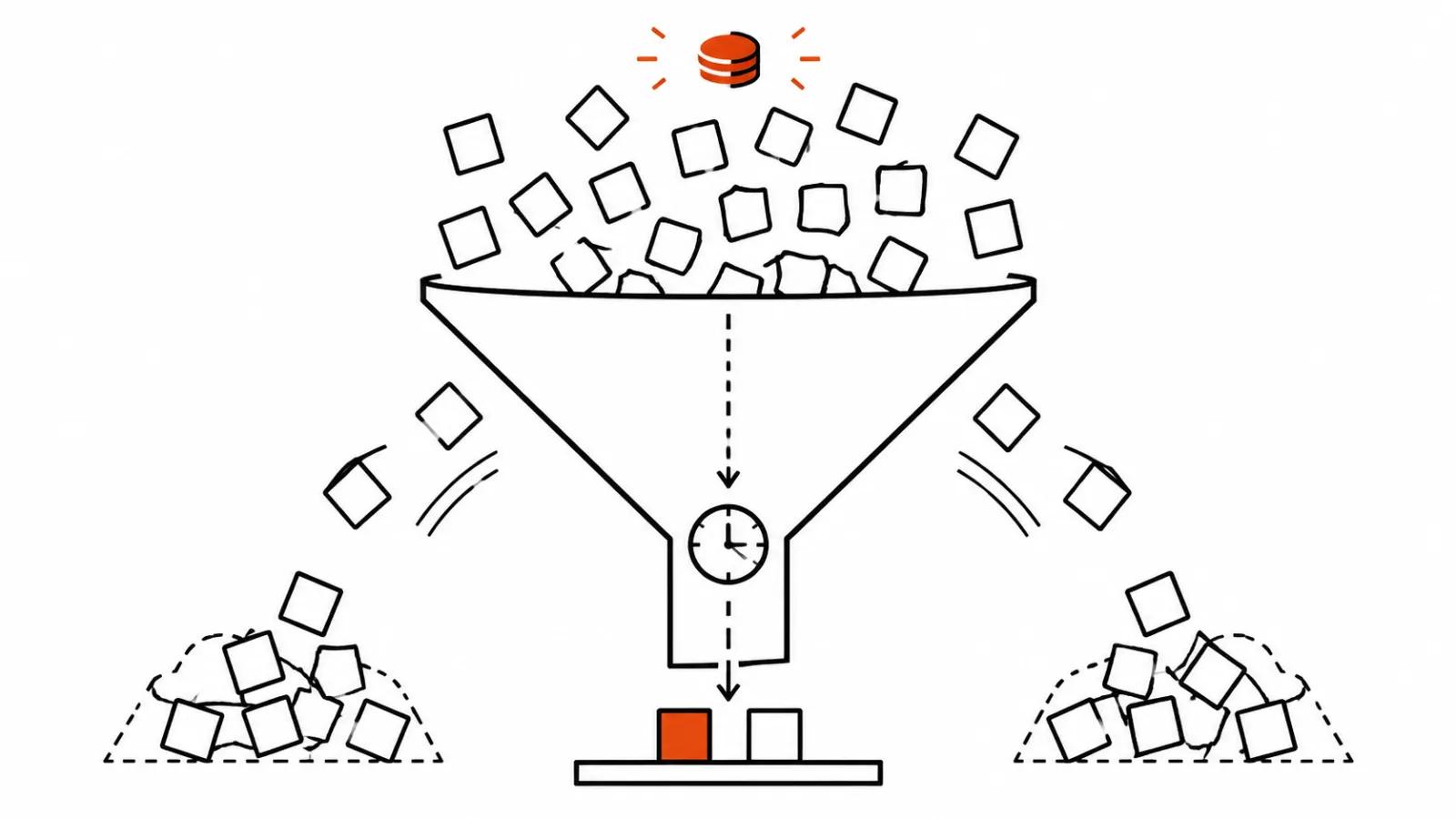
A free video generator: what sits behind zero
Open weights give you a zero price per call and ask for your own hardware. Pika H3 Flex runs locally at 480p and 768p, the base components weigh about 210 GB, and the published tests ran on an H100 with 80 GB of memory. That is a transfer of cost into GPU rental and engineering hours. It only becomes cheap at volume, when the card runs around the clock.
Open-H3-Regenerate-2K shipped on October 30 as an open finishing pass that pushes video up to 4K. On a B200 it takes about 22 seconds to process five seconds of footage. The logic of a cheap draft plus a finishing pass makes sense to me: 22 seconds of B200 time per five seconds of video is cheaper than rendering every attempt at maximum resolution.
The hidden costs: rejects, selection, sound
A cheap second changes the shape of a budget without removing it. Here is what stays when generation costs pennies.
In a run of a hundred clips, rejects eat more than generation does. That is why cost per second is a poor guide to a budget.
- Rejects and re-rolls: some attempts land in the bin, and you pay for them anyway.
- Selection: somebody has to watch dozens of drafts and keep two.
- Editing: cuts, pacing, titles, colour.
- Sound: music, effects, mixing.
- Music rights: a licence matched to the platform and the placement.
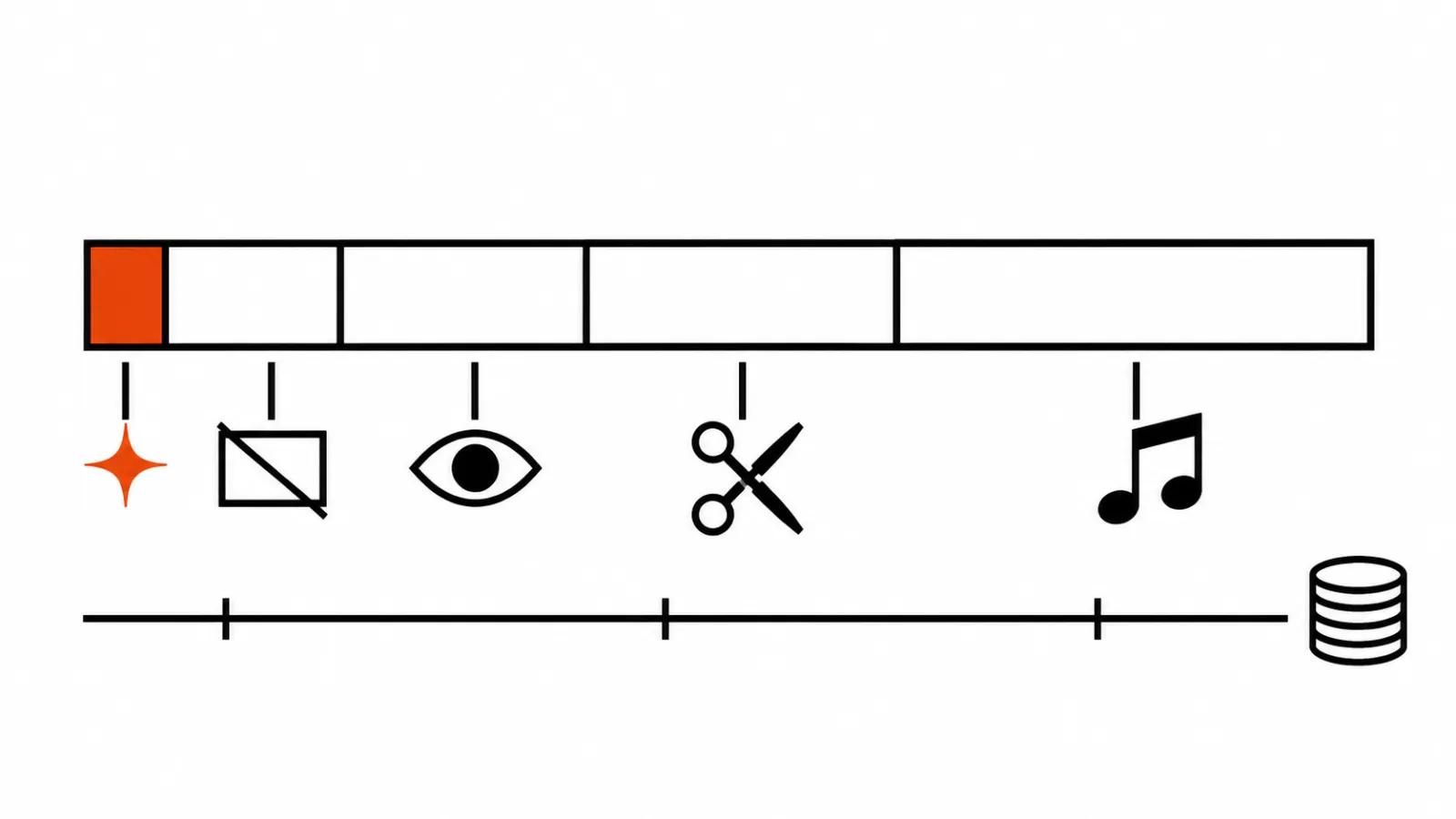
Table: cost per second and what it buys
A minute of video on TBC Mischief 1 costs about thirty cents. A local run looks like savings on one project and turns into GPU rental and a lost weekend on the next. The rate on that table answers one question, what an attempt costs. It does not close a budget.
| Option | Price | What you get |
|---|---|---|
| TBC Mischief 1 | $0.005 per second | a 5-second clip for 2.5 cents |
| Pika H3 Flex, launch | $0.04 per second | a 15-second draft with sound, about $0.30 |
| Pika H3 Flex, list price | $0.08 per second | the same draft, about $0.60 |
| Pika H3 Flex locally | $0 per call | your own hardware, 210 GB of components |
| Open-H3-Regenerate-2K | a finishing pass | 22 seconds on a B200 per 5 seconds of video, up to 4K |
What the per-second price really tells you
My position is simple: the AI video cost per second stopped being the bottleneck. Money goes into selection and finishing, so I track two numbers, the cost of a finished video and the cost per view.
If you compare models by the second, keep a breakdown of the cost per second on Kling 4.0 close by: the rates there moved several times in a month, which shows how fast a promise drifts from the invoice.
Volume changes the picture. Our AI video production runs up to $2.40 per 1000 views: one template, a hundred videos a month, a predictable price per unit. Where a real person has to be on camera and the scene is complicated, handcrafted AI videos start at $190 for a video up to 90 seconds.
What I would do this week
I would take twenty scenes from a current project and run them through TBC Mischief 1 and Pika H3 Flex, then count the cost of an accepted take instead of the cost of generation. After that I would look at the acceptance rate: if four out of twenty survive into the edit, a cheap second has saved nothing.
Second, sound. A draft with sound removes a separate pass, and that is the one line where the new price changes the process itself.
Third, selection. If drafts multiplied by five, the editor's hours multiplied by five too, and that is a line in the budget. Price it before starting a run, or the savings on generation walk straight into a salary.