The quote starts before the shoot
A music video looks like simple work: a song, a performer, a camera. In practice the budget goes to preparation, and the shoot day only records decisions made earlier.
Until there is a shot list, every quote is an estimate. A production company prices from similar projects, and the client compares that number with an expectation built from other people's videos. Then the haggling begins, and it almost always comes out of prep.
I prefer a different order: scenes first, resources per scene second, price third. The budget becomes checkable, and the money conversation stops being a conversation about taste.
Five lines that make up the price
One: preparation. Treatment, storyboard, references, location scouting, casting, props. Why it matters: prep sets the shoot day, and saving here returns as a reshoot.
Two: crew and gear. Cinematographer, lighting, sound, assistants, camera, lenses, stabilisation. Why it matters: the crew is paid by the day, so precision in the plan matters more than the size of the team.
Three: locations and permits. Venue rental, street closures, permission to film indoors. Why it matters: one cleared location is often cheaper than three with travel between them.
Four: post. Editing, colour, sound, titles, graphics and effects. Why it matters: post eats budget quietly, because it is billed by hours and revisions.
Five: versions and rights. Vertical and horizontal cuts, short edits for platforms, music and image licences, term of use. Why it matters: a video outlives its premiere, and rights need closing at the start.
What moves the number most
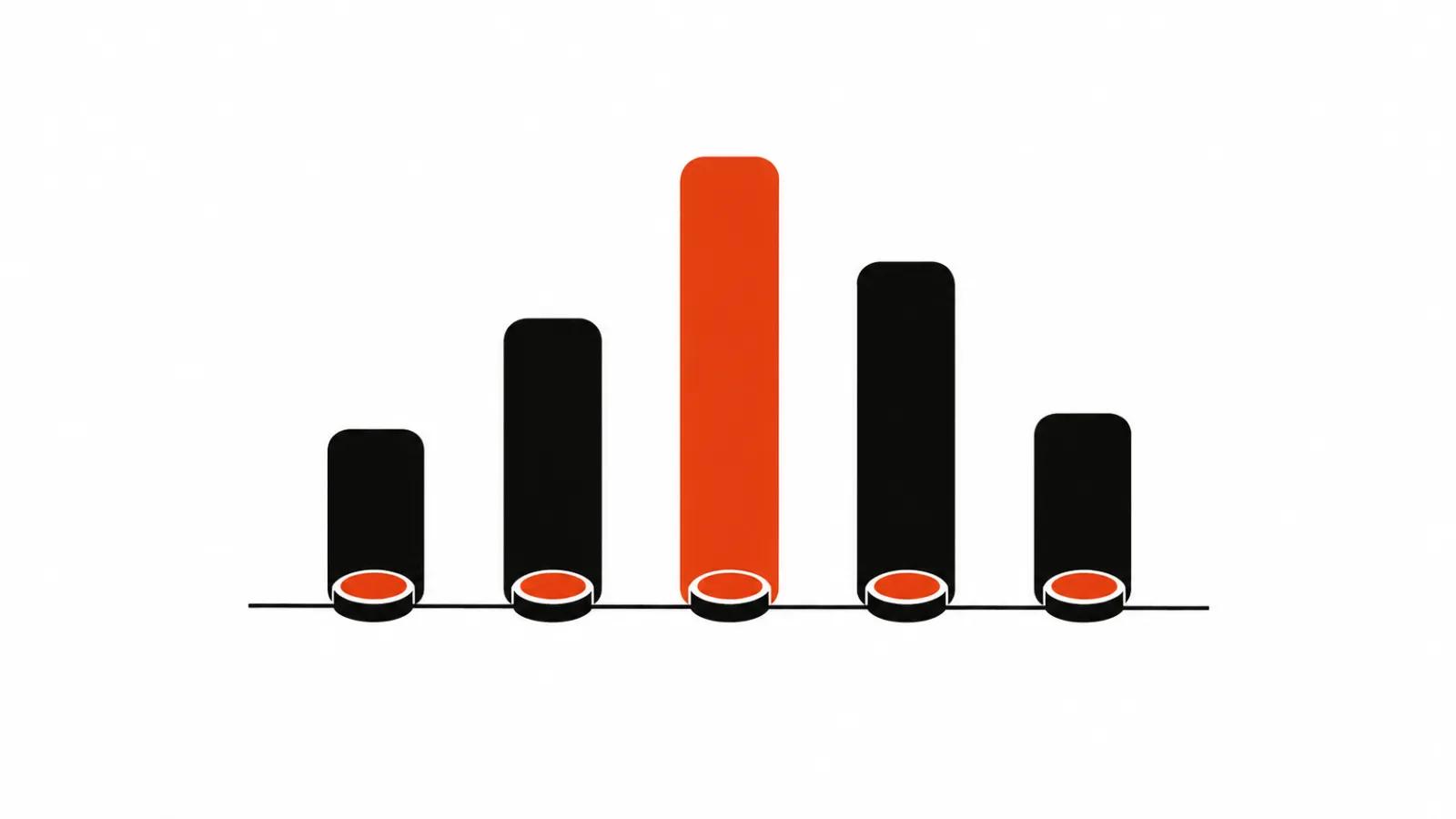
Three things swing a music video budget. The number of scenes, because each one means a location, lighting and crew time. The number of takes and people on camera, because a crowd needs organising. The volume of graphics, because that line is billed in artist hours.
There is a pattern I keep seeing: one location, two actors and strong lighting costs less than five locations with a solo performer. Travel and clearances cost more than working the image inside a single scene.
So the question about cost makes sense only next to a reference. Without one, a studio gives a range from the minimum to the infinite, and the decision gets made blind.
Where generation changes the arithmetic
Generated footage takes over lines that used to be expensive: backdrops, interiors, impossible scenes, driving plates, weather. When a scene does not need a real person in a real place, a model is often cheaper.
Check it against published pricing. Runway lists a Standard plan at 15 USD per month with 625 credits. That covers 52 seconds of Gen-4.5 video, and the same pricing page states that Gen-4.5 uses 12 credits per second.
The arithmetic follows. Three minutes of generated footage, 180 seconds, costs about 2,160 credits on Gen-4.5, which is near 52 USD. The prices come from the Runway pricing page, and the sums are mine.
One caveat: that is the price of generation, and a music video carries other work. Treatment, selecting the good takes, editing, colour and sound stay human. Generation saves a shoot day and adds iterations, since two takes out of ten reach the edit.
Cutting cost without cutting meaning
First: fewer locations, more lighting. One room lit with intent looks more expensive than five random places.
Second: plan the edit during the storyboard. If a scene lives eight seconds, there is no reason to shoot two minutes of it.
Third: split live and generated material. The performer, the emotion and the lip sync need a camera. Backdrops, transitions and impossible worlds need a model. That split gives a predictable budget and shows the client what they pay for.
Fourth: shoot vertical and horizontal in one day. The second cut adds little shoot time when the frame is built with room at the edges.
Fifth: order graphics as a list. An artist bills hours, and a precise list of effects is cheaper than a vague request for beauty.
What to ask before signing
Ask whether prep is included and how many storyboard rounds it covers. Ask how many shoot days are budgeted and what counts as a day. Ask which locations are cleared and which are still in progress. Separate editing and revisions in the contract: how many versions are included and what each extra costs.
Spell out rights. Who owns the footage, for how long, whether fragments can run in ads and on platforms. Ask for the source archive so a new cut is possible a year later.
If the project includes generated scenes, ask which model was used and what the licence allows. That affects quality and the ability to rebuild the edit.
Line items and what drives them
The table does not replace a quote, and it shows where you control the budget. Arguments about price almost always land on one of five lines.
| Line | What drives the cost |
|---|---|
| Prep | Scene count, storyboard rounds, casting |
| Days and crew | Number of days, team size, gear |
| Locations | Number of venues, clearances, travel |
| Post | Runtime, graphics, revision count |
| Rights and versions | Licence term, territories, number of cuts |
The price is a function of decisions
A music video gets expensive from the number of decisions that must be executed on set and in the edit.
For a music video production with a checkable budget, start with the storyboard and the scene list. The price then assembles like a kit, with every line visible. Treat generated scenes as their own line item. AI music videos already cover backdrops and effects, while the performer's face and emotion still belong to the camera. Where a live frame matters, handcrafted videos carry it, and AI video production covers what is too expensive to build.