What the model is and where 1.6 came from
The LongCat team at Meituan announced version 1.6 of their talking avatar model on November 15. The 1.6 code landed in the main branch the same day, the weights and the model card have been on Hugging Face since November 13, and the weights ship under an MIT license. In practice that means you can download it, run it on your own hardware and build on top of it.
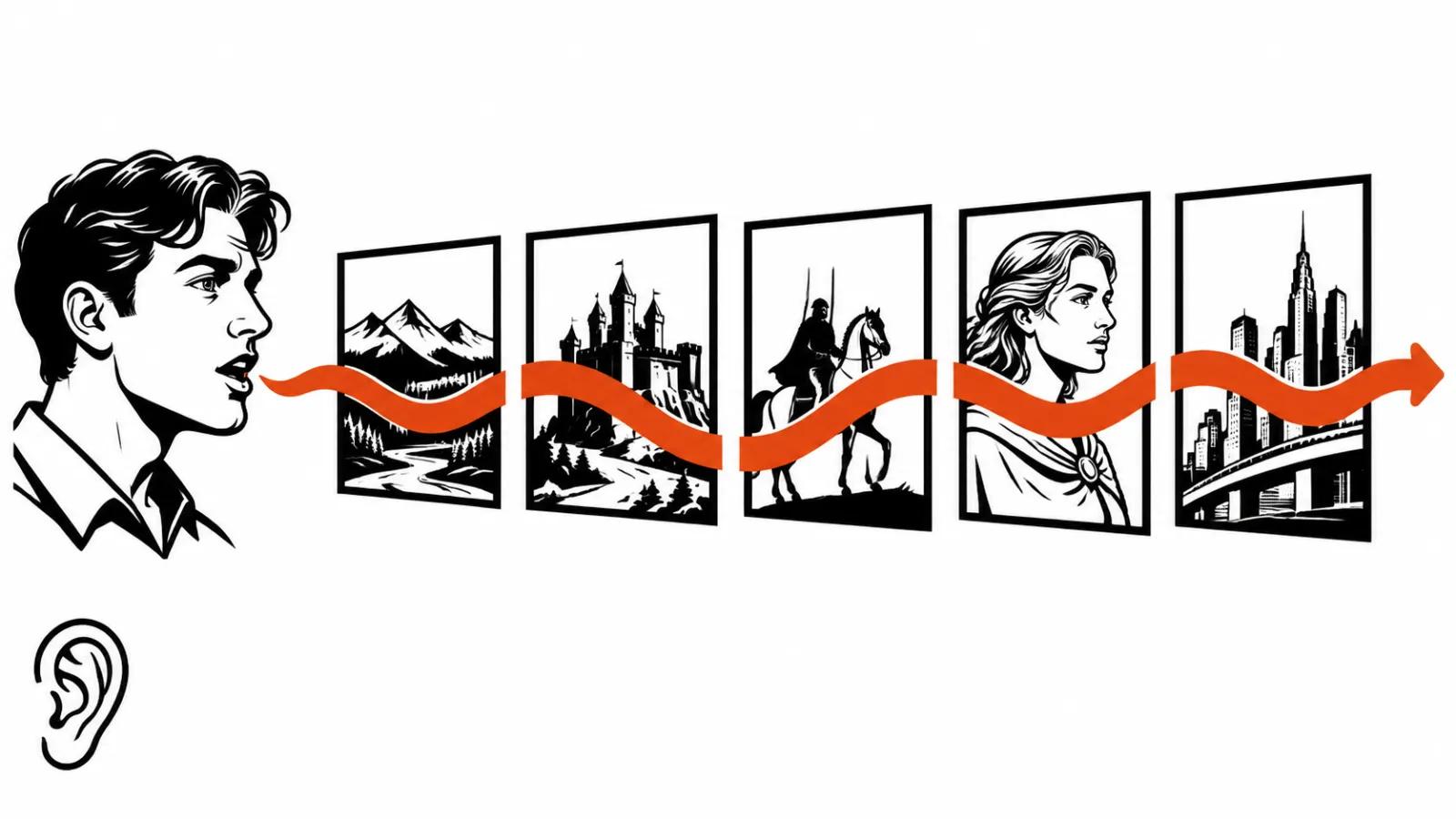
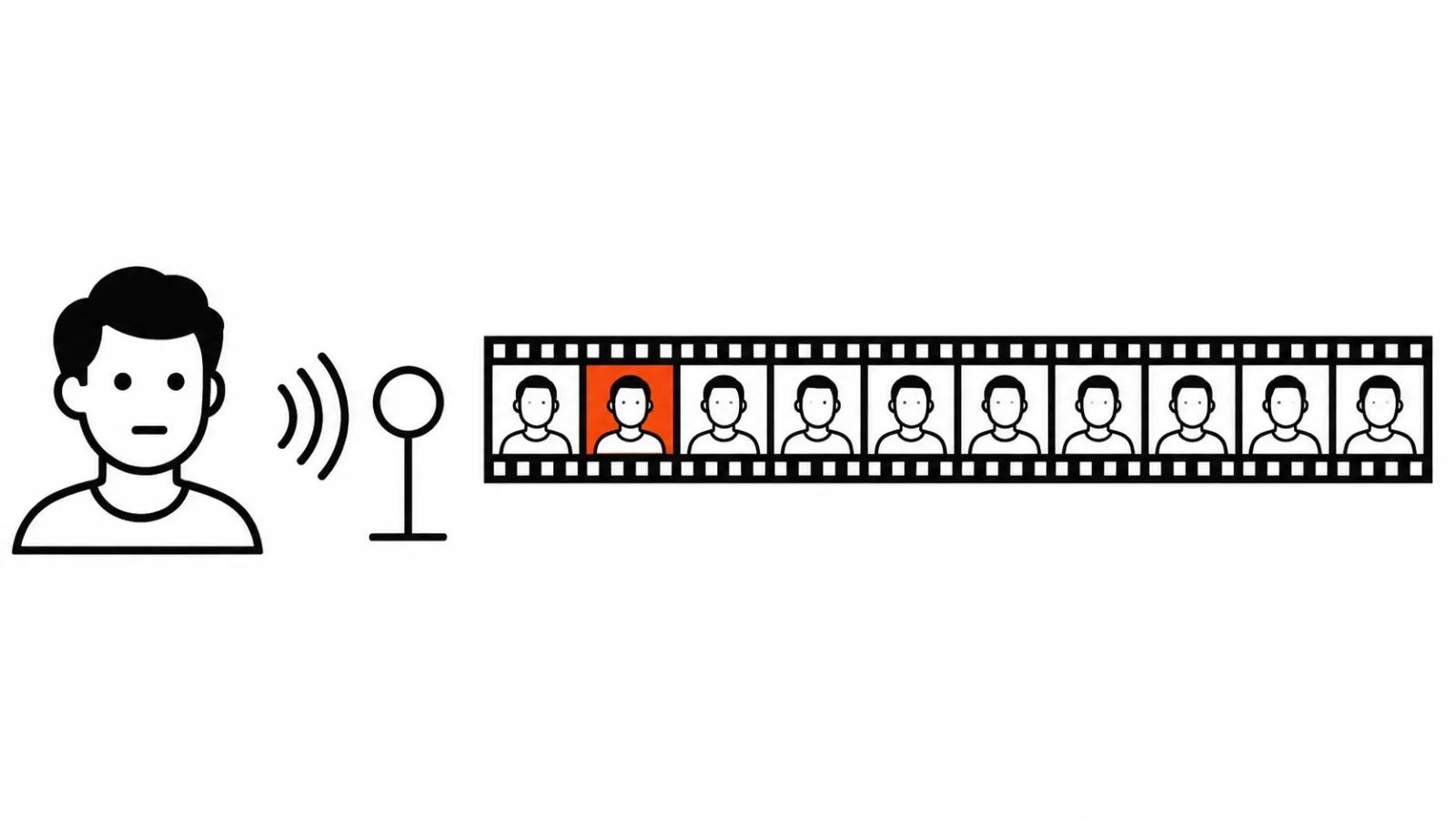
The model produces video of a speaking person driven by recorded audio. The input is an audio track plus a reference image or a text description of the person's look. It can also continue a finished clip, and the previous version already handled several speakers in one scene, so multi-speaker dialogues are a standard use case here.
A talking avatar from a photo: what goes in
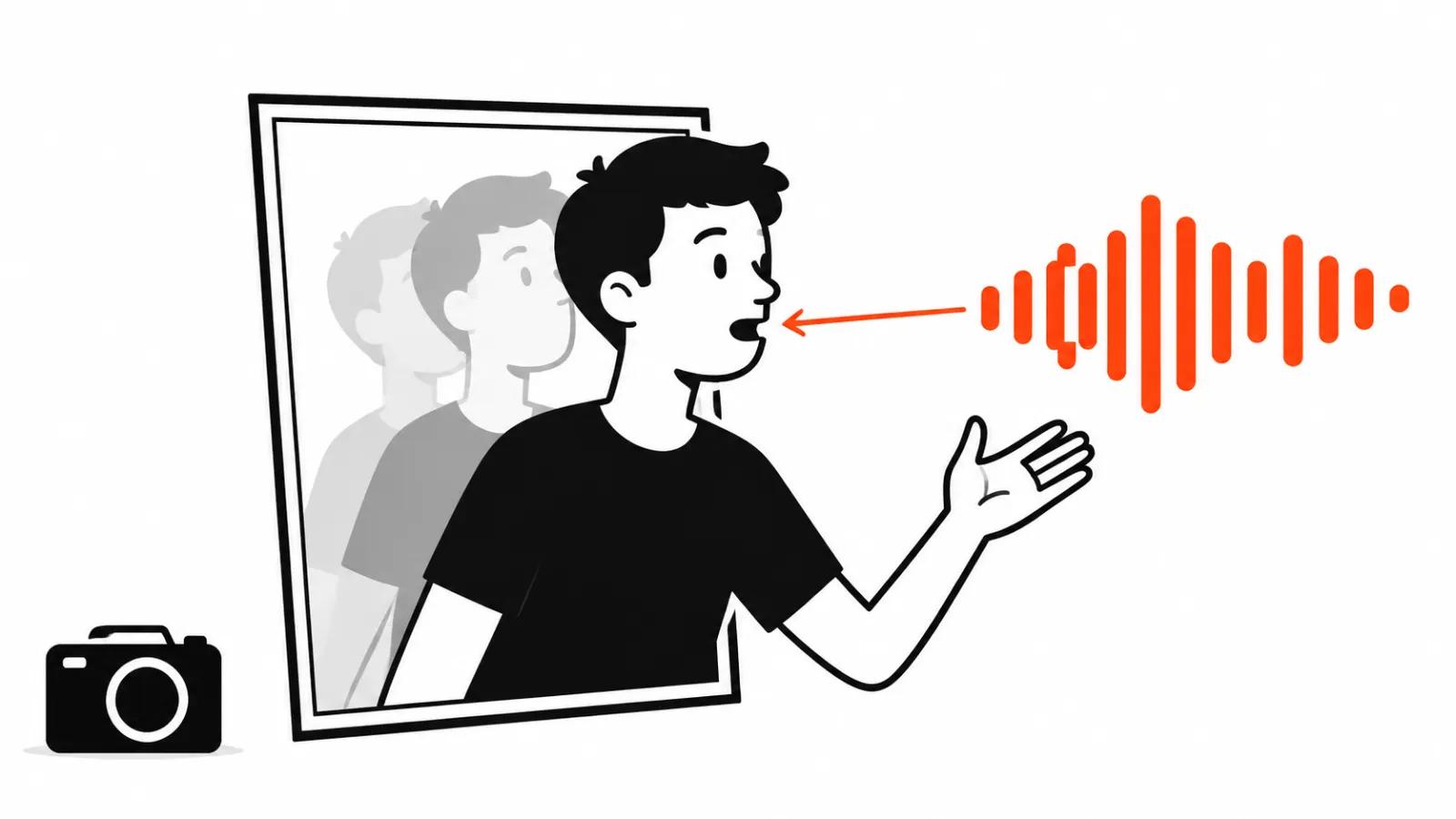
Plain words for the input. The audio defines the text and the intonation: the model moves lips and facial muscles to match the sound. The reference image defines the look, and this is the case where a talking avatar from a photo comes out of a single run with no studio shoot. Without an image, the look can be described in text, though a photo usually gives a more predictable result.
We covered a similar pipeline in a separate piece about Kandinsky S2V, an open model where the same inputs, audio plus a reference, drive a talking avatar from a photo end to end. The difference is the ambition: Kandinsky S2V targets short clips, while LongCat 1.6 fights for length.
Why the face drifts on long runs
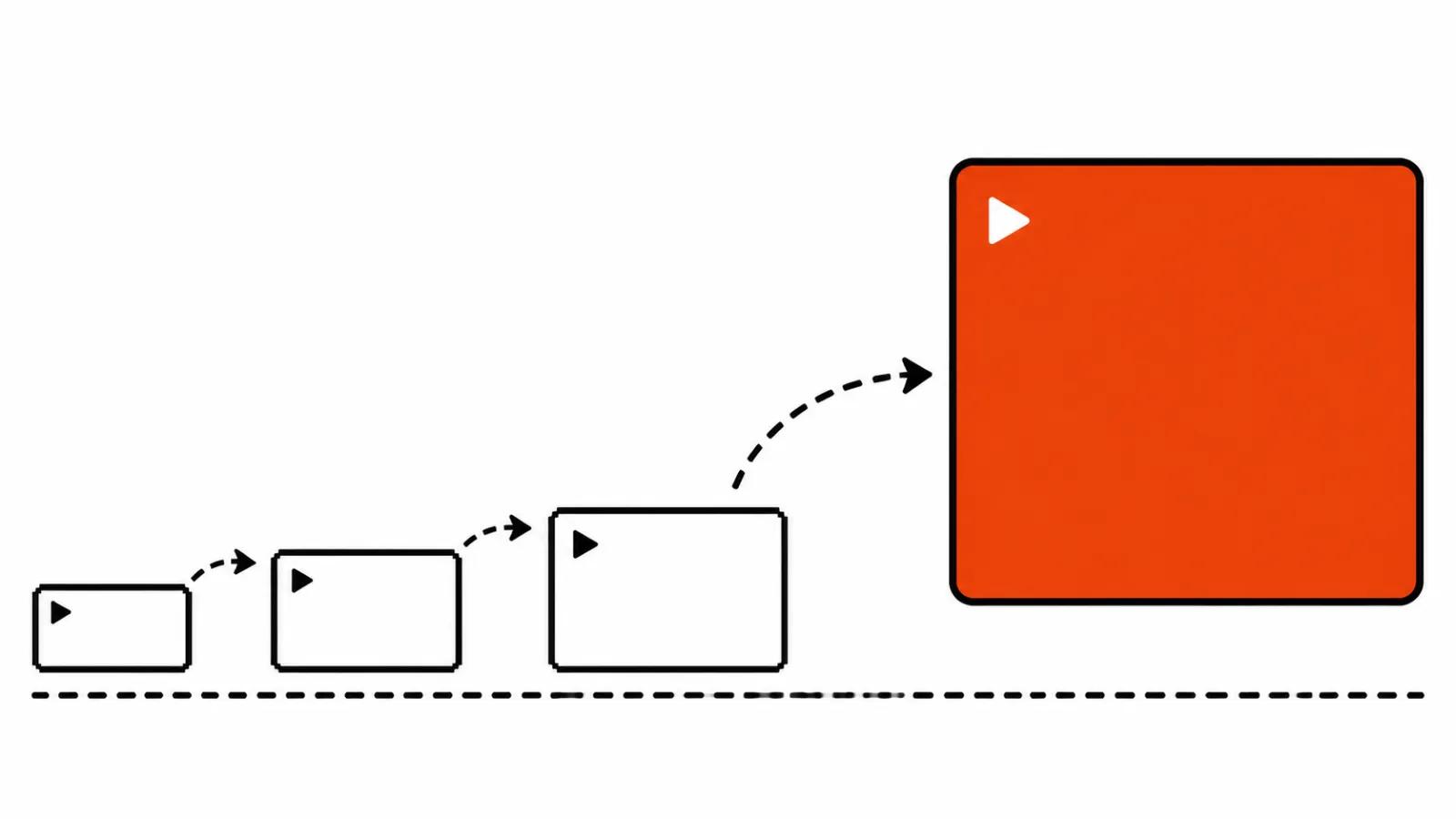
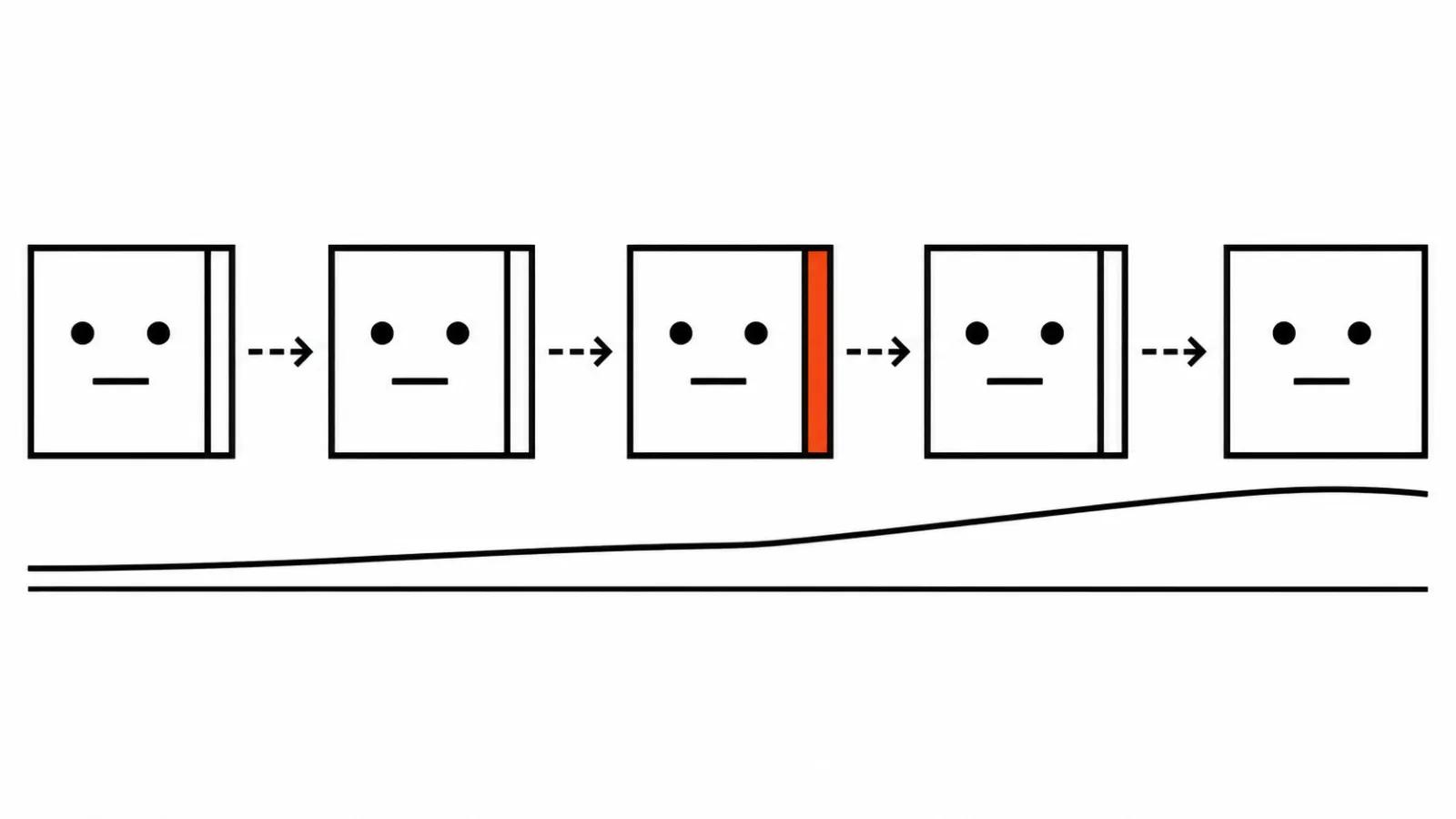
The model assembles long videos from short chunks. A slice of the final frames of the previous clip is carried into the start of the next one, and new frames are appended after it. Every hand-off carries a small error near the mouth or in the face texture, and it grows with each step. At thirty seconds you cannot see it. By minute five the viewer notices the host has drifted, even without being able to explain why.
That is the core pain of long single-host formats. Educational videos, explainers and dialogues are long by definition, no video model can record them in one pass yet, so a continuation mechanism is required and its cleanliness decides the whole video.
What changed in 1.6
The model was fine-tuned on situations where it continues its own generated clips. Simply put, it was trained on its own mistakes: take a generated chunk, continue it, compare with the target, adjust the weights. The team's stated result: videos longer than 10 minutes, where ten minutes is the length of the finished video, with less drift of the face and the mouth.
The wording is honest: a promise about less drift, and you should verify it on your own footage, because drift depends on the reference, the speech tempo and the scene.
Meituan's numbers: where 1.6 wins and where it does not
The developers' own comparison: 508 image-plus-audio pairs, 6 models, 33,051 valid votes. Version 1.6 took second place behind OmniHuman 2.0. Against its own predecessor it scored a 55.6% win rate across 2,535 votes: an improvement, but a narrow one.
Humanness scores higher on realistic references and lower on animated ones, which matters when you pick a style. The most revealing number is about lips: experts watching at half speed found lip desync in 82.5% of 1.6 clips against 83.7% for 1.5. That is a strict check, and it says plainly: sync remains the weak spot, the shift is marginal, and on demanding material the lips still need a check and a cleanup pass.
What it takes to run
The weights are open under MIT. The standard set is about 31.7 GB, the 8-bit version about 15.9 GB, and the full repository with everything included is 77.6 GB. The examples on the model card run on two GPUs. No minimum memory figure and no render time for ten minutes of video have been published, so there is no way to estimate for your own card in advance, you will have to measure.
If your goal is live delivery, this model is still not that: we have a separate breakdown of a local talking avatar running in real time, which is a different kind of engineering with different hardware demands.
My conclusion
The direction is right: long single-host formats are the educational video market, and whoever keeps a face intact for ten minutes takes a visible share of those orders. Meituan is moving there seriously, as both the training on its own continuations and the open publication of uncomfortable lip numbers show.
We have not run 1.6 on our own series, so I would not promise ten artifact-free minutes: run a short test on your own reference and your own audio first, then decide about the whole format. Rights to faces and voices stay with the production, and an open weights license does not sign a consent form for you. On priorities: if the job is ten short versions for vertical placements, it belongs with people who do AI video production daily, while a long branded host still lives more safely in classic work, where our handcrafted AI videos put a person in charge of every frame.