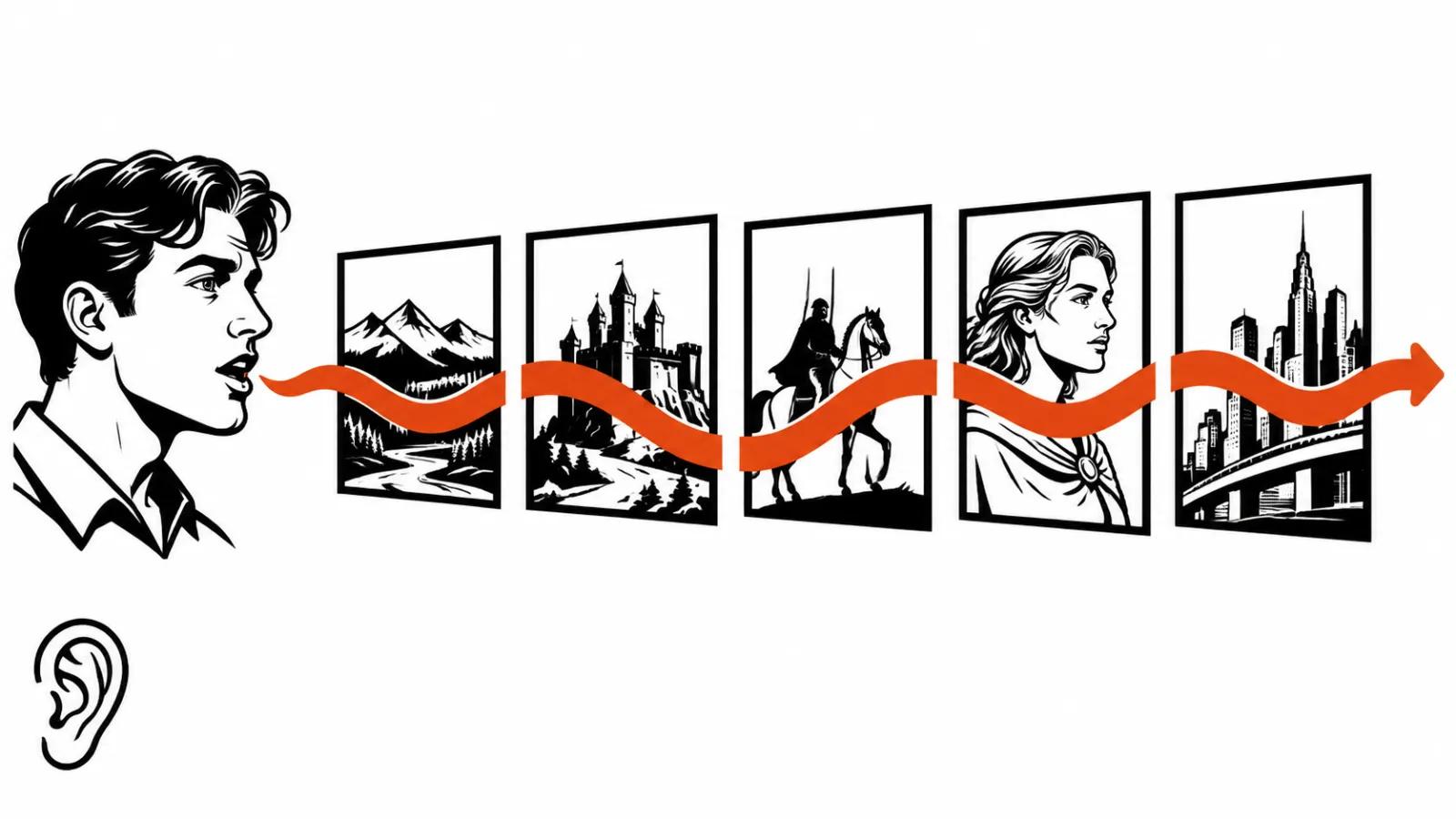
What Baidu announced on 12 November
The model was presented on 12 November 2026 at the Baidu World 2026 conference. Jia Lei, head of Baidu's applied models department, introduced it, as reported by Sina Finance and Phoenix Tech. The PR Newswire release of 12.11.2026 says Wizshot-ME handles text, images and speech together, accepts long text up to 4000 Chinese characters, and, according to the company, leads in podcasts and short animated drama at half the typical price.
The word "leads" belongs to Baidu. There are no independent tests as of 13 November, so every number below is the company's own.
Why a talking avatar keeps tripping on splices
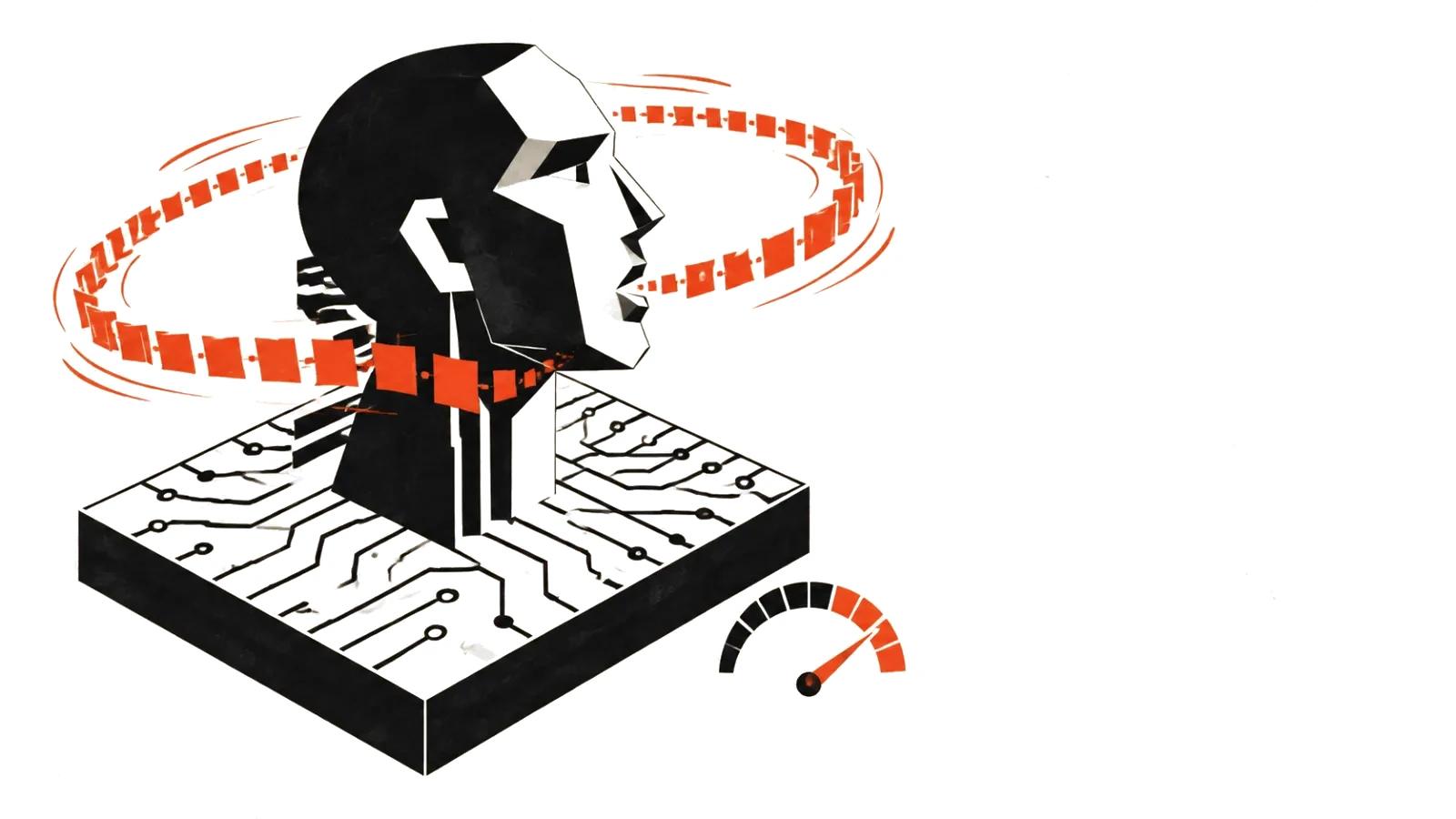
A normal pipeline cuts the script into chunks of about 30 seconds, voices each one separately and joins them in the edit. You hear the drift at the seams: the pace shifts, sometimes the timbre does too, and the viewer cannot name the cause but hears a voice assembled from parts. According to Sina Finance, Wizshot-ME voices at the level of the whole text. The voice for the entire script is generated in one pass, and Baidu says tone and tempo stay even that way.
For a video with an actor this matters more than the picture. Faces forgive a lot. Sound forgives nothing: a minute of even voice holds attention harder than a minute of pretty shots with volume dips in it.
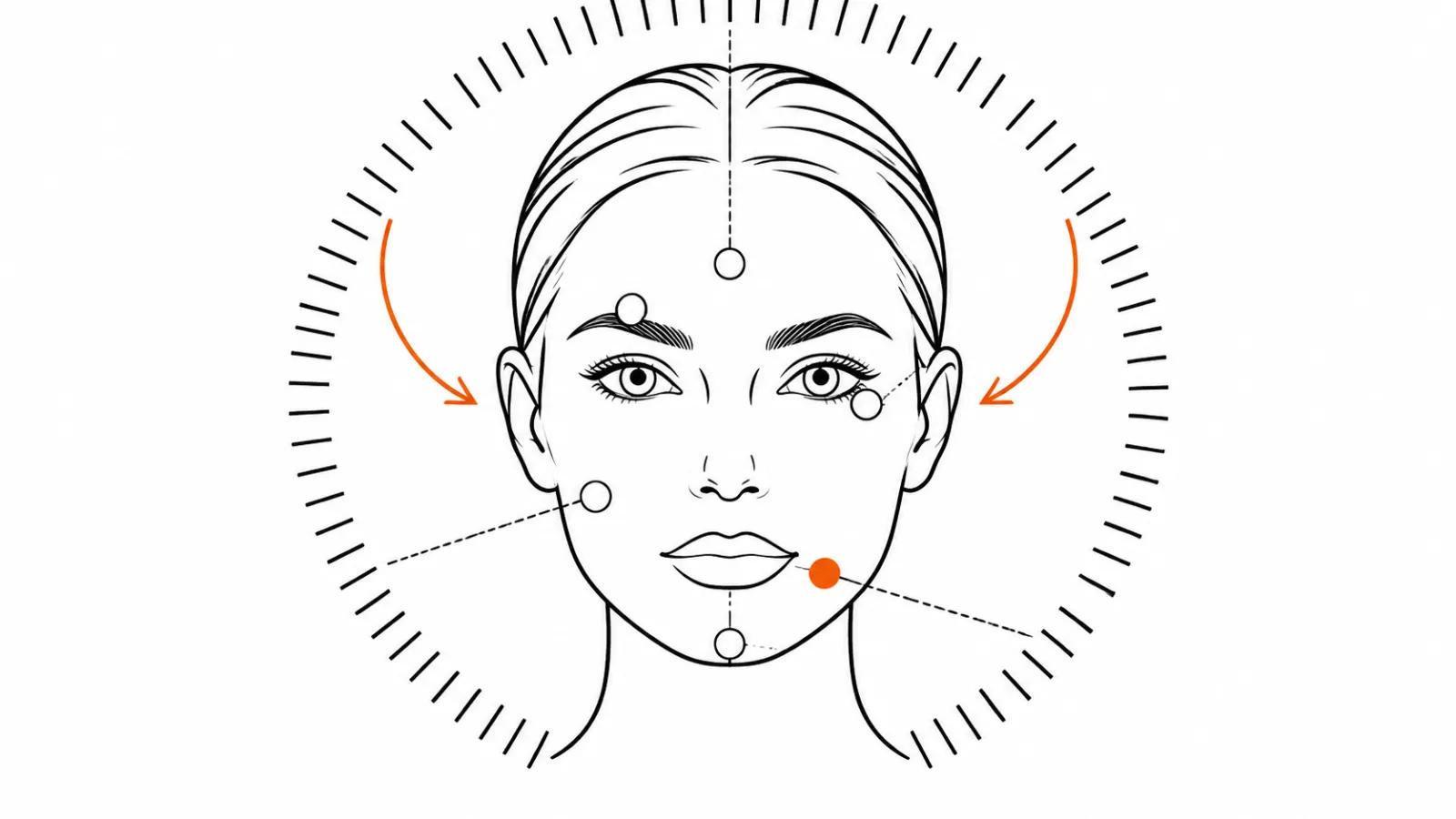
Micro-expressions: six dimensions, two hundred sub-dimensions
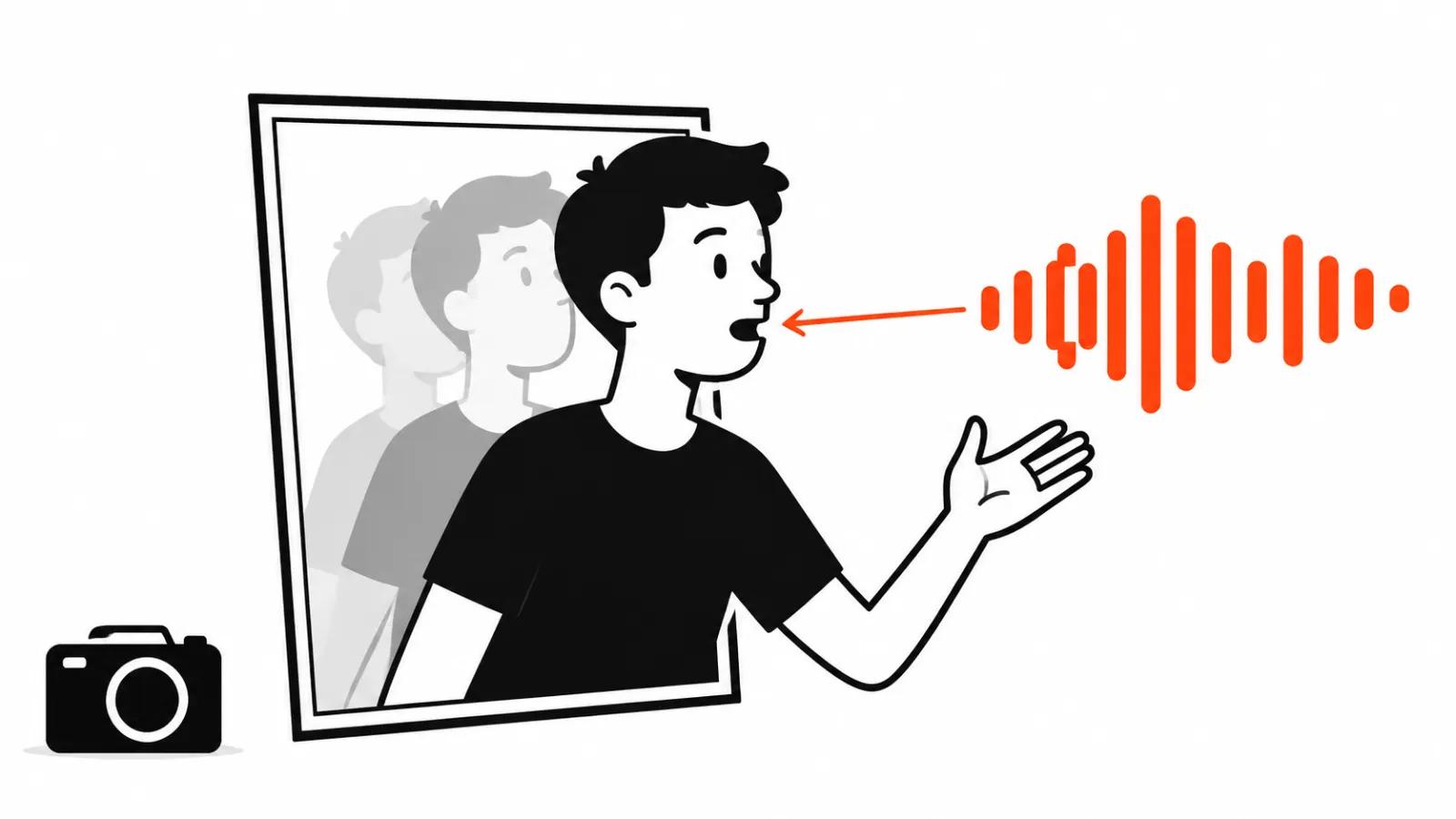
Emotion from the text reaches the model through a description system of six main dimensions and two hundred sub-dimensions (Sina Finance). It translates emotion into facial expression, gesture and mood changes. In plain terms, a note saying "speaks irritably" turns into a face, and stops being a line nobody performed.
Separately, at the same conference, Baidu's digital human platform Yijing showed up to 8-9 micro-expressions per second (Beijing News). The figure belongs to a different product, so it does not transfer to Wizshot-ME directly, yet Baidu keeps one tempo across the stack.
What goes in, what comes out
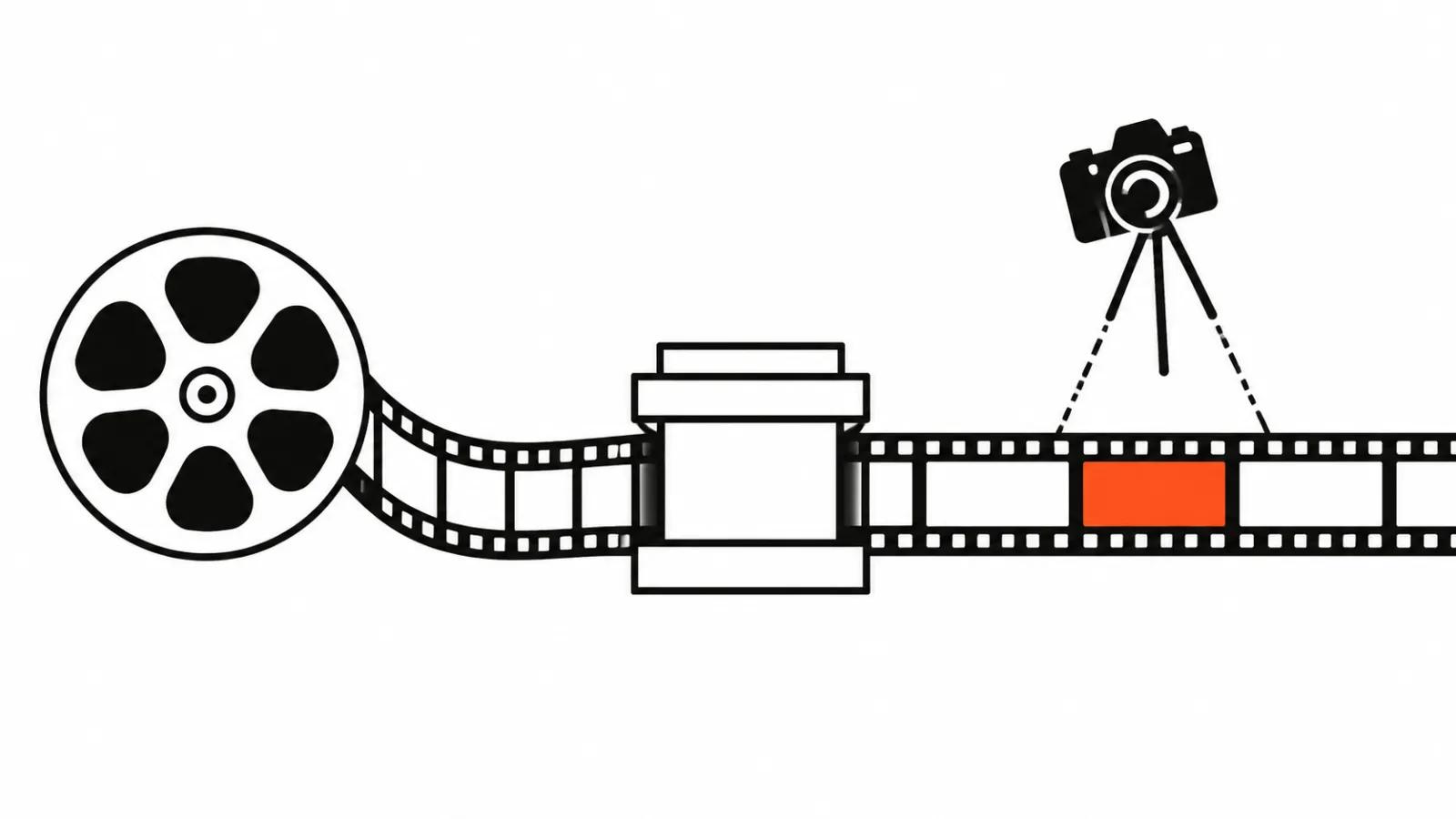
Per the Qianfan documentation summarised by llms.blog, each character needs an image and a voice sample, each shot needs a storyboard image, and the script arrives with stage directions. Output is clips of 4-15 seconds at 1080p according to the Qianfan product page, as retold by unwire.pro and llms.blog. The fast version, per Sina Finance, returns about a minute of video in a minute.
The input list explains the working order. Script first, images second, since stage directions feed the face and the character image plus voice sample hold the look and the timbre across every shot.
How to create a talking avatar in Wizshot-ME
The sequence I would use to price a job like this.
First, the full script with stage directions. The limit is 4000 Chinese characters, so there is no need to cut the script into chunks up front.
Second, one hero on the input side. One image, one voice sample, one temperament. A second character means a second input set and its own logic across shots.
Third, storyboard before generation. A clip of 4-15 seconds means the scene has to be broken into shots in advance.
Fourth, count the retries. The Qianfan price list puts a second at 0.7 yuan, so a ten second clip is 7 yuan per generation and every redo is paid again. Five versions of one scene cost five clips.
Price, access and what Baidu leaves open
Access is an API for businesses and partners on Baidu AI Cloud Qianfan. It needs a Qianfan key, prices are in yuan and the documentation is in Chinese. No open weights, so there is no local run. Whether the model can be used from outside China Baidu did not specify, and that is the first question for an integrator before any budget gets written.
The half-price promise needs unpacking too. Half of what, at what volume, the release does not say. A two-voice podcast and a ten-scene drama land on very different economics at the same per-second rate.
How it differs from two earlier models
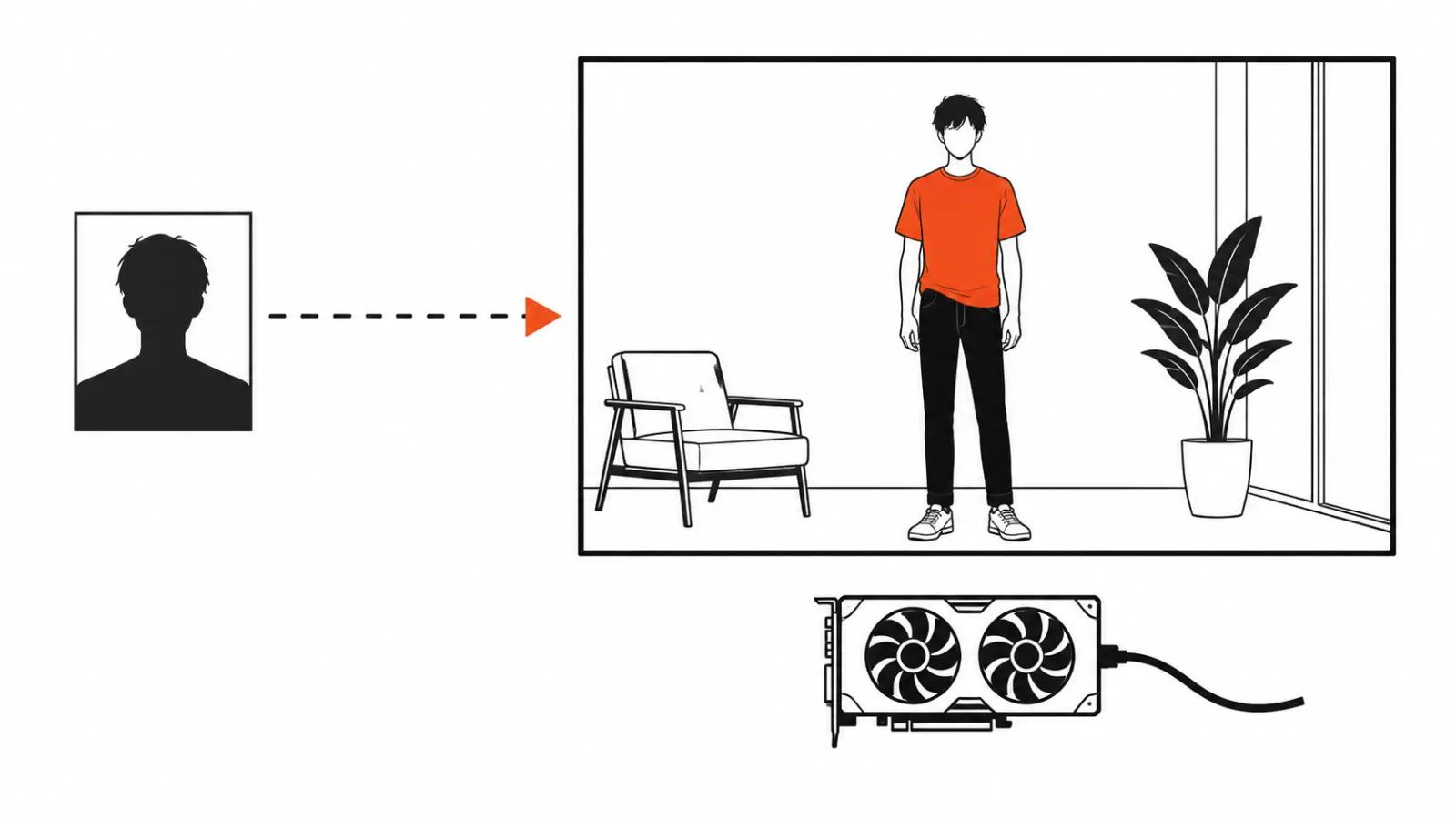
Two nearby models will draw the comparisons. Kandinsky S2V is an open model for a talking avatar: it takes one image of a person and a speech recording, the weights are public and there is no per-second bill. Wizshot 1.0 is Baidu's previous model for reference-to-video work, with a different input logic.
Wizshot-ME enters from a third side: a whole script, voiced and acted in one pass. For a one-minute explainer that saves time, and for a single five second shot Kandinsky S2V stays simpler.
My take
I read this model as a tool for long form: a talking-head explainer, a breakdown, an on-camera dialogue, a short drama. Where the script runs for minutes, the thirty-second splice is audible, and one voiceover for the whole text fixes a problem that editing cannot.
For client work the order does not change. AI video production starts from the script and the storyboard, then a ten second test on the worst scene. Our handcrafted videos, from $190, stay the option when the frame needs a person and a live reaction on set.
One last thing. For now the model exists as an announcement, a price list and documentation. A conference demo is a shop window, and claims about leadership get checked on your own footage in one test clip. If the numbers hold, the tool stays in the pipeline. If they do not, it stays a line in a Baidu newsletter.