What shipped on November 6
The release went out through PR Newswire on November 6 at 07:03 ET from New York. Wizstar describes itself as an AI content platform, and Wizshot 1.0 is its first in-house reference-to-video model trained from scratch. That detail matters. The platform used to assemble other vendors' models behind one interface. Now it owns a weight base built for one job: several stills in, motion out.
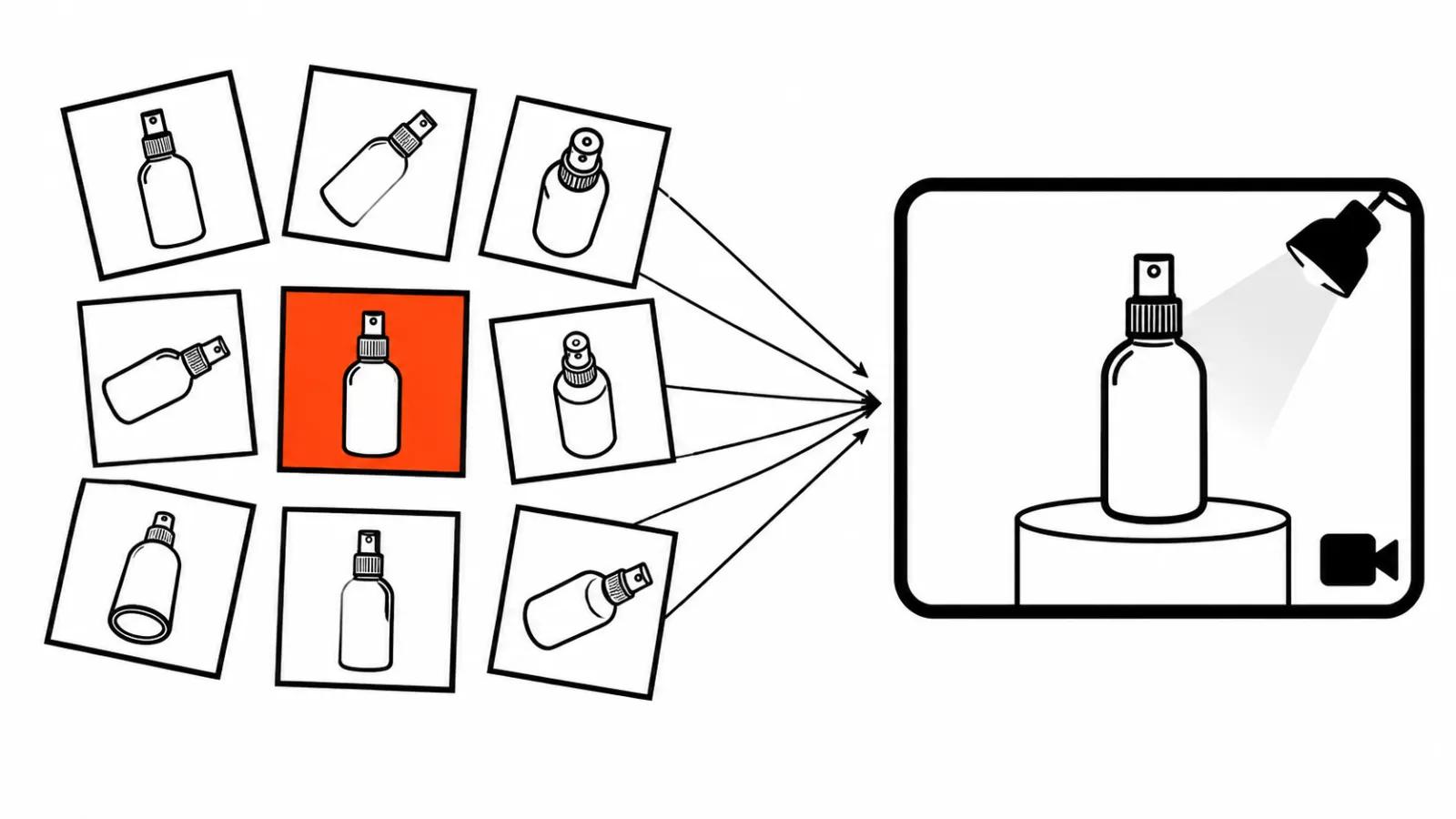
The stated specs. Up to nine reference images per generation. 720p. Clips from five to fifteen seconds in landscape and portrait. Up to four videos per run. Access is open to every logged-in user, no paid plan needed to start.
The company lists what it optimised: audio and picture sync, prompt adherence, continuity of a continuation, physical plausibility, product and face consistency. That list reads like an answer to the usual complaints about last year's generators.
Reference to video: what nine images buy
A standard photo to video with AI setup leans on a single still. The model sees one side of the object and invents the rest, so a logo redraws itself from zero on every turn and the back of the box looks like a different box.
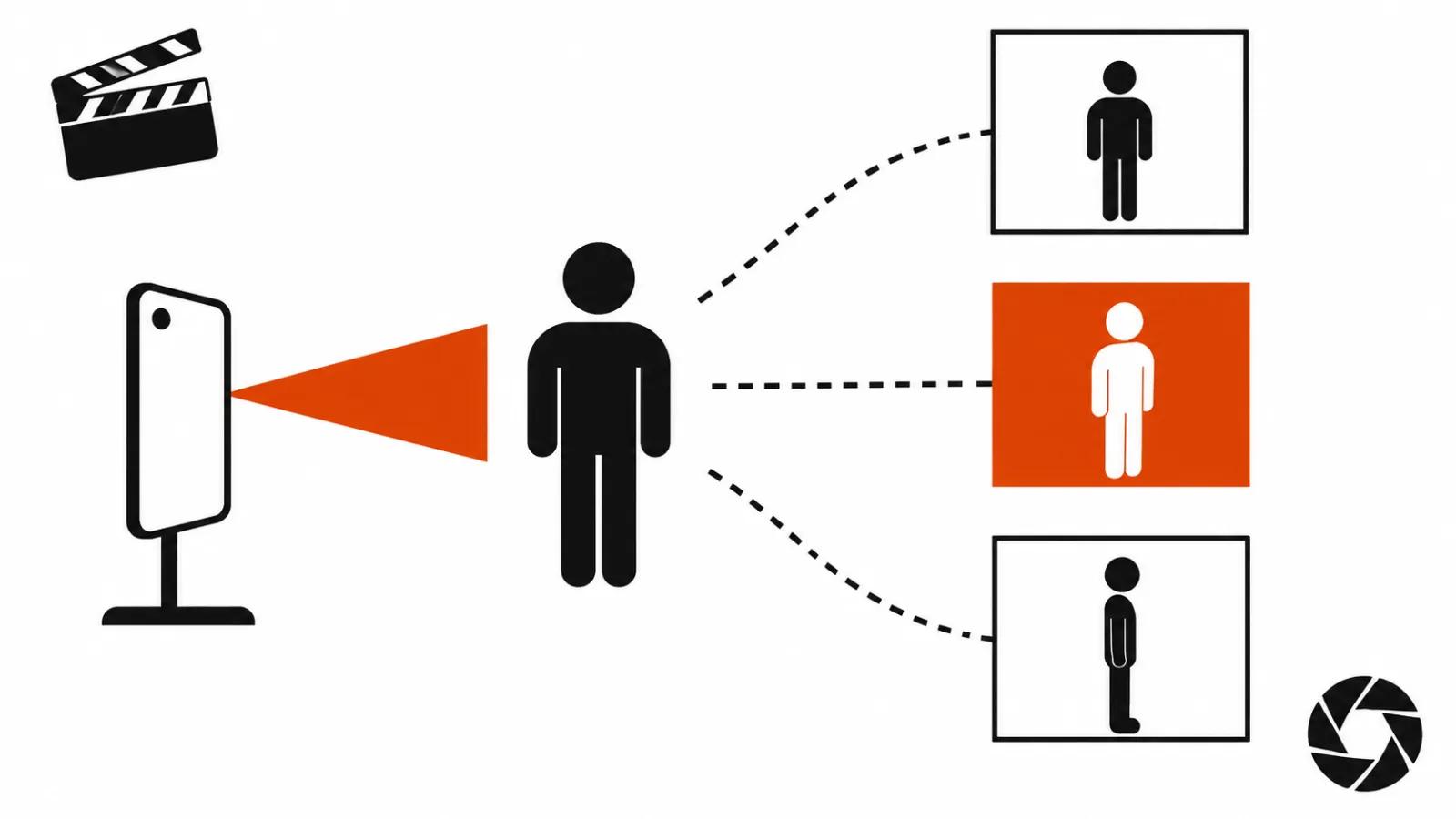
Nine images change the brief. You can hand over the packaging from four sides, a character in two lighting setups and a wide shot of the scene, and the model gets more to hold onto. That gives three useful setups in advertising.
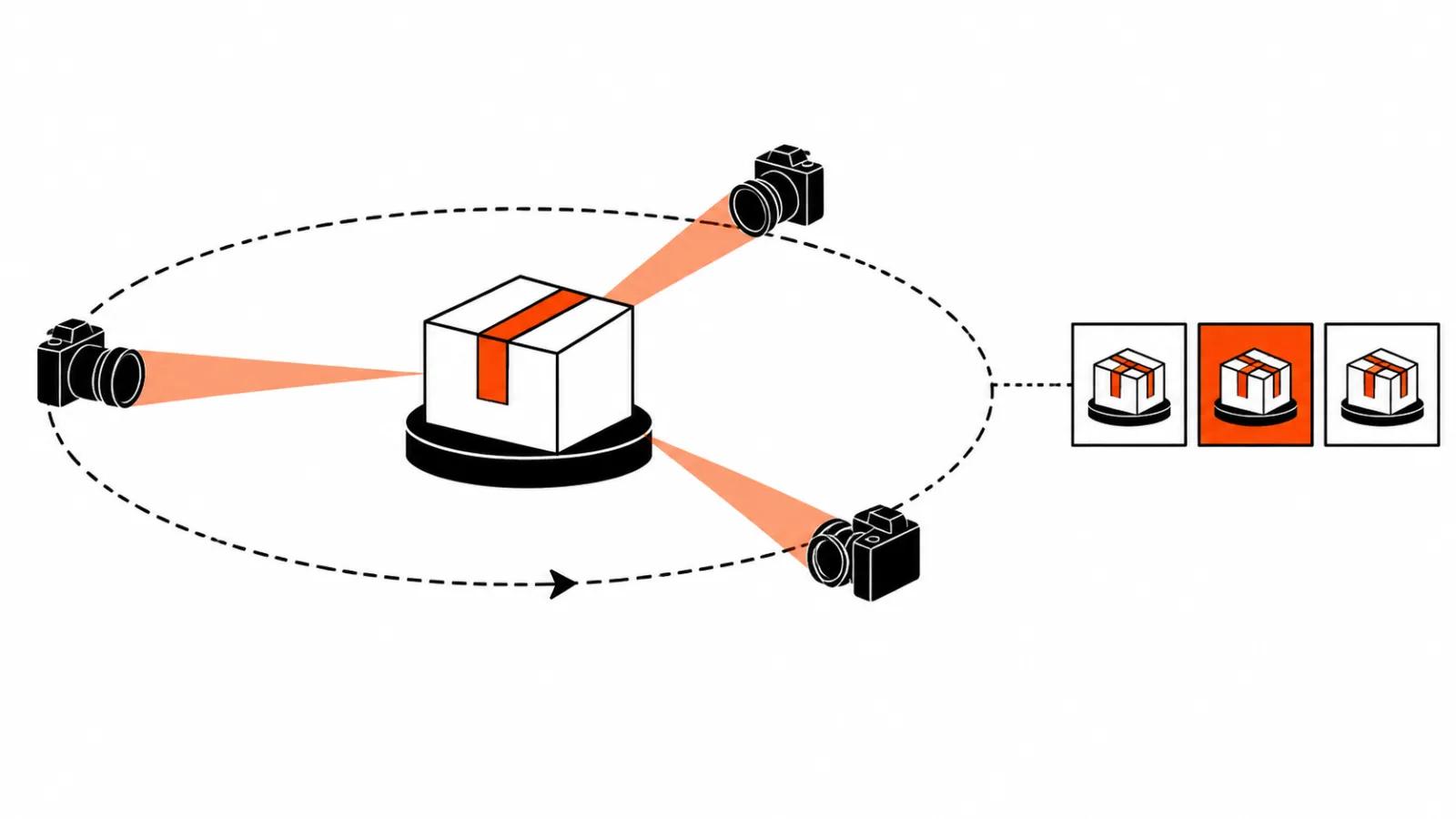
First, the product card. The same bottle, can or box from three angles, the camera walks around it, the label holds still. That clip lives on a product page and in a paid placement, and what matters there is the packaging staying recognisable.
Second, one character in a vertical clip. A person built from five or six photos, one outfit, one face, a few shot sizes. That is enough for social feeds if you stay away from tight close-ups.
Third, a series of versions of the same clip. Background, angle and shot order change, the product stays. Teams used to reroll a model until a usable take appeared.
Price: five credits per second
Five credits per second, and that is the only number the company states plainly. Then come the comparisons: 72% cheaper than Seedance 2.0, quality on par with Wan 3.0 and MiniMax H3.
Worth separating fact from marketing. Five credits per second comes from the release. The percentage and the quality claim are the company's own words, and nothing independent backs them: the release carries no third-party tests. There is no credit-to-dollar rate either, so I am not converting into any currency. Without the rate, a number in dollars would be my invention.
One reference point from earlier coverage. Gemini Omni 1.2 Flash at 720p runs at about $0.07 per second as of November 5. I broke down the cost per second of AI video across models separately.
A second number for context. Seedance 2.5 inside Luma, per Luma's own description on November 6, takes up to 50 references. Nine against fifty is a difference of task, since fifty images serve a crowded scene and nine serve one product plus one person.
One more item from the release hits budgets harder than the price. Wizshot has two modes. Unlimited Mode is for annual plans and Plus Monthly and above, and gives unlimited generation for a limited period under the terms of the plan. Credit Mode charges five credits per second and moves you up the queue. For a studio that means drafts and final takes can carry different costs.
720p and 15 seconds: draft tier
My take is simple. 720p and a fifteen second ceiling put Wizshot in the draft tier.
For vertical feeds 720p is enough, since the platform recompresses the file to its own bitrate anyway. For a product page with zoom and for a screen in a store 720p falls short, because softness shows on small type on the packaging.
Fifteen seconds means stitching. A forty second ad gets built from three generations, and the seams need hiding with a transition, camera movement or a cut. That is an editor's work, and it stays in the quote.
I would not accept the Wan 3.0 comparison before my own test. The quality claim arrives without examples on hard scenes, and hard scenes decide whether a model belongs in a pipeline. On a product in studio light the match can look close, and on motion and hands the gap shows immediately.
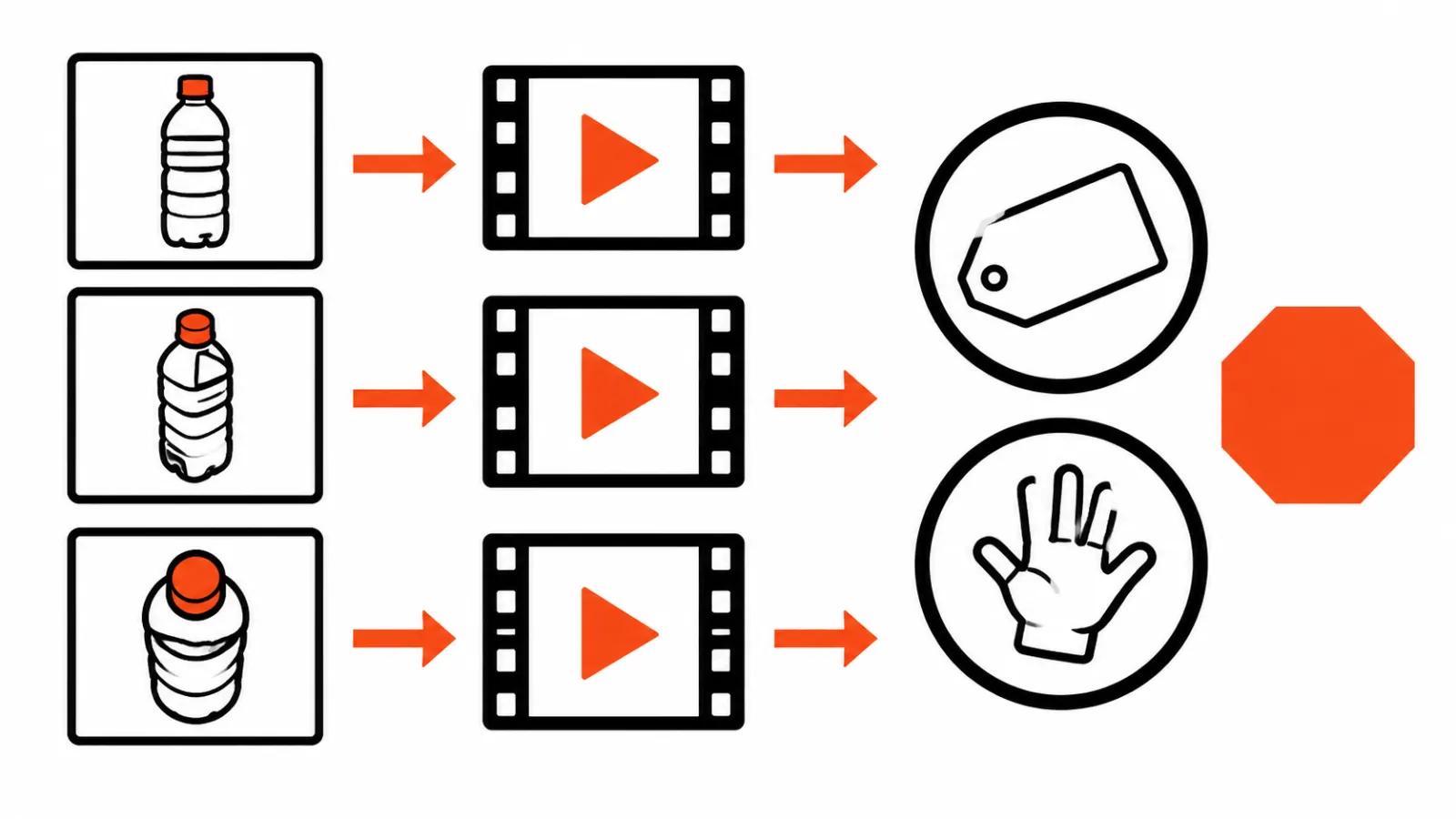
Photo to video: how I test a model
The test takes an hour and answers one question: can this go into a series.
I pick one product, ideally with a logo and small print on the label. Three reference angles: front, three-quarter, detail. Then three generations with different camera-motion prompts.
I look at two things in every file: the logo and the hands.
The logo goes first. Letter weight shifts, the second line slides, small type turns into stripes. If the logo survives all three generations, the model can be tried on packaging.
Hands show the physics. Fingers merge, the grip misses the object, an elbow passes through a table. In product advertising that is a hard stop, because a viewer catches the error without any expertise.
The third check follows the company's claim: audio. Sync between picture and sound is promised, and a clip with a knock, a step or a lid click shows whether the sound lands on the beat.
I record the result in one line: product, angles, number of generations, what held. After a month those lines show which categories the model handles.
Where it fits in studio work
Sets of AI video ads get built as a series, and Wizshot suits the rough stage: three or four motion options for one product from a single run, a selection, then a proper edit. We show the client the draft on a phone, since that is where you see how the file behaves in a feed.
For a volume of marketplace clips the model helps by holding one product across a run. When a campaign needs dozens of versions of one creative, nine references save time on each pass. I covered the workflow side of AI video production in a separate guide.
Where a final master is required, I still take handcrafted AI videos, from $190, with a person owning the frame, the light and whether the logo reads at a glance. The model stays a source of drafts.
One note for planning. The model is open to every logged-in user, so a first test costs only the trial credits. New video models usually sit behind a paywall for weeks.
My conclusion
Wizshot 1.0 is a real step for a platform that used to be a shop window for other vendors' models. Nine reference images solve a specific product-advertising problem, and five credits per second gives the work a unit you can put in a quote.
My routine: one product, three angles, three generations, a logo check and a hand check. If the test is clean, the model carries drafts and version sets. If the logo drifts, I go back to a manual build and skip a day of rerolling.
On price, until the credit rate is published, comparing Wizshot with other models on money is guesswork. Credits per second and seconds per clip are the only honest units for now. I will not quote a client from percentages in a press release.