Two launches in two days
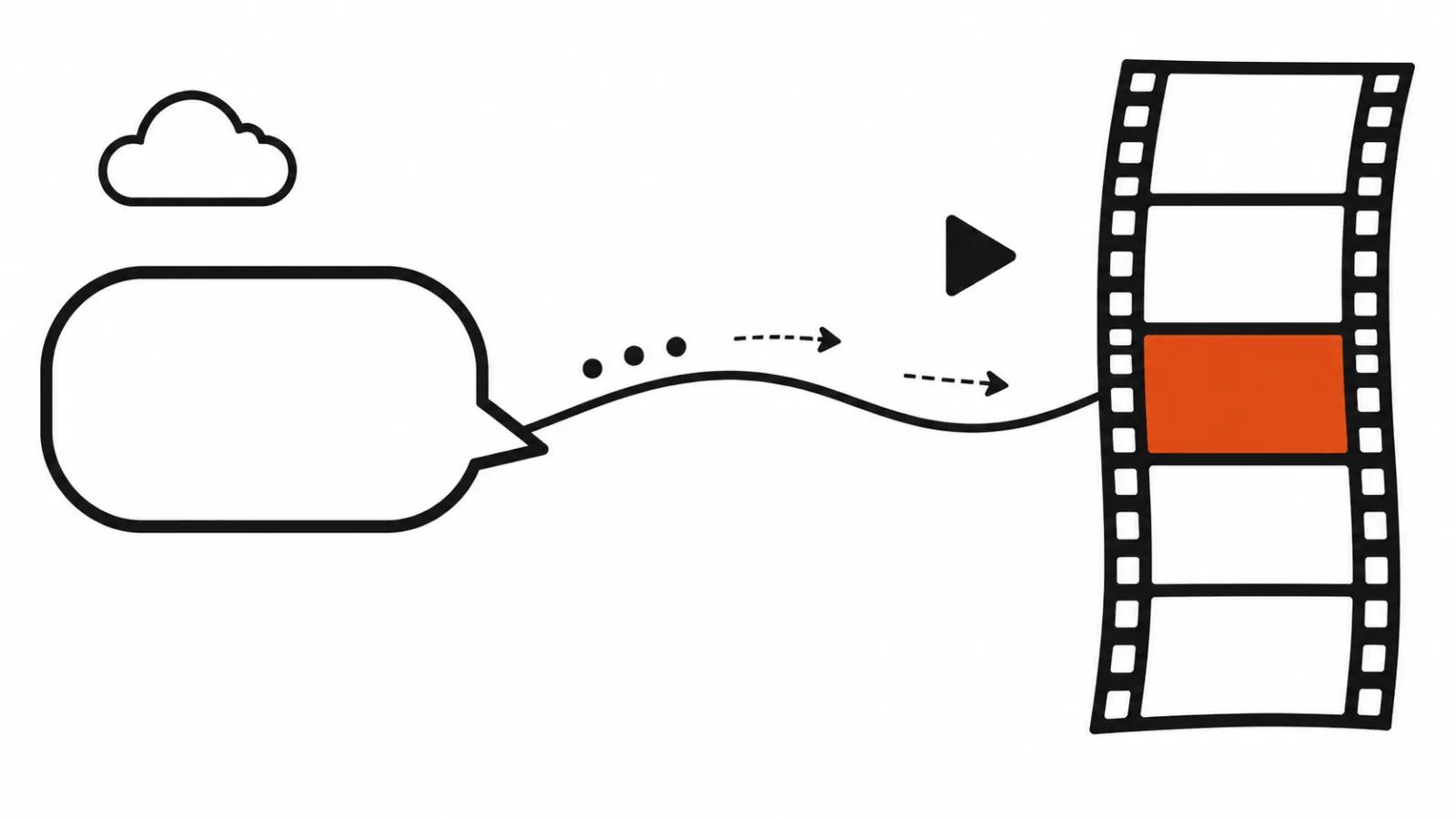
On 13 November 2026 DomoAI in Singapore released InkoAI Agent. The company says more than 5 million creators work on its platform, and the agent is built for that volume: you type a sentence, and the platform assembles a clip for TikTok, YouTube Shorts or Instagram Reels.
A day earlier, Krea posted on X under the line "Krea Bots, your new creative crew". Different wording, close enough meaning: the bots take whole creative projects and adapt to taste while the team works alongside them.
The timing matters more than the feature lists. Two unrelated companies landed on the same pitch, where the interface is a conversation and the sliders are gone. That is now what the audience expects.
Making video from text in a single chat
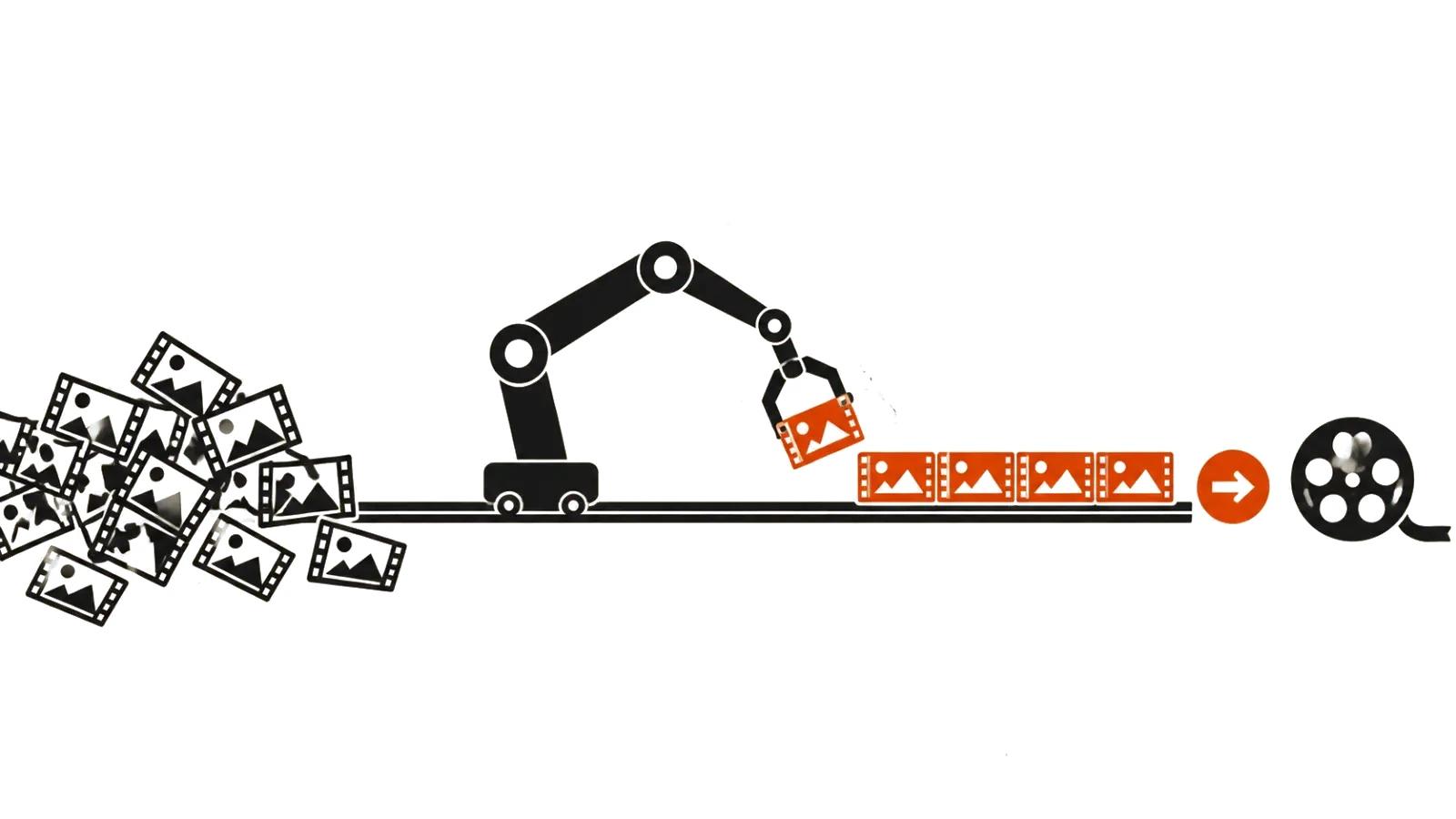
InkoAI Agent runs the whole pipeline for images and video inside one chat. From one sentence to a finished vertical cut, and the agent writes the prompt itself: it also picks the frame format and the clip length.
Then it starts DomoAI Skills in one click. The release names four: Short Drama, Anime Video, Cartoon Style, General Story. Each skill is a genre template with its own scene logic, and a short description of the idea is enough input.
Under the hood sit 15 image and video models, among them GPT Image 2.5, Nano Banana Pro, Seedance 2.5, MiniMax H3 and DomoAI 2.5. For a client that means choice without choosing: nobody swaps models by hand, the agent decides what draws a frame and what animates it.
One line in the release is more interesting than the model list. The agent reads text, images, documents and video from a library: character sheets, product photos, scripts, storyboards. It remembers every result in the chat, so any earlier image can be redrawn or animated without uploading it again.
Approval is part of the loop
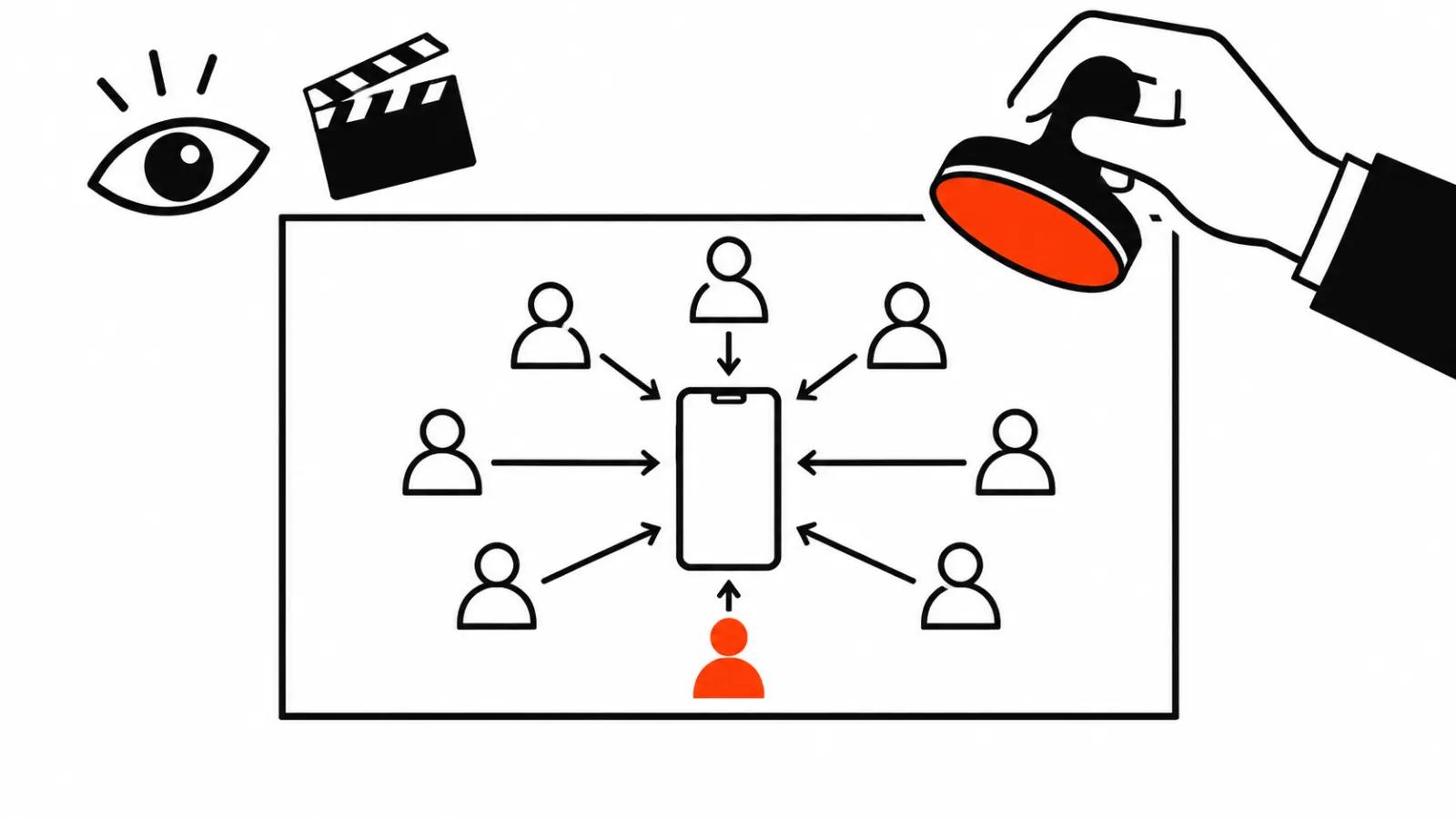
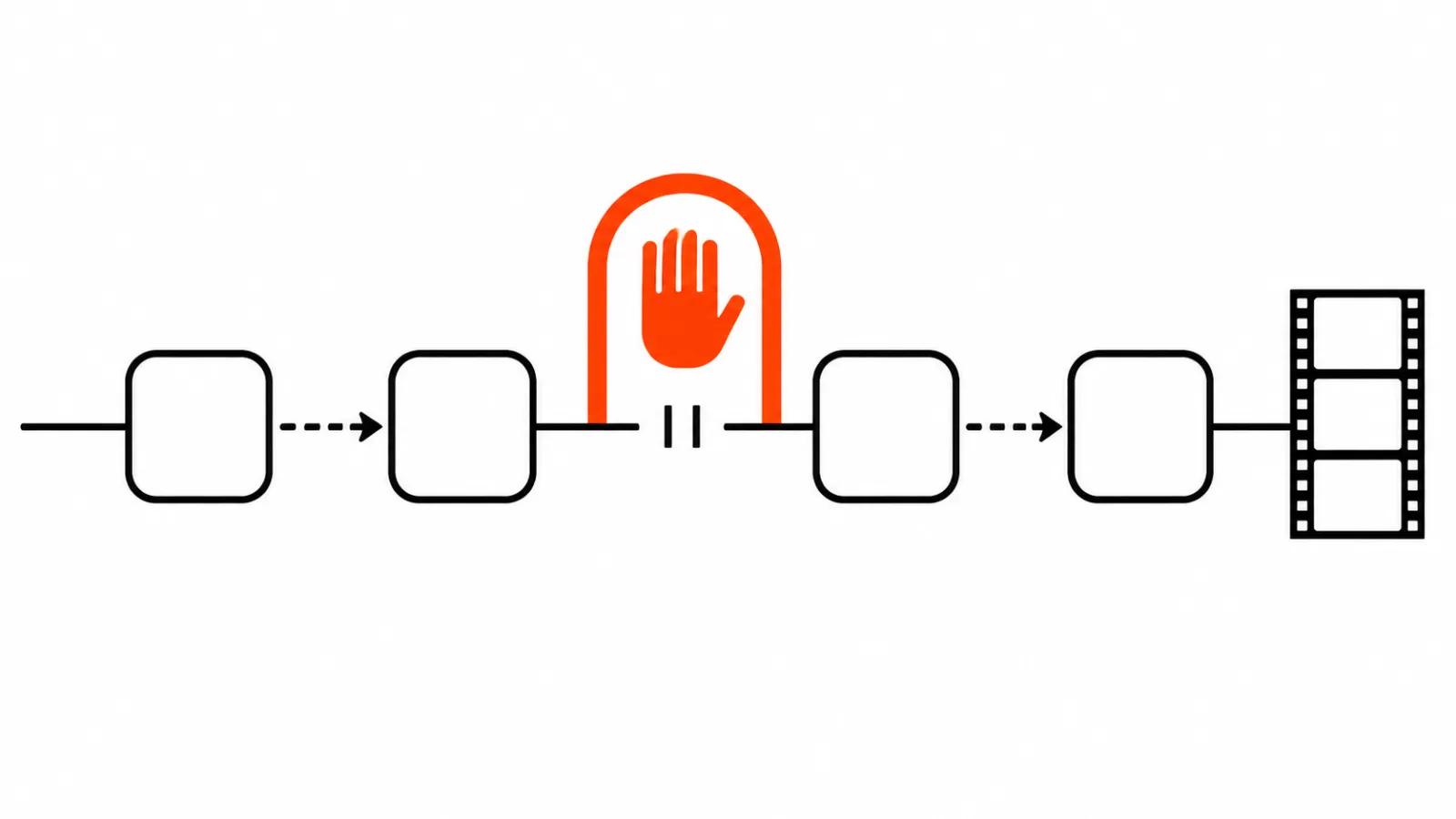
The detail DomoAI stresses on its own: the agent shows what it is about to generate and waits. Nothing runs without the creator's consent. Along the way the creator approves the script, the characters and the shots.
I read that as an admission of the problem. An agent that writes its own prompt and picks its own length fails at scale: one loose phrase in a scene description turns into ten generations of the wrong thing. A confirmation screen is cheap insurance against that runaway, and it is good that it sits on by default instead of hiding in settings.
What Krea says about Bots
Krea's post is shorter than DomoAI's release and rests on a single claim: the bots adapt to taste while the team works. The company states that all of its recent work was made with these bots, including the video in the post itself. That cannot be checked from outside, and it is a strong claim.
The product is in beta. The post promises $1,000 for joining the beta and does not spell out the terms, so I am not inventing them. For now it looks like recruiting testers while the terms stay unwritten.
Where the agent saves time
Drafts and variations. Here is the scene where an agent earns its place: one idea in ten executions for a set of vertical ads. That used to mean ten prompts and ten sessions. Now it means one sentence and one skill, then selection by hand.
The second case is a series with a recurring hero. Chat memory plus a character sheet in the library remove the dullest part: re-describing the same face in every shot. The same sheet helps in AI video production when a character has to look consistent across several scenes.
The third case is short formats for a specific platform. A YouTube channel lives on the order of episodes, and the agent does not hold that yet.
Where a human still decides
Script and shots. That is my position after reading both releases: the agent is good at the stage where you need ten options fast, and weak at the stage where someone has to decide which one ships.
Three reasons. There are no independent tests of InkoAI Agent and no pricing in the release, so the "one sentence" promise is verified by a press release alone. Taste is guessed from the sentence you typed, while a brand lives in a twenty page document. And responsibility does not move: if a frame is wrong, the question goes to the person who pressed approve.
For contrast, look at projects that chain agents stage by stage: the 24 agents in Core Studio split the work into visible steps, and the borders show from outside. InkoAI Agent takes another route, hiding the steps inside a conversation and surfacing them only at confirmation. The second route is faster for a solo creator and riskier for a studio.
How to test one of these agents on your own project
The test takes a day and one short clip.
Load a character sheet, a product photo and a one-scene storyboard into the library. Write the sentence the way a client would say it, without technical terms. Then watch three things: what the agent showed before the first generation, whether the character matched across shots, and how many of the delivered options you kept.
Count the shots you accepted. Fifty generated shots with three of them reaching the edit is not a saving, it is work moved into selection.
My conclusion
Agents for video are now good enough to take a whole project at draft stage. That changes the budget on variations and barely touches the budget on the final frame.
My split: the agent gets idea exploration, storyboards and ten versions of one scene. The human keeps the script, the character approval and the final cut. DomoAI's built-in approval is exactly the seam where that line runs.
One last thing. The "video from one sentence" promise is proven by the third round of revisions, when a client changes a single detail and wants it inside the same world. I have not seen an independent test like that yet, so I keep the agent on a short leash and do not hand it a series budget.