What was announced in Taipei on 7 November
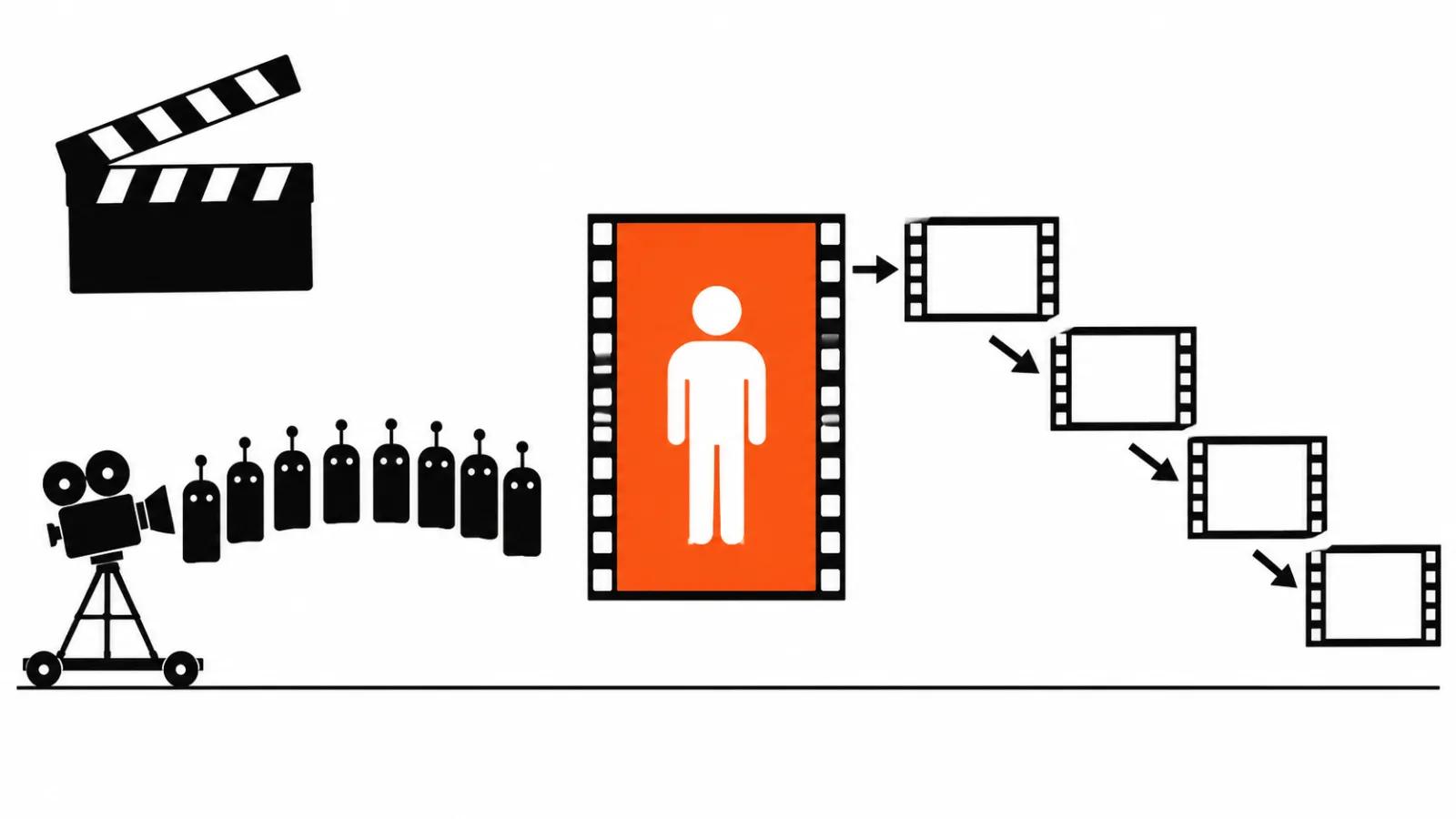
The launch happened at Taiwan Creative Content Fest in Taipei on Saturday 7 November. imCore Corp grew out of animation and VFX work, and the product sounds like it: the platform speaks the language of a film workflow, where scene, shot and storyboard are the working units.
CEO of TAICCA Erica Wang and people from the Taipei Film Commission took part, and the makers of four AI projects screened their work, among them Jerry Zhou with "God Being". Prices and access dates are not in the Variety report, so a budget cannot be planned from this announcement yet. The product exists, the terms of buying it do not, and that is the first thing to keep in mind.
What the platform covers
The list of stages reads like an ordinary production pipeline: script, storyboard, image generation, editing, colour grading. There is an in-house image model inside plus connections to third party generative models. The platform follows a standard film workflow, so a team does not have to relearn its habits around a new tool.
For a studio this means one project can live in a single window from the first draft to the final grade. That route used to be spread across four services and a folder of prompts, and handing work between them ate a day at every join.
AI filmmaking with 24 agents: a virtual crew
More than 24 specialised agents are claimed, divided by department: story development, asset generation, VFX, editing, colour. The virtual crew phrasing is loud, and I read it as a metaphor for splitting the work, where every stage has its own worker and its own set of inputs.
Agents speed up the grind: draft storyboards, asset options, a first assembly cut to a rhythm. The decision about what reaches the final cut stays with a person, because a film stands on directing and editing. Twenty four agents do not answer the question of why a shot belongs in the scene or why the cut lands where it lands.
AI filmmaking from a script: Story Atlas
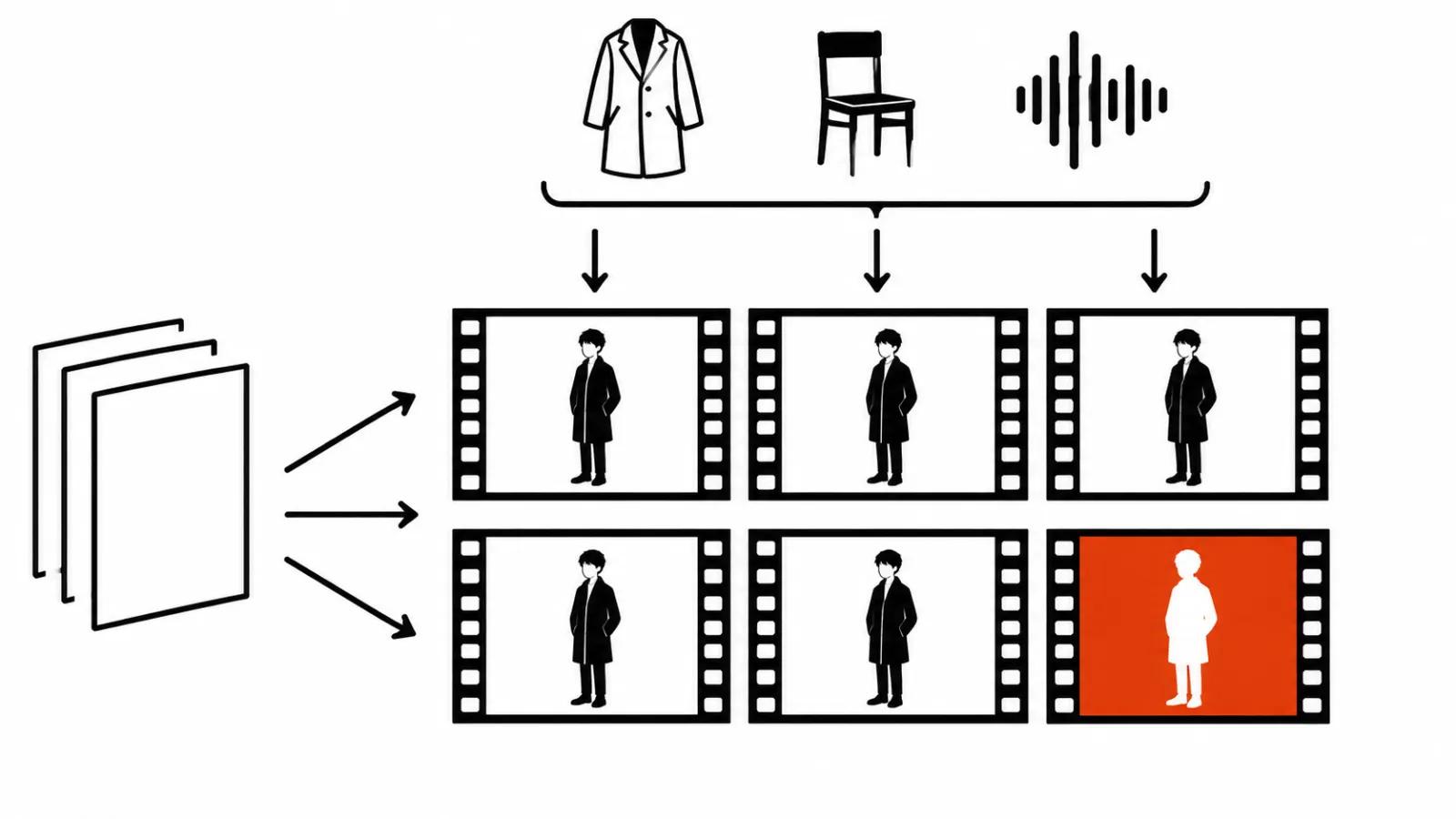
The main pain in generative film is consistency. A character changes face between shots, a black jacket turns grey, a voice arrives from a different actor. Long projects fall apart there, while single frames can look perfect.
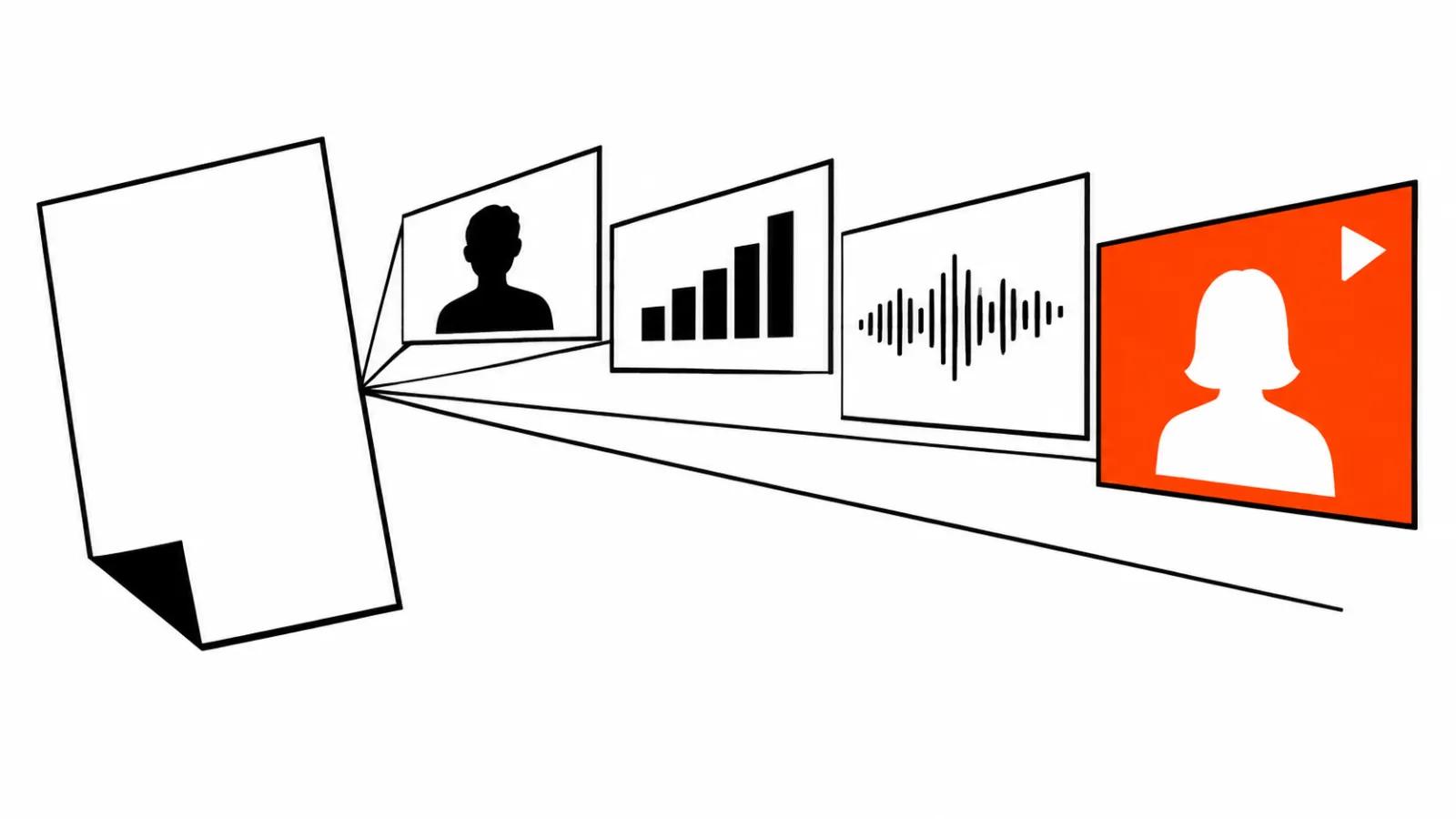
Story Atlas takes an imported screenplay and cuts it into scenes, shots and storyboards. Character design, costumes, props and voice profiles are set on top. The point is that the person in shot five stays the same person as in shot one, in the same clothes, with the same voice. The logic is simple: the script becomes the source of structure, and prompts inherit scenes, costumes and props from it.
A log per shot: models, prompts, money
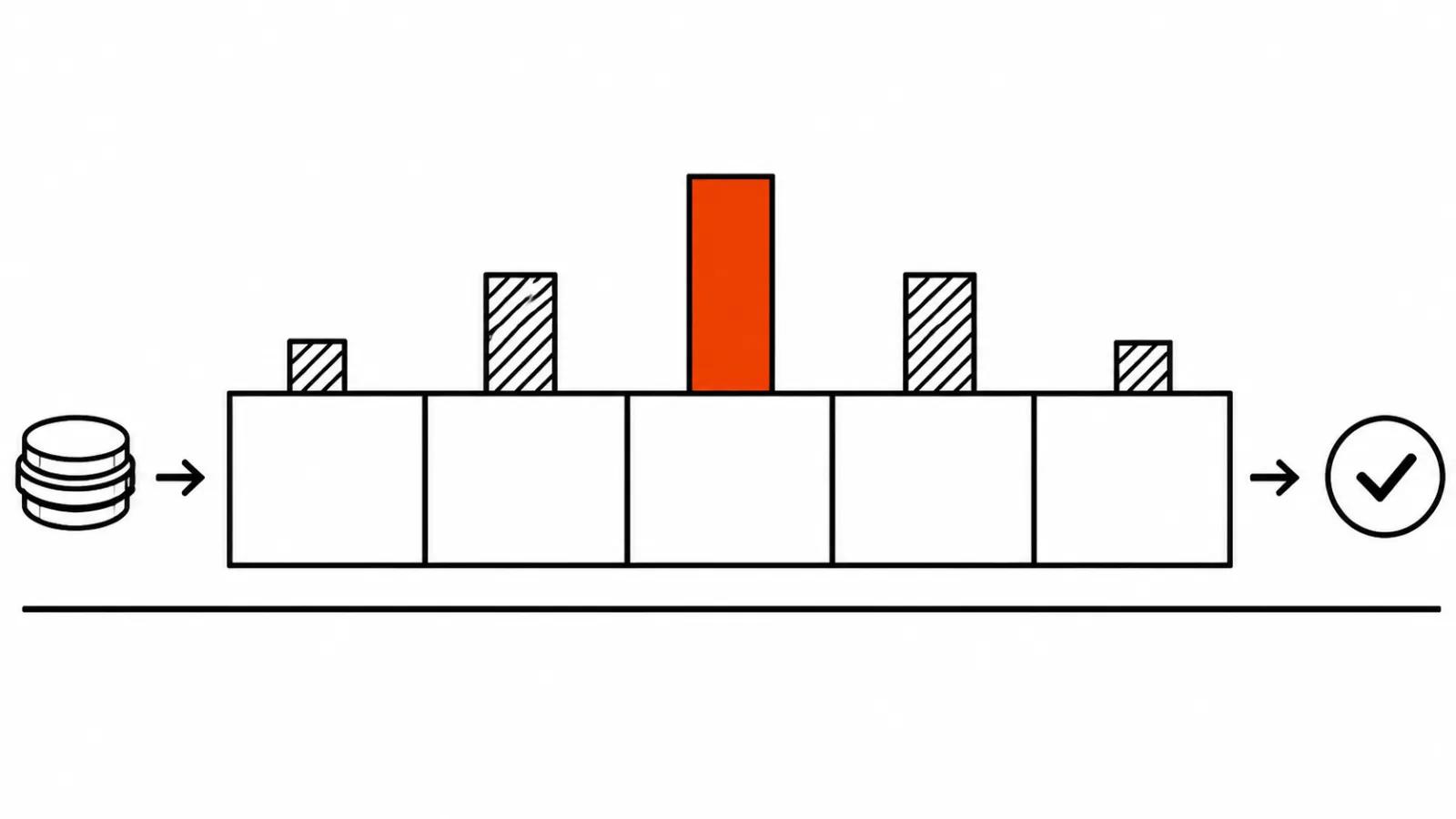
This is the part that would make me open the product. Every AI result carries a record: which model ran, which prompt went in, which settings, what it cost and what a human said at the review step.
Most AI production does not have that table. A quote is assembled after the fact, the price conversation happens from memory, and an argument about a shot leaves no trace. When every shot has a line with its model, its cost and a note about human review, a budget conversation turns into arithmetic.
For a client it is protection too. You can see where money went into ten asset variants and where it went into one accurate frame and three hours of grading. I would ask any vendor for that log before signing off on AI work.
Real Engine: 16 bit and the highlight fix
Three blocks sit inside. Real Video sharpens image detail, Real HDR lifts colour depth from 8 to 16 bit, Real Revive repairs blown highlights.
Sixteen bit matters for grading. At eight bit a gradient in the sky or on a wall breaks into bands, and the grade starts to ring where nothing should ring. Real Revive covers a common generation defect: the model happily drops a white patch where a window, a lamp or wet asphalt belongs, and someone has to pull that patch back by hand.
AI video from a script: where this fits our work
We build a film along a similar route: script, storyboard, generations, hand editing, cost tracking per shot. The difference is that editing and colour sit with a person on our side. How the workflow looks end to end is covered in a separate piece on AI video from a script.
A cloud workspace with live collaboration, version control and access management matters to teams spread across countries. For a crew with a director in Taipei and an editor in another city, that is not a small thing.
In advertising these platforms pay off when many versions are needed in a row. AI video production runs as a series, and each version changes the product or the emphasis. Where the final spot has to air, I take handcrafted videos from $190, with a person owning the frame. For a channel that publishes on schedule there is an AI YouTube channel from $200 per month.
My conclusion
Core Studio is a bet on production discipline: the script as the source of structure, a log per shot, colour at 16 bit. The agent count in the headline is not the story. The story is that the platform has an answer to the budget question.
I see it as a tool for a team with a long project and an outside client. A thirty second ad will not get much faster on a machine like this, because the time there goes into the idea and the edit, and script structure saves hours somewhere else.
What I would test on first access: whether Story Atlas holds consistency on hard scenes with hands, crowds and reflections, whether the cost log matches reality across a long project, and whether Real Revive copes with blown highlights in motion. With no prices published, payback stays a thought experiment, and that is the one thing about this announcement that bothers me.