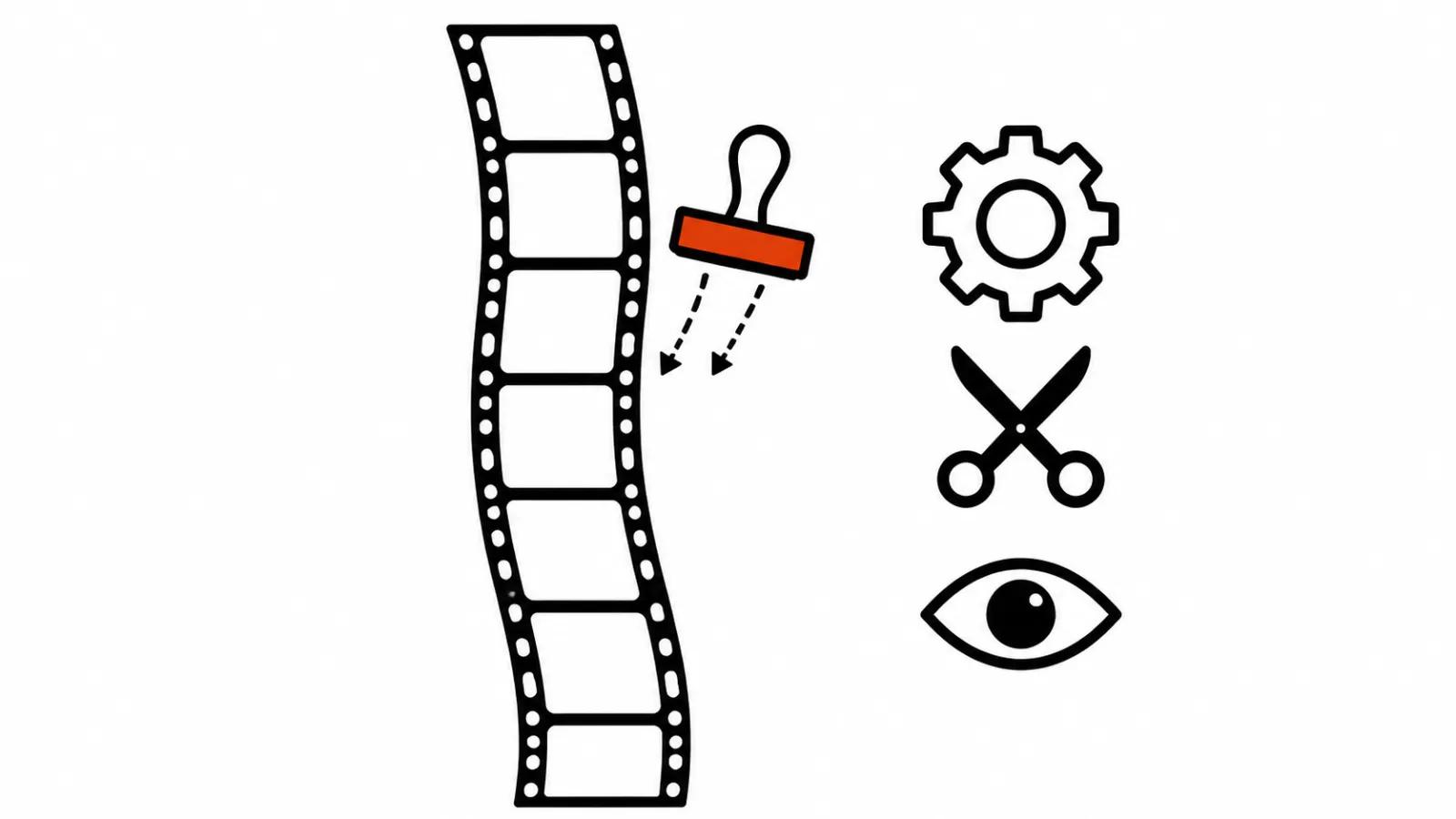
What Pine released on 13 November
Pine AI launched Pine Drama Studio on 13 November, with the press release going out of San Francisco on PR Newswire. It is a studio for AI filmmaking built on Pine Computer, the company's own computer for AI agents that shipped on 9 October. The licence is Apache 2.0, the app is built on Code-OSS, the open base of the VS Code editor. A .dmg for Mac covers Apple silicon and Intel, the Windows build runs in CI. The repository sits open on GitHub under PineComputer.
The open licence matters more than a badge on a landing page. You can read the code and see how the agent steps are wired. What stays paid is the cloud side: compute on Pine Computer, which needs a project key. Models are your pick too, and you can add your own steps, dubbing or localisation for instance.
How agents assemble a vertical short drama
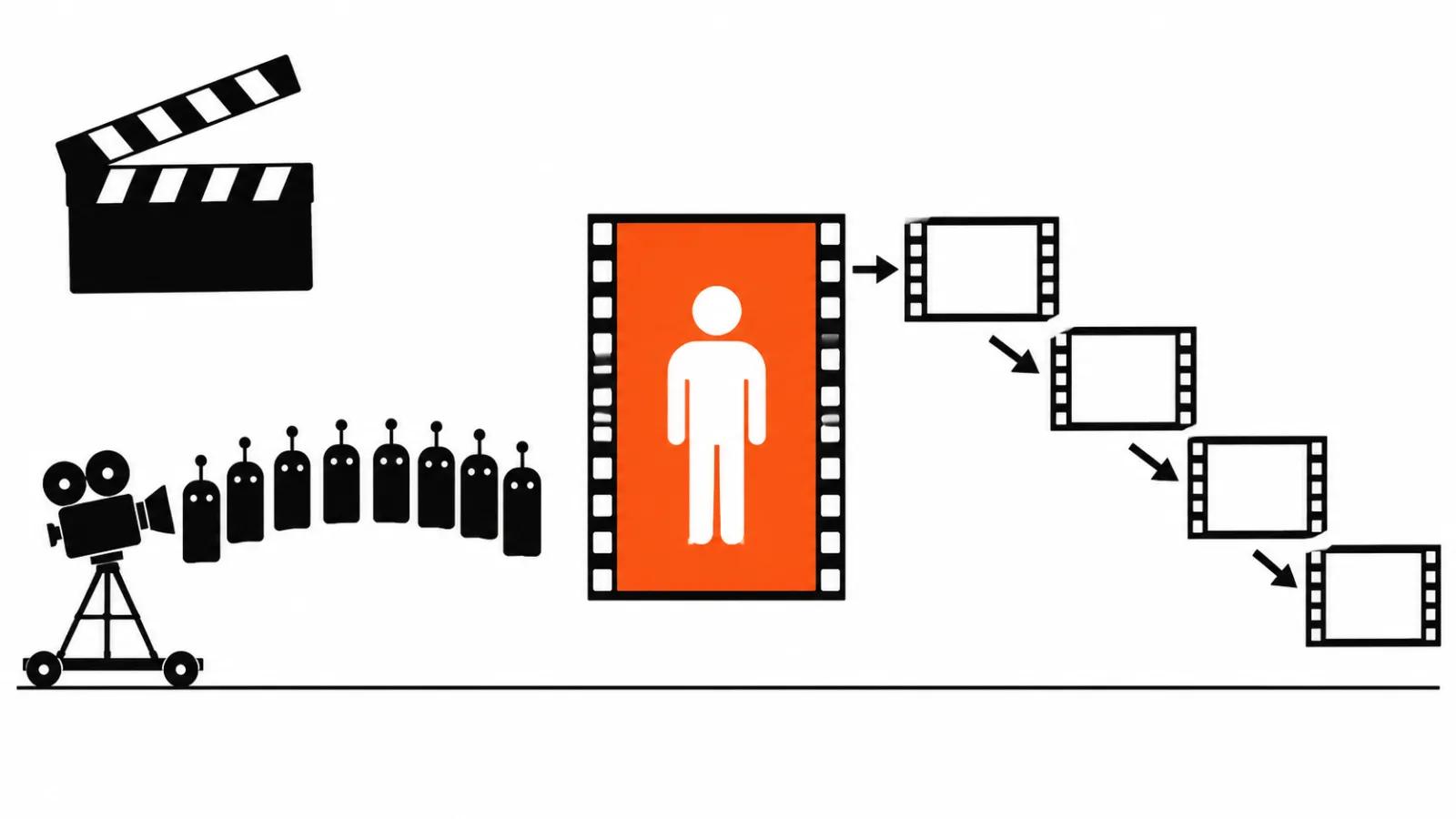
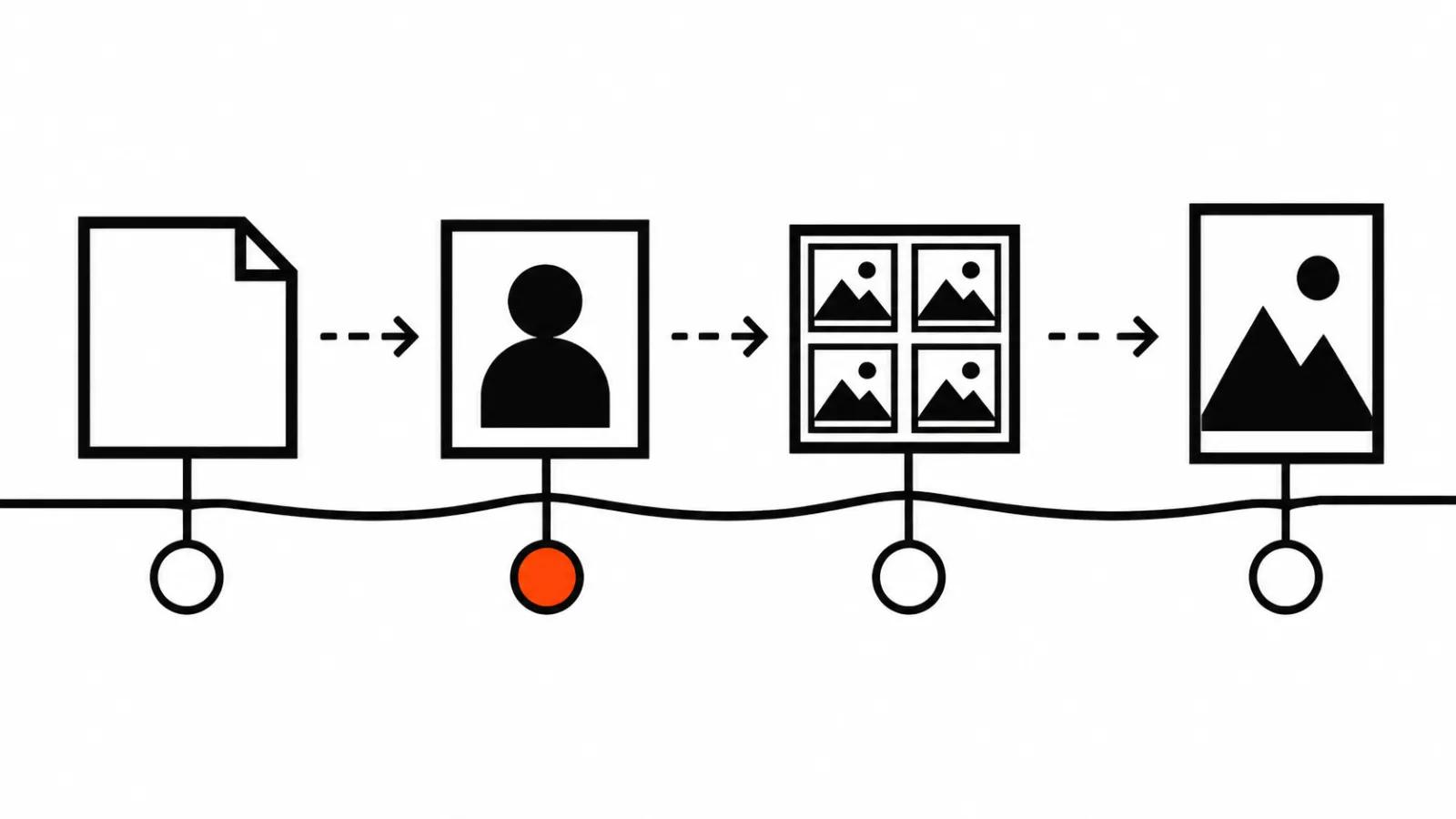
A producer uploads a script in Fountain, a plain text format that marks scenes and dialogue, and gives one instruction. From there the agents work. They build the story bible. They design characters, locations and props once for the whole series. They storyboard and generate every shot. They check takes and reshoot the ones that drifted. They cut the approved takes into episodes.
A human approves four things: design, storyboard, takes and the final edit. Every paid step starts only after a go-ahead in the chat, so the meter does not run on its own. Each episode renders on its own Pine Computer, so episodes can be produced in parallel. Fix one shot and only that shot is regenerated, the rest stays untouched.
Story bible and design once per series
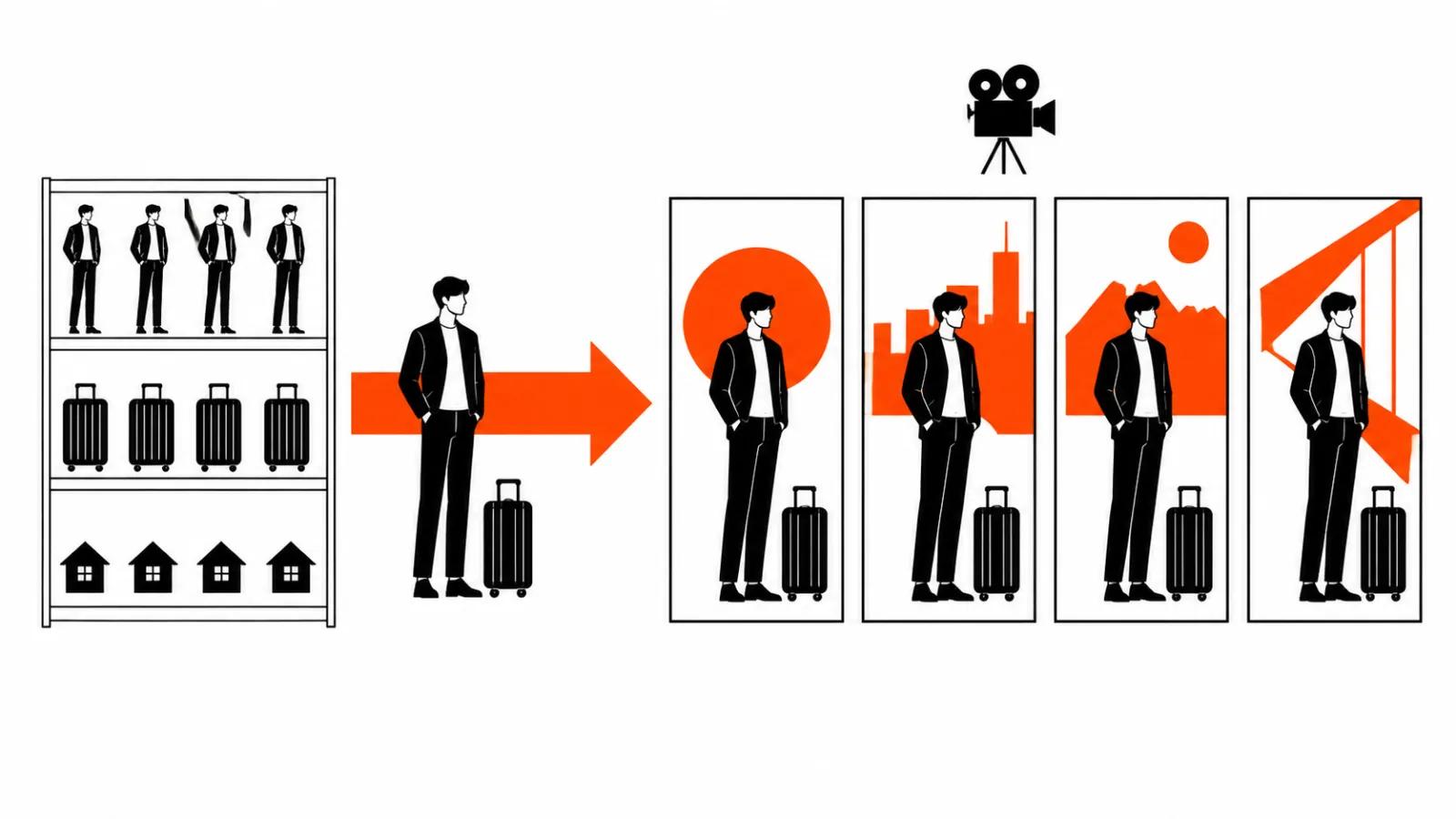
A series rarely falls apart on a single frame. It falls apart in episode three, where the lead wears a different jacket, the room has a new window, and a supporting character shows up with a new face. The viewer will not name the reason and will stop believing the story.
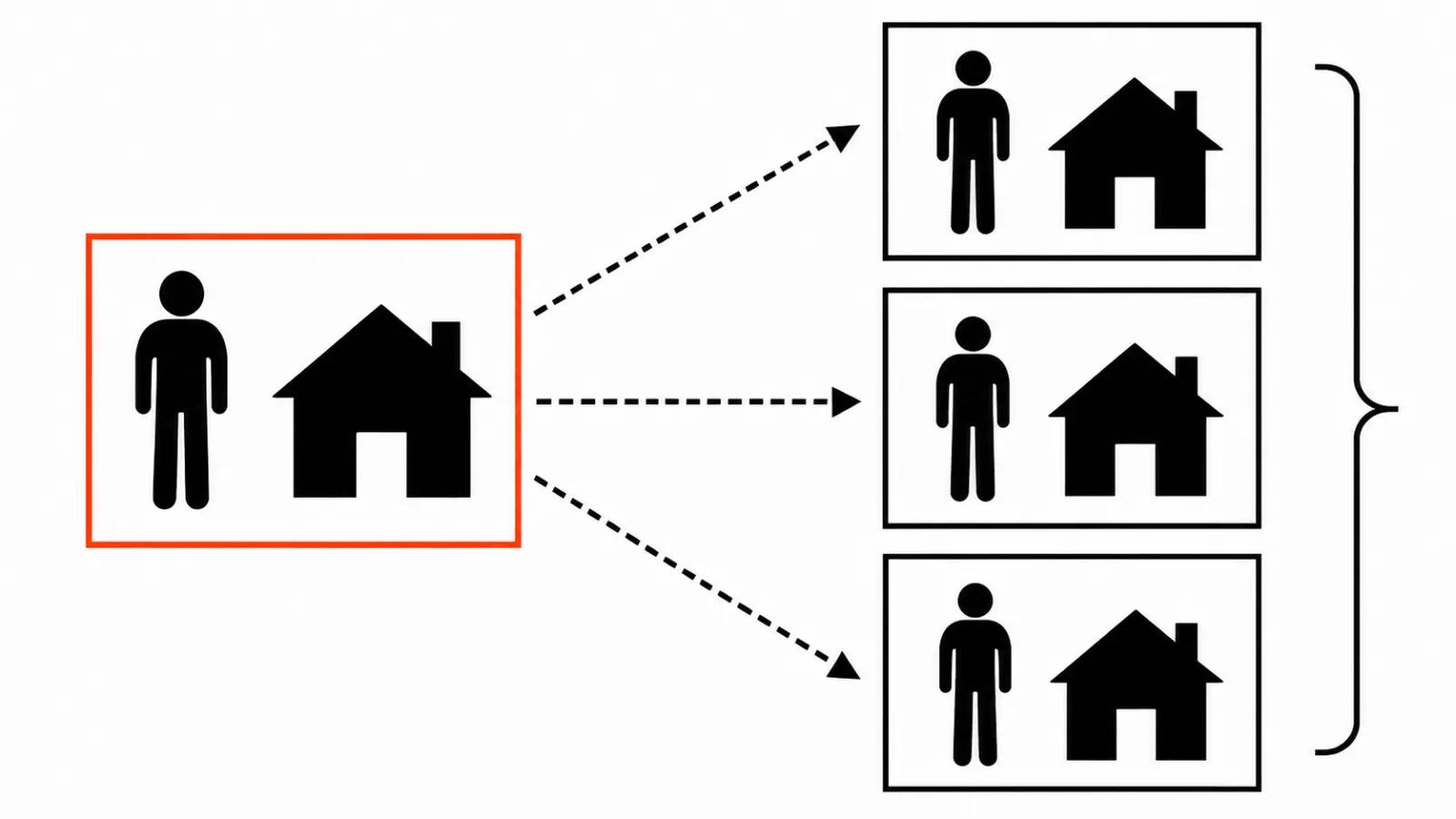
Design once for the whole series is the condition that makes an episode hold together. The agent keeps one set of descriptions for characters and locations and drops it into every shot, and a human approves that set before any money goes into generation. The logic is familiar: we covered Core Studio, a 24-agent film studio with a similar chain.
Vertical microdrama: where the numbers need care
The release carries one figure that will be copied everywhere. An Australian microdrama studio moved to Pine Drama Studio in October, after the September beta. One person used to produce 2-3 minutes of video a day, now 30-50 minutes.
Read it with two caveats. First, the figure comes from the company's client, with no independent check. Second, the release does not say what counts as a minute, finished episodes or all generated material including takes. The only fair comparison is with that same person's earlier 2-3 minutes.
The market behind it is big. We have a separate piece on China's short drama boom with the volume numbers, and it shows where the demand for pipelines like this comes from. Pine enters the same niche from another side, with a tool for the people who make those series.
What it changes for a client
The entry ticket drops. The app under Apache 2.0 installs on a Mac or a PC, so you can look at the chain before paying anyone. Vendor lock-in gets thinner: models change, custom steps fit in, the project lives as a folder on your own machine.
That freedom has a price. The project folder is the only copy, so backups are your job, and a lost laptop is a lost series. Shot quality depends on the models you pick: the studio organises the process and does not draw for you. An open licence also does not remove the cloud bill. The release mentions Pine Phone as well, agents that can make phone calls, which has nothing to do with film and does show where the vendor is heading.
Where a human still decides
Agents take the grind: storyboard, takes, assembly. Taste stays human, and the approval gates show it. No paid step starts until the producer says go.
For brands the setup differs because the job differs. Advertising needs the right tone and a clean legal trail, and that is where our AI video production pipeline runs with a person on acceptance. Animated series for brands are an example of handcrafted AI videos, where every shot gets finished by hand. Pine takes a different slot: a long story, many episodes, thin economics per minute.
My take
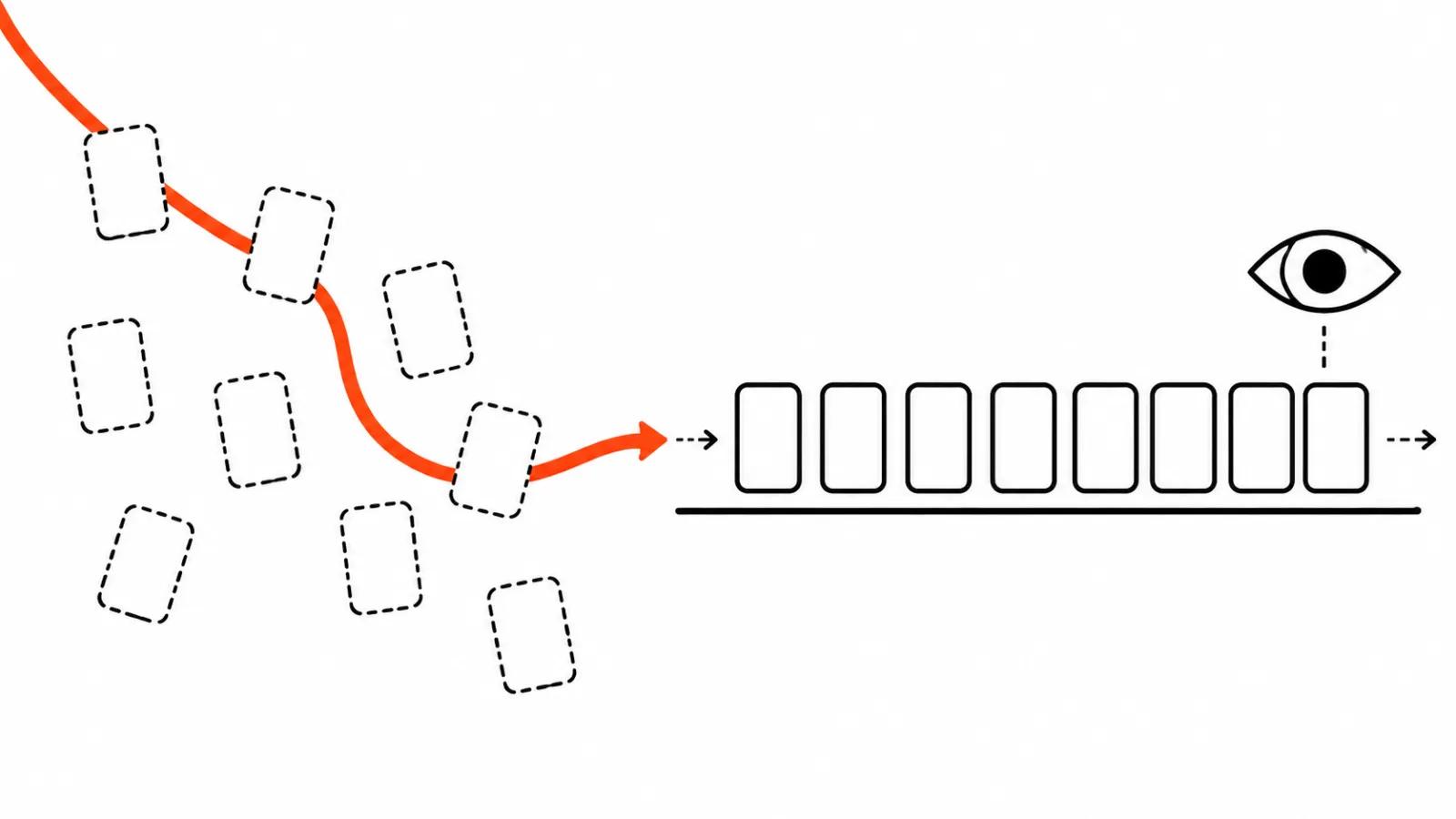
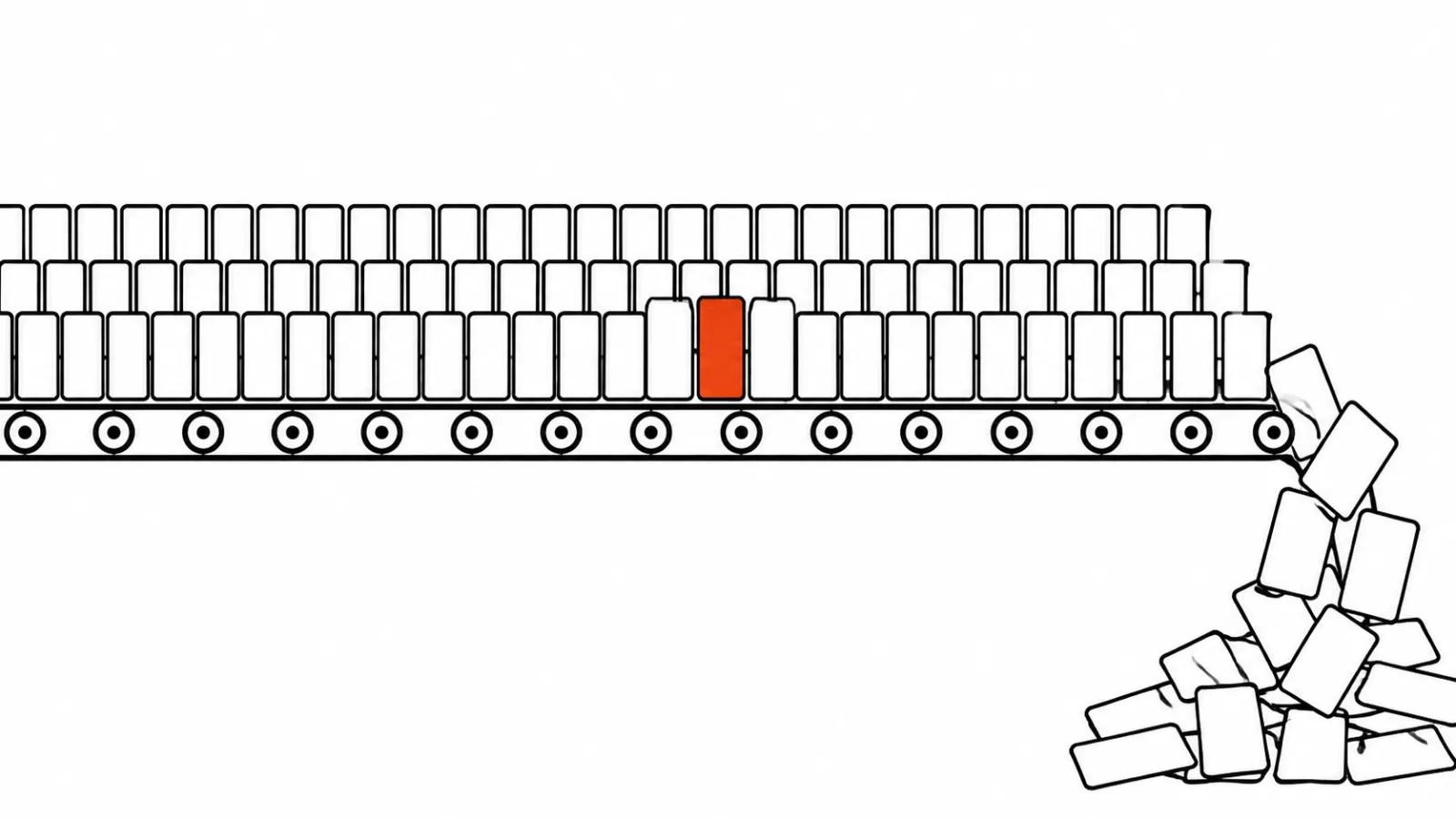
The built-in approval is the interesting part. The fact of an open release comes second. AI series used to be built like this: generate, watch, throw away, repeat. Four stops are wired into the process now, and that shifts the producer's job from running prompts to saying yes or no.
One doubt, and it is about the metric. 30-50 minutes a day measures volume, and drama quality does not live in minutes. With no independent tests yet, I treat those numbers as a client claim. The code you can check today: download the .dmg, load a script, and watch where the agents stumble on your own material.