What Meta is testing from November 16
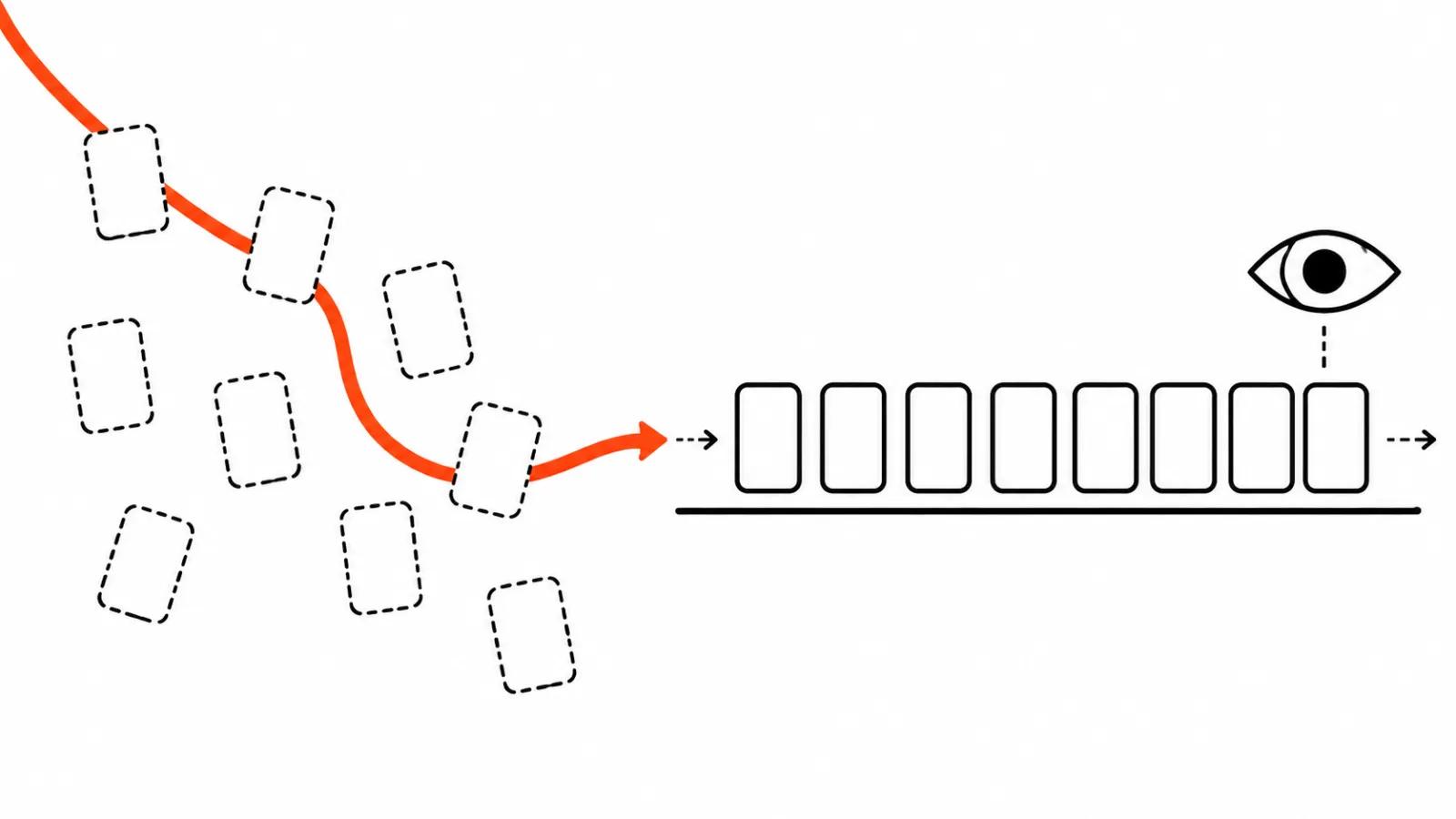
On November 6 Deadline published a piece by Jesse Whittock: the tool is called Series, selected creators collect vertical Reels into a series, episodes run in order, and viewers watch them on Facebook and Instagram. According to Deadline the test starts November 16 in some countries. Meta is not commenting on specific projects before launch.
Gaps outnumber the details. The list of countries is not named. The criteria for picking creators are not named. Monetization is unknown: whether the platform pays for views, shares ad revenue, or the series leans on a sponsor. Meta has not published the monetization rules, and that is the main open point for anyone calculating the economics of such a series.
Vertical drama: what the feed changes
The economics of a vertical series used to be app economics. A viewer installs the program, the first episodes come free, then coins or a subscription, and the decision on the next season is made from the number of people who reached the paywall. The China short drama market grew on exactly this scheme, and we have a separate breakdown of that market with volume numbers.
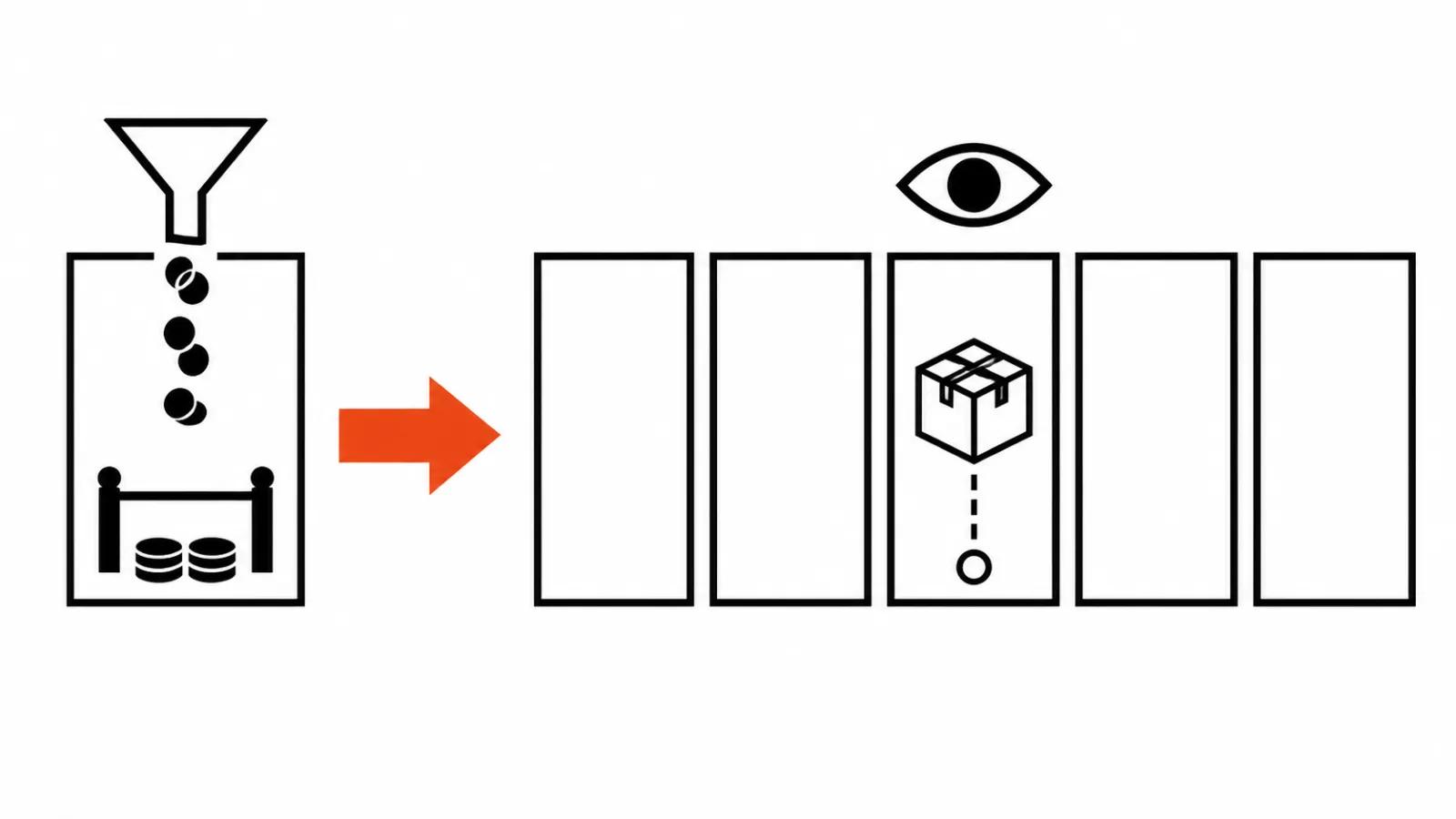
Series moves the accents. The show lands in a free feed where the audience already exists, and the viewer is not the one paying. From there a simple link does the work: the story has to hold a person for twenty episodes, and the product has to sit inside the hero's task, otherwise the sponsor has nothing to show. For the format this means a shift from subscription money to brand money.
Christmas at Maple Hollow Inn: 20 episodes and 38 minutes
The first notable series in Series is described by Deadline. Christmas at Maple Hollow Inn was made by Pixie USA, Jonas Barnes' company. Twenty episodes, 38 minutes of total runtime, shot in Marietta, Georgia, directed by Blake Studwell, produced by Michael Sokol, starring Analisa Southworth Wall and Thomas King. Premiere on November 14. Beyond Facebook and Instagram the series runs on YouTube and TikTok.
It was made together with the food brand Bob Evans. The brand's holiday dishes sit inside the plot: the heroine saves a family inn and has to feed picky investors, and mashed potatoes and mac and cheese end up at the centre of the resolution. For Bob Evans this is the first scripted holiday project. Pixie USA previously made The Golden Pear Affair microdrama for Procter & Gamble.
One detail matters in that deal: the product does not arrive as an ad break. It is part of the hero's task, and without it the final scene does not assemble. That is how a sponsor gets screen time nobody paid for separately.
Google bought 1.43 percent of Rigi
On November 14 Indian Television, citing documents seen by Entrackr, reported that Google International bought 1,543 preference shares of Rigi at 61,796 rupees each. That is about 9.54 crore rupees, roughly 95 million rupees, and 1.43 percent of the company. The valuation after the deal is around 670 crore rupees.
Rigi is an Indian short drama app, free for the viewer. The money comes from ads and in-app purchases, and it has more than 10 million downloads on Google Play. The deal is small by Google's standards and telling in substance: the company is buying a stake in a free catalogue of short series where the viewer pays nothing at the door.
The two events, Meta and Google, point the same way. The short series is moving out of paid apps into free feeds, and the money arrives from brands and advertising. Who exactly pays the creator in Series is something Meta has not said yet.
What this means for a brand that orders a series
Three requirements follow from the facts, and none of them is about the budget.
One hero for the whole run. In Maple Hollow everything rests on a single heroine and her inn, and the product enters her task.
Episode order. Series puts the clips into a sequence, so each episode ends on an entry point into the next one, and the cliff works as a hook for tomorrow night.
The product in the resolution. A brand needs a place in the solution of the hero's task. A mention inside the frame does no such work.
A series needs a script for the whole arc up front, otherwise shooting an episode a week eats the budget in change requests. Vertical video ads work the other way: a set of versions of one offer, where each version lives its own life and stands alone. When the job is to ship many clips for many audiences, short-form video at scale is the direction. When you need one story with a continuation, the logic is closer to a mini series.
Where the model fits in this story
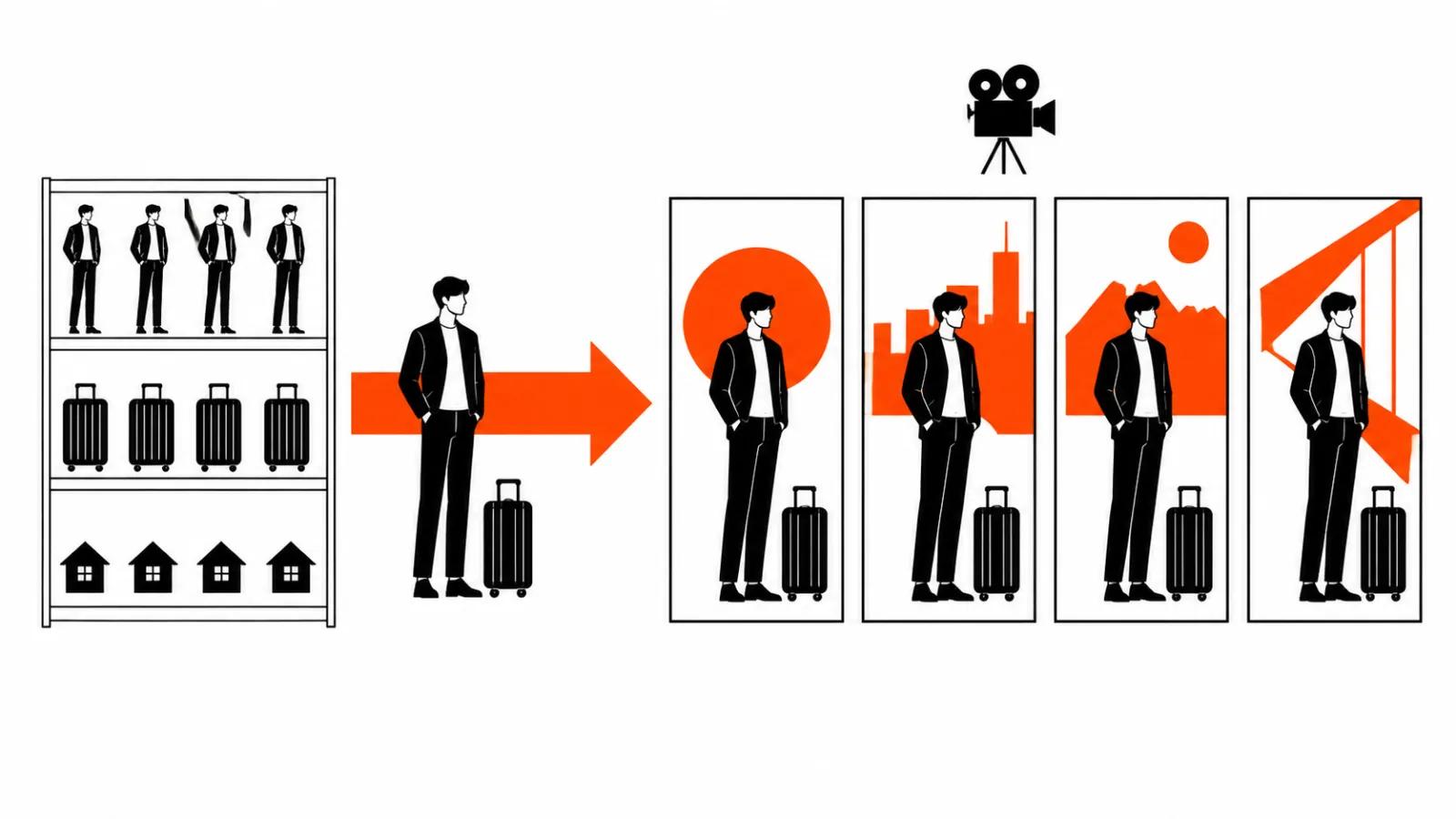
The requirement of one hero and one product inside the plot explains why AI series stumble on the third episode. A model holds the frame and does not hold the character's face between episodes, unless it was given a fixed set of descriptions. That is why pipelines grow a story bible: character, locations and props are described once, and every shot after that is assembled from those descriptions. The open Pine Drama Studio works this way, and we have a breakdown of that studio with the order of steps.
The practical takeaway for a client is simple. A series in the feed tests a hypothesis cheaper than an app: you can build the episode with AI video production, post it in Reels and see whether people reach the end of the arc. Live action keeps faces and performance on its side, while the first test of a story on an audience is cheaper to run with generation.
My take
The interesting part is where these clips land, and the tool itself is modest: clipping clips into order. For the first time a vertical series does not have to drag the viewer into a separate app, it sits in a feed the viewer is already scrolling.
My scepticism is one point. While nobody knows how Meta splits the money and how it counts views, the whole economics of a series rests on a sponsor, and a sponsor shows up for a clear metric. If the platform gives the creator no reporting on completion rates, the brand will look at the reach of episode one and walk away.
What I would do as a brand this season: a short arc of five to seven episodes, one hero, the product in the finale, and posting on Facebook and Instagram plus YouTube and TikTok, the way Maple Hollow did it. If the test holds completion rates, you can stretch to twenty episodes and bring a brand partner onto the whole arc.