Why ads went episodic
Higgsfield showed Micro Drama Ads on 6 November as a feature inside Ads Studio. Ads Studio itself launched in October 2026 for static ads, and now a still image has grown into a story on video. The formula is short: a hero, something going wrong, the product turning the scene around, and often a rival standing in the frame. General rules for this kind of work do not change with the tool, which is why our earlier guide on AI video ads still applies: start with a brief, end with signed-off versions.
What changed is the volume. A vertical spot used to rest on a single trick, the product in hand, a caption, fast cuts. Now the service offers a thirty second micro story where the product carries a role in the plot. For goods with a visible problem that reads stronger than a straight demo.
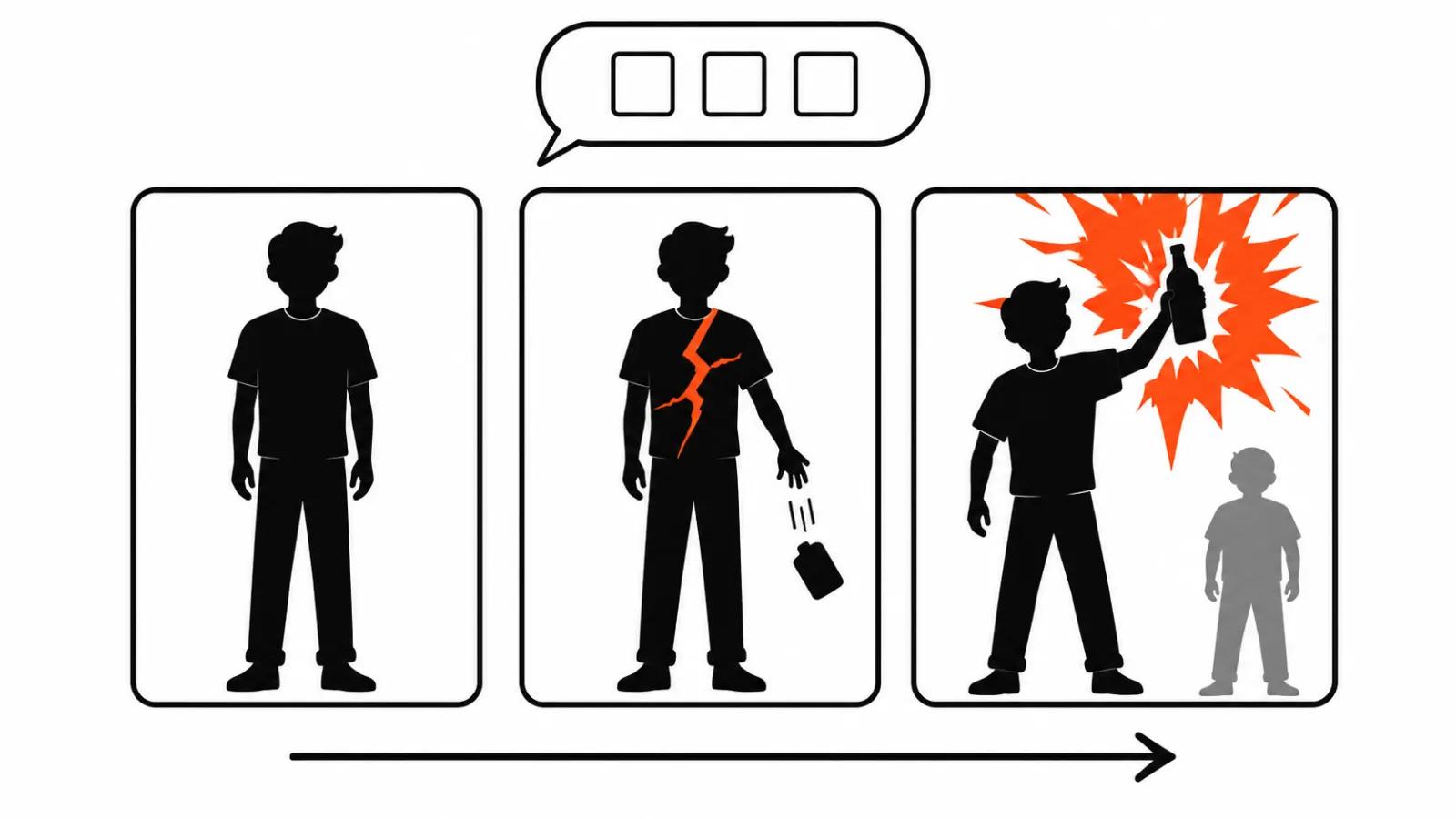
The formula: a hero, a mishap, a product
Three beats, and they explain why these spots hold attention to the end.
Beat one is the hero. A person on screen from the first frame, with a readable role and readable clothes. The viewer decides within two seconds whether this is a story or an ad break.
Beat two is the mishap. Something breaks, stains, fails: a mark on a shirt, a missed meeting, a flat tyre. The mishap has to read without a voiceover, otherwise vertical does not work.
Beat three is the product. It arrives when the hero is in trouble and changes the outcome. A rival strengthens the stakes: same problem, no fix.
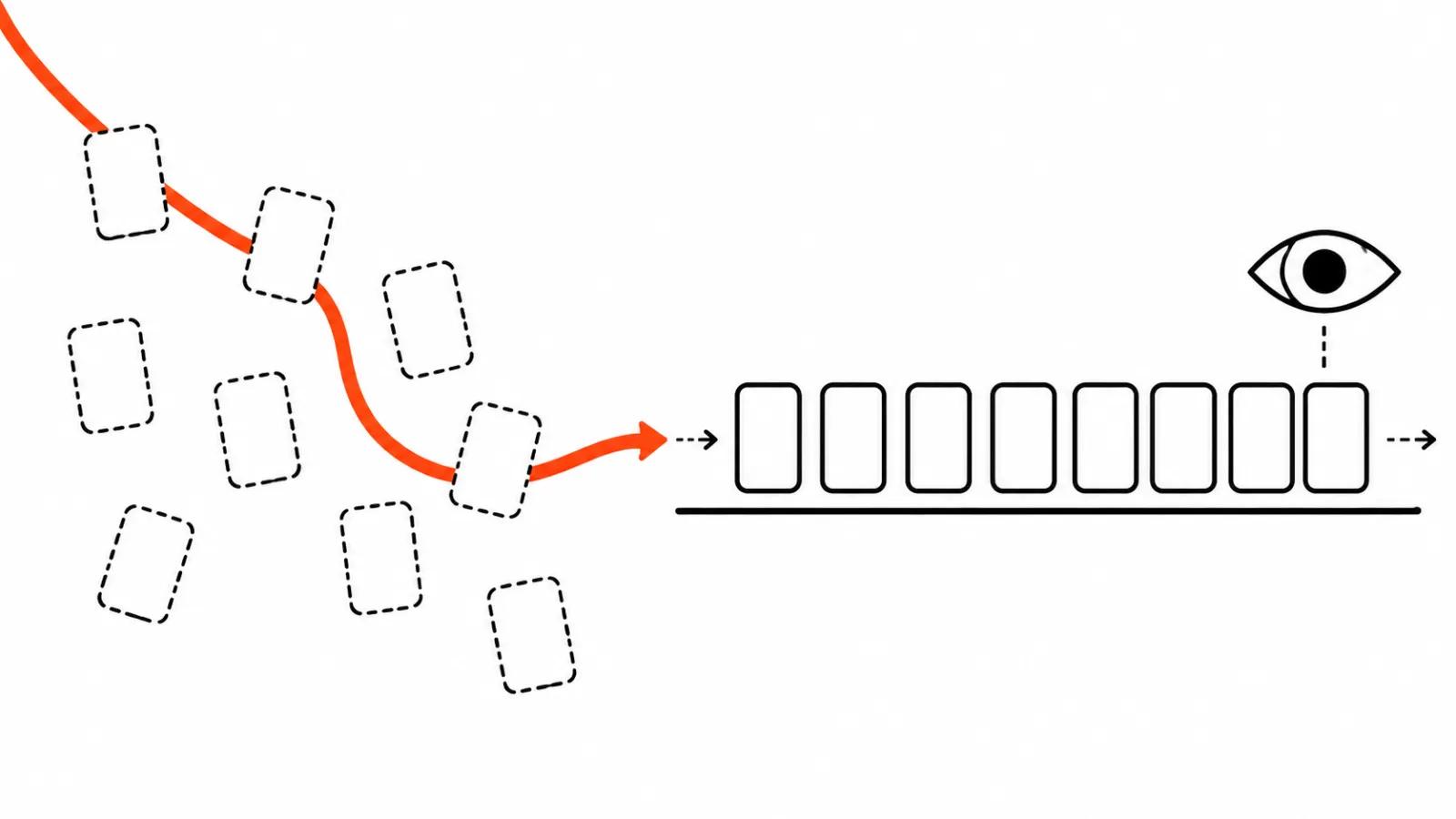
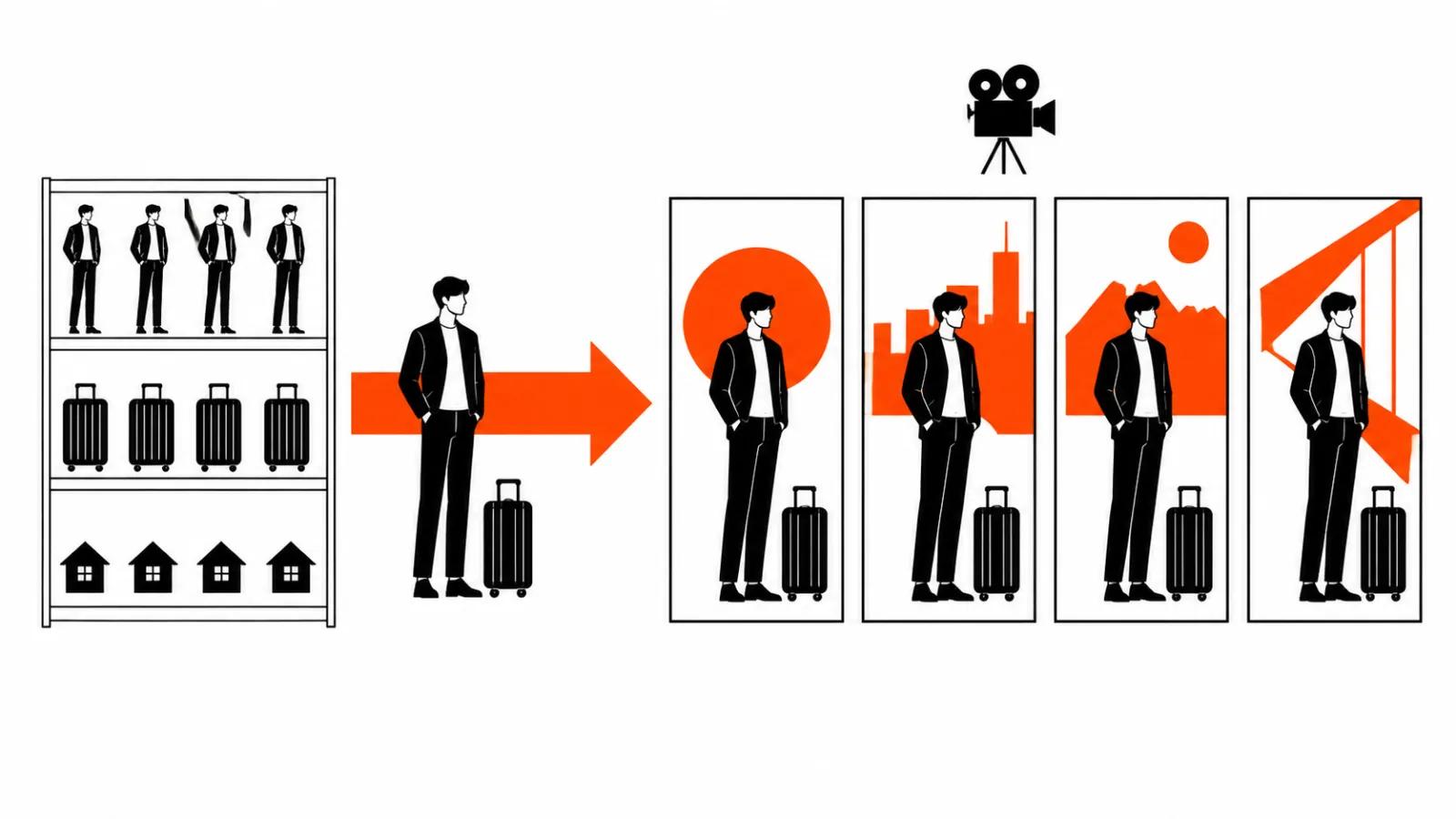
After that the agent repeats the story with other products. That is how a version set appears: one plot, several goods, the same person on camera.
How to create an ad with the agent
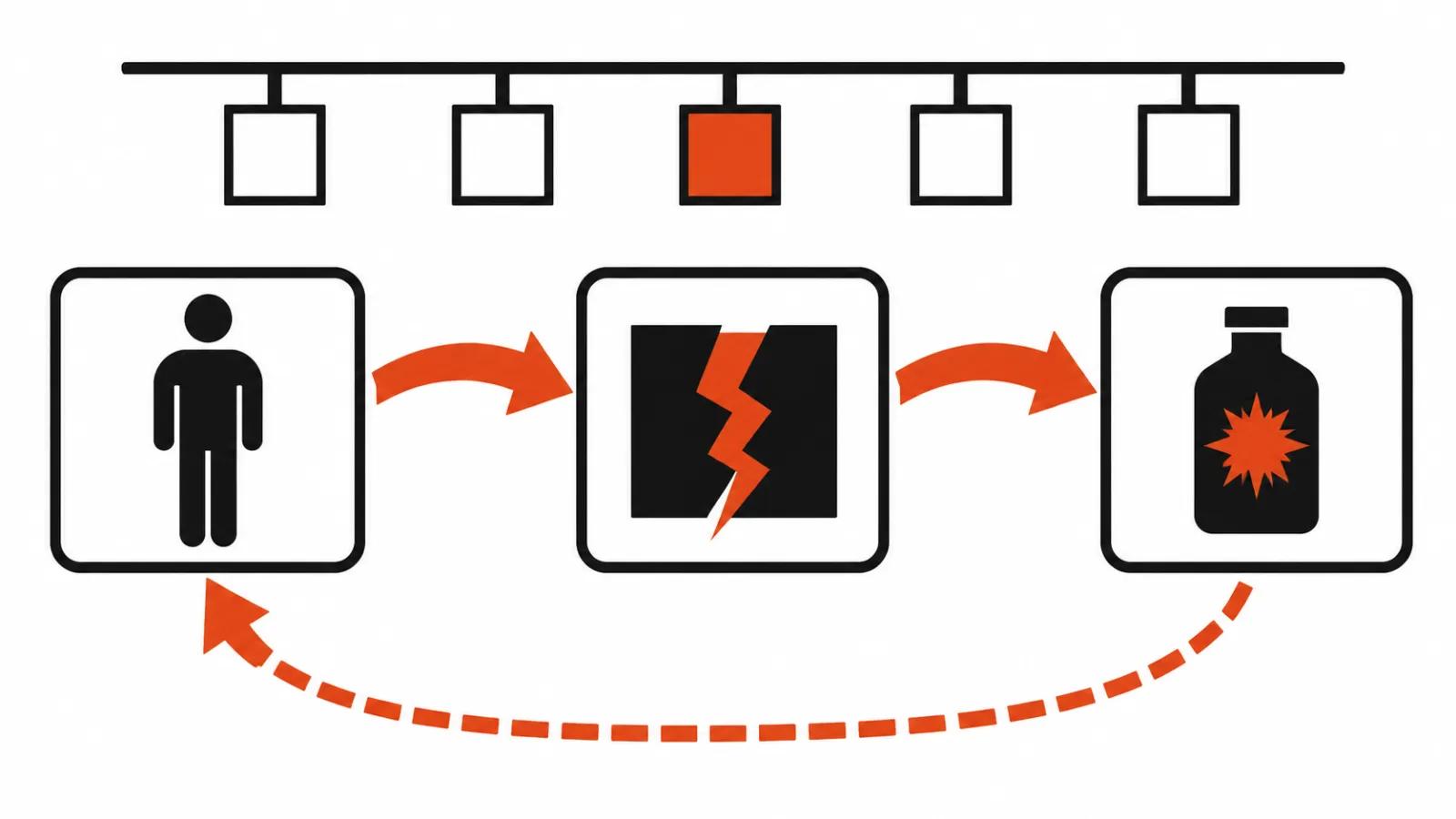
The order is short.
First, open Tools, then Brands, and paste your site address. The brand kit and the product list load from there.
Second, describe the spot in words or paste a script. Quality is decided here: the more concrete the mishap and the location, the fewer renders you throw away.
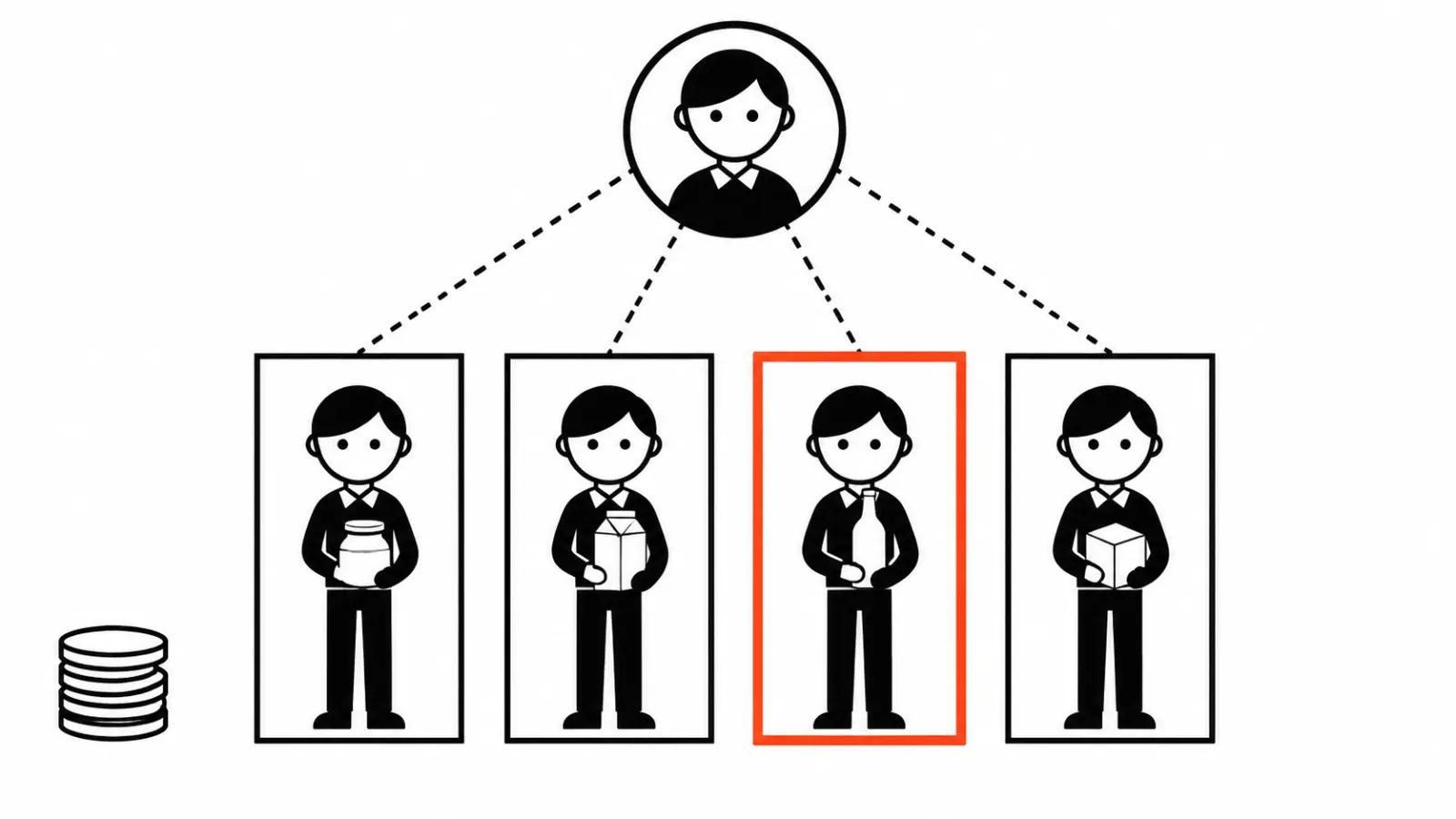
Third, pick a style card, a product from the brand kit and an avatar. The avatar matters most, since one face holds the set together. Swap the face and the versions look like spots from different brands.
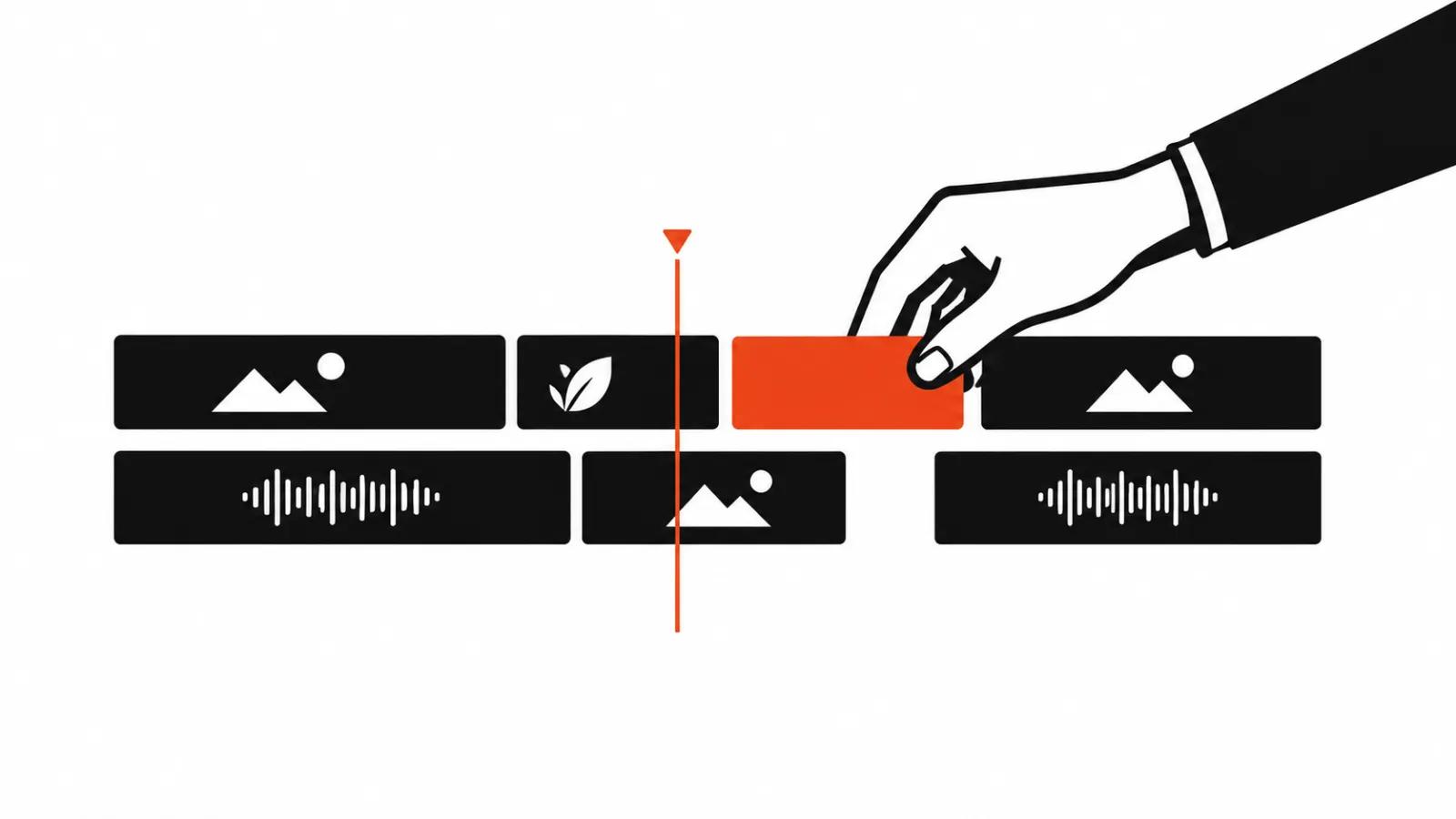
Fourth, ask for changes in the same chat. Darker light, a different exit from the car, one more shot of the pack. The agent returns a new version and keeps the old ones in the project.
Fifth, split campaigns into projects, one chat per campaign. With ten spots or more that saves real time.
A first ad in this chat takes one conversation, and the brief still matters. Leave the prompt empty and the agent fills it with its own clichés: an office, a smile, sunlight.
Eight styles, 44 cards
Eight styles, each with its own library of ready plots.
Micro drama is live action with 18 cards, the main mode for goods and services with an everyday plot.
Cartoon story is 3D animation with 7 cards, a fit for kids' products and anything awkward to shoot with people.
Cinematic story has 3 cards with a film camera look. Claymation story has 4 cards with a plasticine texture.
Talking object puts the product itself on screen, 3 cards. It works for packaging, hardware, jars and bottles.
Inside the body has 3 cards shot from inside the organism, which suits supplements, sports nutrition and clinics.
Doll story has 3 cards with dolls, Crochet story has 3 cards with knitted characters.
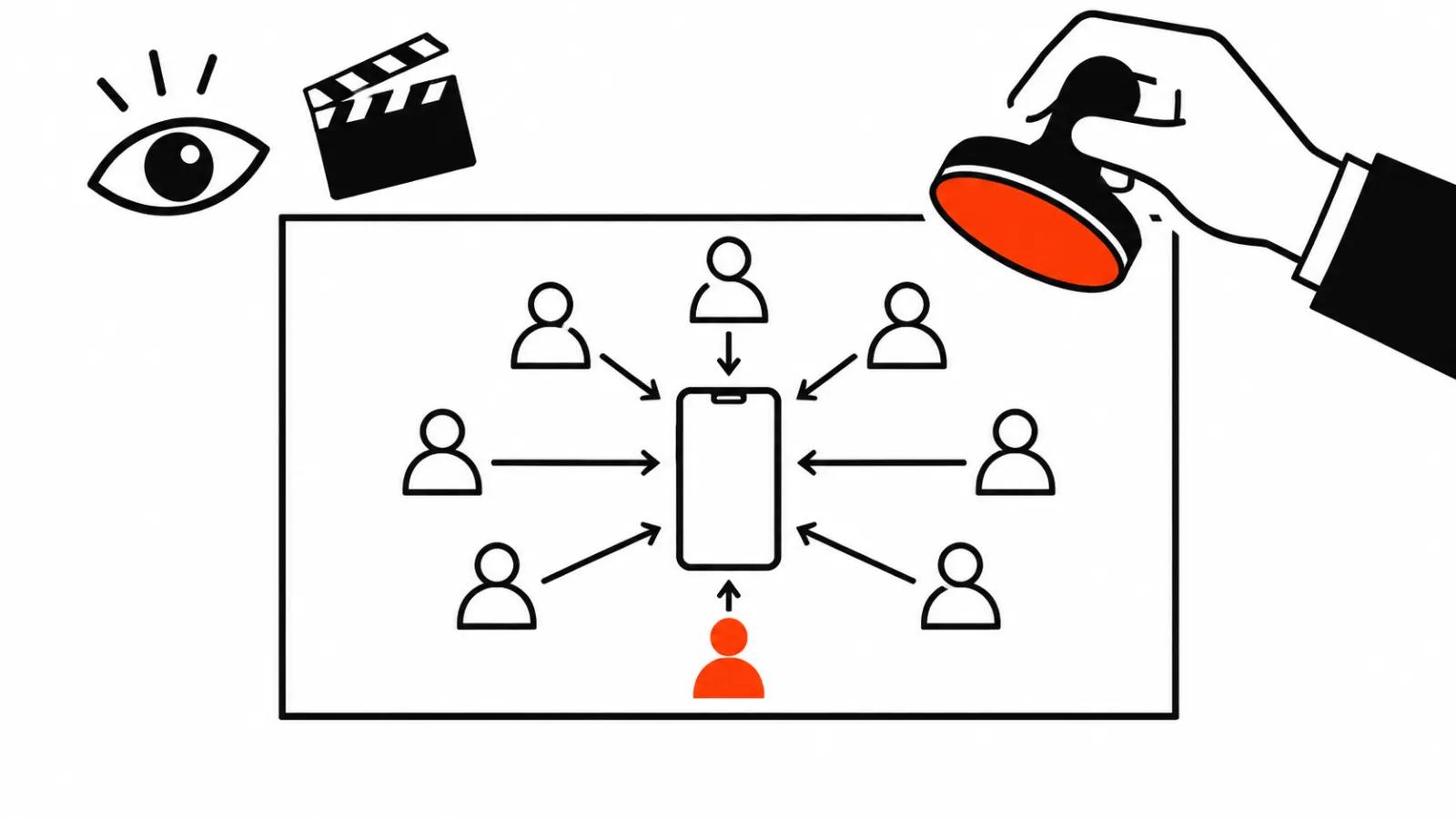
That is 44 cards in total. The Recreate button takes a plot you like and reruns it with your product, so a competitor's hit becomes a reference in one click.
Cards ship vertical at 9:16. Through Claude or ChatGPT the /microdrama-ads command in the Higgsfield MCP defaults to 9:16 and offers 16:9, 1:1, 4:3, 3:4 and 21:9 on request, at 480p, 720p or 1080p, with subtitles only when asked. There is no cap on clip length.
What a minute of video costs
Billing runs on credits per second: 3 at 480p, 7 at 720p, 16 at 1080p. A pack of 1000 credits costs $49.
A minute of finished footage lands around $8.82 at 480p, $20.58 at 720p and $47.04 at 1080p. Count in seconds: a thirty second spot at 720p is 210 credits, roughly $4.30.
Character and location stills, voice and music add on top. In the web app credits are also charged for agent requests when a paid model is selected; the Auto mode is free. Failed renders usually return their credits. Higgsfield checked these prices on 6 November, and they can move.
For scale, a minute at 1080p costs about $47, while our handcrafted videos start at $190 and every frame gets a manual check. Two different products, and a quote should never blur them.
The switch I change before the first render
The default is Generate without asking. The agent decides what to render next and spends credits on every idea of its own. Across a long campaign that adds up: ten extra versions at 1080p eat a whole pack.
I set Ask before generating. Every run gets a confirmation, which means I see what the credits went on and never find a surprise in the invoice.
Two more things worth locking before the start: a fixed avatar and a filled brand kit. Then a new version does not drag in a new character type or off-brand colours.
And keep one campaign inside one project. Credits are pooled and so is the request history, so a week later nobody can tell where the bill came from without it.
What the agent leaves to a person
The agent builds the draft, and that is its strength. The plot for a specific niche, the lines, the casting by type and the final assembly stay with a person.
In practice the agent returns three versions in an hour, a person picks one and finishes it. For a volume run that is a solid base, especially when twenty variants are needed for different audiences. Our vertical ads work exactly like this: drafts in batches, then selection and a manual pass.
When the volume has to follow a schedule, AI video production on repeatable templates is cheaper to run. When the frame needs full control, handcrafted work is the answer, and a person owns every frame there.
My take
The problem, product, resolution structure worked in vertical advertising long before Higgsfield. The news is that the draft of such a spot is now assembled by an agent, in minutes.
Whether it pays depends on volume. One brand story is easier to shoot properly. A set of ten versions across products and audiences is where Micro Drama Ads saves days. My settings: Ask before generating, one avatar, one project per campaign.
The real risk sits in the credit bill. That is why the confirmation switch goes on first.