Micro Drama Ads: a story-shaped ad inside Ads Studio
On November 6 Higgsfield added a Micro Drama Ads mode to Ads Studio. The blog describes the shape plainly: a character, a problem, and the product as the turn in the plot. An agent in the chat builds the spot from a product description or a finished script. Inside sit 8 styles and 44 ready-made story cards, 18 of them in the Micro drama style, all vertical 9:16.
Billing runs on seconds: 3 credits a second at 480p, 7 at 720p, 16 at 1080p. On the 1000 credit pack a minute at 1080p comes to about $47. The same job runs from Claude or ChatGPT through the /microdrama-ads command over MCP.
Why this matters: ads picked up ready-made drama inside an interface that used to hold a clip generator. A story with three turns now comes out of one conversation, and the entry point drops to a product description.
Core Studio: 24 agents standing in for a crew
On November 7 at Taiwan Creative Content Fest in Taipei, imCore Corp. opened Core Studio. It is an AI film production platform that carries a project from script to colour grade, with more than 24 specialised agents splitting the work. The company calls them a virtual crew.
Story Atlas breaks a script into scenes, shots and a storyboard. Then Real Engine takes over with three blocks: Real Video, Real HDR expanding 8 bit to 16 bit, and Real Revive. Every generated result keeps a log of models, prompts, parameters, cost and the outcome of a human check.
Why this matters: a log per shot turns AI production into an auditable process. Once it is visible which model produced the bad take and what it cost, a conversation with a client about quality moves from taste to numbers.
Wizshot 1.0: up to 9 references per generation
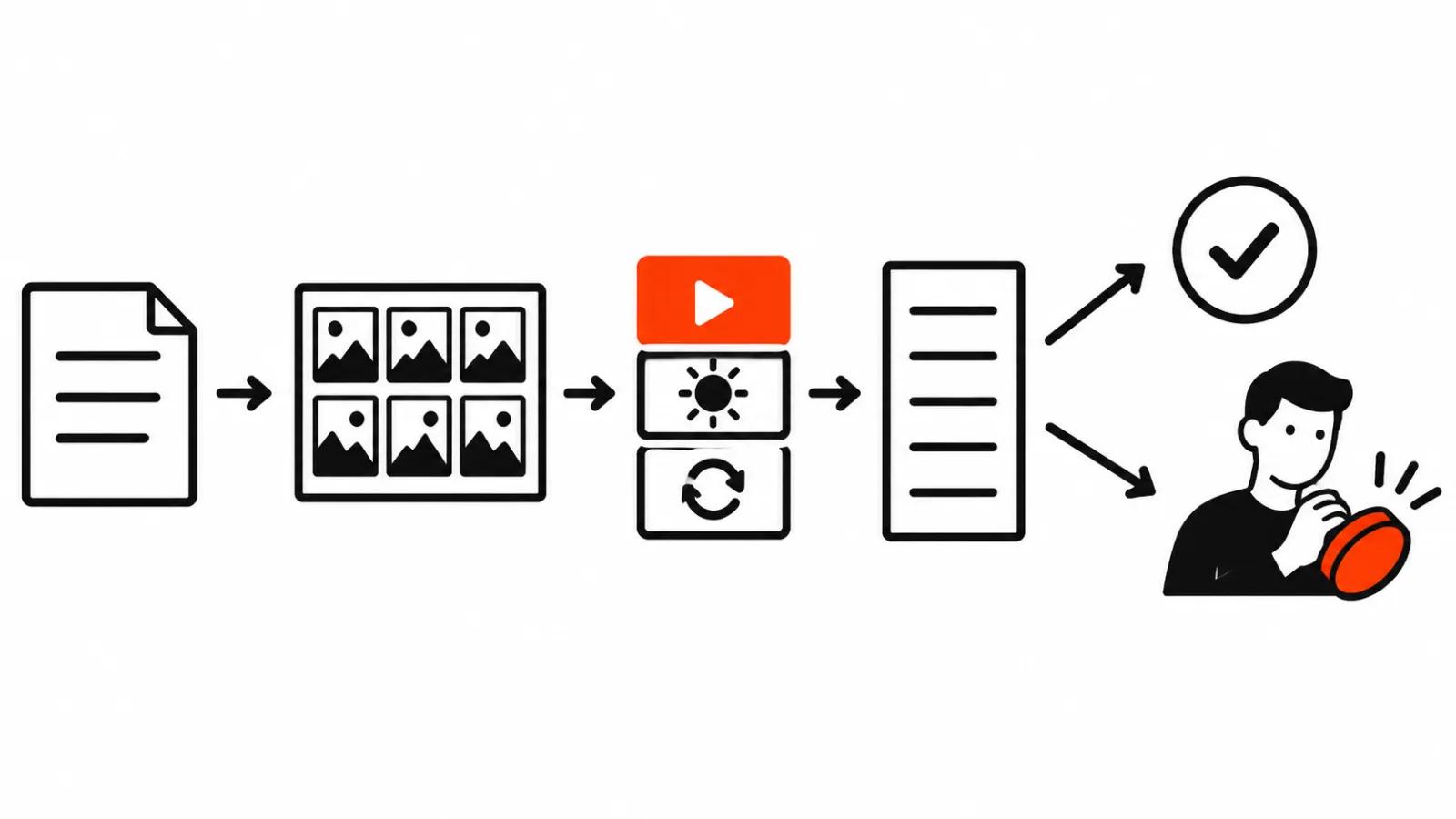
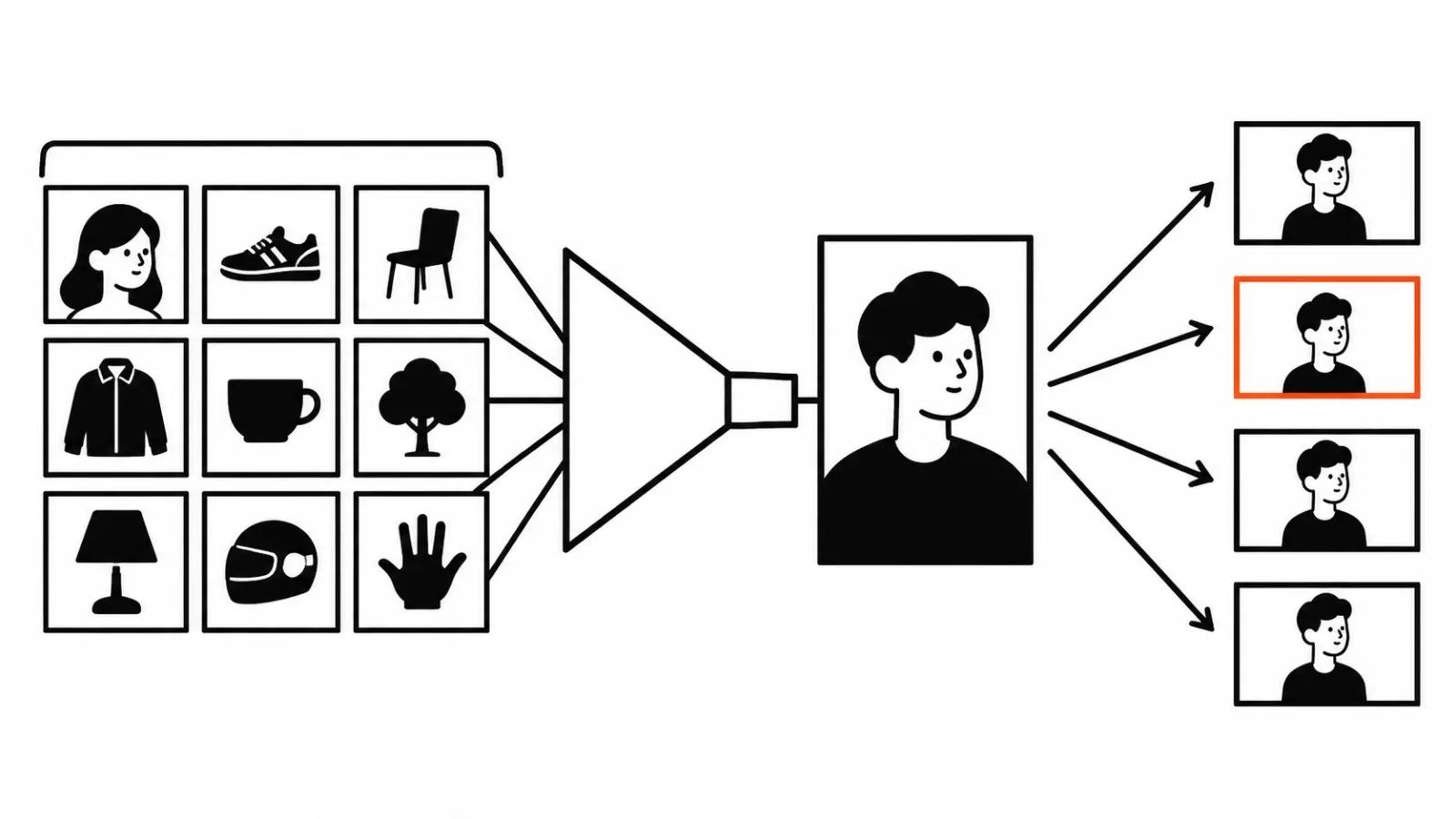
On November 6 Wizstar announced Wizshot 1.0 through PR Newswire, its first reference-to-video model. It takes up to 9 reference images, renders 720p in landscape and in portrait, runs 5 to 15 seconds long, and returns up to 4 videos per generation. Pricing is 5 credits a second.
The company claims it costs 72% less than Seedance 2.0 and that quality is comparable to Wan 3.0 and MiniMax H3. No independent measurements existed as of November 6, so the 72% figure stays a vendor promise.
Why this matters: nine references cover a character, a product and a look in one request. For a series of vertical versions that means less manual swapping between shots, though face consistency still needs a check.
Ads Engine: a native speaker checks the dub
On November 6 ElevenLabs described in its blog how the human check works inside Ads Engine, part of ElevenCreative. Dubbing v2 produces the voice track and keeps emotion, timing and timbre, then a native speaker watches the result. Linguists and localisers from ElevenProductions sit in the loop together with creatives from ElevenLabs.
Why this matters: machine dubbing has sounded smooth for a while and still fails on intonation and local idiom. A human in the loop removes that class of error, and a foreign-language cut of an ad gains a clear acceptance gate.
AI video news: four releases in one day
One line for context: on November 6 Luma published a comparison of clip length in a single pass across 10 models, with Seedance 2.5, Wan 3.0 and Kling 4.0 holding 30 seconds. The details live in a separate piece from this issue.
What the four stories share is one shift: an agent stopped being a button labelled make video. Higgsfield hands it the plot of an ad, imCore hands over the whole pipeline with logs, Wizstar hands over references, ElevenLabs keeps the last word with a person. The draft gets cheaper and acceptance gets more expensive, and those are two different lines in a budget.
What to test on your own scenes
One: build a single 15 second micro drama at 1080p and count what a run of five versions costs. Agents love offering options, and the bill grows on the search.
Two: push your own script through Story Atlas and see whether it splits on meaning. Splitting on paragraphs gives even shots and a dull cut.
Three: feed Wizshot 9 references and check whether the character keeps the same jacket and hair between shots. That is the first thing to fall apart in a series.
Four: listen to a dub with the reviewer and without. The difference shows up in the intonation of a question, with the same words on both tracks.
AI video news: how this lands in client work
For advertising the micro drama shape is handy. Our vertical video ads ship as a set of versions, and a plot with a turn holds attention for the first seconds, while a viewer decides whether to scroll on.
A short piece with a person in frame is easier on a normal pipeline. Our handcrafted videos from $190 come with light, expression and cut checked before delivery. AI video production running in batches lives on a different sum, up to $2.40 per 1000 views, where the price of a second decides the quote and one story does not.
One more habit: compare a day with the one before it. The November 6 roundup covered Characters on four H100s, Gemini Omni 1.2 Flash and a voice in Muse. The top of the table moves inside a day, so price and a human check are steadier references right now than a place in a ranking.