Runway Characters: 24 frames a second on four H100s
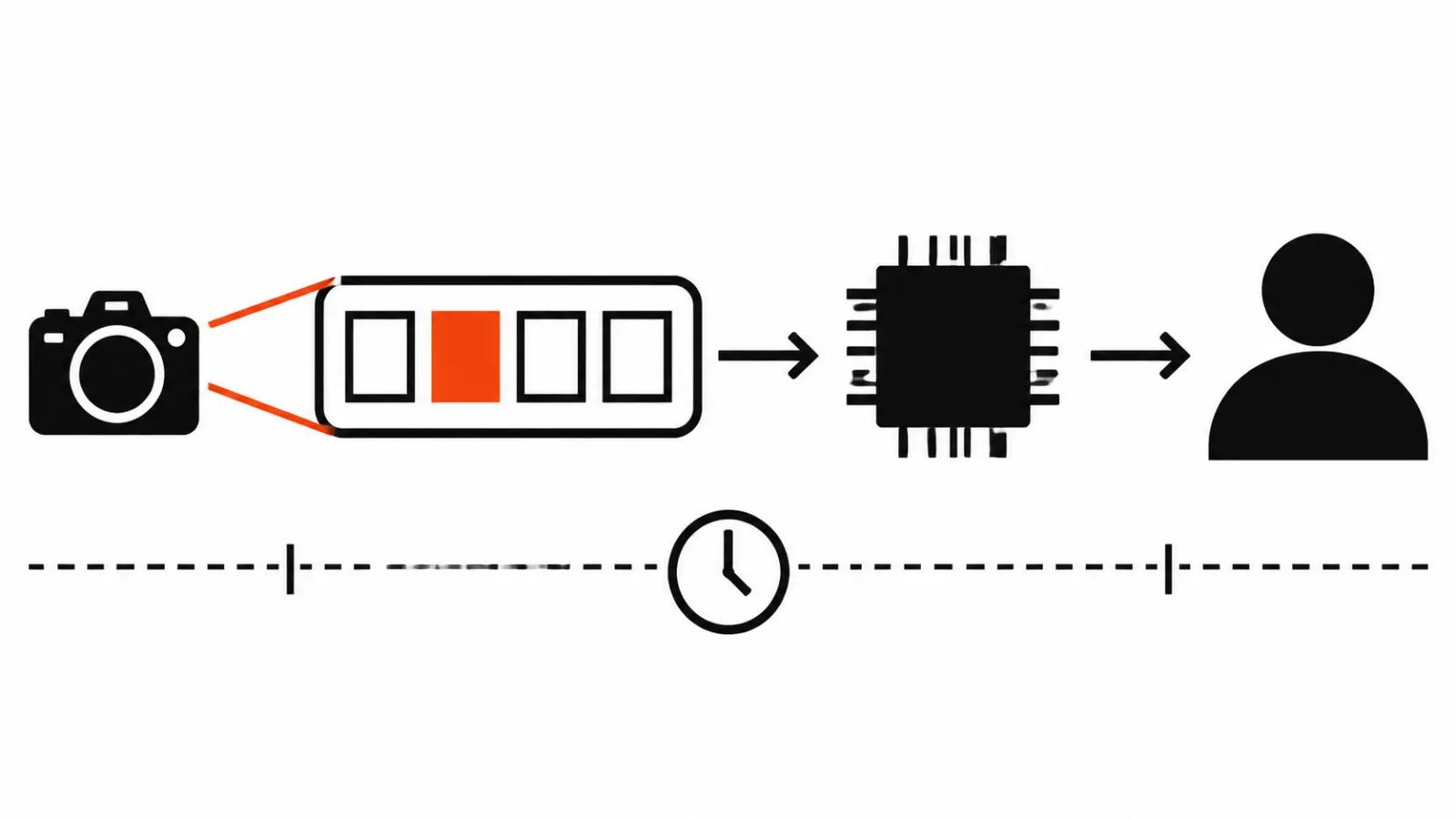
On November 5 Runway Research published Real-Time Video at Batch Size One, alongside technical report arXiv 2611.05642. The subject is Characters, an autoregressive video model of roughly 57 billion parameters. It delivers a 704×1088 frame at 24 fps in chunks of four frames every 166.7 ms. Batch size one in the title means one session per one person.
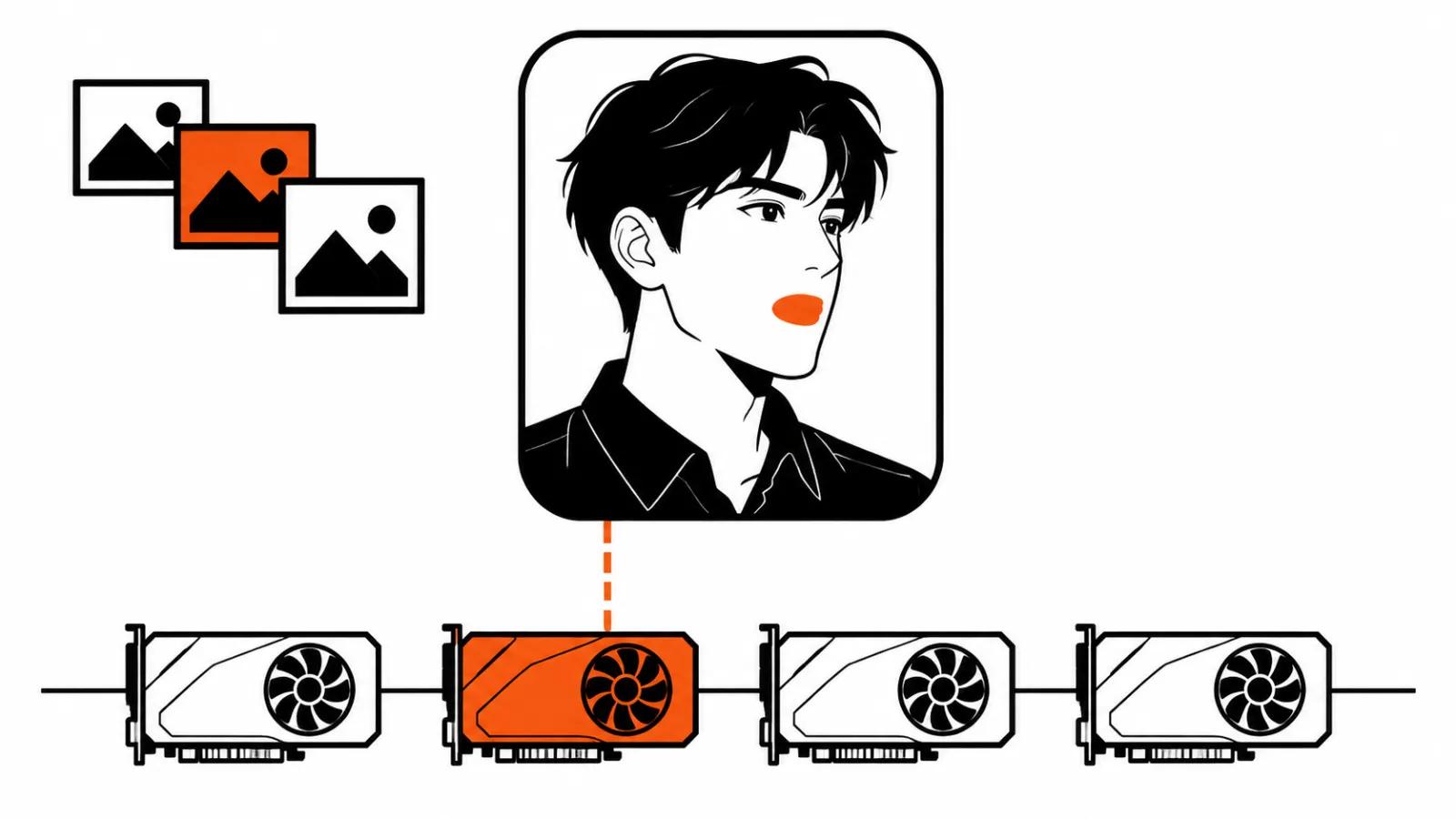
The numbers matter to anyone counting GPUs. By default a session takes 8×H100. On four H100s the baseline step cost 240.9 ms, and after optimisation 159.3 ms, a speedup of 1.51 times and 24.5 fps. With a fused kernel the step drops to 147.4 ms, 1.63 times faster. Cache upkeep went from 69.7 ms down to 6.2 ms.
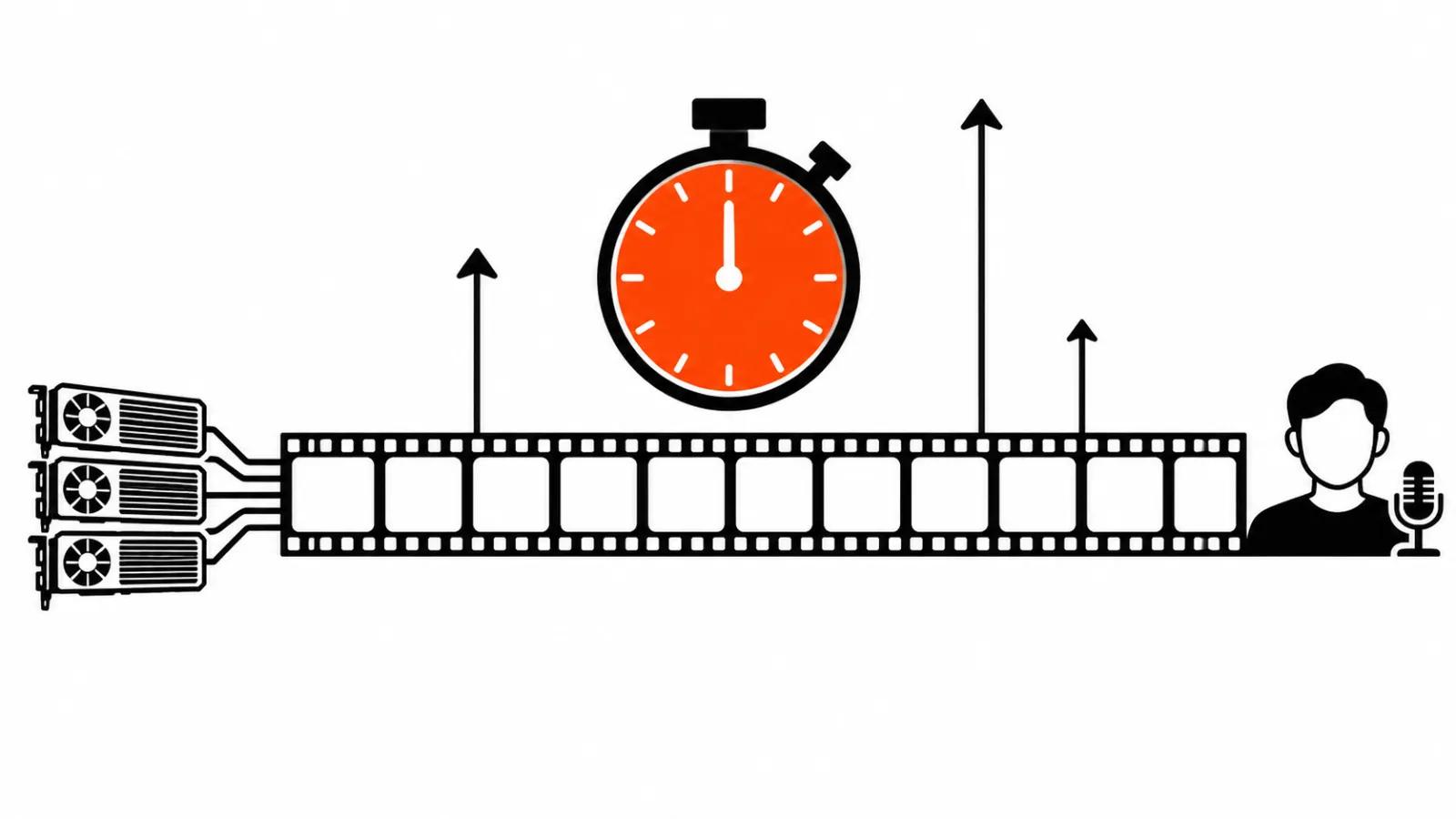
Seven weeks of telemetry: in 99.5% of sessions at least one second ran above 23.5 fps. The median conversational turn runs 2.13 s, and inside it the voice agent takes 1.42 s while the video pipeline takes 0.49 s. The sources are the Runway Research post of November 5 and arXiv 2611.05642.
Why this matters: a conversation with an avatar runs into frame delivery latency. At a 147 ms step the character answers at the pace of a live person, and the format suits dialogue work and a recorded piece alike.
Gemini Omni 1.2 Flash: 15 second clips and 30% off
On November 5 Google DeepMind moved Gemini Omni 1.2 Flash to general availability on the Gemini API and Google Cloud. The model id is gemini-omni-1.2-flash. Clip length grew from 10 to 15 seconds, and duration is set from 3 to 15 s in one second steps.
The price sits 30% below version 1.1, around $0.07 a second at 720p. Billing runs on video tokens: a million tokens costs about $12, and a second of 720p is roughly 5792 of them. A 15 second clip costs around $1.05.
Four details come with the length and the price. Editing inside a conversation, multi-turn editing. References hold better than in 1.1. Audio is native and every frame carries a SynthID watermark. A draft can render at 360p or 720p and be upscaled to 1080p or 4K. Audio references are open on an allowlist basis.
Why this matters: 15 seconds fills a vertical slot end to end, and $1.05 a take turns a wide search through options into routine. Ten versions of one scene cost $10.50, and the pick happens on the timeline.
AI video news: Muse picks up a voice and an avatar
On November 5 Meta added two modes to the Muse app in the US: Muse Realtime Voice and Muse Realtime Avatar. A call starts from the phone icon and runs on mobile, on the web and on Mac. There are three layouts: voice only, avatar beside the interface, and fullscreen. The voice library runs to hundreds of options. AI Glasses and Muse Charm are promised next.
One caveat matters for a quote: Muse is a consumer agent inside a chat app. There is no ad spot generator in it, and it will not stand in for a production pipeline.
On the same day a note appeared on the Pika pricing page about free Pika H3 Flex generations every day for the Creator and Fancy plans, and Design Radar reported on November 6 that it means 15 free a day through November 15. The main pricing page carries no end date, so the deadline is worth checking inside an account.
Why this matters: a voice agent with a face makes talking to software ordinary, and viewers will start expecting a character to answer back. For now this is a chat story and has little to do with shooting an ad.
Three speeds in one day
Three different kinds of real time landed inside a day. Runway showed serving: one session, 24 fps, four cards in place of eight. Google put more time on the clock and took 30% off the price. Meta made a conversation with an avatar an everyday thing. One word links them, and the jobs differ.
The first two matter for production. The first says a dialogue avatar has left demo territory and holds conversational pace on cheaper hardware. The second changes the arithmetic of a draft: 15 seconds for $1.05 means more versions and a later pick. Muse belongs to chat for now and does not enter a production budget.
What to test on your own scenes
One: take a scene with a person talking and run it through Gemini Omni 1.2 Flash at 15 seconds, then run the same scene as a 720p draft with an upscale. The gap in cost and in the final frame shows up in an evening.
Two: watch how the model holds a reference on the third and fourth round of edits. Multi-turn editing is convenient, and over a long chain of edits a face and a jacket start to drift.
Three: for dialogue pieces, measure latency on your own script. Runway measured on its own hardware, and a different pipeline can shift that median conversational turn.
How this lands in client work
A short piece with a person in frame stays easier on a proper pipeline: handcrafted videos start from $190 for a finished piece, with a person owning the frame and light, expression and cut checked before delivery.
A stream of vertical shots, where AI video production runs in batches, rests on a different sum, up to $2.40 per 1000 views. The new price per second from Google hits that maths directly: ten versions of a 15 second clip come to about $10.50, which is a visible line in a budget.
AI video ads ship as a series of versions, and a wide search on a cheap model has become normal. For comparison with yesterday, the November 5 roundup covers Kling 4.0 Flash, GIFs from OpenAI and the Luma character sheet. The top of the table moves inside a day, so price is a steadier reference right now than a place in a ranking.