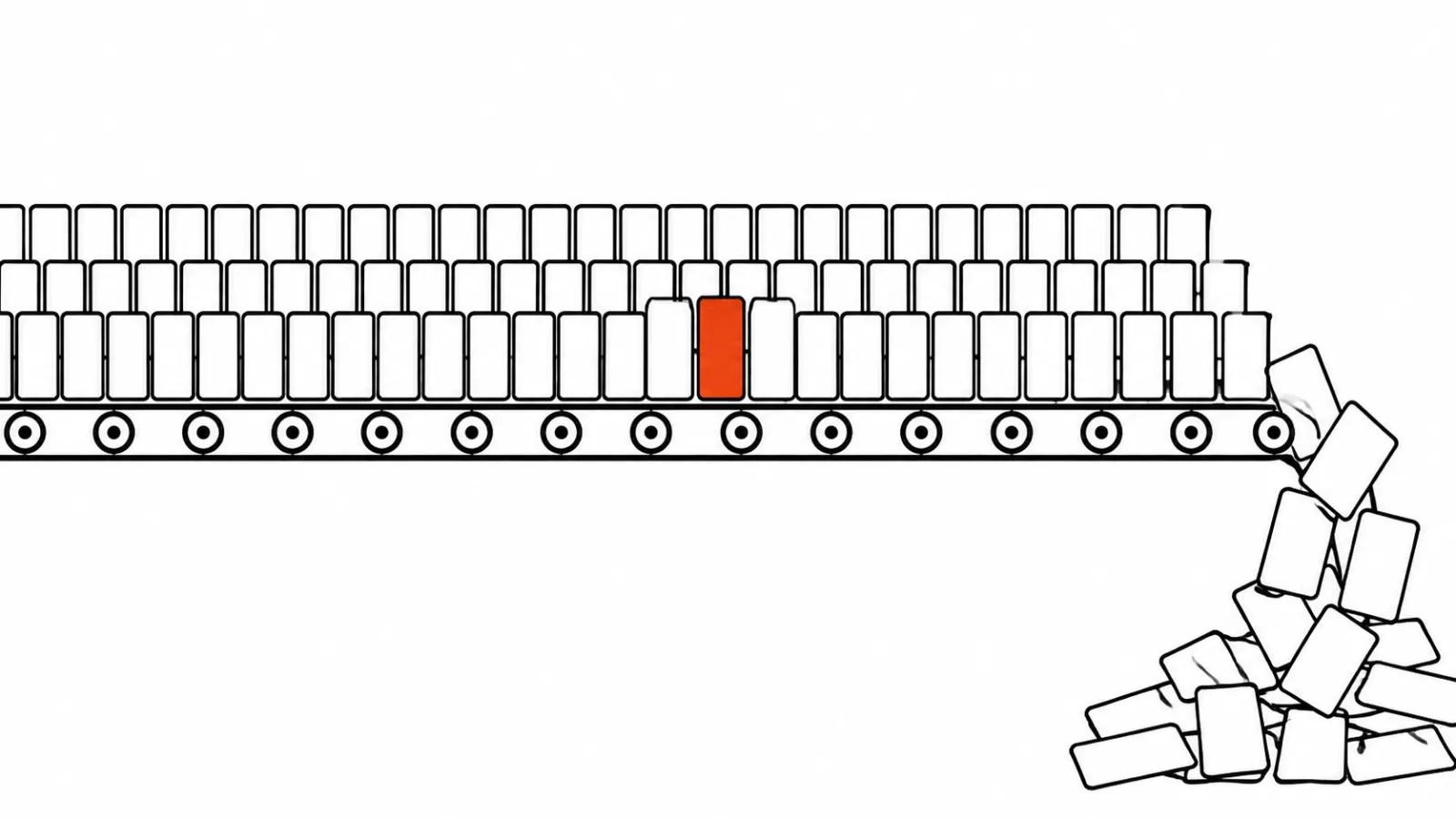
550,000 micro dramas in ten months
The figure came from NRTA head Cao Shumin in early November: about 550,000 micro and short dramas shipped in the first ten months of 2026. That is 17 times the output of the whole of 2025. More than 94% were made with AI. The AI drama audience in China is at least 600 million viewers.
The last number is the one that holds my attention. 600 million viewers means watching vertical episodes on a phone has become a habit. Once the habit exists, supply grows faster than anyone can recalculate the economics behind it.
Six people, a thousand episodes
"Armed into the Song Dynasty" launched on 22 August 2026 and reached ten seasons and 1,000 episodes, each under two minutes. Together they passed 4 billion views. The team is six people, among them a former taxi driver, a courier and a former office worker. The head writer is 54 and started learning AI video in March last year. The team ships up to 100 episodes a week.
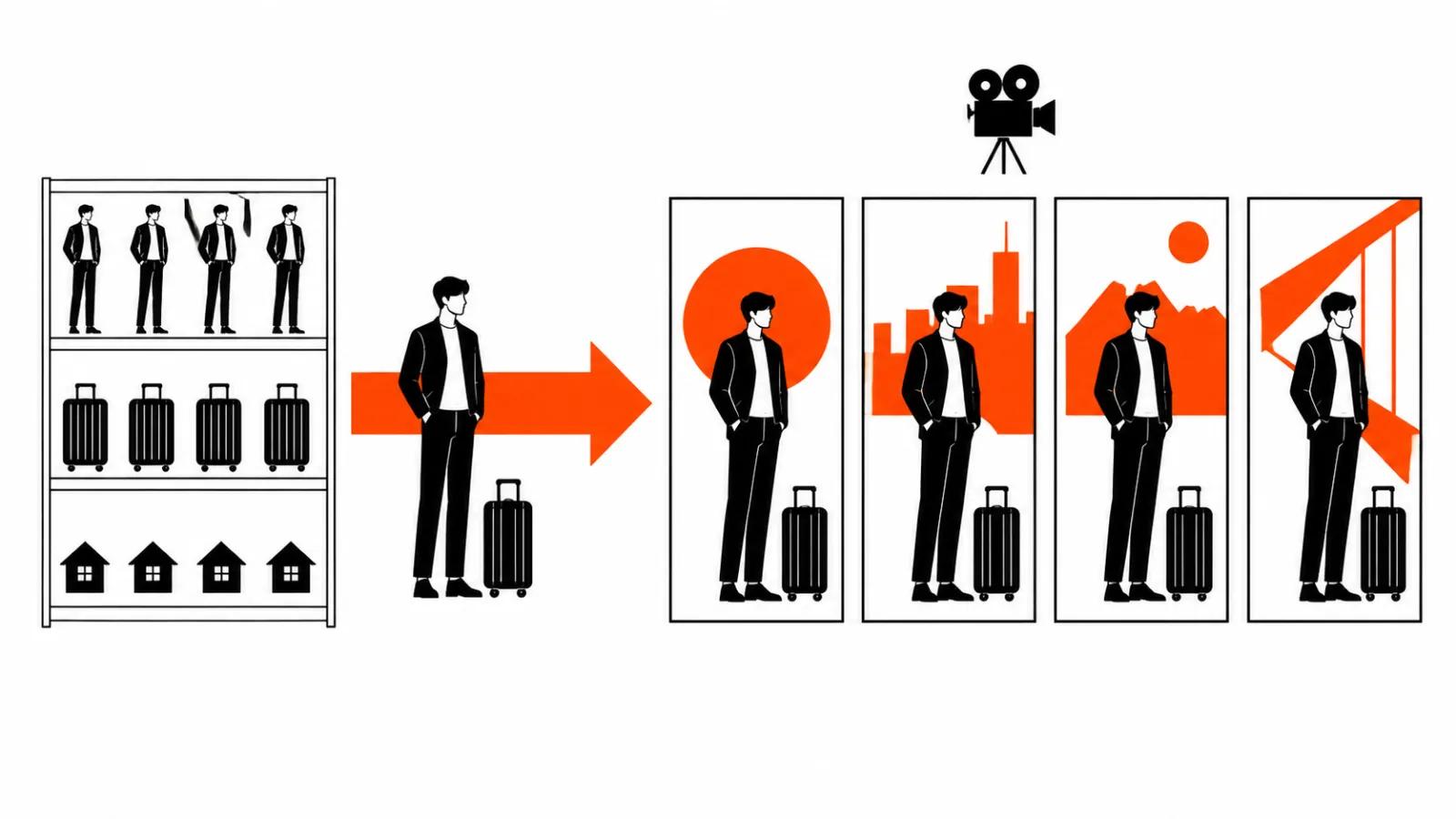
That roster is the real argument in this story. The barrier here is not a film school diploma and not a budget. The barrier is tempo: 100 episodes a week is a pipeline of templates, character references and pre built scene blocks.

Guixu: 200,000 yuan and 100 million views
The science fiction series "Guixu" landed in May 2026 with 100 million views on a budget of about 200,000 yuan. One person made it, with no film school behind him. There are 12 episodes of roughly 8 minutes, and compute ran to about 2,000 yuan per minute of runtime. Comparable live action, by Xinhua's estimate, could have cost up to 100 times more.
In the first quarter of 2026 premium AI dramas cost about 10 times less than the live action equivalent, and 100 episodes could be finished in three days. Production has almost stopped being the bottleneck, and that resets the whole market.
Why 98.7% of AI dramas lose money
DataEye puts the AI drama market above 22bn yuan in the first five months, with a full year forecast of 40bn yuan. Payback starts at 50 million views. Only 1.3% of AI dramas get there. The other 98.7% lose money.
That is the whole story in two sentences. Cheap production and profit are different lines in the report. When an episode takes a day, attention becomes the scarce good, and attention is handed out far more harshly than it was when shooting was expensive. High production cost used to filter the flow. There is no filter now.
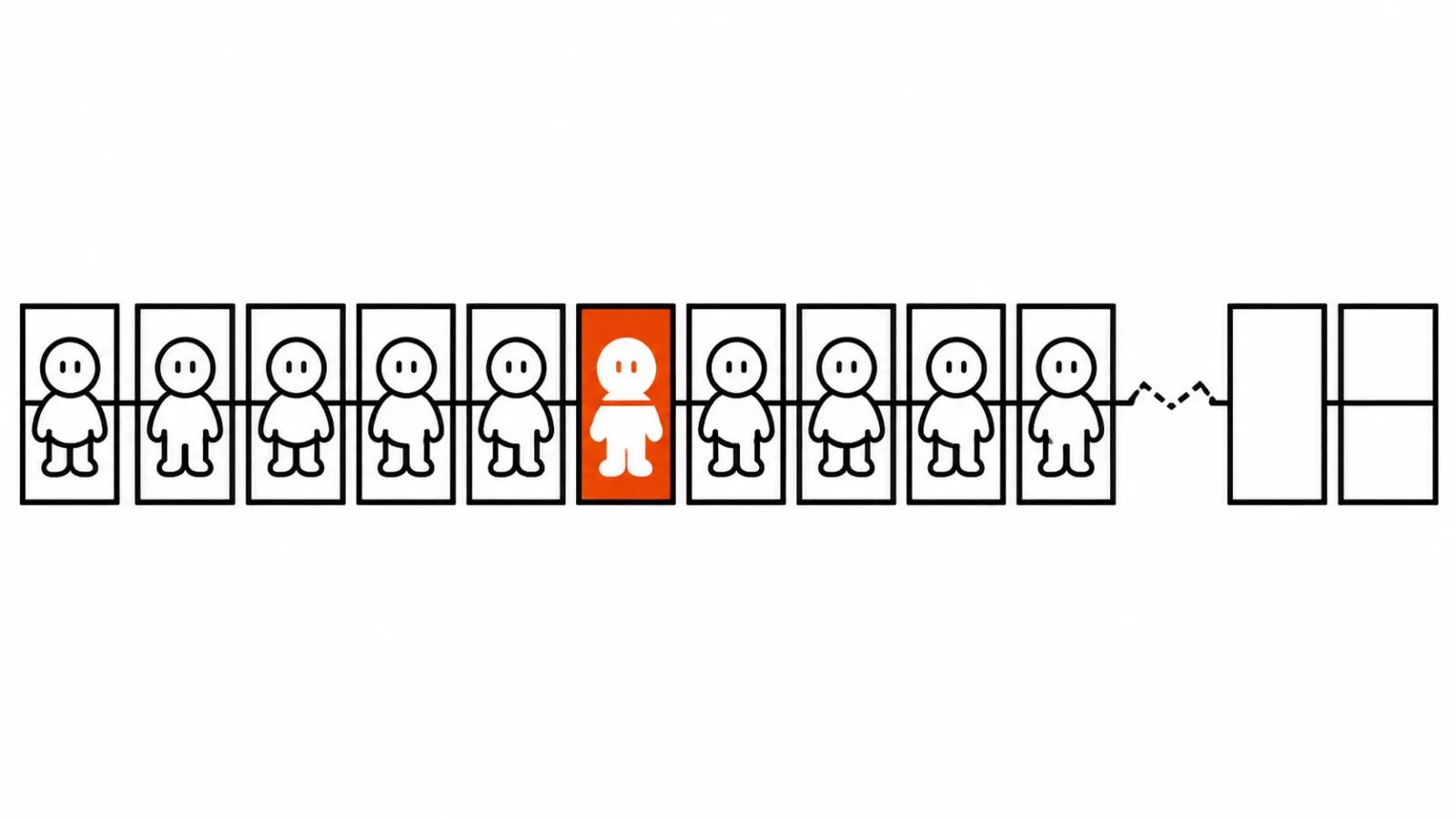
AI video production: where faces drift and plots break
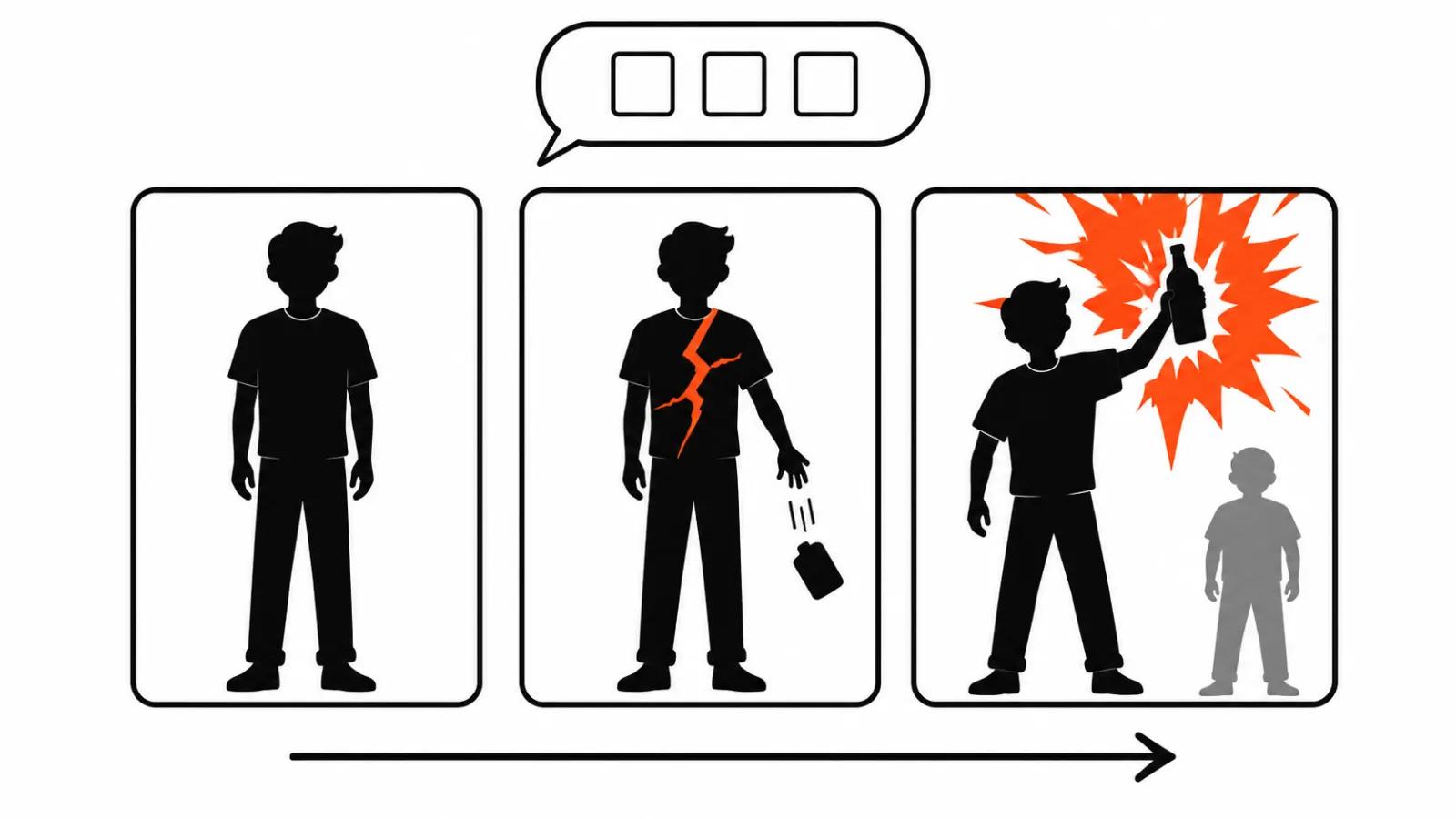
The weak spots are the same for everyone: faces shift between frames, backgrounds change from shot to shot, motion looks unnatural, plots sag on their own hooks. The first fully AI feature, "Sanxingdui: Future Past", opened on 23 October and took only 1.8 million yuan.
My read is simple. A model can deliver a shot. A series lives on memory: the same character, the same logic, the same thread across a hundred episodes. Until a team holds that memory, the viewer sees a pile of clips sharing a title and leaves after the third.
Rules: consent for face and voice, approval, a human check
AI drama in China needs explicit consent from a person for their face and voice, prior approval, review by real people and traceable records. In November the NRTA opened a two month campaign against sloppy, formulaic micro dramas.
On paper that looks like paperwork. In a budget it is a line item. Face and voice consent is collected before production, and across a hundred episodes it becomes a process of its own. A team shipping 100 episodes a week has to keep those documents in order faster than before.
Baidu's studio: AI video at 0.2 yuan per second
On 12 November 2026 Baidu showed Yijing and its "short animated drama studio": one agent writes the script, a second agent assembles the finished video. The pitch runs from an idea or a novel to finished episodes, with plot, characters and scenes moved to an overseas market in one click. The in house video model starts at 0.2 yuan per second, and the Fast version renders 10 seconds of video in 10 seconds. Four support programs came with the launch, one of them 300 yuan in credits for newcomers.
A price of 0.2 yuan per second explains how 550,000 dramas appeared so fast. The open question is who keeps a viewer at episode one hundred when a thousand similar series sit next to it.
My conclusion
Cheap production has stopped being an advantage, because everybody has it. The advantage sits in two places: holding character and plot across episodes, and getting finished episodes onto platforms. The first is craft and team memory. The second is distribution, and it costs more than it looks.
For anyone selling video work, the practical side matters too. AI series do not remove handcrafted videos from $190, where a person owns the frame and delivers character and a precise performance. A channel still needs a schedule, which is why our YouTube channel work starts at $200 per month: a series without regular releases never builds the habit. For volume, AI video production is the route, and there the maths runs on views instead of the invoice. Our streaming format handles up to $2.40 per 1000 views.
Two other reads are worth your time: the Jimeng short drama studio breakdown and the Life Tak micro-drama story. Both give a second angle on tempo and budget.