What HyperFrames published on November 13
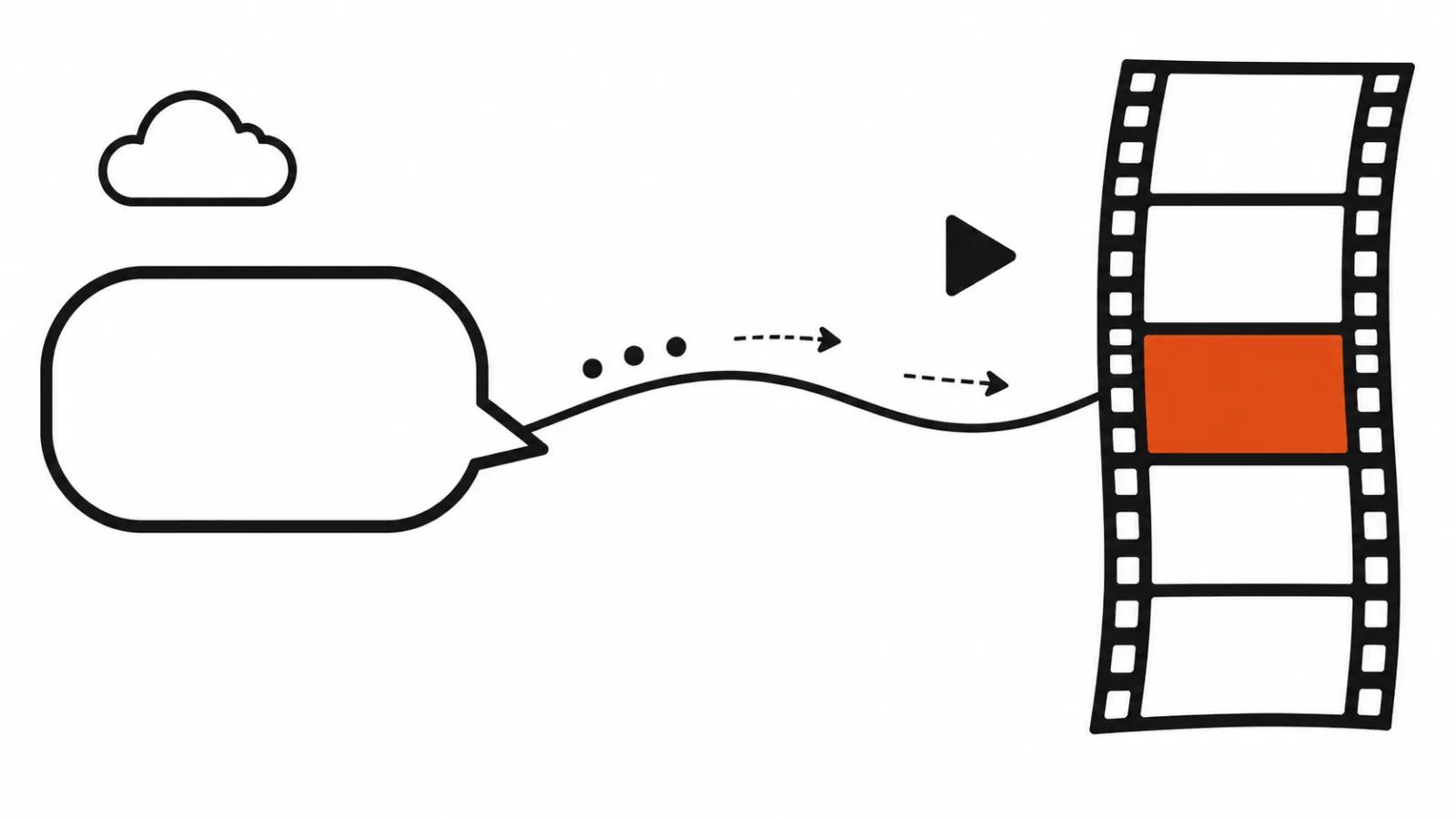
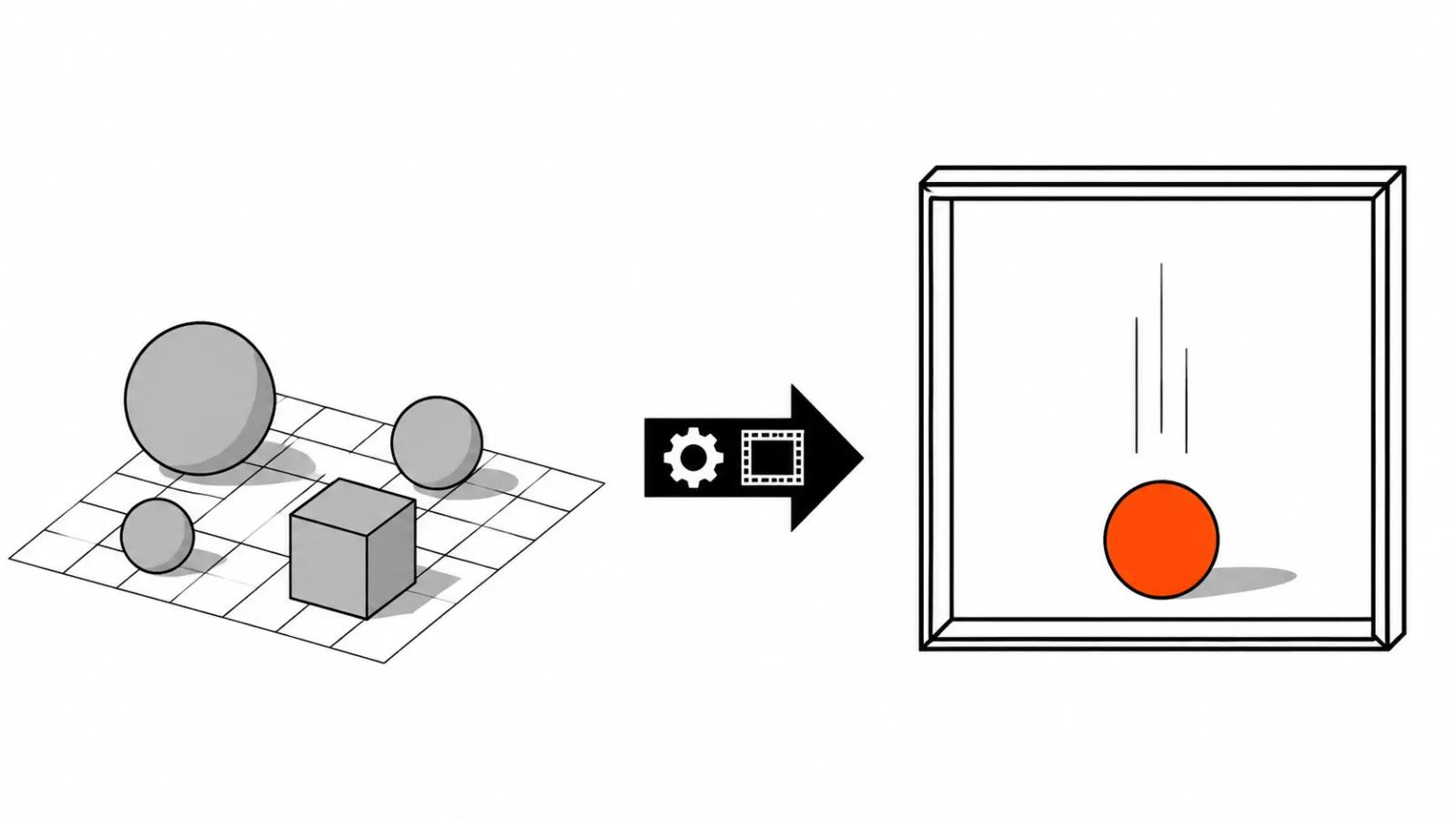
HyperFrames is a HeyGen project. On November 13, 2026 the team posted "Our harness beats Claude Code: here's how", signed by Rory Li, Wenbo Zhu, James Russo, Michael Wang and Bin Liu. The subject is HyperFrames Studio, a free app for macOS, Windows, Linux and the browser. Video there is assembled in code: markup, styles and animation timelines render into frames together with footage, references, generated clips and audio.
There are plenty of apps that build video from code, so the number is the interesting part: the team built its own agent on top of DeepSeek Harness, wired it into Studio, and reports a task cost roughly 30% lower at the same quality by its own measurement.
What a harness is and why video needs one
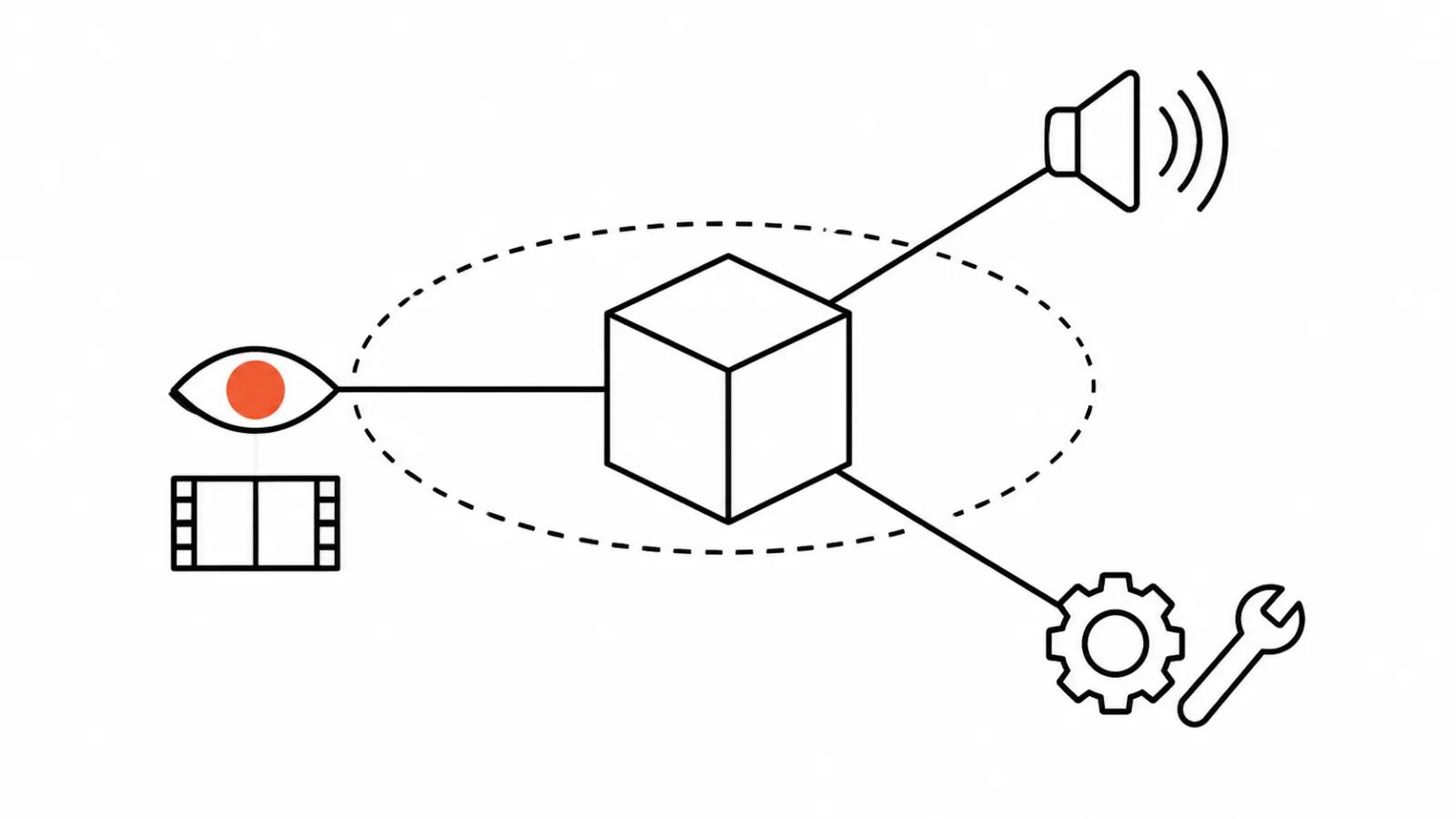
Harness means the tools, context and verification loops around a language model. In plain words: the model decides what to do, the harness gives it hands and eyes, shows it the result and makes it try again.
In video work that weighs as much as the model choice. A clip is verified by picture and sound. You cannot check a video by reading the model's answer. An agent that cannot watch the render and hear the audio track works blind and iterates on guesses.
Why an animated video breaks a general agent
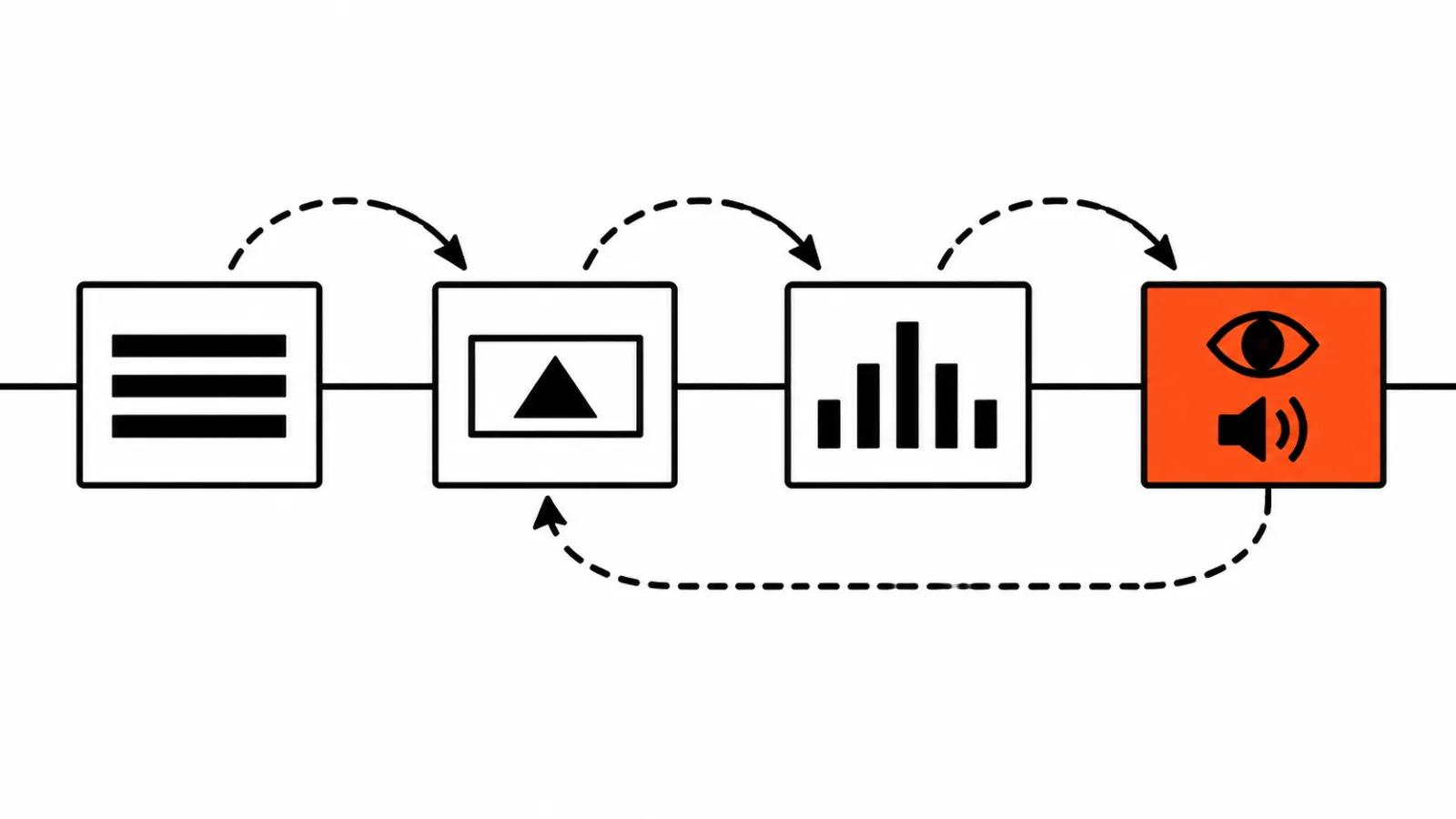
The team labelled thousands of general agent sessions step by step and looked at where time went. Effort piled up in the same spots: understanding the source material, composing the frame, balancing the audio, checking the final edit.
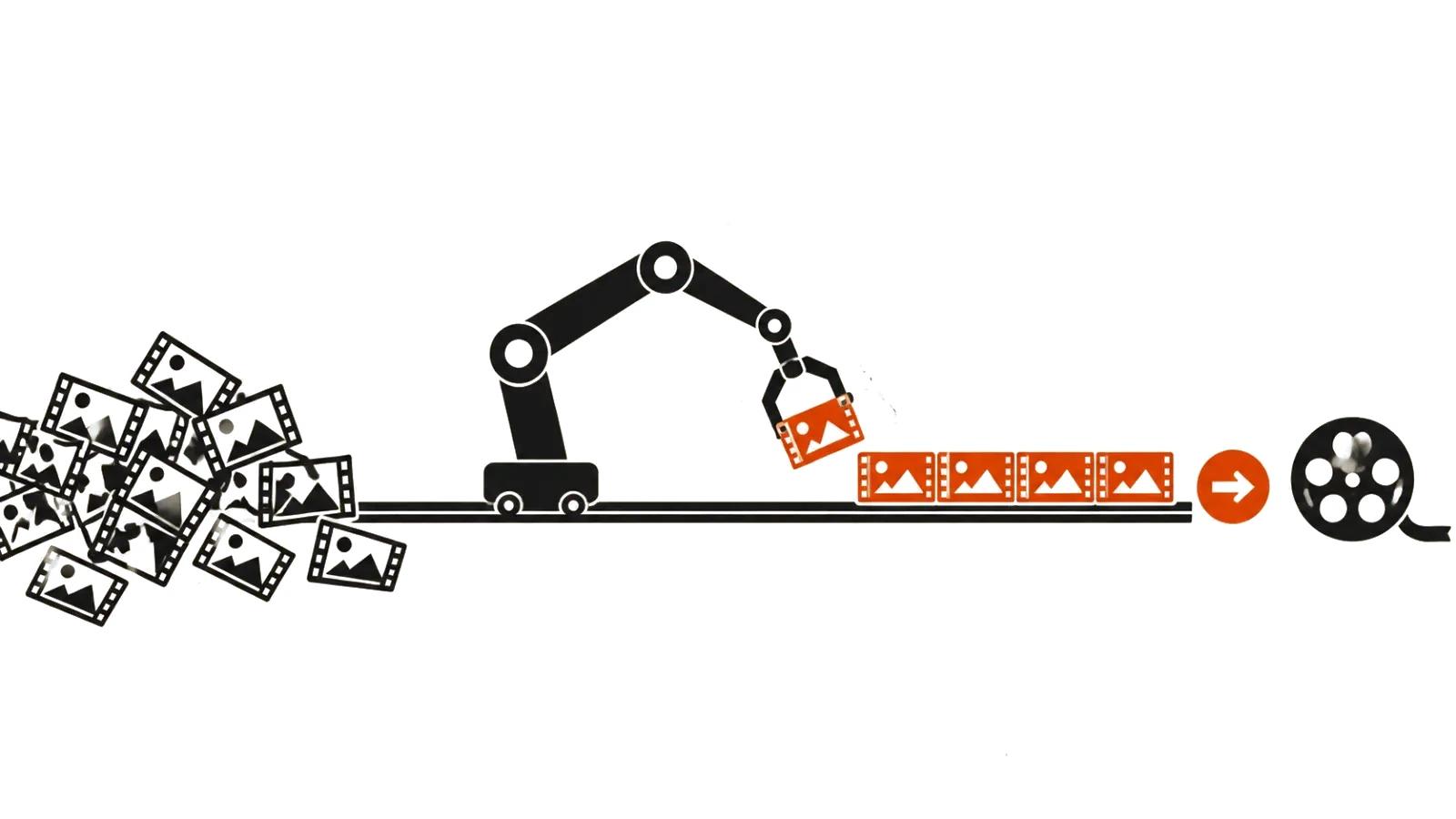
Then comes the familiar pattern. A general agent sometimes writes throwaway tools for the job first, burns turns on that, and still cannot see precisely what came out of the render, so it iterates on guesses. That loop is expensive: the tool got written, the error stayed hidden, the turns are gone.
The team's answer is simple in principle and labour-heavy in practice. Every rule and every capability sits in a separate plugin, several harness versions run against a benchmark, and decisions follow measurements.
How to read a benchmark the vendor ran on itself
One and the same frontier model went in, unnamed, with identical effort, prompts and source material. There were 17 jobs: reference recreation, remixes, branded spots, library footage, edit passes.
The numbers. On 78% of jobs, less effort. Cost roughly 30% lower, model turns roughly 35% fewer. On the reference remix, cost down 40% and turns down by more than half. Quality in a blind pairwise comparison: 41% against 41%, judged by a model.
Care here, and the numbers are not the reason. The benchmark comes from the vendor on the vendor's own jobs, and the judge is a model. A tie on quality reads like this: the picture did not improve, the harness shortened the road to it. For a studio that is the metric that matters, since a weak frame does not get fixed by a cheaper pass.
Building an animated video: what changes in practice
The open HyperFrames skills install into Claude Code, Codex and Cursor the way they did before. For anyone already building video in code the takeaway is practical: take a ready harness and stop writing your own glue for framing and audio. We covered the short-form side separately: animation with Claude Code. That piece shows how much handwork still sits around the code.
When a spot has to land on a launch date and there is no time to experiment with a build, teams order an animated video with a script and an edit included. For a stream of similar versions under one campaign, short-form video at scale does the job, where one layout fans out into dozens of crops.
There is a second path once an agent is already in the workflow: a spot rebuilt from a reference with no shoot. We have a separate piece on code-to-video on DeepSeek.
Where this benchmark stops helping
First limit: the vendor's jobs resemble studio work without matching it. A reference remix and an edit pass are repeatable operations, while a new format starts with a brief, and no harness rescues an empty script.
Second: quality was measured by a model, while a viewer watches on a phone and reacts to pacing, to framing, to intonation. A 41% tie says nothing about whether a clip holds a person.
Third: the saving is measured in model turns, while a studio prices an approved clip including the hours spent on revisions. Those two figures diverge, and the second is always larger.
My conclusion
The harness is where code-built video actually gets cheaper right now. In this test the model was the same on both sides, so the thirty percent on the invoice came from the tools around it and the verification loop.
When I pick a tool I look at the loop: can the agent see the frame, hear the audio, compare its render with the reference. The model name ranks below the ability to inspect the result.
Last thing. A vendor benchmark is useful as a sense of the order of magnitude and useless as a promise. Test it on your own job, ten seconds of the worst shot, and set the quote after that.