What shipped on October 30
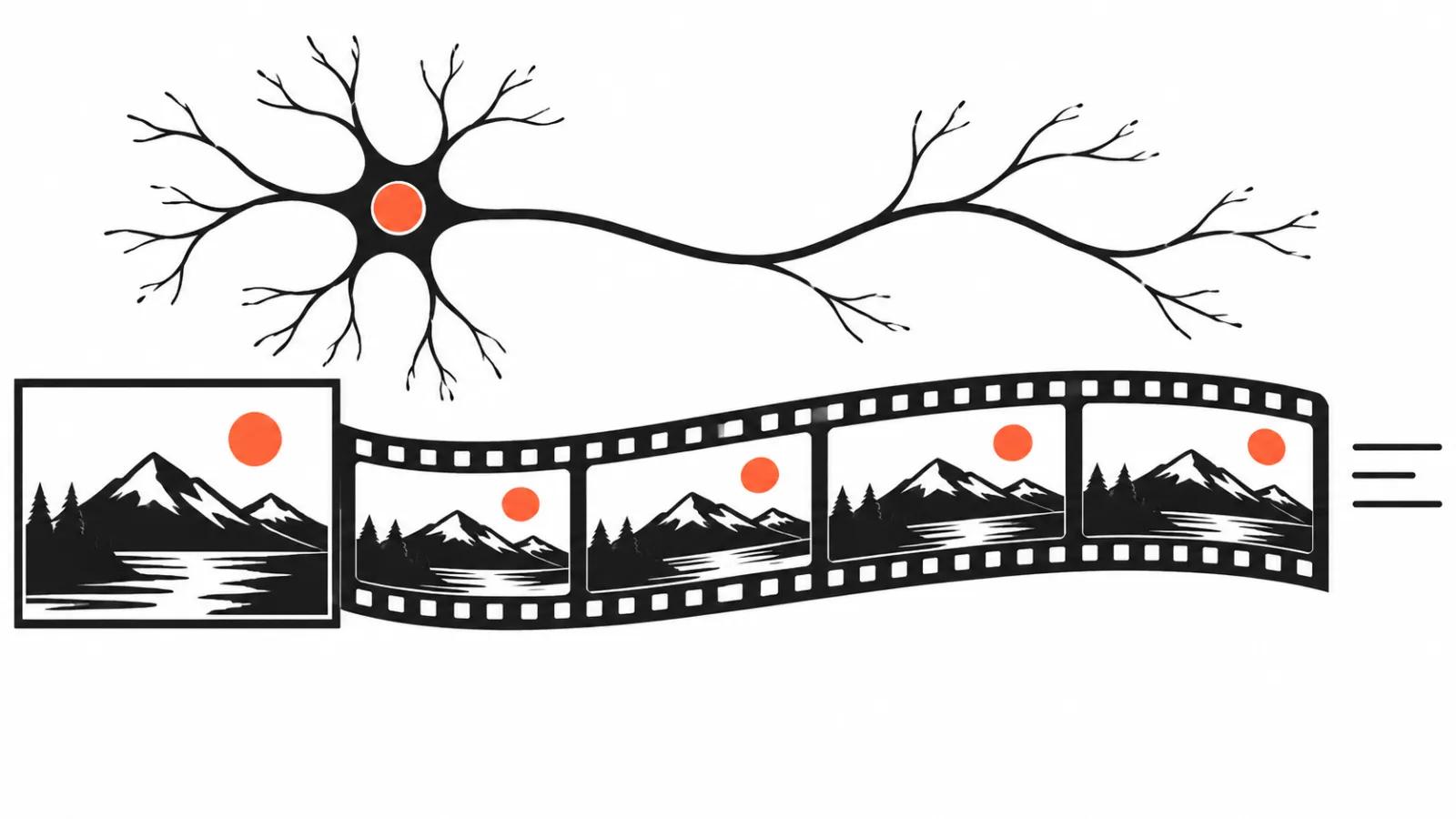
The Biological Computing Co., TBC for short, works out of San Francisco. On October 30 it released TBC Mischief 1, an image to video model: one photo in, a clip out. The press release calls it the first publicly available video model derived from work with neurons.
The technical base is humbler than the headline. Mischief 1 is built on open Wan 2.2 from Alibaba, the same model people already download and run locally. TBC does not hide that base, which makes testing simpler: same weights, different fine-tune.
There are two ways to try it, fal and OpenRouter. Both are paid and both serve the same product.
What the neurons in the name actually do
The neurons stay in the lab. TBC studies how lab-grown neuron networks react to signals and moves the findings into a small software add-on that runs on ordinary AI chips.
Read that plainly: no living cells sit inside the generation loop. The word neuron-derived describes the research method behind the model settings. The frames are computed on silicon, as everywhere else.
The second line of the company biography matters more for buyers. In September TBC signed a deal with AWS to sell its models to businesses. For a video model that beats a nice origin story, because cloud resale brings predictable billing and a real contract.
Five times faster than Wan 2.2: whose number is it
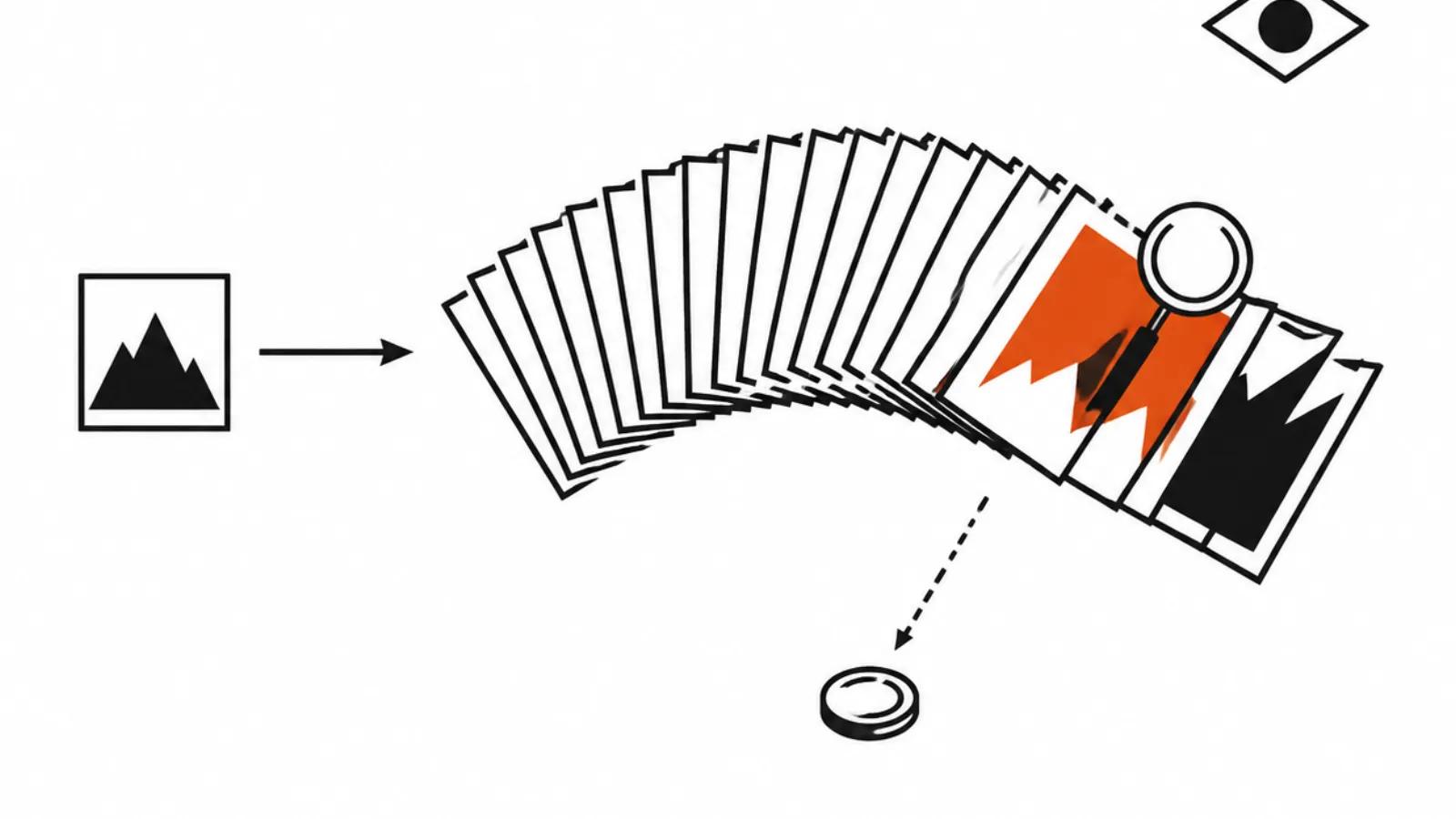
The TBC claim is roughly five times faster than Wan 2.2 at comparable quality. The outlet tpsreport adds "80% cheaper" than the base model.
No independent benchmark has been published. No run on anyone else's methodology, no comparison on a public task set. Both numbers therefore sit at the level of a company statement, and you will have to test them yourself.
Cheap video generator: the price of a second
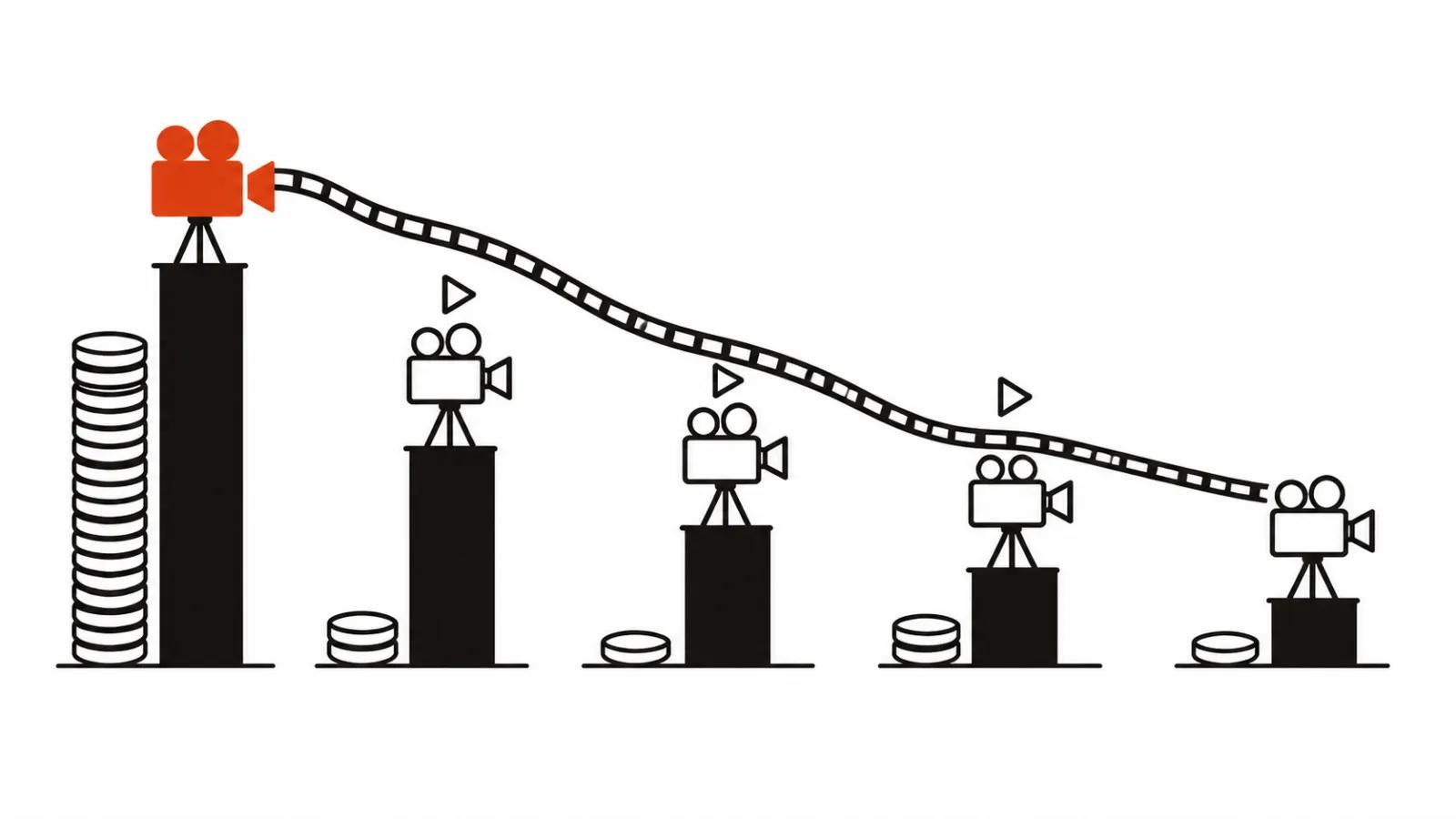
The documented price is $0.005 per second of video. A five second clip costs 2.5 cents, and a hundred of those clips come to $2.50.
For contrast, our short-form stream runs at up to $2.40 per 1000 views, meaning you pay for the result that reached a viewer. The difference in logic matters more than the difference in figures. Generation charges for every take, including the broken ones, while distribution charges per view.
That is exactly why I treat Mischief 1 as an interesting cheap video generator for drafting. The price of a second sits below the cost of the human minutes spent opening an editing app.
Photo to video with AI: where I start testing
My position is simple. The neuron wrapper is loud, and the price of a second decides. When a draft costs pennies, the work changes shape. The old question was how to make a clip, the new one is how to pick the best out of a hundred.
A hundred five second takes cost $2.50 in generation and one evening of review. At that arithmetic, generating in batches pays off while selection and assembly stay with a human who can see.
What to check first, given the missing benchmarks: speed on a long prompt, faces in close-up, hands in motion, light consistency between shots. The five times figure is promised on typical scenes, and a crowded frame may close the gap.
Animating a still: what a client gets
The usual brief is to bring one good photo to life: a short clip for a product page, a feed post, a cover. That used to mean a shoot and an edit. Now there is a cheap five second proof, and the proof shows whether the scene can be generated at all.
The limits are real too. I would not feed a model the face of a real person without consent. A complex scene with camera movement and on-screen type stays cheaper to shoot.
For a wider view than one model, our guide on photo to video with AI walks through the workflow, and the image-to-video leaderboard tracks the current ranking. Both help when the choice sits between a handcrafted clip and a batch of generations.
My takeaway
Three things I do with a price like this. First, I count seconds and takes, since the beauty of a press release never shows up in a budget. Second, I run the model on my own prompts until outside benchmarks exist. Third, I plan the review time in advance, because cheap generation grows the pile to sort through.
For a budget that means something concrete. Where a person and exact speech have to be on camera, the baseline stays with handcrafted AI videos from $190. The stream at up to $2.40 per 1000 views covers volume, and photo-to-video clips become raw material for edits and tests. An AI video production setup usually mixes both, and the price of a second decides which share each side takes.