What SenseTime actually shipped
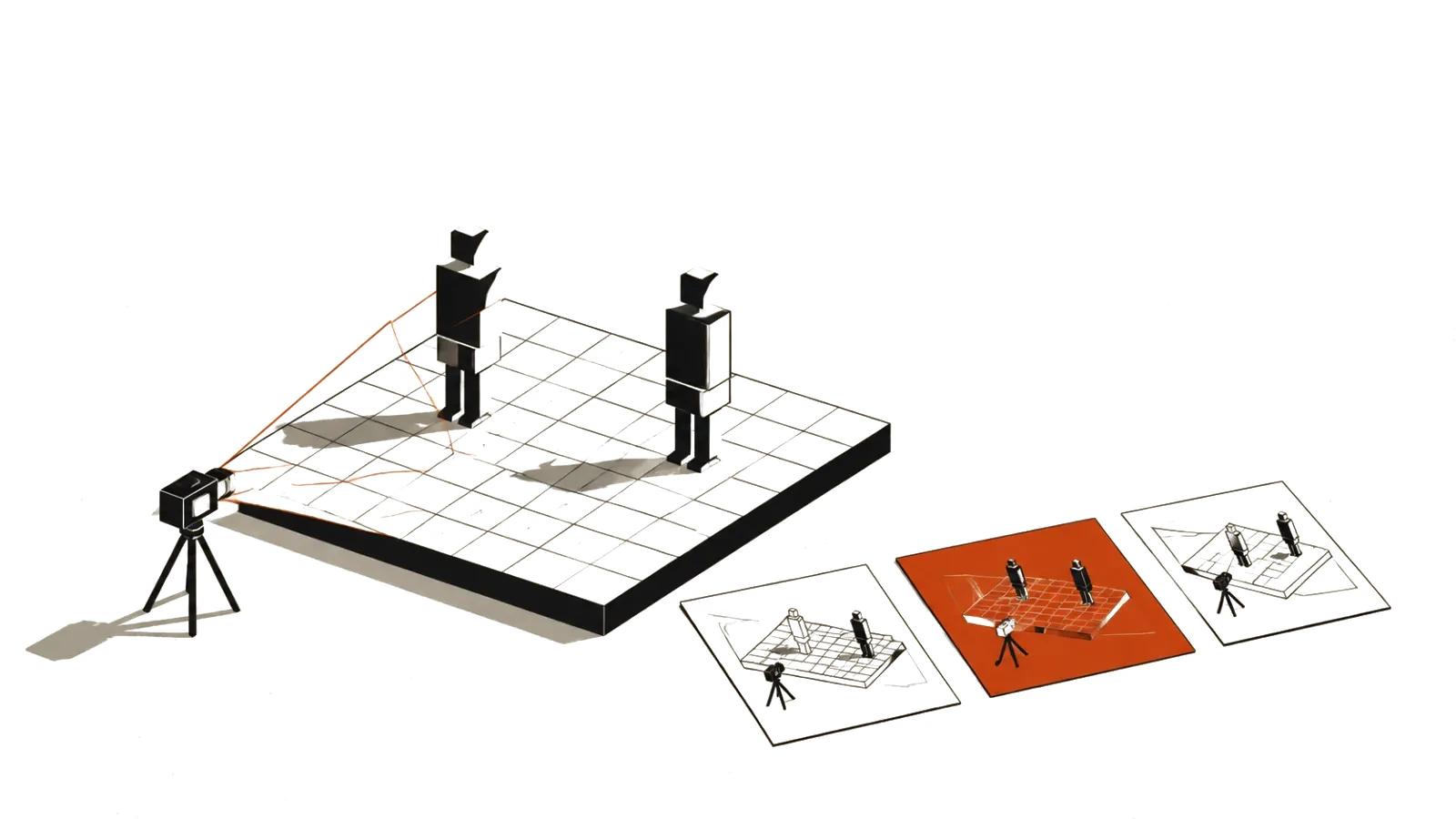
The release is a light model fine-tuned from Qwen3.8-27B: 27 billion parameters, Apache 2.0, weights on Hugging Face, code on GitHub. Alongside the weights SenseTime opened the production skill, meaning the workflow, the guides and the render tooling. The generation logs carry 357 still frames, and they show how the model assembles a scene step by step.
The scope is narrow on purpose: a short clip built entirely from code. The model writes a program that assembles the scene and renders it to a file. Nobody paints frames one by one, so the text, the numbers and the geometry stay exactly as specified.
The workflow in three steps
Work runs in three steps. First a strong general model rewrites the author's prompt, and SenseTime uses version 5.5 of one in its own example. Then Code2Video inside Claude Code with the code-video skill returns three files: final.mp4, SPEC.md describing the scene and VERIFY.md with the checks. The third step is revision against the author's notes.
One film is a long job. The model holds runs beyond ten hours and beyond 2,000 turns with a 512K context. That is why the docs suggest running it inside a harness such as Claude Code, where a long job with files on disk survives interruptions and restarts.
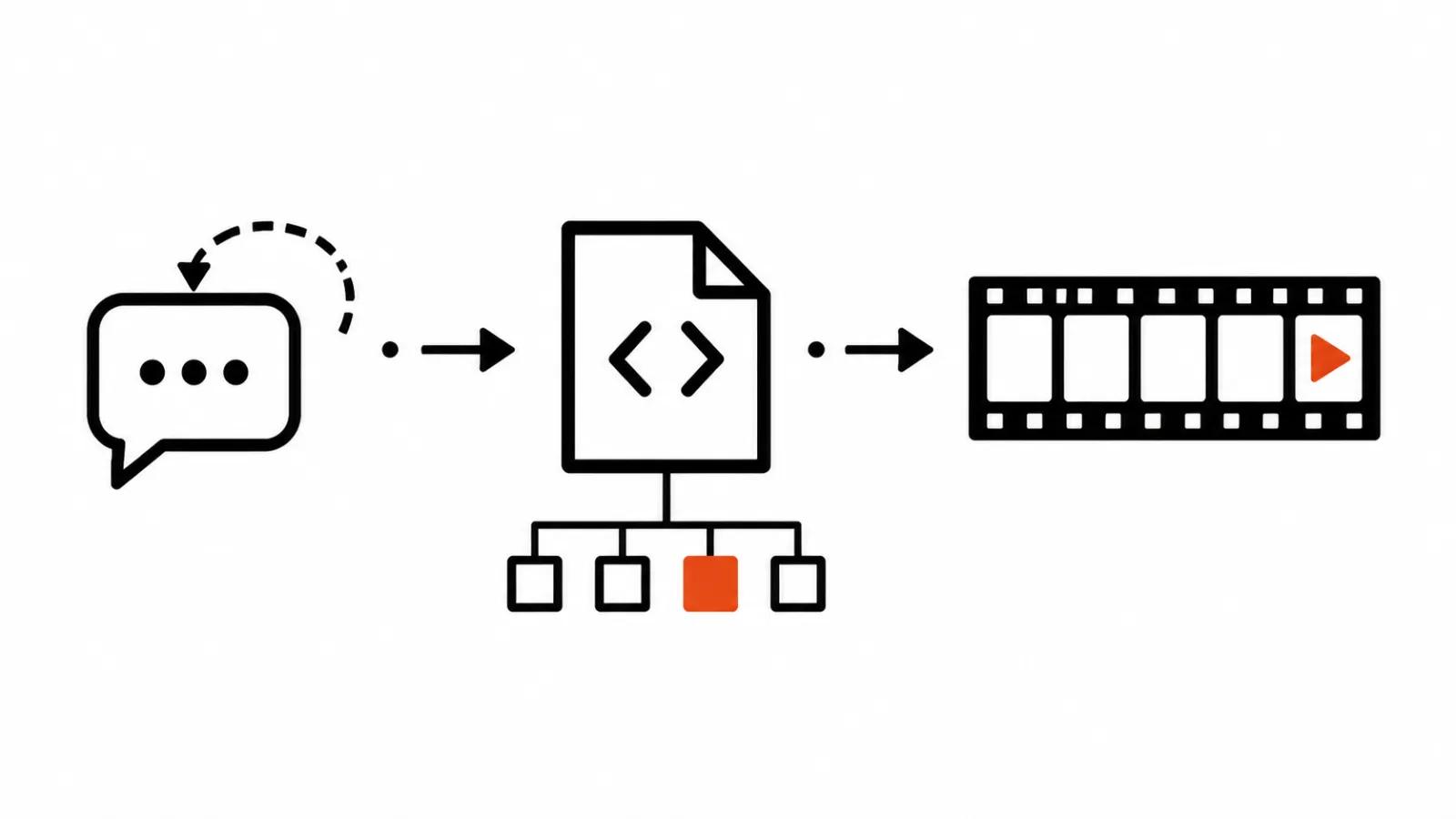
Motion design written as code
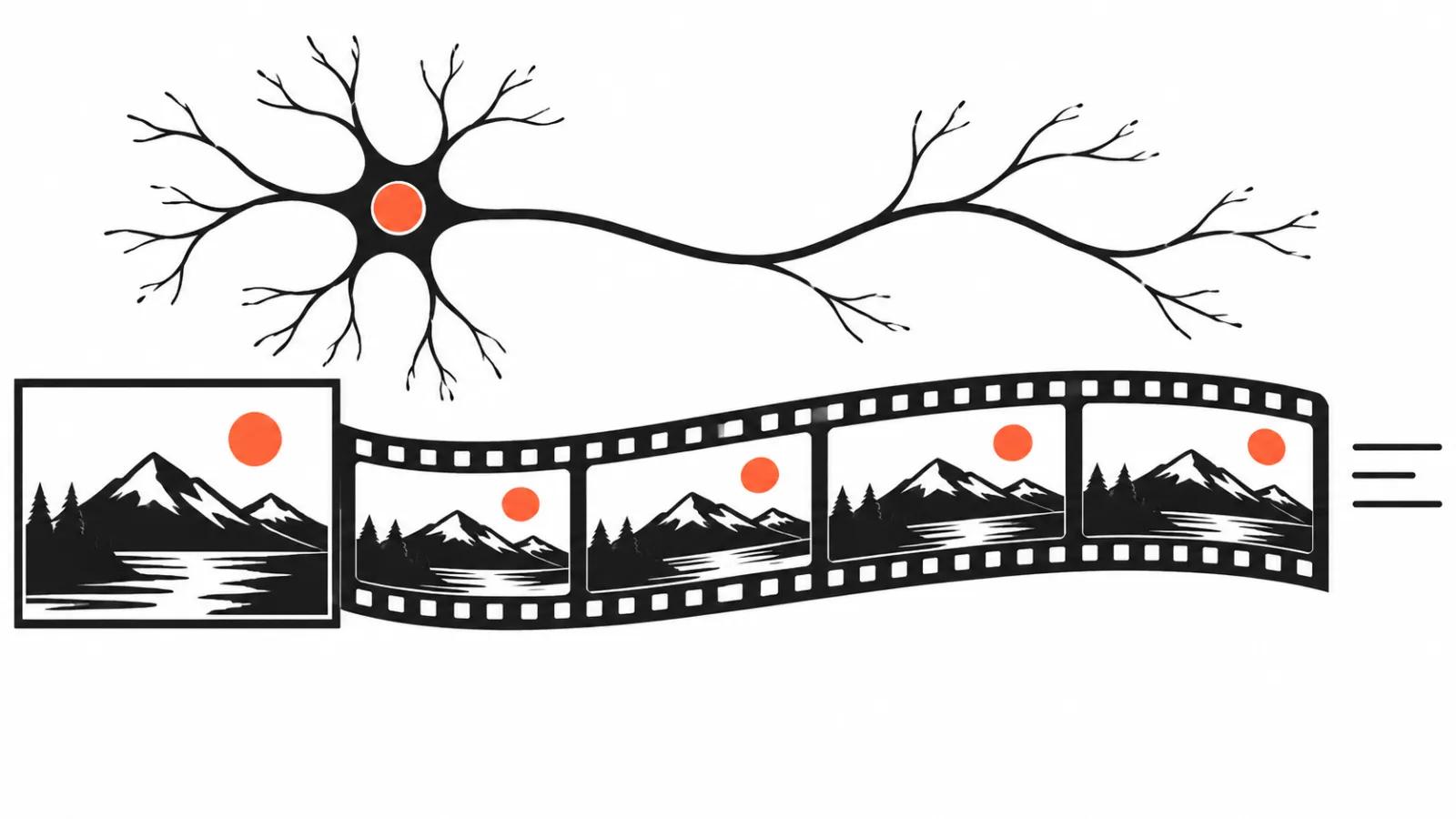
Diffusion draws lettering as pixels and often breaks the glyphs, while a code render sets real type. For titles, captions and counters that gap decides between a reject and a finished frame, and it shows up instantly on graphic-heavy work.
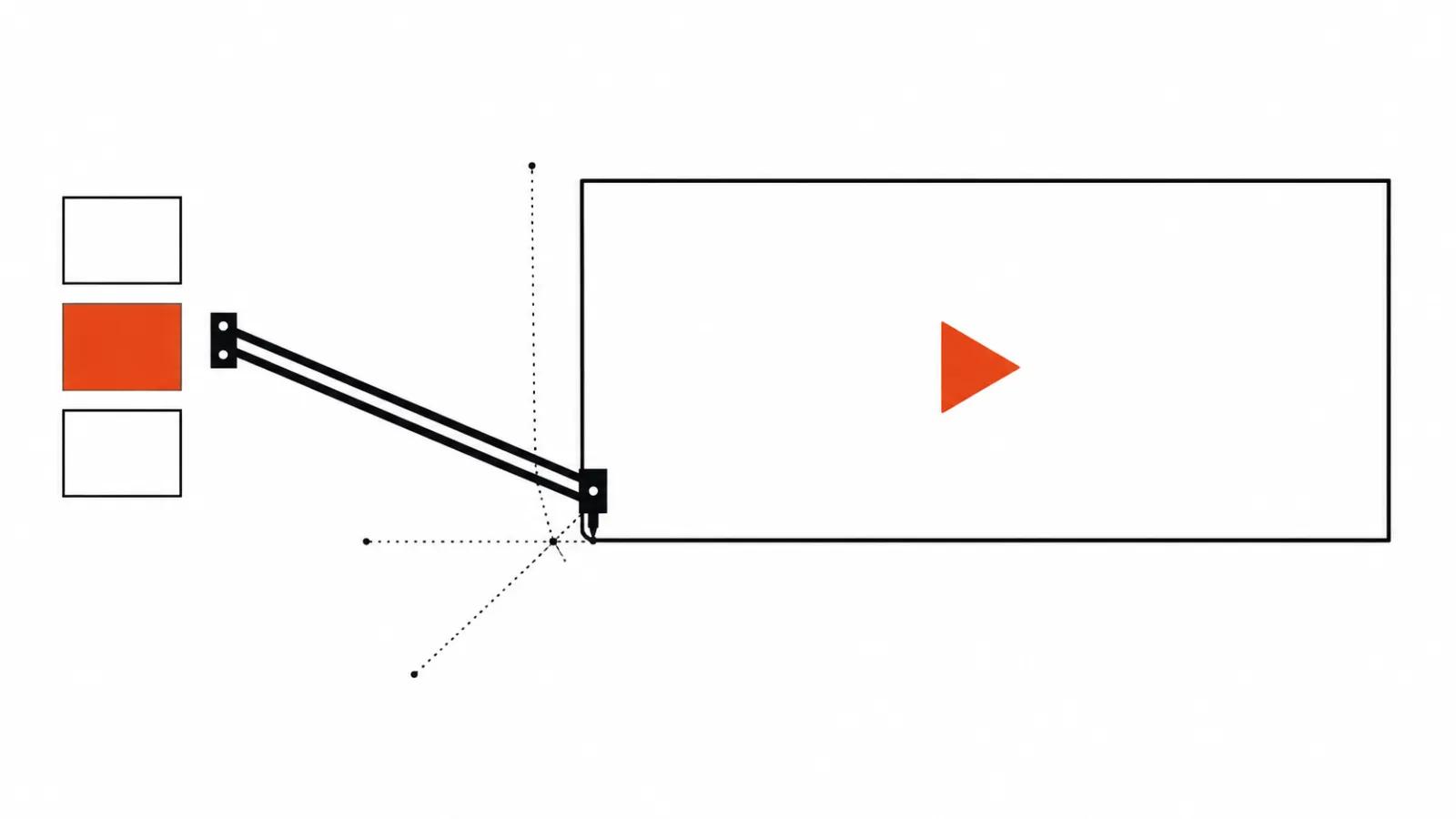
Edits are the second gain. A number, a colour or a timing changes in the code, the scene re-renders and everything else stays put. Nobody re-rolls a whole shot hoping for a similar frame. The third gain is repeatability: the same code returns the same result, and any version of the clip can be rolled back.
If you want the plain definition of what motion design is, we have a separate piece on keyframes, timing and curves.
Infographics and explainer video
On-screen infographics lean on numbers, arrows, charts and transitions between slides, and code describes all of that more precisely than a prompt does. During a job the model can also call other models: image generation, video, 3D and editing. SenseTime states the goal plainly, a coordinating model for creative tools, and promises editing, compositing, animation and 3D next.
One more trick from the docs: you can feed a reference clip and the model rebuilds it as editable code. For a studio that is a way to take a competitor's spot apart at the layer level and reassemble it for another brand.
Where text-to-video still wins
Plain talk: a real person, a face, an expression, handheld footage, none of that comes out of code, because code does not shoot. Text-to-video models keep that ground, and Code2Video does not take it away.
The split follows the task. Character, emotion and skin texture need generated pixels. Diagrams, charts, titles and intros need geometry and type, and there code wins on iteration count: a fix takes a minute instead of another ten-hour run.
The price of entry: four GPUs and ten hours
The launch notes are honest about it: LightLLM, vLLM or SGLang with tensor parallelism 4, which means four GPUs. Add more than ten hours per clip and more than 2,000 model turns with a 512K context. In a lab that is normal. For a studio shipping three projects a week it means a dedicated box and a person watching the run.
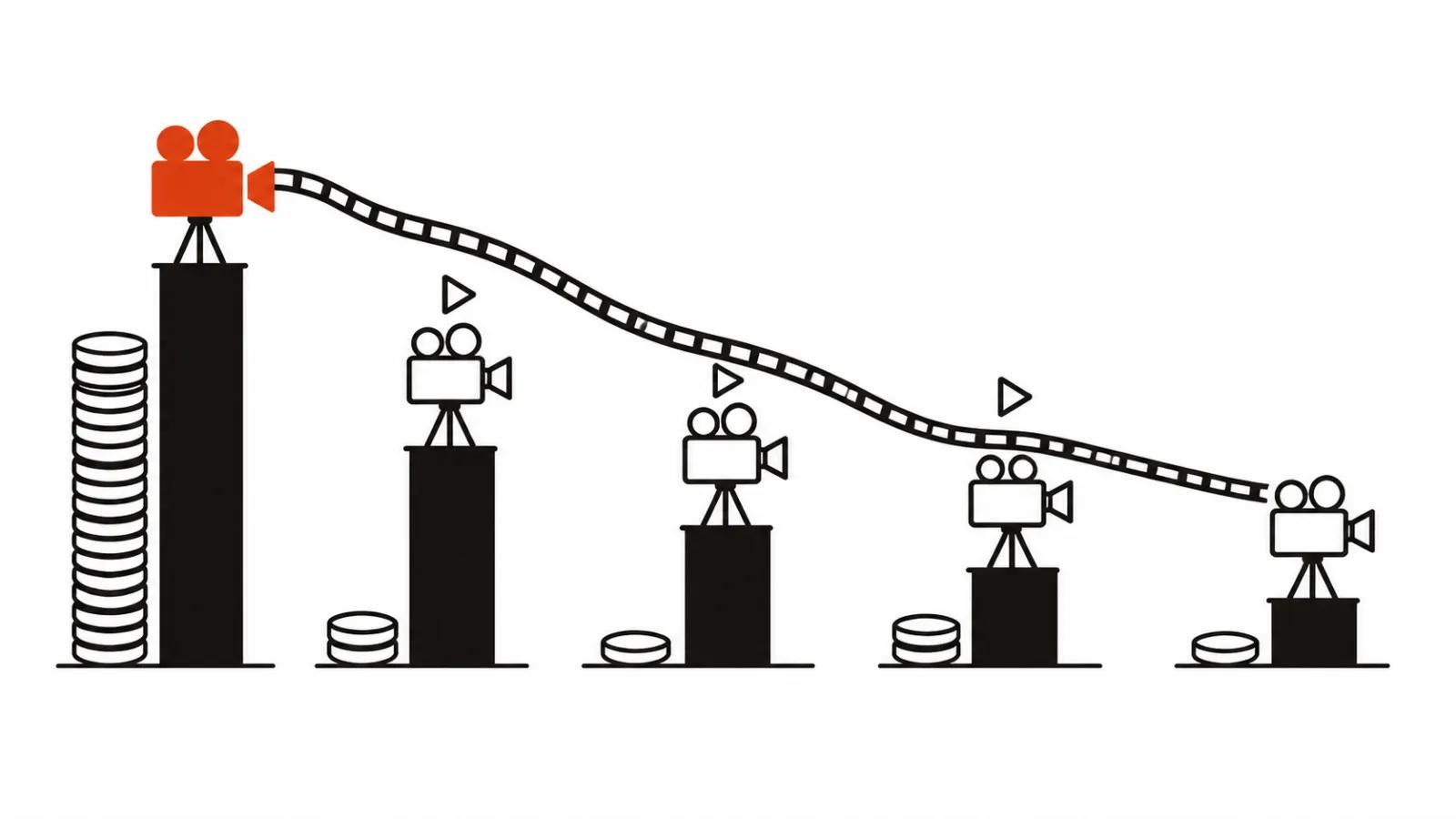
So for now this is a lab tool with a very clear use case. I would not put it into a shared pipeline in place of everyday generation: four GPUs per client do not pay for themselves, and short explainers come out cheaper on diffusion.
What changes for a studio
Code claims the class of work where accuracy and repeatability matter: explainers, infographics, diagrams, titles, idents. That is exactly the ground we cover in AI video production, and exact on-screen text has always been the sore spot there.
The first visible entry into code-to-video came with DeepSeek V4.1 Flash, which we covered separately. Code2Video goes further, since the weights and the whole workflow are open, so the approach can be tested on a real project instead of read about in an announcement.
My take
The model deserves attention from anyone producing explainers and motion graphics. Three things I would test first: how it handles a non-English line on screen, how many iterations a single scene costs to fix, and how stable the render is on the same machine.
Live footage and characters remain off its map, and that is fine, since diffusion has its own strength there. The promise of editing, compositing, animation and 3D is worth keeping in mind: if SenseTime turns the model into a coordinator of tools, the assembly of a clip changes, and frame generation becomes one operation inside the code.
For now I would give it one test clip and keep the production volume where it is.