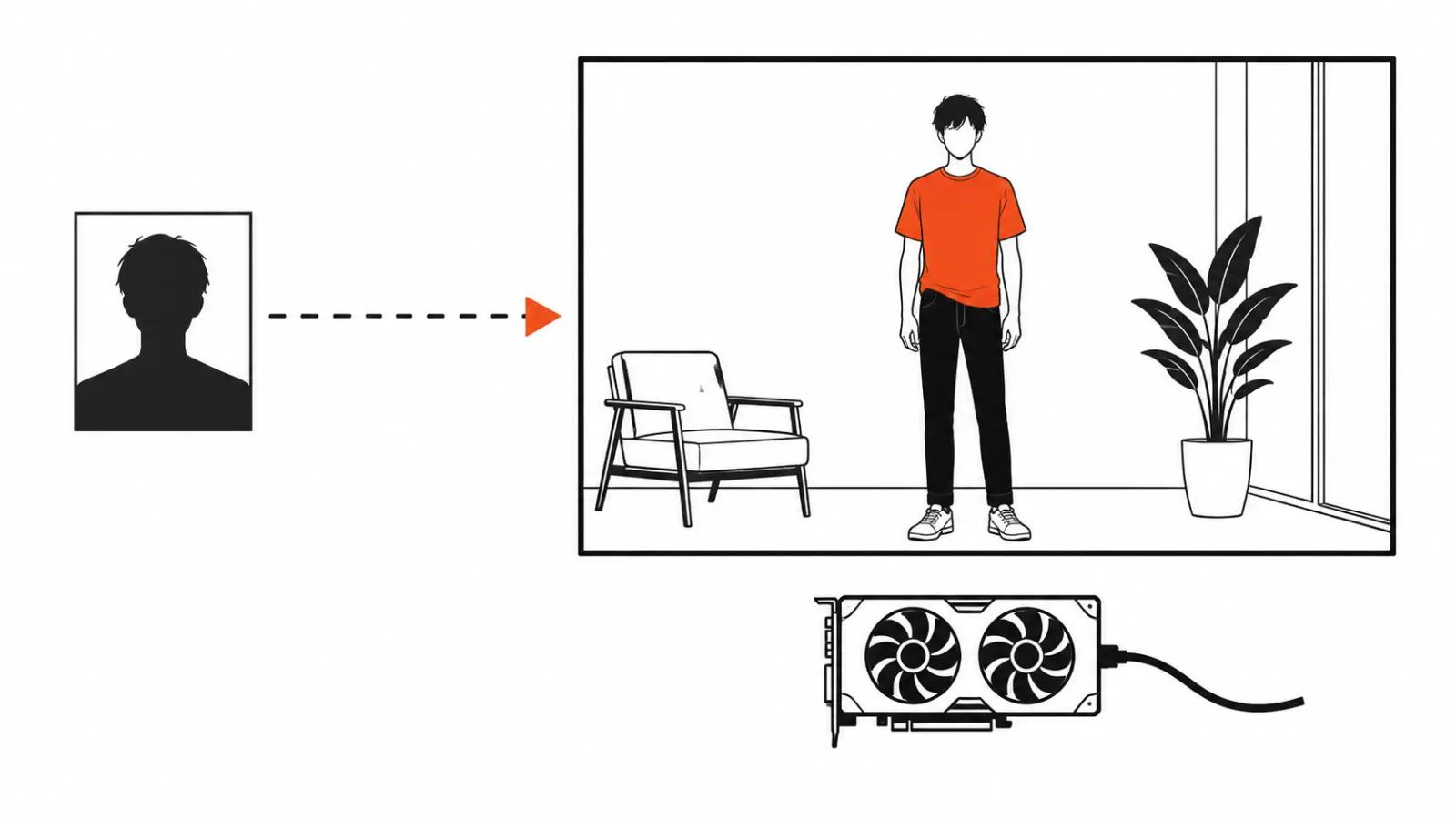
What was shown: a realtime avatar from a single photo
Atmanity is a lab that has been running since 2024. Reviews of Atmee v2 landed around 4 and 5 November 2026, and the vendor site carries no press release timestamp that I could find, so I will say early November and leave it there.
The product is described as a real-time full-frame video foundation model for live avatars. Full-frame is the word that matters. The whole shot moves, with face, body and surroundings in one stream. A head in a box mouthing a pre-recorded track is an older and cheaper category.
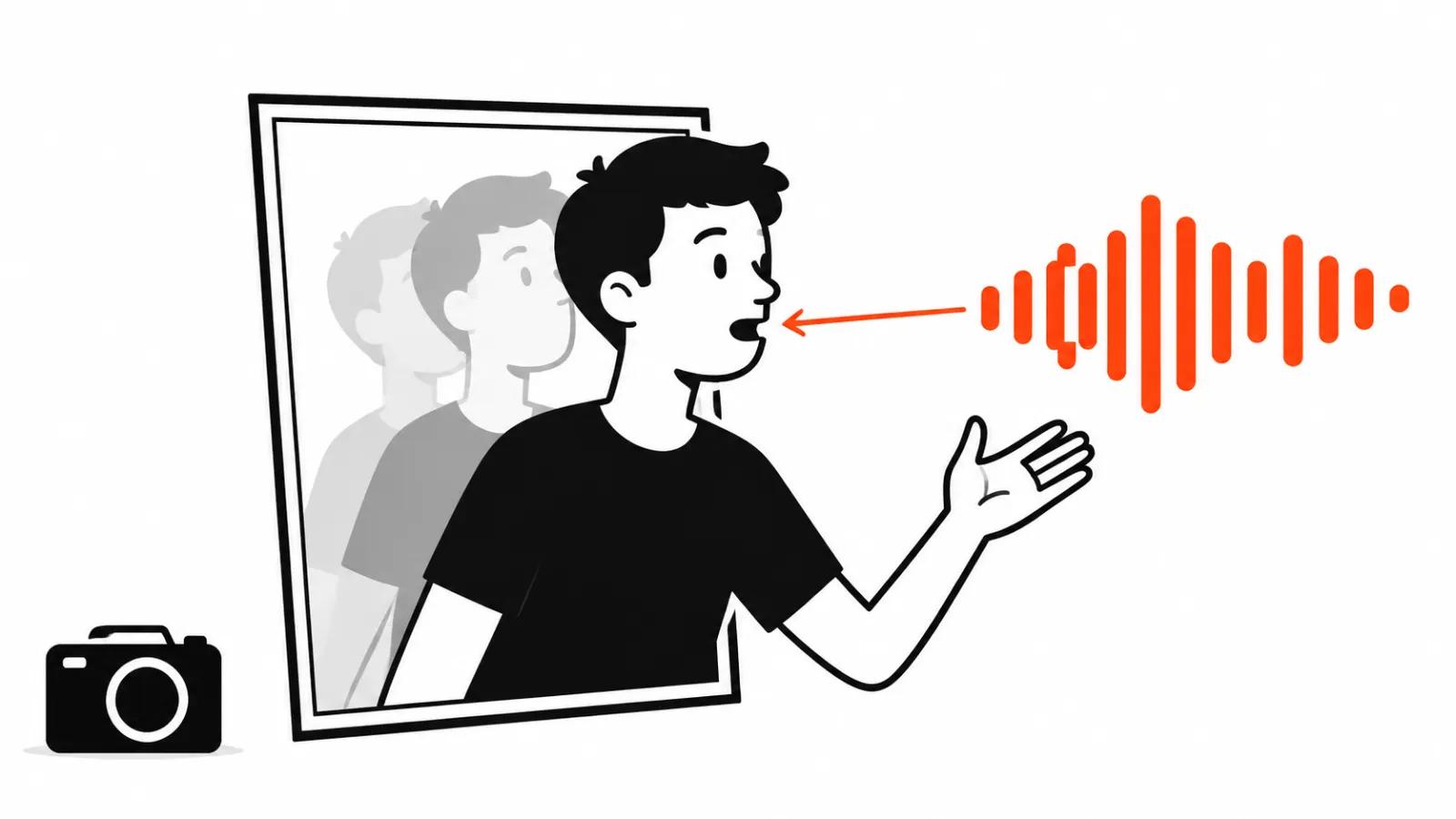
The input claim is modest: one image plus a short voice sample, with fifteen seconds quoted in the marketing. The output is an AI character from a photo that can be put on a live feed without reshooting every line. All of it, the vendor says, fits on one GPU.
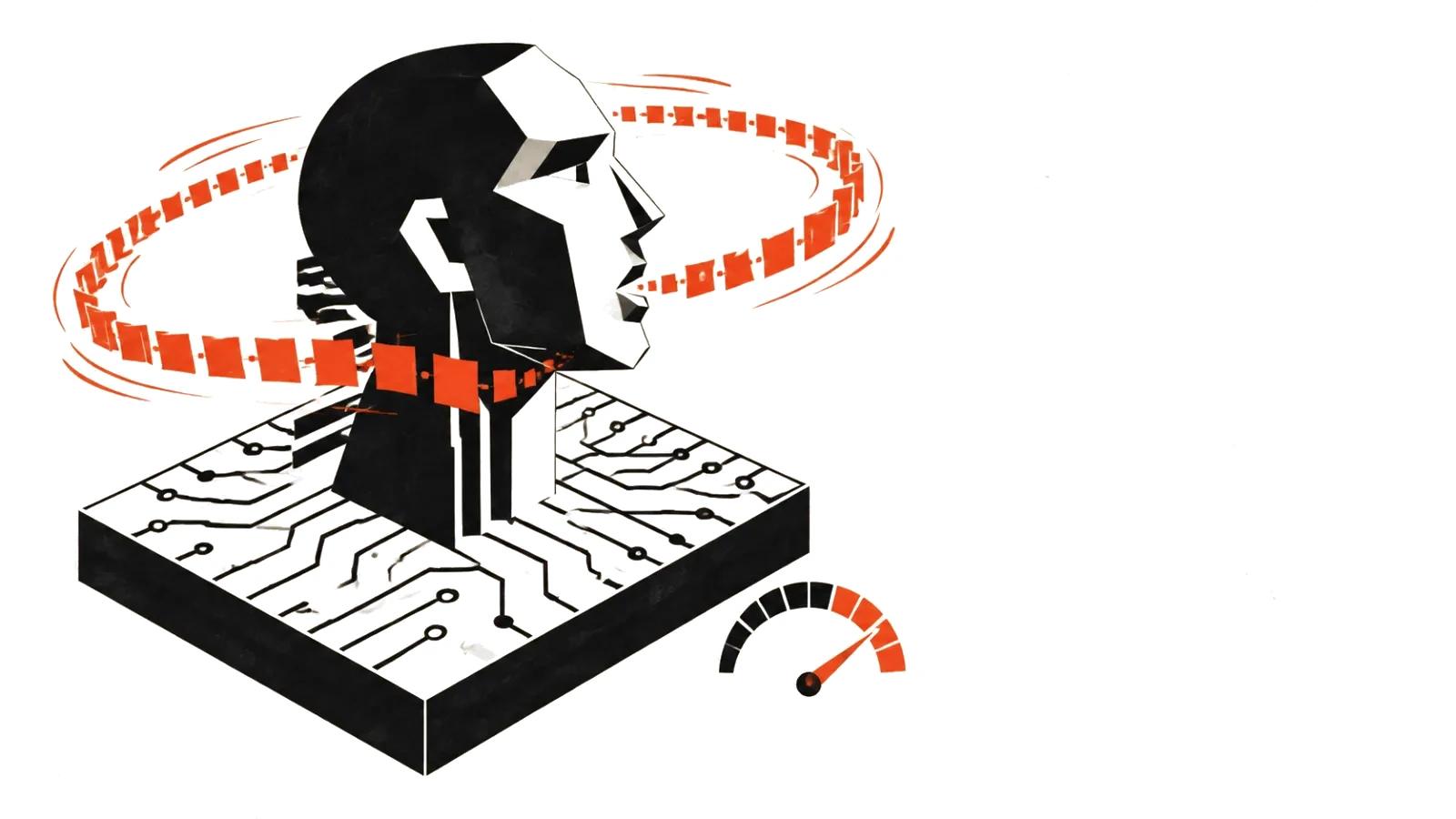
This is where I slow down and reread the sentence. One card speaks to the cost of a live minute, and that cost only changes the economics when an agent is running for hours. There are no independent numbers for frame rate, latency or cost per minute, and the reviews do not carry any either. If you see a figure like fifty times faster than Wan, that is marketing repeated without a method, and I am not filing it as fact.
Causeur: why the avatar listens
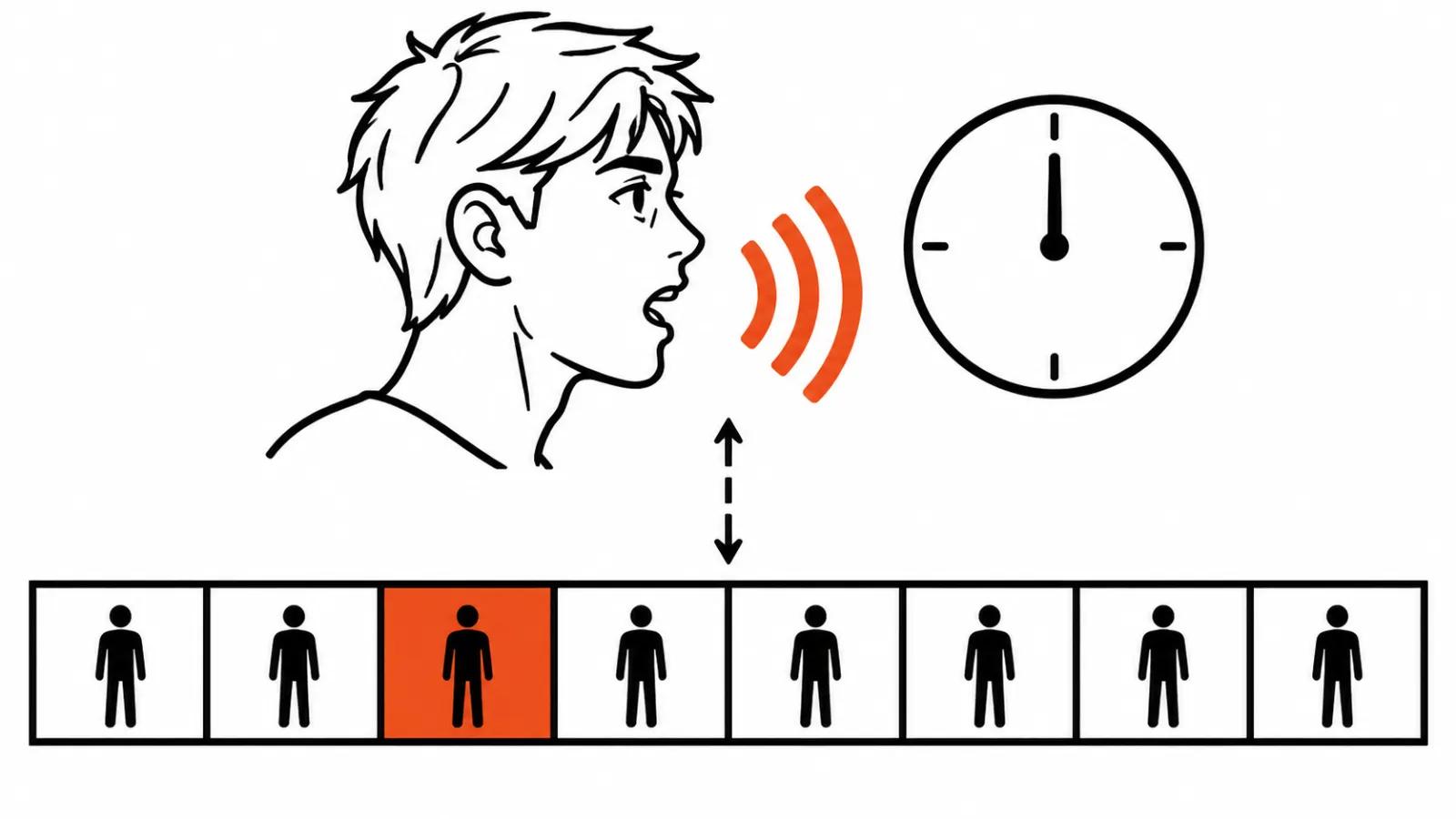
The second half of the stack is called Causeur. It is a behaviour model: personality, emotion, timing, active listening.
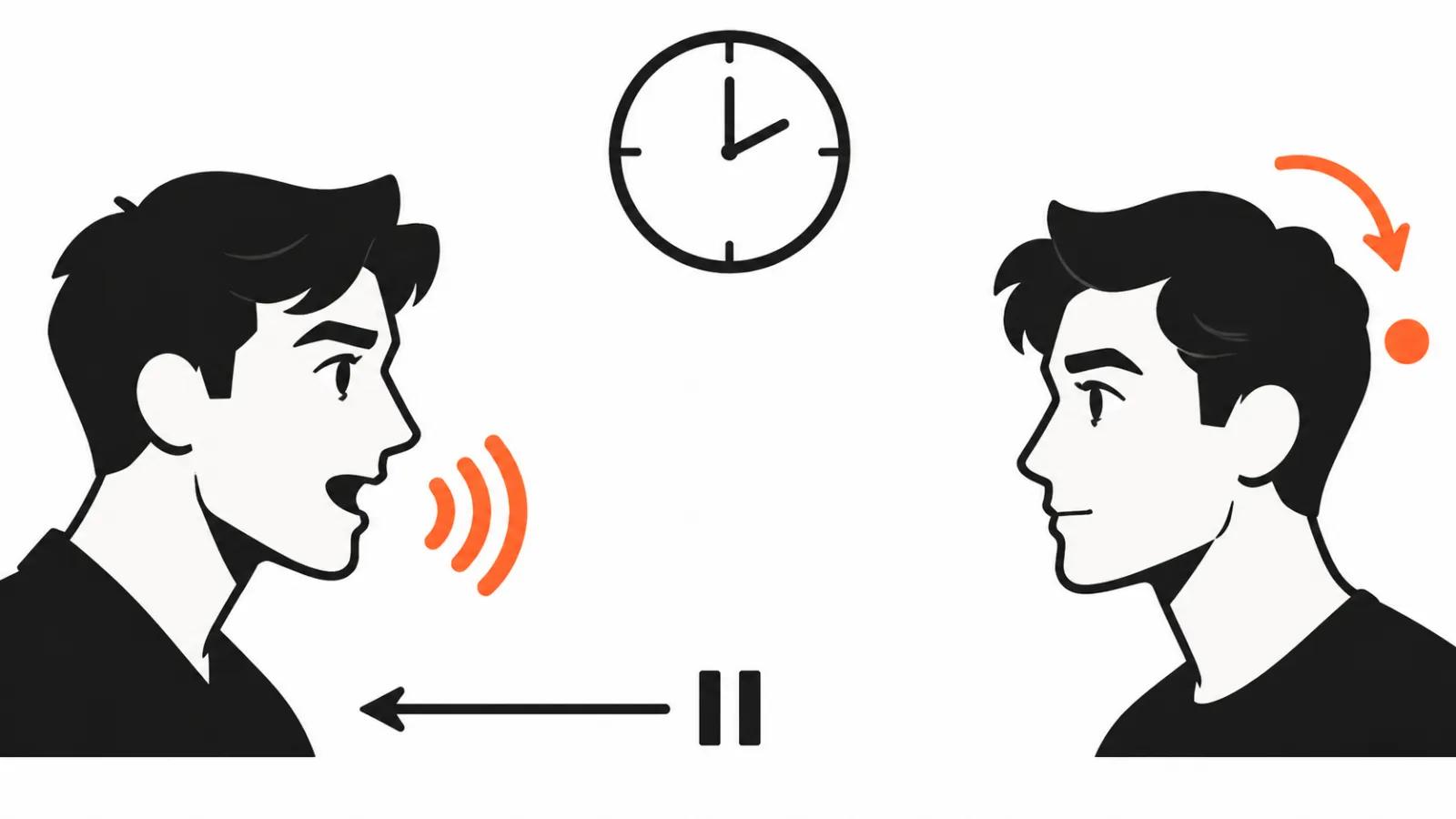
Timing matters more than skin here. Most lip-sync models solve one problem, landing the mouth on the phoneme. In a call or a chat with a bot, an audience reads something else: the pause before an answer, a nod while someone else talks, a change of expression a second before the first word. Those cues register faster than pore-level detail.
The architecture makes sense. Rendering and behaviour sit in separate layers, so behaviour can be swapped without retraining the video side, and image quality can improve without breaking character. That is what the first generation lacked. Those avatars could talk and could not stay quiet.
An AI character from a photo on one GPU: what it changes
For a finished video, the GPU count barely matters. A clip renders once and becomes a file. One card matters in a different scenario: a live agent on a site, in an app, at a counter in a showroom, answering in the moment and paying per second.
That is where a demo and a product part ways. A demo shows thirty seconds of a face in close-up. A product holds an hour of conversation without drift, without the lighting sliding and without the character freezing on a long pause. The vendor published nothing on those numbers, which is normal for early access: invitations first, benchmarks later.
My own test is short. If an avatar survives ten minutes with a bad microphone and people talking over it, it can go to a client. Anything shorter stays an experiment.
Access: invite only, three API modes, atmee.ai
Atmee v2 runs on invitations. Applications go by email to contact@atmanity.io, and there is no signup button on the vendor site. Invite-only access is standard practice for a heavy model, since it caps load and brings feedback from teams willing to do the work.
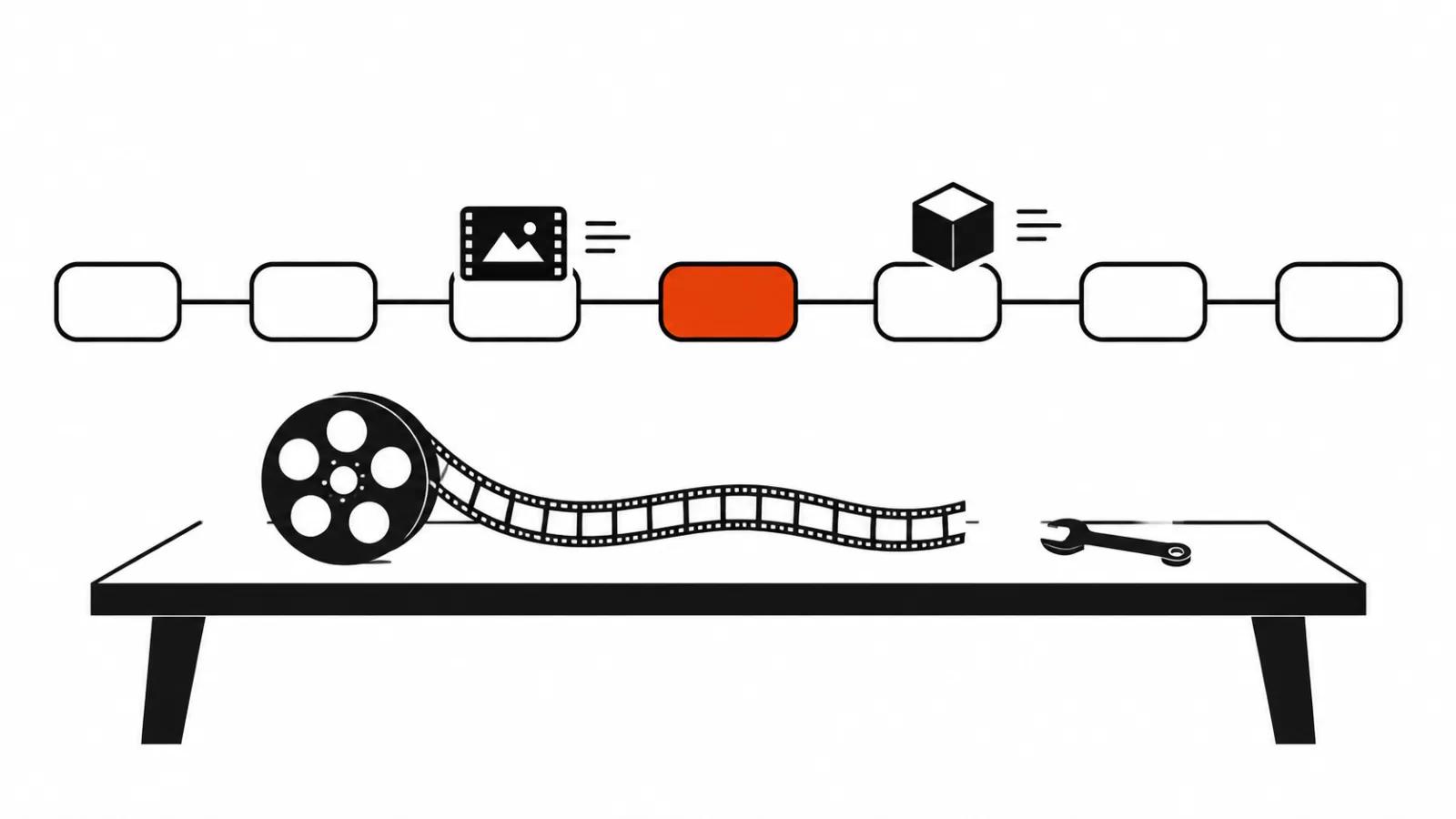
Three API modes are claimed. Full stack, meaning the avatar with behaviour included. Avatar only, without the voice layer. Voice only, without video. The last two matter more than they look, because they drop into an existing pipeline that already has footage and needs a face or a voice.
The first Atmee is live at atmee.ai, open to anyone who wants to see the current state without applying. The founders are Chen-Ping Yu and Yi-Hsuan Tsai, both out of Phiar and later Google. For judging a team, that says more than a launch post.
Characters and Muse: a different class of access
Runway Characters and Meta Muse sit in the same news cycle, and the honest comparison is about access. Characters and Muse arrive as products you can try inside a platform or through research access. Atmee v2 is an email application and a promise of one GPU.
For a studio that gap is enormous. The first two can be tested this week and billed by the minute. The third gives you a reply, a call and a wait. I do not read closed access as a flaw: for a model rendering video in real time, it is how you avoid drowning. It does mean you cannot plan a client job on it.
One detail is easy to miss. Atmee v2 is pitched as a video foundation. An avatar service with ready-made presenters is a separate product with its own billing. That implies integration: your pipeline, your billing, your quality control. A team without a video engineer stops right there.
What this means for video work
For a video with a deadline next week, Atmee v2 changes nothing. Our AI video production runs on what is available today, and an avatar there is one element of a frame.
Long formats with a presenter on screen are a different bet. Our handcrafted videos, from $190, are built with a person in the frame, and an avatar appears where shooting costs more than generating: script changes, a second language, ten versions of one monologue.
So I read the Atmanity news as a market signal. Realtime avatars are heading toward the price of a phone call, away from the price of a shoot. When that lands, the change hits how a business talks to a customer: a consultant who never tires, a character who remembers the last conversation. If you want the background, we have an AI avatar overview.
My conclusion
Atmee v2 is another realtime avatar stack, and it is packaged honestly: one card, three API modes, behaviour as its own layer. The claims are strong. The evidence is exactly as much as the vendor put in a demo, and not one independent measurement.
My call is simple. I watch the invitations, I do not build client work on it, and I keep Characters, Muse and local S2V in mind as the working option for today. When live access arrives and an hour of conversation holds without drift, I will revisit this with numbers in hand.