What Phancy announced on 18 November
The release came from Beijing and Hong Kong on 18 November through Media OutReach Newswire. Phancy Group, ticker 6682 in Hong Kong, sells cloud AI services to enterprises, and it showed two models of its own under the Phai name. Phai-M1 handles video. Phai-A1 is a language model with a context window of roughly 1 million tokens, and the company says you can run it locally on a PC. Both are wired into Phancy products, PhanthyMovie among them. The series was fine tuned for Huawei Ascend compute with help from the ModelHub XC community. The models can be tried on the Phancy website. Price, rate limits and independent comparisons are not published, and that is the first thing to keep in mind.
A model trained on live actors: who it is for
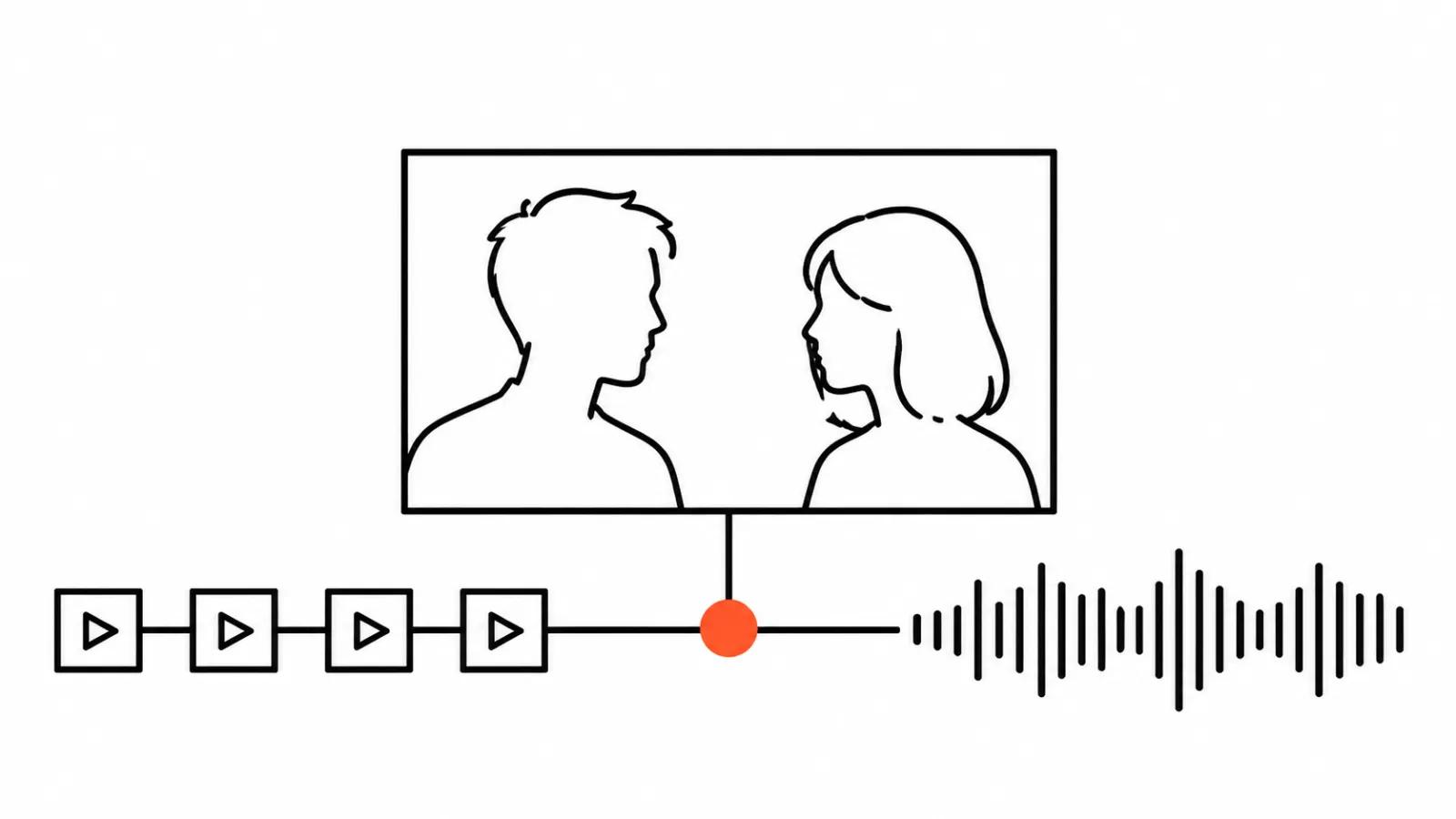
Phancy says it plainly: Phai-M1 was trained with an emphasis on film and series scenes shot with live actors. The goals come in three parts. More natural facial expression, more natural body movement, fewer of the usual artefacts of AI video. The audience is named as well: game series and short AI dramas.
I like how narrow that is. An ad frame forgives a lot, because it lives two seconds and sells an object. Two people talking forgives nothing, since the viewer stares at a face and reads micro movement. If the training really leaned on actor scenes, the gain will show in dialogue, in a medium shot, on a shift of emotion. The only way to know is your own footage, because demo reels always show the best take.
Video with sound in one pass: 15 seconds and 3 minutes
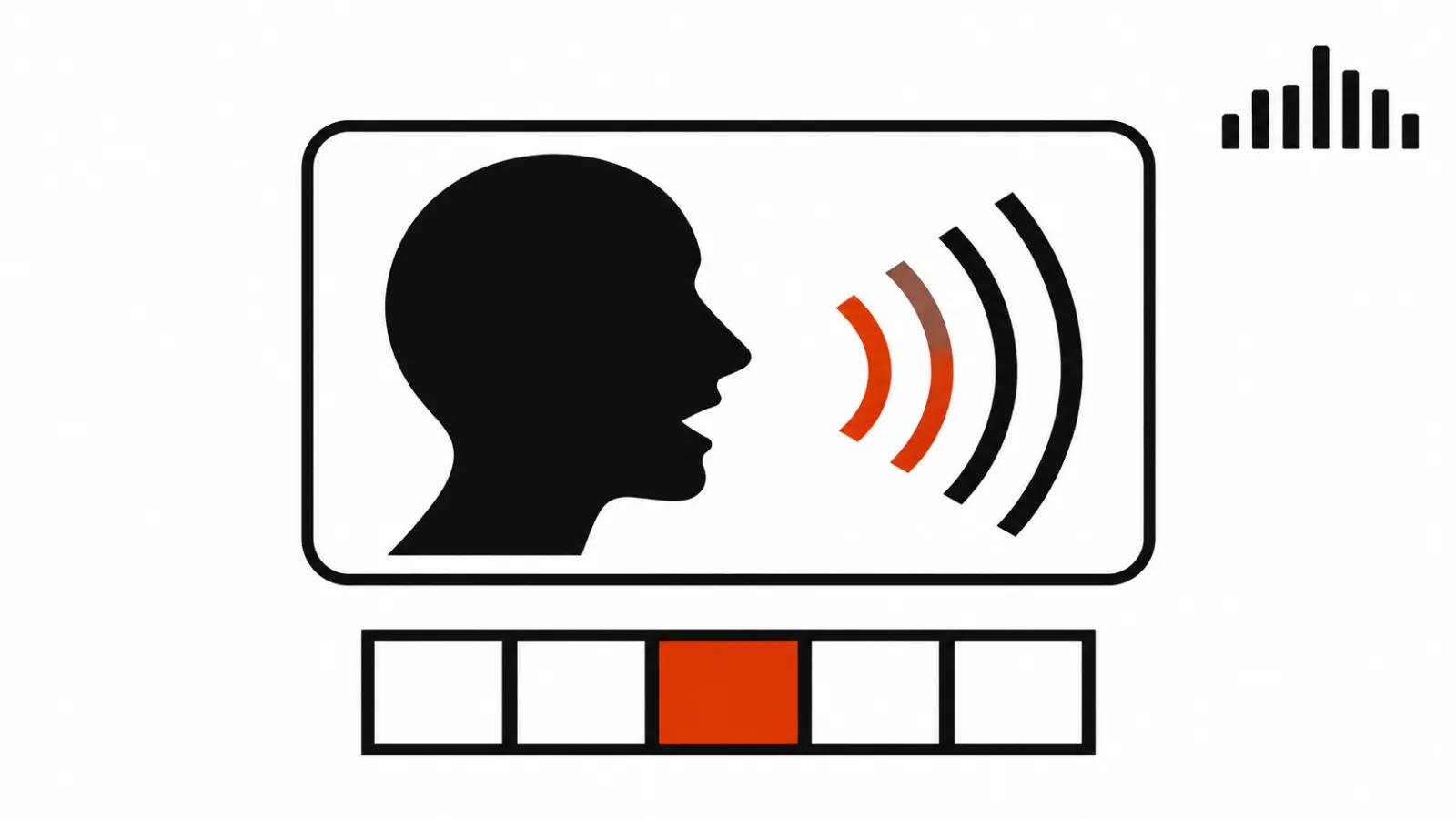
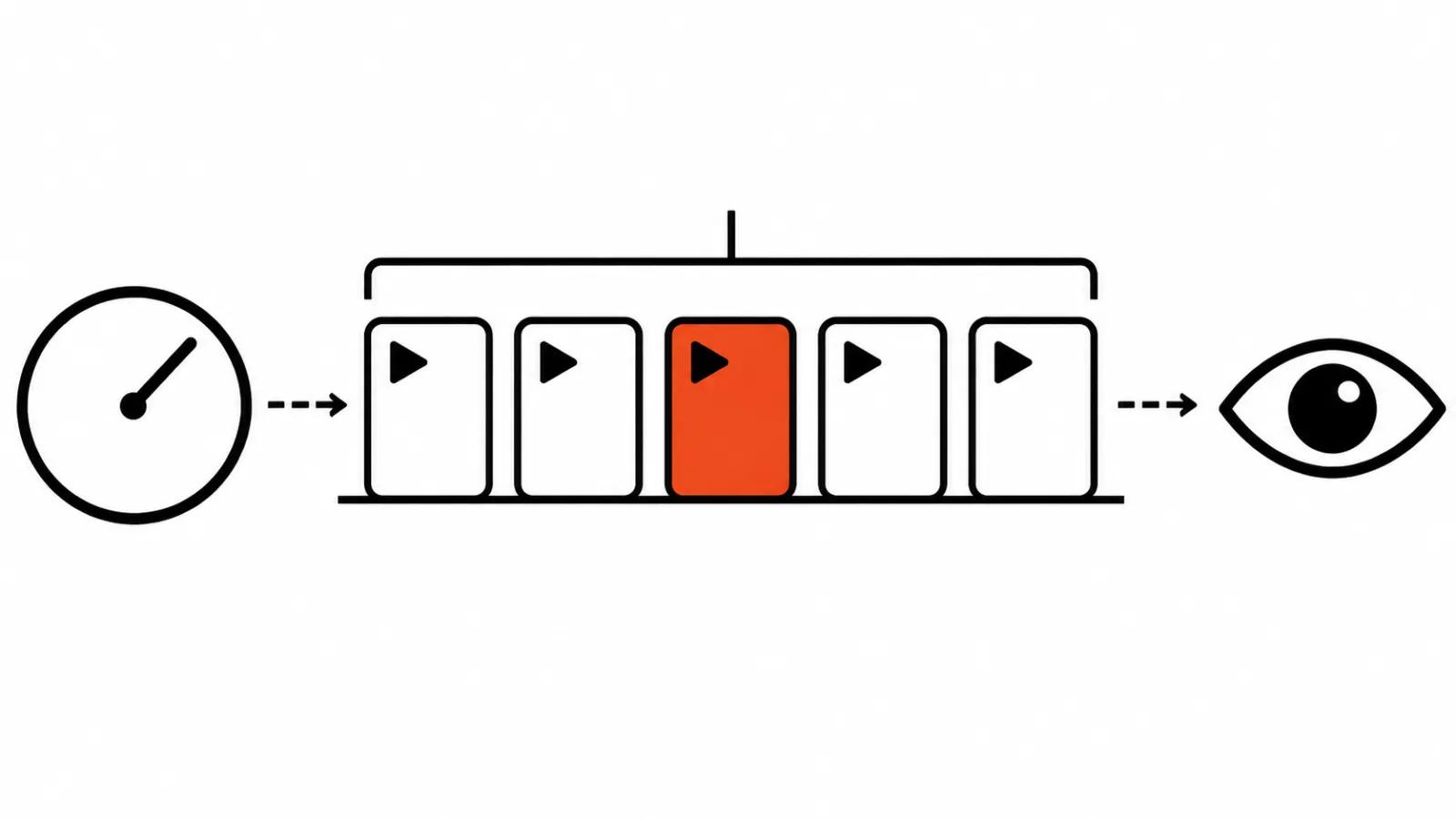
The second claim matters more than the first. Phai-M1 generates picture and synchronised audio in a single process, so the voice is born with the frame and no separate dubbing step is needed. In the published test, a 15 second clip at 720p rendered in about 3 minutes.
The arithmetic is simple. One second of finished footage costs about 12 seconds of compute. A minute of footage is roughly 12 minutes of generation, and an eight minute episode lands near 1.6 hours of raw compute. Then come the retakes, and there are always retakes, because nobody accepts the first pass.
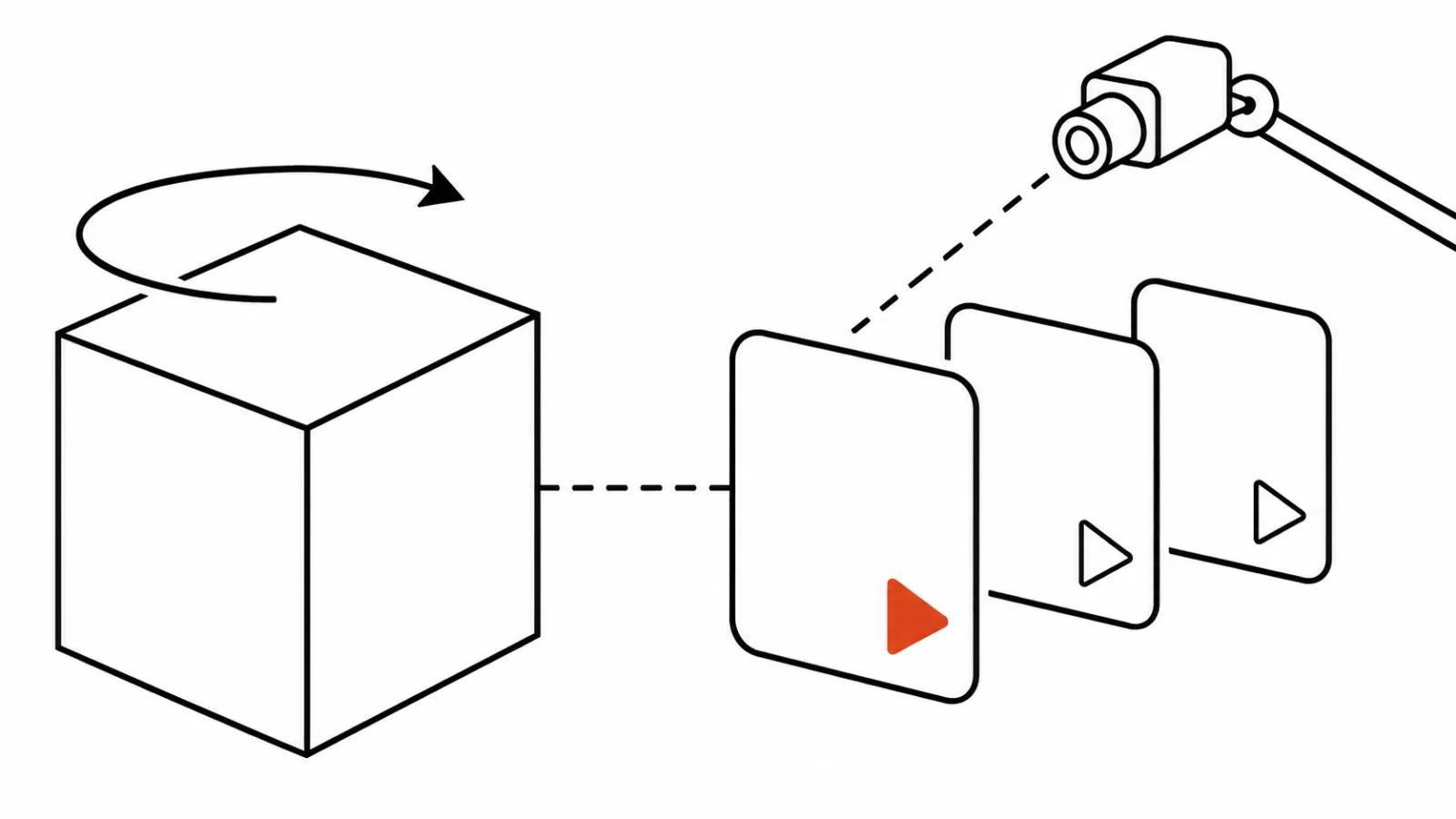
For a client the practical reading is this: 15 seconds is the length of a shot, so a series gets built out of shots. One long take does not exist at that length, yet the edit gains a sane unit of work. A ten minute drama is forty shots of 15 seconds, and every one of them needs a human pair of eyes.
Chinese AI video models for series: what to test first
My checklist is short and none of it is about pretty pictures.
One: a face through a change of emotion. I write a line where the character starts calm and then raises his voice, and I watch whether the shape of the face holds during the switch, whether cheeks and eyes drift.
Two: lips on the consonants m, p and b. That is where synchronised audio shows itself, because the closure is visible. A model that nails vowels tends to fall apart on the plosive.
Three: hands. A gesture is the most common failure in video with people. I ask for a scene with a finger point or a cup in hand.
Four: repetition. The same prompt twice. If the face changes between runs, the character will not survive a series.
Five: audio in the second half of the clip. Over fifteen seconds a voice can drift in timbre, and headphones catch it.
Run these on your own script and your own voice. A demo site shows what is possible, while a production needs the same result on forty shots in a row.
Open weights without a date: what the promise is worth
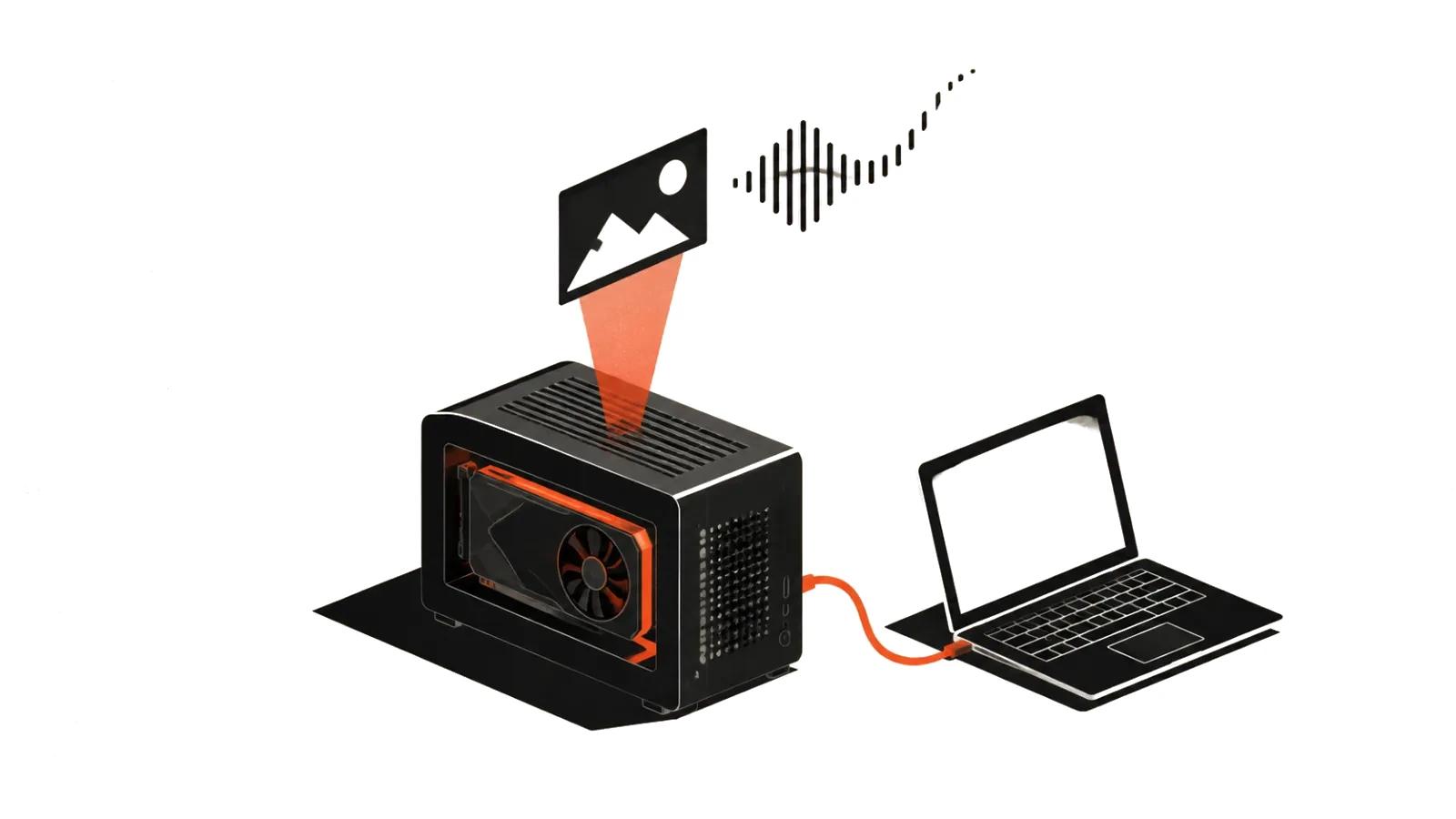
Phancy says it will publish the weights of Phai-M1 and Phai-A1 for developers in the near future. No date, no licence terms, and no hardware requirements for the video model.
My position is plain. A weights promise with no date moves no budget. Today there is a web demo with an unknown price and a press release, while open weights are a different scenario: the model runs on your own machine, footage stays inside the building, and cost is measured in hardware and power. For Phai-A1 the release at least says it runs locally on a PC. For Phai-M1 that line is missing, which is telling.
While there is no model file, a series cannot be planned on it. I keep announcements like this on a candidate list and come back when a date appears.
What this costs a client
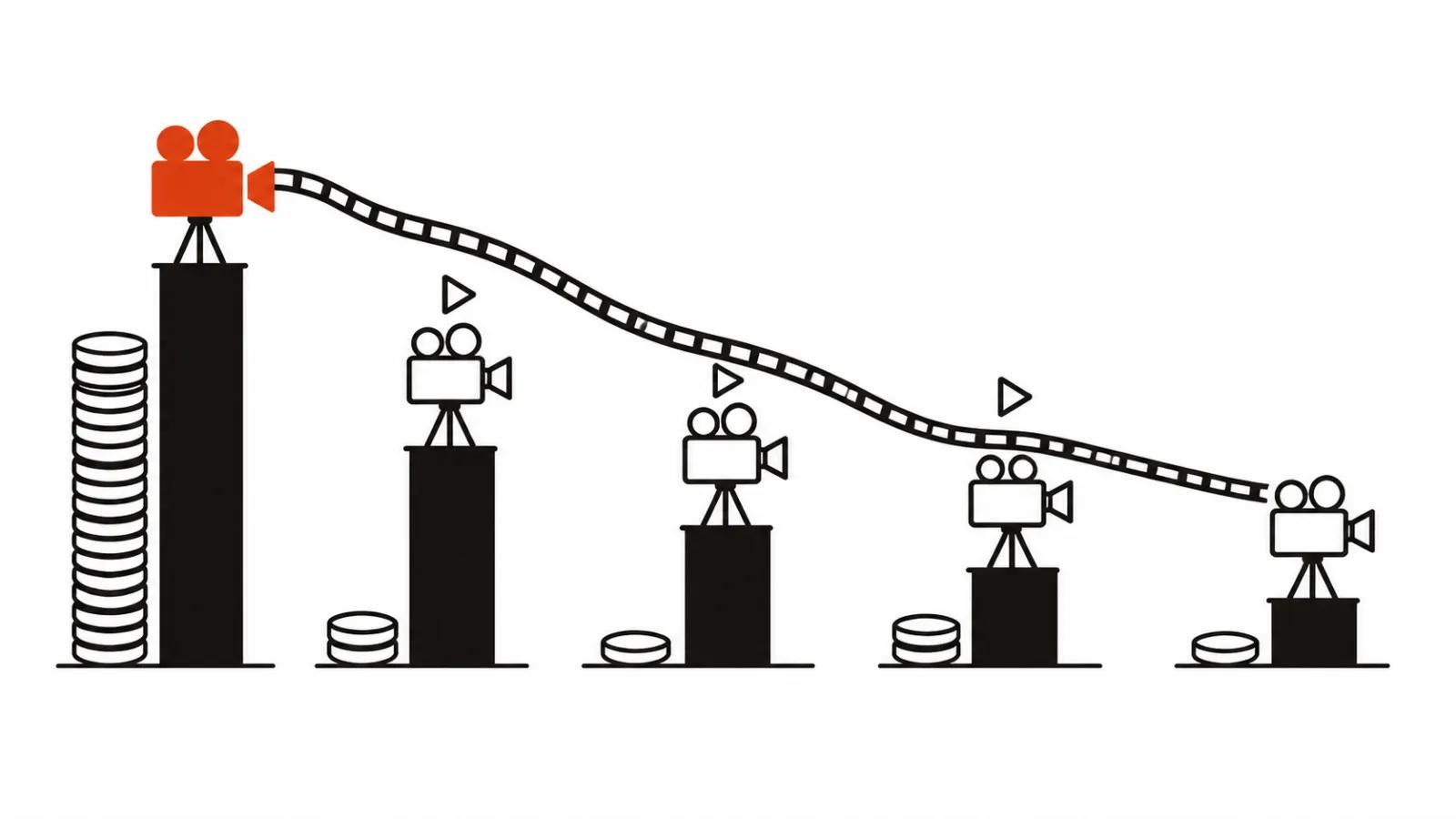
There is no published price for Phai-M1, no rate limits, no third party comparison. So the money conversation runs on two levels for now.
The first level is the budget of the video itself. Generation handles shots where a flaw does not catch the eye, while scenes with a face usually need finishing by hand. Handcrafted AI videos start from $190 per video, and there a person owns every frame. A stream of short shots without close-ups is cheaper to build as AI video production.
The second level is the model itself. If Phancy opens access on a subscription, the quote will be built on price per shot. If the weights ship, the quote gets built on hardware. Both numbers are guesswork today, and a client deserves to hear that up front.
One more piece of context belongs here. Chinese AI video models moved out of the try it and see stage over the past year and became a working tool. Phai-M1 adds another name to that list.
My take
I would queue Phai-M1 for a test in second place, behind a model that already returns a stable face across long scenes. The reason is simple: the claims are strong and the verifiable data is thin. One test at 15 seconds, a closed price, weights with no date.
Dai Wenyuan, the Phancy CEO, says the race between models is ending on its own and the winning combination is infrastructure, models and applications together. I agree, and for a buyer that means looking at the product around the model. PhanthyMovie, tiers, limits, how fast a redo comes back. A good model with no clear price per shot is still a demo.
If a series has to ship this month, I would build it on what already bills predictably and hold Phai-M1 for the next season. If the job is a single scene with a live actor for a pilot, an hour of testing on Phai-M1 is money well spent.